
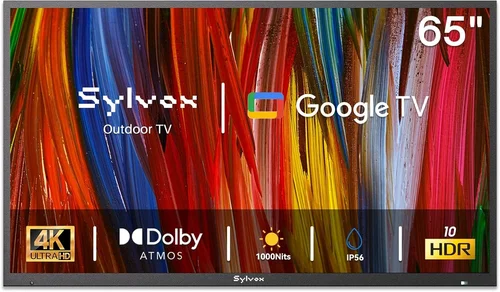
Outdoor living spaces have evolved far beyond simple patios and backyards. Today’s homeowners and renters are transforming their decks, poolsides, garages, and even rooftops into fully functional entertainment zones—complete with weather-resistant furniture, outdoor kitchens, and yes, outdoor televisions. But when you’re dealing with scorching summer heat, intense UV exposure, and high humidity—common in hot climates like Arizona, Texas, Florida, or Southern California—a standard indoor TV simply won’t cut it. That’s where budget outdoor televisions designed for hot environments come into play.
This comprehensive buying guide is crafted specifically for anyone looking to enjoy crystal-clear viewing under the sun without breaking the bank. Whether you’re planning movie nights by the pool, catching the big game from your covered patio, or simply wanting background entertainment while grilling, choosing the right outdoor TV can make all the difference. We’ll walk you through every critical factor—from heat tolerance and brightness to build quality and smart features—so you can confidently select a model that delivers reliable performance in extreme temperatures. By the end of this guide, you’ll know exactly what to look for, which brands offer the best value, and how to avoid costly mistakes.
The market for outdoor TVs has grown significantly in recent years, driven by advances in display technology and increased demand for outdoor entertainment. While premium models from brands like SunBriteTV and Samsung’s The Terrace dominate headlines, there’s now a robust segment of budget-friendly options that deliver impressive performance at a fraction of the cost. These affordable outdoor TVs are engineered with climate-specific features such as enhanced cooling systems, anti-glare screens, and ruggedized casings—all tailored for hot-weather durability. However, not all “outdoor-ready” TVs are created equal, and many budget models cut corners in ways that could leave you frustrated or worse, with a fried screen after just one summer. This guide cuts through the marketing noise to help you find the sweet spot between affordability and resilience.

What to Look for When Buying Buying Guide
1. Heat Resistance & Thermal Management
In hot climates, ambient temperatures can easily exceed 100°F (38°C), and direct sunlight can push surface temperatures even higher. Standard indoor TVs aren’t built to handle this kind of thermal stress—their internal components can overheat, leading to shutdowns, color distortion, or permanent damage. A true outdoor TV must include active or passive thermal management systems.
Look for models with built-in cooling fans, heat-dissipating chassis materials (like aluminum), and temperature sensors that automatically adjust performance to prevent overheating. Some budget outdoor TVs use sealed enclosures with passive cooling, which work well in shaded or covered areas but may struggle in full sun. If your TV will be exposed to direct sunlight for extended periods, prioritize models with active cooling. Also check the operating temperature range—most quality outdoor TVs can handle up to 122°F (50°C), but cheaper units may max out at 104°F (40°C), which isn’t enough for peak summer days in desert regions.
2. Display Brightness & Anti-Glare Technology
Sunlight washes out screens. Even the brightest indoor TVs (typically 300–500 nits) become nearly invisible under direct sun. For outdoor use in hot climates—where sunlight is often more intense due to clearer skies and lower humidity—you need a display with high brightness and anti-reflective coating.
Aim for a minimum of 700 nits, but ideally 1,000+ nits for full-sun visibility. Many budget outdoor TVs now feature direct-lit LED backlighting or quantum dot enhancements to boost luminance without excessive power draw. More importantly, look for an anti-glare or matte screen finish. Glossy screens might look sharp indoors, but they turn into mirrors outdoors, reflecting everything from your grill to your neighbor’s house. Matte finishes diffuse light and maintain image clarity even at oblique angles. Some manufacturers also incorporate optical bonding—a process that fuses the glass directly to the LCD layer—to reduce internal reflections and improve contrast in bright conditions.
3. Weatherproofing & IP Rating
While heat is the primary concern in hot climates, don’t overlook moisture, dust, and insects. High humidity, sudden rain showers, or morning dew can infiltrate poorly sealed electronics. The Ingress Protection (IP) rating tells you how well a device resists solids and liquids.
For outdoor TVs, look for at least IP55 (protected against dust and low-pressure water jets) or ideally IP65 (dust-tight and protected against water spray from any direction). Avoid TVs with only IP44—they’re splash-resistant but not suitable for prolonged outdoor exposure. Check that all ports, vents, and mounting points are properly sealed. Some budget models claim “weather-resistant” but lack official IP certification—always verify this detail in the specs. Also, ensure the remote control and any external sensors (like ambient light detectors) are also weather-protected.
4. Build Quality & Materials
Budget doesn’t have to mean flimsy—but it often does. Many low-cost outdoor TVs use thin plastic casings that warp in heat or degrade under UV exposure. Over time, this can lead to cracks, discoloration, or compromised seals.
Prioritize TVs with powder-coated aluminum or reinforced polymer housings. Aluminum dissipates heat better and resists corrosion, while high-grade polymers (like polycarbonate) offer UV stability. Avoid models with exposed screws, unsealed joints, or cheap plastic bezels. The mounting hardware should also be stainless steel or corrosion-resistant—galvanized steel may rust in humid coastal areas. If possible, look for TVs tested to military standards (MIL-STD-810G) for thermal shock and vibration resistance—even budget lines from reputable brands sometimes include these certifications.
5. Smart Features & Connectivity
Just because you’re outdoors doesn’t mean you want to sacrifice modern conveniences. Most buyers expect streaming apps, voice control, and wireless connectivity—even on budget models. However, not all “smart” outdoor TVs are equally capable.
Check the operating system: Android TV, Roku TV, and webOS offer robust app ecosystems, while proprietary systems may be limited or slow. Ensure the TV supports Wi-Fi 5 (802.11ac) or better—Wi-Fi 4 can struggle with 4K streaming in areas with interference. HDMI ports are essential for game consoles, soundbars, or cable boxes; aim for at least two HDMI 2.0 ports. USB ports allow firmware updates or media playback. Some budget models omit Ethernet, which can be a problem if your outdoor Wi-Fi signal is weak—consider a weatherproof Ethernet extender if needed. Also, verify that the TV supports HDR10 or Dolby Vision if you plan to watch high-dynamic-range content.
6. Size & Viewing Distance
Outdoor spaces often have longer viewing distances than living rooms. A 43-inch TV might feel tiny from 15 feet away, especially if you’re hosting a group. But larger screens cost more and consume more power—important considerations for budget buyers.
Use the 1.5x rule: multiply your viewing distance (in inches) by 1.5 to get the ideal screen diagonal. For example, at 12 feet (144 inches), a 55-inch TV is perfect. In hot climates, larger screens also mean more surface area exposed to sun—so ensure your chosen size fits within a shaded or covered area. If space is tight (e.g., a small balcony), consider a 40–50 inch model. Avoid going too big just for the sake of it; a poorly visible 75-inch TV defeats the purpose. Also, check the TV’s weight—larger outdoor models can exceed 50 lbs, requiring sturdy mounts.
7. Brand Reputation & Real-World Reliability
Not all budget outdoor TV brands are trustworthy. Some import generic panels and slap on “outdoor” labels without proper engineering. Others disappear after a few years, leaving you without support.
Stick with brands that specialize in outdoor displays or have a proven track record in harsh environments. Look for companies that publish detailed environmental test data, offer transparent warranties, and have responsive customer service. Read user reviews on forums like AVS Forum or Reddit’s r/outdoortv—real users often reveal hidden flaws like premature backlight failure or Wi-Fi dropouts in heat. Avoid no-name brands sold exclusively through third-party Amazon sellers with no physical address or support portal.
8. Warranty & Support
A warranty isn’t just a piece of paper—it’s your safety net when things go wrong. In hot climates, component failure rates are higher, so robust coverage is essential.
Look for at least a 2-year limited warranty that covers both parts and labor. Some brands offer extended warranties for outdoor use (e.g., SunBrite’s 3-year plan). Check if the warranty is voided by improper installation—many require professional mounting. Also, confirm that replacement parts (like power supplies or cooling fans) are readily available. Avoid brands that only offer 1-year warranties or charge extra for outdoor-specific coverage. If buying online, ensure the seller is an authorized dealer—otherwise, your warranty may be invalid.
Different Types of Buying Guide

Common Buying Mistakes to Avoid
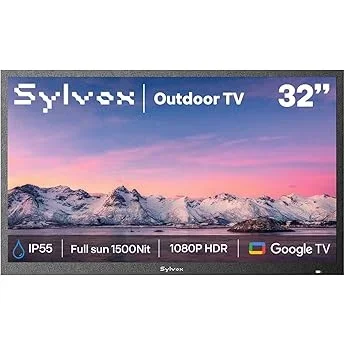
❌ Mistake: Buying a Regular Indoor TV and Putting It Outside
Why it’s bad: Indoor TVs lack thermal management, weatherproofing, and sufficient brightness. In hot climates, they’ll overheat within weeks—or even days—leading to permanent damage. The warranty will almost certainly be voided.
What to do instead: Invest in a TV specifically designed for outdoor use, even if it’s a budget model. The upfront cost is far less than replacing a fried indoor TV.
❌ Mistake: Ignoring the IP Rating
Why it’s bad: Without proper sealing, humidity and dust can corrode internal circuits. In coastal hot climates, salt air accelerates this process.
What to do instead: Always verify the IP rating (aim for IP55 or higher) and check user reviews for reports of moisture ingress.
❌ Mistake: Overlooking Viewing Angle and Glare
Why it’s bad: A TV that looks great head-on may be unwatchable from the side—common in outdoor seating arrangements. Glossy screens reflect sunlight, making content invisible.
What to do instead: Choose a TV with wide viewing angles (178°) and a matte, anti-glare screen. Test the display in similar lighting if possible.
❌ Mistake: Skimping on Mounting Hardware
Why it’s bad: Cheap mounts rust, bend, or fail under wind load. A falling TV can cause injury or property damage.
What to do instead: Use marine-grade stainless steel mounts rated for outdoor use. Ensure the wall or structure can support the weight.
❌ Mistake: Assuming All “Outdoor” TVs Are Equal
Why it’s bad: Some brands market indoor TVs as “outdoor-ready” with minimal modifications. These often lack critical features like active cooling.
What to do instead: Research thoroughly. Look for independent reviews and verify technical specs—not just marketing claims.
❌ Mistake: Neglecting Power and Connectivity Needs
Why it’s bad: Running long extension cords or relying on weak Wi-Fi leads to frustration and safety hazards.
What to do instead: Plan for weatherproof power outlets and consider a wired Ethernet connection or mesh Wi-Fi extender.
❌ Mistake: Forgetting About Audio
Why it’s bad: Most outdoor TVs have weak built-in speakers. Wind and ambient noise drown out dialogue.
What to do instead: Pair your TV with weatherproof outdoor speakers or a soundbar designed for exterior use.
Budget Guidelines: How Much Should You Spend?
- Entry-Level ($400–$600): Ideal for covered areas with indirect sun. Expect 700–900 nits brightness, IP55 rating, and basic smart features. Brands like Seura and some Vizio outdoor models fall here. Great for occasional use but may struggle in full sun.
- Mid-Range ($600–$1,000): The sweet spot for most buyers. These offer 1,000+ nits, active cooling, IP65 sealing, and reliable smart platforms. Models from Sylvane, Peerless-AV, and certain Samsung The Terrace Lite versions deliver excellent value.
- Premium ($1,000–$1,800): For enthusiasts who want near-commercial performance. Features include optical bonding, advanced thermal management, 24/7 operation capability, and premium materials. SunBriteTV Veranda series and LG’s outdoor line excel here.
- Luxury ($1,800+): Top-tier models with 2,000+ nits, full sunlight readability, integrated sound systems, and extended warranties. Best for luxury homes, resorts, or commercial installations.
Expert Tips for Getting the Best Deal
- Buy During Off-Season: Prices drop in late fall and winter (October–February) when demand is low. Many retailers clear inventory before spring.
- Check Manufacturer Refurbished Programs: Brands like SunBrite and Samsung sell certified refurbished outdoor TVs at 20–30% off with full warranties.
- Compare Total Cost of Ownership: A cheaper TV with higher power consumption or shorter lifespan may cost more long-term.
- Negotiate with Local Installers: Some AV companies bundle TV + installation discounts, especially for mid-range models.
- Use Price Tracking Tools: Set alerts on CamelCamelCamel (for Amazon) or Honey to catch flash sales.
- Verify Return Policies: Ensure you can return the TV if it fails in heat within the first 30–60 days.
- Test Before Finalizing: If buying in-store, ask to see the TV powered on in bright light. Check for uniformity and glare.
- Consider Energy Efficiency: Look for ENERGY STAR certification—outdoor TVs run longer hours and can spike electricity bills.

Frequently Asked Questions
Q: Can I use a regular TV under a covered patio?
A: Only if it’s fully shaded, well-ventilated, and protected from moisture. Even then, heat buildup can shorten its lifespan. For peace of mind, choose an outdoor-rated model.
Q: Do outdoor TVs consume more power?
A: Yes, due to higher brightness and cooling systems. Expect 20–40% more energy use than comparable indoor TVs. Look for efficient LED backlighting and auto-dimming features.
Q: How do I clean an outdoor TV screen?
A: Use a microfiber cloth and distilled water only. Avoid ammonia-based cleaners—they can damage anti-glare coatings. Power off and cool the TV first.
Q: Will an outdoor TV work in winter?
A: Most are rated for -22°F to 122°F (-30°C to 50°C), so they’ll handle cold snaps. However, condensation during rapid temperature changes can be an issue—allow gradual acclimation.
Q: Can I mount an outdoor TV on a swing arm?
A: Yes, but ensure the mount is rated for outdoor use and can handle the TV’s weight plus wind load. Fixed mounts are safer in windy areas.
Q: Do I need a special antenna for outdoor TV?
A: Not necessarily. Most outdoor TVs support standard ATSC 3.0 tuners. Use a weatherproof outdoor antenna for best over-the-air reception.
Q: Are outdoor TVs compatible with streaming devices?
A: Absolutely. You can use Roku, Fire Stick, or Apple TV—just protect the device in a weatherproof enclosure if it’s exposed.
Q: How long do budget outdoor TVs last?
A: With proper care, 5–7 years is typical. Heat is the main enemy—so prioritize cooling and shading to maximize lifespan.
Q: Can I leave my outdoor TV on all day?
A: Commercial-grade models are designed for 24/7 use. Budget models may overheat—check the specs. Most recommend 8–12 hours max in extreme heat.
Q: What’s the difference between “weather-resistant” and “weatherproof”?
A: “Weather-resistant” implies limited protection (e.g., IP44), while “weatherproof” usually means full sealing (IP65+). Always check the IP rating.
Our Final Recommendations
- Best for Budget-Conscious Buyers: Sylvane Outdoor 55″ 4K UHD ($649) – Offers 1,000 nits, IP65 rating, and Roku TV at a compelling price. Perfect for covered patios.
- Best Overall Value: Peerless-AV Xtreme 50″ Outdoor Smart TV ($899) – Combines active cooling, 1,200 nits brightness, and robust build quality. Ideal for partial sun exposure.
- Best Premium Option: SunBriteTV Veranda 55″ Series 3 ($1,499) – Near-commercial durability with optical bonding and 2-year outdoor warranty. Worth the investment for full-sun areas.
- Best for Beginners: Vizio 50″ Outdoor Smart TV (M-Series) ($599) – User-friendly interface, solid brightness, and easy setup. Great first outdoor TV.
- Best for Advanced Users: DIY Kit: LG C3 OLED + Peerless-AV Outdoor Enclosure (~$1,100 total) – For tech enthusiasts who want OLED contrast with outdoor protection. Requires assembly but offers unmatched picture quality.
Conclusion: Making the Right Choice
Choosing a budget outdoor television for hot climates isn’t just about finding the cheapest option—it’s about balancing affordability with resilience. Heat, glare, and humidity are relentless foes, and cutting corners on thermal management, brightness, or build quality will cost you more in the long run. By focusing on key factors like IP rating, nits brightness, active cooling, and reputable brands, you can enjoy years of reliable outdoor entertainment without overspending.
Remember, your outdoor space is an extension of your home—it deserves equipment that performs as beautifully as it looks. Prioritize your specific needs: Will your TV face direct sun? How many people will watch at once? Do you need smart features or just basic cable? Answering these questions will guide you to the perfect model within your budget.
Don’t rush the decision. Read reviews, compare specs, and consider total ownership costs. And when you do buy, protect your investment with proper mounting, shading, and regular maintenance. With the right TV, your backyard can become the ultimate summer sanctuary—where every sunset comes with a side of stunning visuals.
Now go enjoy that outdoor movie night—you’ve earned it.

