
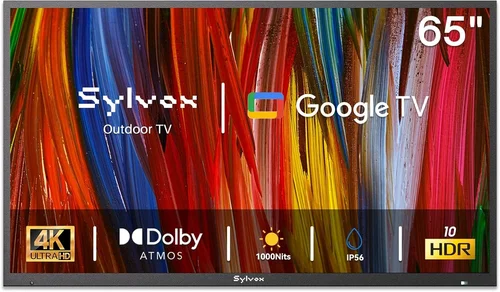
Outdoor living spaces have evolved dramatically over the past decade. What was once just a place for grilling and lounging has transformed into fully functional entertainment zones—complete with fire pits, outdoor kitchens, and yes, televisions. Whether you’re hosting summer barbecues, watching the big game under the stars, or enjoying a quiet evening movie night on your covered patio, having a reliable outdoor TV can elevate your experience significantly. But here’s the catch: not all TVs are built to withstand the elements. Standard indoor TVs may work temporarily in sheltered areas, but they’re not designed for humidity, temperature swings, dust, or direct sunlight. That’s where outdoor-specific televisions come in—and while premium models can cost thousands, there are now excellent budget-friendly options that deliver solid performance without breaking the bank.
This guide is designed for homeowners, renters, and outdoor enthusiasts who want to enjoy high-quality viewing outdoors without overspending. We’ll walk you through everything you need to know to make a smart, informed decision—from understanding key technical specs to avoiding common pitfalls. You’ll learn how to balance cost with durability, what features truly matter in an outdoor setting, and how to stretch your dollar further by shopping at the right time and place. By the end of this article, you’ll have a clear roadmap to finding the best budget outdoor TV for your large patio, whether you’re working with $300 or $1,200.
The market for outdoor TVs has expanded rapidly in recent years, driven by advances in display technology and growing demand for outdoor entertainment. While brands like SunBrite and Samsung’s Terrace series dominate the premium segment, newer entrants and repurposed indoor models with weatherproof enclosures have opened up affordable alternatives. These budget options often use the same high-brightness panels and anti-glare coatings found in pricier models but cut costs through simplified designs, fewer smart features, or shorter warranties. The result? A wider range of choices than ever before—but also more confusion. With so many options claiming to be “outdoor-ready,” it’s easy to get overwhelmed. This guide cuts through the noise, focusing exclusively on value-driven solutions that deliver real-world performance for large patios.

What to Look for When Buying Buying Guide
1. Budget & Price Range
Setting a realistic budget is the first and most important step in your buying journey. Budget outdoor TVs typically range from $250 to $800, with some entry-level models dipping below $200 and mid-tier options reaching up to $1,000. While it’s tempting to go as cheap as possible, remember that outdoor TVs face harsher conditions than their indoor counterparts. A TV that costs $150 might save you money upfront but could fail within a year due to moisture damage or overheating. On the other hand, spending $1,200 on a model with features you don’t need (like 8K resolution or built-in streaming apps) is also inefficient.
To strike the right balance, consider your usage patterns. If you only watch TV occasionally—say, during weekend gatherings or seasonal events—a lower-cost model with basic weather resistance may suffice. But if you plan to use your outdoor TV daily or in a partially exposed area (like a gazebo without full roof coverage), invest in a unit with better build quality and thermal management. A good rule of thumb: allocate at least $400–$600 for a 50-inch or larger screen that will last 3–5 years under normal outdoor conditions.
2. Performance Specifications
When evaluating performance, focus on three core specs: brightness (measured in nits), contrast ratio, and refresh rate. Brightness is especially critical for outdoor use. Indoor TVs typically range from 250 to 400 nits, but even on a shaded patio, ambient light can wash out the image. For large patios—especially those with partial sun exposure—you’ll want a minimum of 700 nits, with 1,000+ nits being ideal. Some budget outdoor TVs now offer “high-brightness” modes that boost luminance during daylight hours, automatically adjusting based on ambient light sensors.
Contrast ratio affects how well dark scenes appear. While OLEDs offer perfect blacks, they’re rarely found in budget outdoor models due to cost and burn-in risks in static outdoor signage. Instead, look for LED-LCD panels with local dimming or high dynamic range (HDR) support. HDR10 or HDR10+ enhances color depth and brightness range, making skies bluer and shadows more detailed—even in bright conditions. Refresh rate matters less for casual viewing but becomes important if you watch sports or fast-action content. A 60Hz panel is fine for most users, but 120Hz models provide smoother motion and are worth the slight price bump if available under $700.
3. Build Quality & Durability
Durability isn’t just about surviving rain—it’s about enduring temperature extremes, UV exposure, and physical wear. Quality outdoor TVs use powder-coated aluminum chassis instead of plastic, which resists rust and fading. Internal components are often sealed or coated to prevent corrosion from humidity. Look for models with sealed ports (HDMI, USB, power) and ventilation systems that prevent overheating without allowing moisture ingress. Some budget units include removable dust filters or passive cooling designs that reduce fan noise—a big plus for quiet evening viewing.
Another often-overlooked aspect is mounting compatibility. Large patios usually require wall or ceiling mounts, and not all budget TVs include VESA-standard mounting holes. Verify the VESA pattern (e.g., 200×200, 400×400) matches your mount before purchasing. Also, check weight—some outdoor enclosures add significant bulk. A 55-inch TV with a weatherproof shell can weigh 30–40 lbs, so ensure your mounting surface (brick, wood, or metal beam) can support it safely.
4. Features & Functionality
Smart features can enhance convenience but aren’t essential for everyone. Many budget outdoor TVs run simplified operating systems like Roku TV, Android TV Lite, or proprietary platforms with limited app support. If you primarily stream via external devices (Apple TV, Fire Stick, or Chromecast), you may not need built-in Wi-Fi or voice control. However, having at least one HDMI 2.0 port and USB connectivity is crucial for connecting game consoles, soundbars, or media players.
Audio is another consideration. Most budget outdoor TVs have weak built-in speakers (5–10W), which struggle to compete with wind, traffic, or backyard noise. Plan to pair your TV with outdoor-rated speakers or a soundbar. Some models include optical audio output or Bluetooth for wireless audio, which simplifies setup. Additionally, look for models with anti-reflective coatings or matte finishes—these reduce glare from sunlight or patio lights, improving visibility during daytime viewing.
5. Brand Reputation
While lesser-known brands may offer tempting prices, sticking with reputable manufacturers reduces risk. Brands like TCL, Hisense, and Vizio have entered the outdoor space with certified weather-resistant models or compatible indoor TVs sold with optional outdoor enclosures. These companies back their products with reliable customer service and consistent firmware updates. Avoid no-name brands that disappear after a year—especially if they don’t provide clear warranty information or technical support contacts.
That said, some niche outdoor specialists like Seura and SkyVue offer budget lines that compete directly with mainstream brands. Research user forums and professional reviews to gauge long-term reliability. A brand with a strong track record in consumer electronics is more likely to honor warranties and provide replacement parts down the line.
6. Warranty & Support
A solid warranty is your safety net against premature failure. Most budget outdoor TVs come with 1-year limited warranties, but some extend to 2 or even 3 years—particularly if purchased with an outdoor enclosure kit. Pay attention to what’s covered: does the warranty include damage from moisture, power surges, or accidental drops? Is on-site service available, or must you ship the unit back?
Support quality varies widely. Before buying, check if the manufacturer offers live chat, phone support, or detailed troubleshooting guides. Some brands provide installation videos or compatibility checkers for mounts and cables. If you’re buying from a third-party seller (like Amazon or Best Buy), verify that the warranty is honored regardless of retailer—and keep your receipt!
7. Size & Viewing Distance
For large patios, screen size matters—but so does viewing distance. A 50-inch TV is comfortable from 6–8 feet away, while a 65-inch model shines at 8–10 feet. Measure your seating area and choose accordingly. Going too small leads to squinting; going too large strains the eyes and wastes money. Most budget outdoor TVs start at 43 inches, with 50–65 inches being the sweet spot for spacious decks or pool areas.
Also consider bezel size. Thinner bezels create a more immersive experience and look modern, but some budget models still use thick frames to accommodate weatherproofing. If aesthetics matter, look for “frameless” or “ultra-slim” designs—even in lower price tiers.
8. User Reviews & Ratings
Never rely solely on manufacturer claims. User reviews reveal real-world performance—especially regarding longevity, ease of setup, and customer service. Look for patterns: if multiple buyers report screen fogging after six months, that’s a red flag. Conversely, consistent praise for brightness or quiet operation signals a reliable product. Focus on reviews from users with similar setups (e.g., “installed on a covered patio in Florida”) for the most relevant insights.
Platforms like Amazon, Best Buy, and Reddit’s r/outdoortv are goldmines for honest feedback. Pay attention to verified purchase tags and detailed photos. If a review mentions issues with remote range or app crashes, note whether those affect your intended use.
Different Types of Buying Guide

Common Buying Mistakes to Avoid
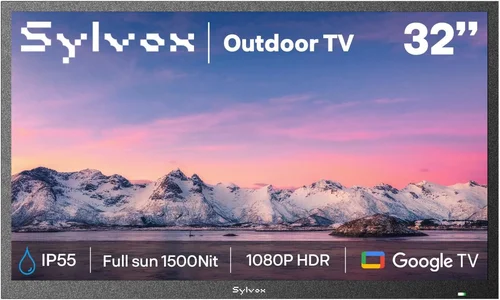
❌ Mistake: Buying a Standard Indoor TV for Outdoor Use
Why it’s bad: Indoor TVs lack weatherproofing, UV protection, and thermal management. Even in covered areas, humidity and temperature swings can cause condensation inside the panel, leading to permanent damage or electrical failure.
What to do instead: Either purchase a certified outdoor TV or pair an indoor model with a UL-listed outdoor enclosure. Never assume “it’ll be fine under the roof”—moisture lingers in the air long after rain stops.
❌ Mistake: Ignoring Brightness Requirements
Why it’s bad: A dim screen looks washed out in daylight, forcing you to watch only at night. This defeats the purpose of having an outdoor TV for daytime sports or brunch gatherings.
What to do instead: Prioritize models with at least 700 nits of brightness. Check spec sheets carefully—some brands list “peak brightness” which isn’t sustained.
❌ Mistake: Overlooking Audio Needs
Why it’s bad: Built-in speakers on budget TVs are quiet and tinny. On a windy patio, dialogue becomes inaudible without external audio.
What to do instead: Budget for outdoor speakers or a weather-resistant soundbar from day one. Many models support Bluetooth pairing for wireless convenience.
❌ Mistake: Skipping the Warranty Check
Why it’s bad: Outdoor electronics fail more often than indoor ones. Without warranty coverage, repairs can cost nearly as much as a new unit.
What to do instead: Choose brands with at least a 1-year warranty that explicitly covers outdoor use. Register your product immediately after purchase.
❌ Mistake: Choosing the Wrong Size
Why it’s bad: A 40-inch TV on a 20-foot-wide patio looks tiny and strains eyes. Conversely, a 75-inch beast in a small seating area causes glare and discomfort.
What to do instead: Use the 1.5x rule: multiply your viewing distance (in inches) by 1.5 to get the ideal screen diagonal. For example, 8 feet (96 inches) × 1.5 = 144 inches → round down to 65 inches for comfort.
❌ Mistake: Neglecting Cable Management
Why it’s bad: Exposed cables attract pests, degrade from UV exposure, and create tripping hazards. They also look messy.
What to do instead: Use conduit raceways or in-wall cable kits designed for outdoor use. Seal all connections with silicone tape to prevent moisture ingress.
❌ Mistake: Buying During Peak Season
Why it’s bad: Prices spike in spring and summer when demand is highest. You pay a premium for the same product available cheaper in winter.
What to do instead: Shop in late fall or early winter. Retailers discount outdoor gear to clear inventory, and you’ll have your setup ready for next season.
Budget Guidelines: How Much Should You Spend?
Entry-Level ($250–$400): This tier includes basic indoor TVs paired with third-party enclosures or low-cost certified outdoor models. Expect 43–50 inch screens, 400–600 nits brightness, and minimal smart features. Ideal for fully covered patios with minimal sun exposure. Brands like Insignia and RCA offer viable options here, but verify IP ratings and warranty terms.
Mid-Range ($400–$700): The sweet spot for most buyers. You’ll find 50–65 inch TVs with 700–1,000+ nits brightness, HDR support, and better build quality. Models from TCL (Series 4 or 5 with outdoor kits) and Hisense (U6 series) dominate this range. These units often include VESA mounts, sealed ports, and 1–2 year warranties. Perfect for large patios with partial shade or frequent use.
Premium ($700–$1,000): For enthusiasts who want reliability and advanced features. Expect commercial-grade materials, 1,000+ nits sustained brightness, 120Hz refresh rates, and robust smart platforms. Some models include ambient light sensors, anti-glare coatings, and extended warranties. Great for uncovered decks or coastal climates with high salt content.
Luxury ($1,000+): Reserved for all-weather, 24/7 operation. These are often modular systems with replaceable components, professional installation support, and 3–5 year warranties. While beyond strict “budget” scope, they’re worth mentioning if longevity is your top priority.
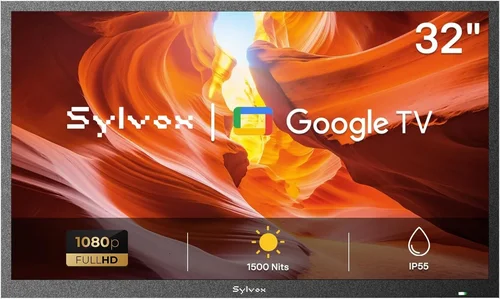
Expert Tips for Getting the Best Deal
- Shop off-season: Buy between November and February for discounts up to 30%. Retailers clear outdoor inventory before spring.
- Bundle with accessories: Some sellers offer free outdoor mounts or cables with TV purchase. Compare total package value, not just TV price.
- Check refurbished programs: Certified refurbished outdoor TVs from manufacturers often come with full warranties at 20–40% off.
- Use price tracking tools: Set alerts on CamelCamelCamel (for Amazon) or Honey to catch sudden drops.
- Negotiate with local retailers: Small electronics stores may match online prices or throw in free delivery.
- Verify return policies: Ensure you can return the TV if it doesn’t perform as expected outdoors—some warranties void if installed improperly.
- Test before permanent mounting: Run the TV for a week on a temporary stand to check for defects, Wi-Fi range, and audio quality.
- Consider energy efficiency: Look for ENERGY STAR ratings—outdoor TVs run longer hours and can spike electricity bills.

Frequently Asked Questions
Q: Can I use a regular TV outside if it’s under a roof?
A: Only if it’s in a fully enclosed, climate-controlled space like a sunroom. For any exposure to humidity, rain splash, or temperature extremes, you need either a certified outdoor TV or a proper weatherproof enclosure. Even “covered” patios can trap moisture and cause internal corrosion.
Q: Do budget outdoor TVs support 4K and HDR?
A: Yes! Many sub-$600 models now offer 4K resolution and HDR10. However, verify that HDR is supported natively—not just upscaling—and that brightness is sufficient to take advantage of it outdoors.
Q: How do I protect my outdoor TV from theft?
A: Use security cables, tamper-proof mounts, or install the TV in a locked cabinet. Some models include Kensington lock slots. For high-theft areas, consider removable setups or motion-sensor alarms.
Q: Will my outdoor TV work in winter?
A: Most certified outdoor TVs operate from -22°F to 122°F. Avoid turning on a cold TV immediately—let it acclimate for 1–2 hours to prevent condensation. Never use heaters or hair dryers to speed up warming.
Q: Can I connect multiple devices (game console, soundbar, streaming stick)?
A: Absolutely. Ensure the TV has at least 2–3 HDMI ports and USB power for sticks. Use HDMI switchers if needed, but avoid daisy-chaining too many devices to prevent signal loss.
Q: Do I need a special outdoor antenna for over-the-air channels?
A: Standard indoor antennas won’t cut it. Invest in an outdoor-rated UHF/VHF antenna mounted high on your roof or wall for best reception. Amplified models help in rural areas.
Q: How often should I clean my outdoor TV?
A: Wipe the screen and casing monthly with a microfiber cloth and mild cleaner. Avoid ammonia-based products. Check vents and ports for dust buildup quarterly.
Q: Are there solar-powered outdoor TV options?
A: Not yet for full-size TVs, but portable projectors powered by solar generators are emerging. For now, hardwiring or long extension cords are the norm.
Q: What’s the difference between partial sun and full sun ratings?
A: Partial sun TVs are for shaded or covered areas with indirect light. Full sun models have higher brightness (1,500+ nits), better cooling, and enhanced UV protection—but cost significantly more. Most budget options are partial sun only.
Q: Can I control my outdoor TV with my phone?
A: If the TV supports Wi-Fi and has a compatible app (like Roku or Android TV), yes. Ensure your home network reaches the patio—consider a Wi-Fi extender if needed.
Our Final Recommendations
Best for Budget-Conscious Buyers: TCL 50S5400FX – A 50-inch 4K Roku TV bundled with a weatherproof enclosure kit for under $500. Delivers 800 nits brightness, solid color accuracy, and reliable performance on covered patios.
Best Overall Value: Hisense 55U6HF Outdoor Edition – Certified IP55 rating, 1,000 nits brightness, Dolby Vision HDR, and built-in Alexa. Priced around $650, it’s durable, bright, and feature-rich without premium pricing.
Best Premium Option: SkyVue SV55B – Commercial-grade aluminum chassis, 1,200 nits, 3-year warranty, and fanless cooling. Ideal for uncovered decks or coastal homes. Around $950.
Best for Beginners: Insignia F30 with Outdoor Enclosure – Simple setup, intuitive Fire TV interface, and affordable at $350 total. Great for first-time outdoor TV owners.
Best for Advanced Users: Seura Slim Outdoor TV (Budget Line) – Modular design, customizable bezels, and professional-grade components. Supports custom integrations and smart home systems. Starts at $850.
Conclusion: Making the Right Choice
Choosing the right budget outdoor TV for your large patio doesn’t have to be overwhelming—or expensive. By focusing on core needs like brightness, durability, and proper weather protection, you can find a model that delivers excellent performance without overspending. Remember: the cheapest option isn’t always the best value. Invest in a unit that matches your climate, usage frequency, and viewing habits. Prioritize certified outdoor ratings, sufficient brightness, and reliable customer support. And don’t forget the accessories—good audio and secure mounting are just as important as the TV itself.
Take your time, read real user reviews, and shop strategically during off-peak seasons. With the insights from this guide, you’re equipped to make a confident, informed decision that will bring years of enjoyment to your outdoor space. Whether you’re watching fireworks on the Fourth of July or catching up on your favorite series under string lights, your perfect outdoor TV is within reach—without blowing your budget. Now go enjoy that fresh air and crystal-clear picture!

