Protect your outdoor TV setup from wind and weather by safely hiding and securing cables. This guide covers weatherproof routing, secure fastening, and smart concealment techniques to keep your backyard entertainment area clean and safe.
Key Takeaways
- Use weatherproof conduits: Protect cables from moisture, UV rays, and wind damage with UV-resistant PVC or metal conduits.
- Anchor cables securely: Prevent wind from loosening wires by using heavy-duty clips, zip ties, and ground stakes.
- Route cables underground when possible: Burying cables in conduit keeps them hidden and safe from surface-level wind and debris.
- Choose the right cable type: Use outdoor-rated, direct burial cables designed to withstand harsh conditions.
- Elevate and shield exposed runs: Keep cables off the ground and use cable covers or raceways for added protection.
- Regularly inspect and maintain: Check for wear, fraying, or loosening after storms or high winds.
- Plan your layout before installing: A thoughtful design reduces cable length and exposure, improving safety and aesthetics.
How to Hide Cables Backyard TV for Windy Areas
Setting up a backyard TV is one of the best ways to enjoy movies, sports, and shows under the stars. But if you live in a windy area, you know how quickly a great outdoor setup can turn into a tangled, unsafe mess. Wind can whip cables loose, expose wiring, and even damage your TV or audio equipment. That’s why hiding and securing your cables isn’t just about looks—it’s about safety, durability, and peace of mind.
In this guide, you’ll learn how to hide cables for your backyard TV in windy areas using smart, weatherproof strategies. We’ll walk you through choosing the right materials, planning your cable route, installing protective conduits, and securing everything so it stays put—even during strong gusts. Whether you’re mounting your TV on a wall, pergola, or freestanding pole, these steps will help you create a clean, professional-looking setup that stands up to the elements.
By the end of this guide, you’ll have a cable management system that’s hidden, secure, and built to last. No more tripping hazards, no more exposed wires flapping in the wind—just a sleek, functional outdoor entertainment space you can enjoy year-round.
Why Cable Management Matters in Windy Areas
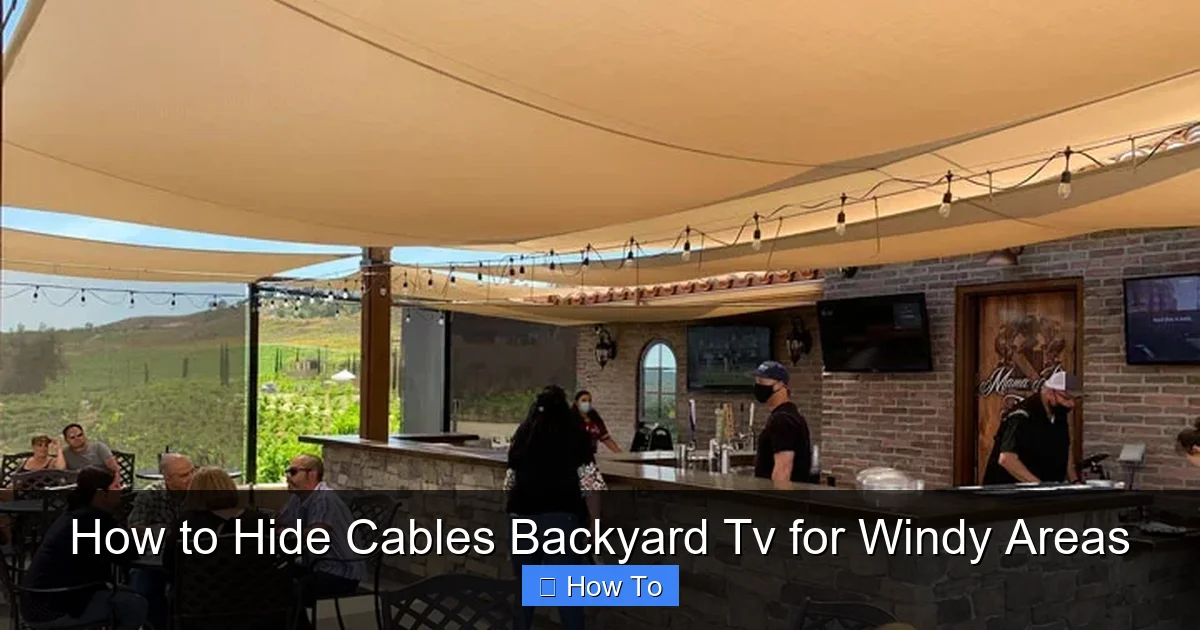
Visual guide about How to Hide Cables Backyard Tv for Windy Areas
Image source: daveburroughs.com
Wind might seem harmless, but it can cause serious problems for outdoor electronics. Loose cables can snag on furniture, get caught in patio doors, or become tripping hazards. More importantly, wind can pull cables out of ports, damage connectors, or even rip wiring from walls or mounts. Over time, repeated stress from wind can weaken connections and shorten the life of your equipment.
In windy climates, proper cable management is essential. It’s not just about hiding wires—it’s about protecting your investment. A well-secured cable system reduces the risk of electrical shorts, signal loss, and equipment failure. It also keeps your backyard looking neat and organized, so you can focus on enjoying your movie night instead of worrying about tangled cords.
Additionally, exposed cables are vulnerable to weather damage. Rain, snow, and UV rays can degrade standard indoor cables over time. Wind-driven debris like leaves, dirt, and small branches can also accumulate around loose wires, creating fire hazards or attracting pests. By hiding and protecting your cables, you’re extending their lifespan and ensuring your setup remains safe and functional.
Step 1: Plan Your Cable Route
Before you run a single wire, take time to plan your cable route. A well-thought-out plan saves time, reduces material waste, and ensures your cables are as protected as possible.
Assess Your Setup
Start by identifying where your TV, sound system, power source, and any other devices (like streaming boxes or game consoles) will be located. Measure the distances between each component. This helps you determine how much cable you’ll need and where potential problem areas might be.
For example, if your TV is mounted on a wall 15 feet from your outdoor outlet, you’ll need at least that much power cable—plus extra for routing and securing. If you’re using a soundbar or speakers, factor in their placement too.
Choose the Shortest, Safest Path
The goal is to minimize cable length and exposure. The shorter the cable run, the less chance wind has to catch it. Avoid running cables across open areas where they’re most vulnerable. Instead, look for natural barriers like walls, fences, or pergolas that can shield your wires.
If possible, route cables along the edge of your patio or under decking. These areas offer some protection from wind and are easier to conceal. Avoid running cables through high-traffic zones where people might trip or accidentally pull on them.
Consider Wind Direction
Pay attention to the prevailing wind direction in your area. If strong winds typically come from the west, for instance, avoid running cables along the west side of your house or patio where they’ll take the full force of the gusts.
Use natural windbreaks like trees, hedges, or outdoor structures to your advantage. These can help deflect wind and reduce the stress on your cables.
Sketch a Layout
Draw a simple diagram of your backyard, marking the TV location, power source, and all devices. Use arrows to show cable paths. This visual guide will help you stay organized during installation and make it easier to troubleshoot later.
Include notes on where you’ll use conduits, clips, or underground routing. Planning ahead prevents costly mistakes and ensures a smoother installation process.
Step 2: Choose the Right Cables and Materials
Not all cables are created equal—especially when it comes to outdoor use. Using the wrong type of cable can lead to signal loss, electrical hazards, or premature failure.
Use Outdoor-Rated Cables
Always choose cables specifically designed for outdoor use. Look for labels like “direct burial,” “UV-resistant,” or “weatherproof.” These cables have thicker insulation and protective jackets that resist moisture, sunlight, and temperature changes.
For power cables, use outdoor extension cords or permanent wiring rated for exterior use. Avoid using indoor extension cords, even temporarily—they’re not built to handle the elements and can become brittle or unsafe over time.
For HDMI, audio, and data cables, opt for outdoor-rated versions with reinforced shielding. These are less likely to interfere with signals and can withstand exposure to wind and weather.
Select the Right Conduit
Conduits are protective tubes that house your cables and shield them from damage. For windy areas, choose durable, weatherproof options.
– PVC Conduit: Lightweight, affordable, and resistant to corrosion. Use UV-stabilized PVC for above-ground runs to prevent cracking from sun exposure.
– Metal Conduit: More durable and better at blocking interference. Ideal for high-wind areas or runs near trees where falling branches could be a concern.
– Flexible Conduit: Great for tight spaces or curved paths. Choose liquid-tight flexible conduit (LFMC) for added moisture protection.
Make sure the conduit is large enough to hold all your cables with room to spare. Overcrowding can make installation difficult and reduce airflow, which may lead to overheating.
Get the Right Fasteners
Wind can loosen even the best-planned cable runs. Use heavy-duty fasteners to keep everything secure.
– Cable Clips and Clamps: Use stainless steel or UV-resistant plastic clips to attach cables to walls, fences, or posts. Space them every 12 to 18 inches for maximum hold.
– Zip Ties: Choose outdoor-rated, UV-resistant zip ties. Avoid cheap plastic ones—they can become brittle and snap in the sun.
– Ground Stakes: For cables running along the ground, use stakes to anchor the conduit or cable cover. Look for stakes with wide bases for better grip in loose soil.
Step 3: Install Conduits and Protective Covers
Once you’ve planned your route and gathered your materials, it’s time to install the protective systems that will keep your cables safe.
Above-Ground Conduit Installation
If you’re running cables along a wall or fence, install a conduit to house them.
1. Measure and cut the conduit to fit your route. Use a hacksaw or PVC cutter for clean edges.
2. Attach the conduit to the surface using conduit straps or clips. Space them every 12 to 18 inches.
3. Feed your cables through the conduit before securing it completely. This prevents pinching or damaging the wires.
4. Seal the ends with waterproof conduit caps or silicone sealant to keep out moisture and pests.
For added wind resistance, choose a conduit with a smooth, aerodynamic shape. Avoid sharp bends or kinks that can weaken the structure.
Underground Cable Routing
Burying cables is one of the best ways to hide them and protect them from wind. This method is ideal for runs between your house and a freestanding TV pole or pergola.
1. Dig a trench 18 to 24 inches deep. This depth protects cables from frost, lawn equipment, and surface debris.
2. Lay a layer of sand or gravel at the bottom of the trench to cushion the conduit.
3. Place the conduit in the trench and feed your cables through it. Use a fish tape or pull string to guide the cables if needed.
4. Cover the conduit with more sand, then backfill the trench with soil. Tamp it down gently to prevent settling.
5. Mark the trench location with landscape stakes or a buried marker tape so you don’t accidentally dig it up later.
Use direct burial-rated cables or run standard cables through a watertight conduit. Never bury cables without protection—even if they’re labeled for outdoor use.
Use Cable Raceways and Covers
For shorter runs or areas where digging isn’t practical, use surface-mounted cable raceways. These are plastic or metal channels that snap over cables and attach to walls, floors, or decks.
Choose raceways with hinged or removable tops for easy access. Look for models with UV protection and weather seals. Paint them to match your wall or deck color for a seamless look.
For ground-level runs, use flat, low-profile cable covers. These reduce tripping hazards and protect cables from foot traffic and wind. Secure them with adhesive or screws, and use corner pieces to navigate turns.
Step 4: Secure Cables Against Wind
Even with conduits and covers, wind can still cause problems if cables aren’t properly anchored. Use a combination of fasteners and tension management to keep everything in place.
Use Multiple Attachment Points
Don’t rely on a single clip or tie to hold your entire cable run. Wind creates leverage, and a loose section can pull on the entire line.
Attach cables every 12 to 18 inches along straight runs. At corners or changes in direction, use extra clips to prevent bending stress. For long runs, consider using a cable tray or ladder rack for added support.
Create Slack Loops
Wind causes cables to expand and contract slightly. If your cables are pulled taut, this movement can strain connectors or pull them loose.
Leave a small loop (about 6 to 12 inches) at key points, such as near the TV or power source. This “service loop” absorbs movement and reduces stress on the connections.
Secure the loop with a zip tie or clip, but don’t pull it tight. The loop should hang loosely, not stretch.
Use Wind-Resistant Fasteners
In high-wind areas, standard plastic clips may not be enough. Upgrade to metal clips, stainless steel zip ties, or adhesive-backed mounts with strong hold.
For extra security, use a combination of methods. For example, attach a conduit to a wall with clips, then use zip ties inside the conduit to bundle cables together.
Anchor Ground-Level Cables
If you’re using a cable cover or running cables along the ground, anchor them with stakes or weights. Use heavy-duty garden stakes or sandbags to hold down the ends.
Avoid using lightweight materials like plastic stakes—they can pull out in strong winds. Instead, choose metal stakes or concrete anchors for a permanent hold.
Step 5: Test and Maintain Your Setup
Once your cables are hidden and secured, it’s time to test everything and set up a maintenance routine.
Test All Connections
Turn on your TV and connected devices. Check for clear picture, sound, and power. Make sure all cables are seated properly and there’s no signal loss.
If you notice flickering, static, or no signal, double-check your connections. Wind can sometimes jostle loose plugs, so it’s important to verify everything is secure.
Inspect After Windy Weather
After a storm or high-wind event, inspect your setup. Look for:
– Loose or damaged clips
– Exposed or frayed cables
– Conduit that’s shifted or cracked
– Water inside conduits or raceways
Address any issues immediately. A small problem can become a big one if left unchecked.
Schedule Regular Maintenance
Set a reminder to check your cables every 3 to 6 months. Clean dust and debris from raceways, tighten loose fasteners, and replace any worn components.
Trim back overgrown plants that could rub against cables or block airflow. Keep the area around your TV and power source clear to reduce fire risk.
Troubleshooting Common Issues
Even with the best planning, problems can arise. Here’s how to fix the most common issues in windy areas.
Cables Keep Coming Loose
If your cables are still getting pulled out or shifting, you may need stronger fasteners or more attachment points. Try switching to metal clips or adding extra zip ties. Also, check if your conduit is securely mounted—loose conduits can allow cables to move inside.
Water in the Conduit
Moisture can seep into conduits, especially after heavy rain. To fix this, drill small weep holes at the lowest points of the conduit to allow drainage. Use silicone sealant to reseal the ends, but leave the weep holes open.
Signal Interference
Wind can cause cables to vibrate, which may lead to signal noise. Use shielded cables and keep power and data lines separated. Avoid running HDMI cables parallel to power lines—cross them at 90 degrees if possible.
Tripping Hazards
If cables are still visible or creating tripping risks, consider rerouting them underground or using wider, flatter cable covers. Paint covers to match your deck or patio for a seamless look.
Conclusion
Hiding cables for your backyard TV in windy areas doesn’t have to be complicated—but it does require careful planning and the right materials. By choosing weatherproof cables, installing protective conduits, and securing everything with durable fasteners, you can create a safe, clean, and long-lasting outdoor entertainment setup.
Remember, the key is to anticipate wind and weather challenges before they become problems. Plan your route, use outdoor-rated materials, and inspect your system regularly. With these steps, you’ll enjoy movie nights, game days, and backyard gatherings without worrying about tangled or damaged cables.
Your backyard should be a place of relaxation and fun. Don’t let wind ruin the experience. Take the time to hide and protect your cables properly, and you’ll have a setup that’s not only beautiful but built to last.