Want a clean, safe backyard TV setup for summer parties without messy cables? This guide walks you through smart, affordable ways to hide and protect cords while keeping your outdoor space stylish and functional.
Key Takeaways
- Plan your layout first: Map out where your TV, speakers, and power sources will go to minimize cable length and exposure.
- Use weatherproof cable covers: Outdoor-rated raceways and conduits protect cords from rain, sun, and foot traffic.
- Bury cables safely (if possible): Shallow trenching with conduit is ideal for permanent setups but requires local code checks.
- Anchor cables under furniture or rugs: Use outdoor-rated tape or clips to secure cords under tables, benches, or outdoor rugs.
- Label and organize cords: Color-coded labels prevent confusion when troubleshooting or rearranging equipment.
- Prioritize safety: Always use GFCI outlets and avoid overloading circuits to prevent electrical hazards.
- Blend cables into decor: Camouflage cords with planters, string lights, or decorative covers for a seamless look.
How to Hide Cables Backyard TV for Summer Parties
Summer is here—and with it comes backyard barbecues, movie nights under the stars, and lively gatherings with friends and family. One of the best ways to elevate your outdoor entertainment is by setting up a backyard TV. But let’s be honest: nothing kills the vibe faster than a tangled mess of cables snaking across your patio or lawn. Not only are exposed cords an eyesore, but they’re also a tripping hazard and can get damaged by weather, pets, or foot traffic.
The good news? You don’t have to choose between a clean look and a functional setup. With a little planning and the right tools, you can hide your backyard TV cables safely and stylishly—so your summer parties stay fun, safe, and Instagram-worthy.
In this guide, we’ll walk you through step-by-step methods to conceal your cables, from simple DIY fixes to more permanent solutions. Whether you’re hosting a casual game night or a full-blown outdoor cinema experience, these tips will help you create a sleek, cable-free zone that enhances your outdoor space.
We’ll cover everything from planning your layout and choosing the right materials to weatherproofing, safety tips, and creative camouflage ideas. By the end, you’ll have a backyard TV setup that’s not only functional but also blends seamlessly into your outdoor decor.
Let’s get started!
Step 1: Plan Your Backyard TV Layout
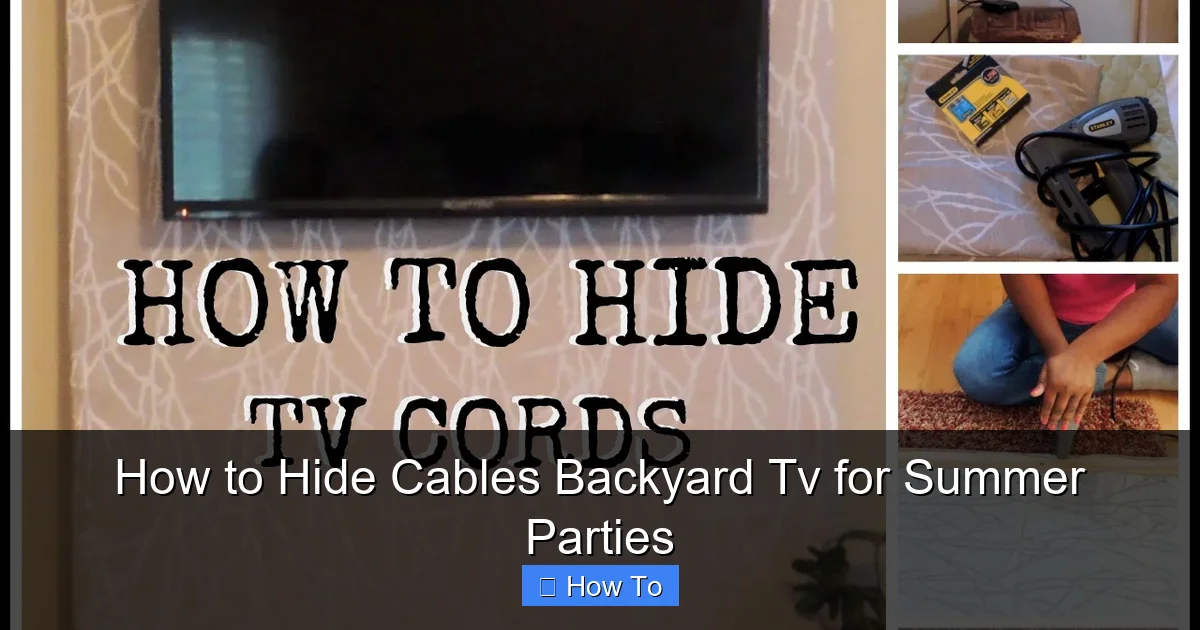
Visual guide about How to Hide Cables Backyard Tv for Summer Parties
Image source: ahselanne.com
Before you run a single cable, take time to map out your setup. A well-thought-out plan saves time, reduces cable clutter, and helps you avoid common pitfalls.
Identify Key Components
Start by listing all the equipment you’ll need:
– Outdoor TV (or weatherproof enclosure for an indoor TV)
– Streaming device (e.g., Roku, Apple TV, Fire Stick)
– Sound system (soundbar, wireless speakers, or wired outdoor speakers)
– Power source (outlet location and extension needs)
– HDMI, power, and audio cables
Choose the Best TV Location
Pick a spot that’s:
– Protected from direct sunlight and rain (use a covered patio, pergola, or awning)
– Visible from seating areas
– Close enough to your power source to minimize long cable runs
Pro tip: Mount your TV on a wall or stand that allows for easy access to ports. This makes connecting and troubleshooting devices much simpler.
Map Cable Routes
Trace the shortest, safest path from each device to the power source and TV. Avoid high-traffic areas like walkways or steps. If possible, route cables along walls, under furniture, or behind planters.
Use painter’s tape to mark cable paths on the ground. This helps you visualize the setup and adjust before making any permanent changes.
Measure Cable Lengths
Buy cables that are just long enough—not too short (which causes strain) or too long (which creates excess clutter). Add 6–12 inches of slack for flexibility.
Step 2: Choose the Right Cable Management Tools
Not all cable covers are created equal—especially for outdoor use. You need products designed to withstand sun, rain, and temperature changes.
Outdoor Cable Raceways
These are plastic or metal channels that snap over cables and attach to walls, fences, or decks. Look for:
– UV-resistant materials
– Waterproof seals
– Easy-to-cut lengths
Popular brands include D-Line and Legrand. Install them along the edge of a deck or up a wall to the TV mount.
Flexible Conduit
For buried or semi-buried runs, use flexible PVC or metal conduit. It protects cables from moisture, rodents, and physical damage. Choose conduit rated for direct burial if you plan to go underground.
Cable Clips and Ties
Use outdoor-rated adhesive clips or zip ties to secure loose cords under tables, along railings, or beneath outdoor rugs. Avoid indoor-only products—they’ll degrade in sunlight.
Weatherproof Extension Cords and Power Strips
Standard indoor cords won’t last outdoors. Invest in:
– Heavy-duty, outdoor-rated extension cords (look for “SJTW” or “SJTOW” ratings)
– GFCI (Ground Fault Circuit Interrupter) power strips for safety
– Surge protectors to guard against power spikes
Step 3: Run and Conceal Cables Along Walls and Structures
One of the easiest and most effective ways to hide cables is to route them along existing structures.
Attach Cables to Walls or Fences
Use outdoor cable raceways or adhesive clips to run cords vertically or horizontally along walls, fences, or deck posts. Paint the raceway to match your wall color for a nearly invisible look.
Use Existing Decor to Your Advantage
Route cables behind:
– Outdoor curtains or privacy screens
– Trellises with climbing plants
– Decorative panels or lattice work
These not only hide cables but also add charm to your space.
Go Vertical to the TV Mount
If your TV is wall-mounted, run cables up the wall inside a raceway or conduit. Drill a small hole near the mount (use a grommet to protect the cable) and feed the cords through. Seal the hole with outdoor caulk to prevent water intrusion.
Step 4: Hide Cables Under Furniture and Rugs
For a quick, temporary solution—especially during parties—use your outdoor furniture to your advantage.
Tuck Cords Under Outdoor Rugs
Lay a durable outdoor rug over cable runs on patios or decks. Use flat, low-profile cables or split them into smaller bundles to avoid creating bumps.
Pro tip: Choose a rug with a non-slip backing to prevent tripping. Avoid thick piles that can hide tripping hazards.
Route Cables Under Tables and Benches
Run power and HDMI cables beneath picnic tables, bar counters, or storage benches. Use adhesive clips or Velcro straps to keep them secure and out of sight.
Use Furniture with Built-In Storage
Some outdoor benches and ottomans have hidden compartments. Store small devices like streaming sticks or power strips inside to reduce visible clutter.
Step 5: Bury Cables (For Permanent Setups)
If you’re committed to a long-term backyard TV setup, burying cables is the most discreet option.
Check Local Codes First
Before digging, contact your local building department. Some areas require permits for electrical work or have rules about burial depth and conduit use.
Dig a Shallow Trench
Use a trenching shovel or edger to create a 6–12 inch deep trench along your planned route. Avoid areas with sprinkler lines or utility wires (call 811 before you dig).
Install Conduit and Run Cables
Place flexible PVC conduit in the trench. Feed your cables through using a fish tape or string. Leave extra length at both ends for connections.
Backfill the trench with soil and reseed or lay sod to restore the lawn.
Use a Junction Box for Access
Install a weatherproof junction box at the power source end. This allows you to disconnect and maintain cables without digging them up.
Step 6: Camouflage Cables with Decor
Sometimes, the best hiding spot is in plain sight.
Wrap Cables in Decorative Sleeves
Use braided cable sleeves or spiral wrap to bundle and color-match your cords. Choose earth tones like brown, green, or gray to blend with outdoor surroundings.
Integrate with String Lights
Weave cables alongside outdoor string lights. The lights draw attention upward, making cords less noticeable.
Use Planters and Garden Features
Route cables behind large potted plants, garden statues, or water features. Just ensure cords aren’t pinched or exposed to excessive moisture.
Create a “Cable Garden”
Get creative! Use hollow garden stakes, fake rocks, or decorative covers designed to look like stones or logs. These hide power strips and cable junctions while adding whimsy.
Step 7: Ensure Safety and Weatherproofing
Hiding cables is great—but not at the expense of safety.
Use GFCI Outlets
Always plug outdoor electronics into a GFCI outlet. These shut off power instantly if they detect a ground fault, preventing shocks.
If your outlet isn’t GFCI-protected, install a GFCI outlet or use a portable GFCI adapter.
Avoid Overloading Circuits
Don’t plug too many devices into one outlet. Check the wattage of your TV, speakers, and lights. If needed, use a dedicated circuit or spread devices across multiple outlets.
Protect Connections from Moisture
Use waterproof electrical boxes or silicone sealant around outdoor connections. For HDMI and audio cables, consider using weatherproof cable glands or rubber grommets.
Unplug When Not in Use
During storms or extended periods of non-use, unplug devices to prevent damage from power surges or lightning.
Troubleshooting Common Cable Issues
Even with the best planning, problems can arise. Here’s how to fix common issues:
Cables Keep Coming Loose
If clips or raceways won’t stay in place, clean the surface with rubbing alcohol before reapplying. Use screws instead of adhesive for heavy-duty mounts.
Signal Loss or Interference
Long HDMI runs can weaken signals. Use an HDMI extender or active cable with built-in amplification. Avoid running power and data cables parallel—cross them at 90 degrees if possible.
Water in Conduit
If moisture builds up in buried conduit, install a drain valve at the low point or use moisture-absorbing packets. Ensure all connections are sealed.
Tripping Hazards Persist
Reassess your layout. Move high-traffic routes or add bright tape to highlight remaining cords. Consider a wireless audio solution to reduce cable count.
Bonus Tips for a Party-Ready Setup
Label Everything
Use colored tape or labels to mark each cable (e.g., “TV Power,” “Soundbar HDMI”). This makes troubleshooting fast during a party.
Create a “Tech Station”
Designate a small, covered area near the power source for your streaming device, power strip, and remotes. Use a weatherproof bin or cabinet to keep it tidy.
Go Wireless Where Possible
Use Bluetooth speakers or wireless HDMI transmitters to reduce cable clutter. Just ensure strong signal strength in your backyard.
Test Before the Party
Do a full run-through a day before your event. Check picture quality, sound, and all connections. Have spare cables and a power bank on hand.
Conclusion
Hiding cables for your backyard TV doesn’t have to be complicated or expensive. With a little planning and the right tools, you can create a clean, safe, and stylish outdoor entertainment space that’s perfect for summer parties.
Start by mapping your layout, choose weatherproof cable management solutions, and use your outdoor decor to your advantage. Whether you go with adhesive raceways, buried conduit, or clever camouflage, the goal is the same: a seamless setup that lets you focus on fun, not frayed cords.
Remember, safety comes first—always use outdoor-rated materials, GFCI protection, and proper sealing. And don’t forget to test everything before your guests arrive.
Now, kick back, press play, and enjoy your movie night under the stars—cable-free and stress-free.
Your backyard is ready for summer.