
Outdoor living spaces have evolved dramatically over the past decade, transforming from simple patios and decks into fully functional extensions of the home. One of the most exciting additions to modern outdoor entertainment is the outdoor TV—specifically, the deck TV designed to withstand the elements while delivering crisp visuals and reliable performance. But for homeowners in windy regions, owning a deck TV comes with unique challenges that go beyond just picking a weather-resistant model. Wind doesn’t just blow leaves and dust onto your screen—it can carry salt, sand, pollen, and debris that degrade both the display and the mounting system over time. Without proper cleaning and maintenance, even the most rugged outdoor TVs can suffer from reduced image quality, overheating due to blocked vents, or even structural damage from corroded mounts.
This comprehensive buying guide is designed to help you navigate the often-overlooked but critical aspect of maintaining a deck TV in windy environments: cleaning. While many buyers focus solely on durability ratings and screen brightness, few consider how environmental factors like constant wind exposure impact long-term usability. A clean TV isn’t just about aesthetics—it’s about performance, longevity, and safety. Dust buildup can interfere with heat dissipation, leading to overheating and premature component failure. Salt spray from coastal winds can corrode electrical connections. And abrasive particles like sand can scratch anti-reflective coatings, reducing visibility in daylight. This guide will walk you through everything you need to know—from selecting the right TV for windy conditions to establishing a smart cleaning routine that protects your investment.
The market for outdoor TVs has grown significantly, with brands like SunBriteTV, Samsung, LG, and Seura leading the charge in all-weather displays. However, not all outdoor TVs are created equal, especially when it comes to wind resilience and ease of maintenance. Some models are built with sealed enclosures and passive cooling, while others rely on active ventilation that can trap airborne debris. Mounting solutions vary widely too—from fixed brackets to full-motion articulating arms—each with different cleaning access requirements. By the end of this guide, you’ll understand how to evaluate TVs not just for picture quality and weather resistance, but for how well they hold up under the constant assault of wind-driven contaminants. You’ll also learn practical cleaning techniques, recommended tools, and maintenance schedules tailored specifically for high-wind zones.

What to Look for When Buying Buying Guide
1. Weather Resistance Rating (IP Rating)
When shopping for a deck TV in a windy area, the first and most critical specification to check is the Ingress Protection (IP) rating. This two-digit code indicates how well the TV resists dust and water. For outdoor use in windy environments, look for a minimum rating of IP55, but ideally IP65 or higher. The first digit (5 or 6) refers to dust protection—6 means the TV is completely dust-tight, which is essential in areas where wind constantly kicks up fine particles. The second digit (5 or 6) refers to water resistance; 5 protects against low-pressure water jets, while 6 handles powerful water jets, making it better suited for coastal or storm-prone regions. A TV with an IP66 rating, for example, can withstand heavy rain and wind-driven spray without internal damage.
Why does this matter for cleaning? A higher IP rating often means the TV has a fully sealed chassis with no exposed vents or gaps where dust and moisture can accumulate. This reduces the frequency of deep cleaning and minimizes the risk of internal corrosion. However, even sealed models can accumulate grime on the screen and housing, so cleaning is still necessary—just less invasive. Always verify the IP rating with the manufacturer, as some brands may claim “weather-resistant” without providing certified ratings.
2. Screen Coating and Anti-Reflective Technology
The screen is the most vulnerable part of any outdoor TV, especially in windy areas where airborne debris can scratch or cloud the surface. Look for models with anti-reflective (AR) coatings and tempered glass protection. AR coatings reduce glare from the sun, improving visibility during daytime viewing, but they can also be sensitive to abrasive cleaning methods. Tempered glass, often found on premium outdoor TVs, adds a layer of physical protection against impacts from blown objects like branches or pebbles.
In windy coastal regions, salt particles can bond to the screen and degrade coatings over time. Therefore, choosing a TV with a hydrophobic (water-repelling) or oleophobic (oil-repelling) coating can help prevent residue buildup from salt spray and fingerprints. Some high-end models even feature self-cleaning nano-coatings that repel dust and water, reducing the need for frequent wiping. When evaluating screen quality, consider not just brightness (measured in nits), but also how the surface will respond to regular cleaning with safe, non-abrasive materials.
3. Mounting System and Accessibility
The mounting solution you choose directly impacts how easily you can clean your deck TV. In windy areas, a poorly mounted TV can vibrate or shift, increasing wear on both the mount and the TV’s housing. Look for heavy-duty, corrosion-resistant mounts made from powder-coated aluminum or stainless steel. These materials resist rust and maintain structural integrity even when exposed to salty or humid air.
More importantly, consider the mount’s design. Full-motion or tiltable mounts allow you to angle the TV away from direct wind exposure and make it easier to access the back and sides for cleaning. Fixed mounts, while more stable, can trap dust and moisture behind the TV, creating a hidden buildup zone. If you opt for a fixed mount, ensure there’s at least 2–3 inches of clearance between the TV and the wall or post to allow airflow and cleaning access. Some advanced mounts include quick-release mechanisms, enabling you to temporarily remove the TV for thorough cleaning—ideal for seasonal maintenance.
4. Cooling System and Ventilation Design
Outdoor TVs generate heat, and in windy areas, improper cooling can lead to overheating and component failure. Most outdoor models use passive cooling (heat sinks and sealed designs), while others incorporate quiet fans for active ventilation. Passive systems are generally better for windy environments because they lack intake vents that can suck in dust, pollen, and salt. However, they rely heavily on external airflow to dissipate heat, which means the TV must be installed in a location with adequate natural ventilation.
If you choose a fan-cooled model, ensure the intake and exhaust vents are protected by fine mesh filters. These filters prevent large particles from entering but will require regular cleaning—especially in high-wind zones where debris accumulates quickly. Some manufacturers offer replaceable or washable filters, which simplify maintenance. Avoid models with poorly designed vent placements, such as those facing directly into prevailing winds, as this can force contaminants into the internal components.
5. Build Materials and Corrosion Resistance
The materials used in the TV’s housing and internal components play a major role in long-term durability. In windy coastal or industrial areas, airborne salt, humidity, and pollution can accelerate corrosion. Look for TVs with aluminum or magnesium alloy chassis, which are lightweight yet highly resistant to rust. Avoid plastic housings unless they are specifically engineered for outdoor use with UV stabilizers and anti-corrosion additives.
Pay attention to screws, brackets, and connectors—these small components are often the first to fail in harsh conditions. Stainless steel hardware is a must. Some premium models use conformal coating on internal circuit boards, a protective layer that shields electronics from moisture and contaminants. This is especially valuable in regions with high wind-driven spray or frequent temperature fluctuations that cause condensation.
6. Ease of Cleaning and Maintenance Features
Not all outdoor TVs are designed with cleaning in mind. Some have textured surfaces, recessed buttons, or complex bezels that trap dirt and make wiping difficult. When evaluating a model, consider how easy it will be to clean the screen, vents, and housing with standard tools. Smooth, flat surfaces are ideal for quick wipe-downs, while rounded edges reduce dust accumulation.
Look for models with tool-less access panels or removable back covers, which allow you to inspect and clean internal components like filters or heat sinks. Some manufacturers include cleaning kits with purchase, featuring microfiber cloths, gentle cleaning solutions, and dust brushes. While not essential, these extras indicate a brand’s commitment to long-term usability. Additionally, check if the TV has a removable front bezel—some high-end models allow you to detach the screen frame for deep cleaning without risking damage to the display.
7. Warranty and Support for Outdoor Use
A strong warranty is a sign of confidence in a product’s durability, especially for outdoor electronics. Most reputable outdoor TV brands offer warranties ranging from 2 to 5 years, but the terms matter. Ensure the warranty explicitly covers outdoor use and includes protection against environmental damage like corrosion, moisture ingress, and UV degradation. Some manufacturers void warranties if the TV is installed in coastal areas beyond a certain distance from the shore—always read the fine print.
Customer support is equally important. If your TV develops issues related to wind exposure—such as fogging from trapped moisture or fan failure due to dust clogging—you’ll want responsive service. Brands with dedicated outdoor support teams and local service centers can save you time and money. Check online reviews for experiences with warranty claims and repair turnaround times. A TV that’s easy to clean and maintain is only valuable if the manufacturer stands behind it when problems arise.
8. Local Climate and Wind Patterns
Finally, consider your specific geographic and climatic conditions. Windy areas vary widely—coastal zones face salt spray and high humidity, while desert regions deal with sand and extreme temperature swings. Mountainous areas may experience sudden gusts and snow accumulation. Your cleaning routine and TV selection should reflect these factors.
For example, if you live near the ocean, prioritize corrosion-resistant materials and hydrophobic screen coatings. In desert climates, focus on dust-proof sealing and easy-to-clean surfaces. Use local weather data to understand prevailing wind directions and speeds—this can help you position the TV to minimize exposure. Some homeowners install windbreaks or pergolas to reduce direct wind impact, which also simplifies cleaning. Tailoring your purchase and maintenance plan to your environment ensures your deck TV remains functional and visually clear for years.
Different Types of Buying Guide
Common Buying Mistakes to Avoid
❌ Mistake: Choosing an Indoor TV for Outdoor Use
Why it’s bad: Indoor TVs lack weatherproofing, UV protection, and proper cooling for outdoor environments. In windy areas, they’re especially vulnerable to moisture ingress, dust accumulation, and screen glare. Even if installed under a covered deck, wind-driven rain and salt spray can damage internal components within months.
What to do instead: Always select a TV specifically designed for outdoor use. Look for certified weather resistance (IP55 or higher) and outdoor brightness (at least 700 nits). If budget is a concern, consider a convertible model for fully covered areas, but never use a standard living room TV outdoors.
❌ Mistake: Ignoring Mounting Stability
Why it’s bad: A wobbly or poorly secured mount can amplify wind vibrations, leading to loosened screws, cracked housings, or even TV detachment. In high-wind zones, this poses a serious safety risk and can void your warranty.
What to do instead: Invest in a heavy-duty, wind-rated mount with reinforced brackets and anti-vibration features. Ensure it’s installed into structural studs or concrete, not just siding or drywall. Consider adding a safety tether as a backup.
❌ Mistake: Overlooking Cleaning Access
Why it’s bad: If you can’t easily reach the screen, vents, or back of the TV, dirt and debris will accumulate unnoticed. This leads to overheating, reduced image quality, and premature wear.
What to do instead: Choose a mount that allows tilt or swivel, and ensure at least 2–3 inches of clearance behind the TV. Test access before final installation—can you wipe the screen without straining? Can you remove filters or panels if needed?
❌ Mistake: Using Harsh Cleaning Products
Why it’s bad: Ammonia-based cleaners, paper towels, or abrasive cloths can strip anti-reflective coatings, scratch tempered glass, and degrade plastic housings. This is especially damaging in windy areas where the screen is already under constant assault from particles.
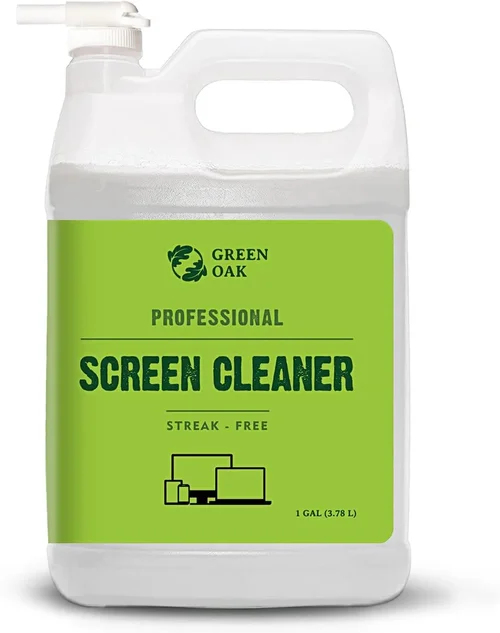
What to do instead: Use only manufacturer-recommended cleaners or a solution of distilled water and mild dish soap. Always use microfiber cloths and gentle, circular motions. Avoid spraying liquid directly on the screen—apply to the cloth first.
❌ Mistake: Neglecting Seasonal Maintenance
Why it’s bad: Wind patterns change with the seasons—spring brings pollen, summer brings dust, fall brings leaves, and winter brings salt and moisture. Without a regular cleaning schedule, buildup occurs gradually but significantly.
What to do instead: Create a maintenance calendar: weekly screen wipes, monthly vent and filter checks, and bi-annual deep cleans. After storms or high-wind events, inspect for damage or debris accumulation.
❌ Mistake: Assuming All Outdoor TVs Are Equal
Why it’s bad: Not all “outdoor” TVs are built for extreme conditions. Some are only suitable for covered patios with minimal exposure. Using a light-duty model in a high-wind coastal area will lead to rapid deterioration.
What to do instead: Match the TV’s specifications to your environment. Check IP ratings, cooling systems, and material quality. Read real-user reviews from people in similar climates.
Budget Guidelines: How Much Should You Spend?
- Entry-Level ($800 – $1,500): These are typically convertible indoor/outdoor TVs or basic sealed models. Best for covered decks in low-wind areas. Expect lower brightness (500–700 nits), limited weather resistance (IP54), and plastic housings. Cleaning is easier due to simpler designs, but durability may be compromised in harsh winds.
- Mid-Range ($1,500 – $3,000): The sweet spot for most homeowners in windy regions. These TVs offer IP55 or IP65 ratings, tempered glass screens, and aluminum chassis. They often include passive cooling and anti-reflective coatings. Cleaning is straightforward, and maintenance needs are manageable with basic tools.
- Premium ($3,000 – $5,000): Designed for extreme conditions, these models feature IP66 ratings, commercial-grade components, and advanced coatings. Ideal for coastal, desert, or mountain environments with high wind exposure. Include features like washable filters, tool-less access, and corrosion-resistant hardware. Cleaning is efficient and safe with included kits.
- Luxury ($5,000+): Top-tier outdoor displays used in luxury homes, hotels, or public spaces. Built for 24/7 operation with reinforced mounts, self-cleaning surfaces, and remote monitoring. Often customizable for specific wind and weather challenges. Cleaning is minimal due to advanced protective technologies.
Expert Tips for Getting the Best Deal
- Buy During Off-Season: Outdoor TVs are in highest demand in spring and summer. Shop in late fall or winter for discounts of 15–30%. Many retailers clear inventory before the new year.
- Check Manufacturer Refurbished Programs: Brands like SunBriteTV offer certified refurbished models with full warranties at 20–40% off. These are often returned units that have been fully tested and cleaned.
- Bundle with Accessories: Some retailers offer discounts when you buy a TV, mount, and cleaning kit together. This can save $100 or more compared to purchasing separately.
- Read Local Reviews: Search for user experiences in your specific region. A TV that works well in Florida may not hold up in Montana’s windy plains. Forums and Facebook groups are great resources.
- Test Before You Buy: If possible, visit a showroom or dealer to see the TV in person. Check screen clarity in bright light, ease of access to ports, and build quality.
- Negotiate Installation: Many sellers offer free or discounted installation with purchase. Even if you plan to DIY, asking can sometimes get you a better deal.
- Warranty Extensions: Consider purchasing an extended warranty that covers environmental damage. This is especially valuable in high-wind, high-salt, or high-pollen areas.
- Monitor Price Drops: Use tools like Honey or CamelCamelCamel to track price history and get alerts when your desired model goes on sale.

Frequently Asked Questions
Q: How often should I clean my deck TV in a windy area?
A: In high-wind zones, clean the screen weekly with a microfiber cloth. Check vents and filters monthly, and perform a deep clean every 3–6 months. After storms or high-wind events, inspect for debris buildup.
Q: Can I use Windex or glass cleaner on my outdoor TV?
A: No. Most outdoor TVs have special coatings that can be damaged by ammonia or alcohol-based cleaners. Use only distilled water with a drop of mild soap, or a cleaner specifically approved by the manufacturer.
Q: Will wind damage my outdoor TV over time?
A: Not if it’s properly installed and maintained. Wind itself doesn’t damage the TV, but the debris it carries can. Regular cleaning and a sturdy mount prevent most issues.
Q: Do I need a cover for my deck TV?
A: Not if it’s a true outdoor model with a high IP rating. Covers can trap moisture and reduce airflow, leading to condensation. However, a removable cover can protect against heavy debris during storms.
Q: Can I clean the TV while it’s on?
A: No. Always power off and unplug the TV before cleaning. This prevents electrical hazards and allows you to see smudges and dust more clearly.
Q: What’s the best way to clean around the vents?
A: Use a soft-bristle brush or compressed air to remove dust from vents. For fan-cooled models, gently wipe filters with a damp cloth and let them dry completely before reinserting.
Q: How do I know if my TV is too dirty to clean safely?
A: If there’s thick grime, salt crust, or mold, start with a dry brush to remove loose debris, then use a damp microfiber cloth. Avoid scrubbing. If residue remains, consult the manufacturer—harsh methods can cause permanent damage.
Q: Can I pressure wash my outdoor TV?
A: Absolutely not. High-pressure water can force moisture into sealed areas, even on IP66 models. Use only gentle wiping methods.
Q: What should I do if my TV fogs up after cleaning?
A: Fogging indicates moisture trapped inside the screen. Power off the TV and let it sit in a dry, warm area for 24–48 hours. If it persists, contact support—this may indicate a seal failure.
Q: Are there automatic cleaning systems for outdoor TVs?
A: Some luxury models feature hydrophobic nano-coatings that repel water and dust, reducing cleaning frequency. True self-cleaning systems (like those on high-end solar panels) are not yet common for consumer TVs but may emerge in the future.
Our Final Recommendations
- Best for Budget-Conscious Buyers: SunBriteTV Veranda Series – Offers solid IP55 protection, 700-nit brightness, and easy cleaning access at a competitive price. Ideal for covered decks in moderate wind zones.
- Best Overall Value: Samsung The Terrace – Combines excellent picture quality, IP55 rating, and a sleek design. The anti-reflective screen and passive cooling make it low-maintenance in windy areas.
- Best Premium Option: SunBriteTV Pro Series – Built for extreme conditions with IP66 rating, tempered glass, and corrosion-resistant materials. Perfect for coastal or high-wind environments.
- Best for Beginners: Seura Outdoor TV – User-friendly design with tool-less access and included cleaning kit. Great for first-time outdoor TV owners.
- Best for Advanced Users: Peerless-AV Xtreme – Commercial-grade durability with customizable mounting and advanced filtration. Ideal for tech-savvy users in harsh climates.
Conclusion: Making the Right Choice
Choosing and maintaining a deck TV in a windy area isn’t just about buying a weather-resistant screen—it’s about understanding how environmental forces impact performance, safety, and longevity. From selecting the right IP rating and mounting system to establishing a consistent cleaning routine, every decision plays a role in ensuring your outdoor entertainment space remains functional and enjoyable year-round. Wind may be constant, but with the right TV and maintenance plan, its effects don’t have to be.
Prioritize your specific needs: Are you near the coast? Do you experience seasonal storms? How much time can you dedicate to upkeep? Answering these questions will guide you toward the best model and care strategy. Remember, a clean TV isn’t just about looks—it’s about protecting your investment and enjoying crystal-clear views no matter what the weather brings. Use this guide as your roadmap, and don’t hesitate to reach out to manufacturers or local installers for personalized advice. Your perfect outdoor viewing experience is within reach—just a few smart choices away.

