
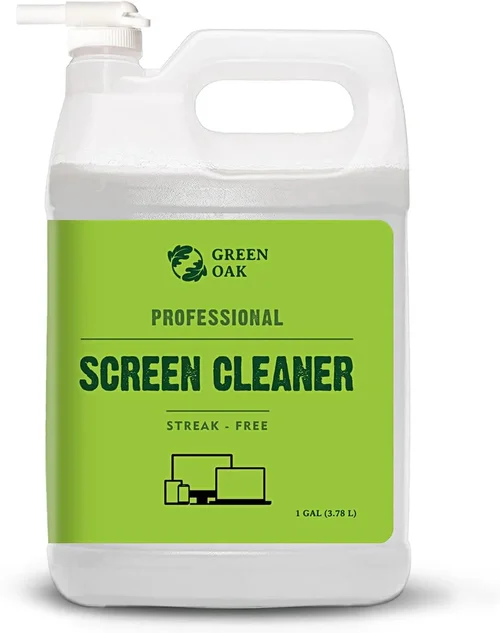
Cleaning your deck TV before summer parties isn’t just about aesthetics—it’s about performance, longevity, and creating the ultimate outdoor entertainment experience. Whether you’re hosting a backyard barbecue, watching the big game under the stars, or setting up a movie night for friends and family, a spotless, well-maintained outdoor TV ensures crystal-clear visuals and reliable operation when it matters most. Over time, outdoor TVs accumulate dust, pollen, bird droppings, moisture, and grime from cooking or poolside splashes. Left unchecked, these contaminants can degrade image quality, damage sensitive electronics, and even shorten the lifespan of your investment.
This comprehensive guide is designed to help you understand exactly how to clean and maintain your deck TV effectively and safely—so it’s always ready for summer fun. You’ll learn not only the step-by-step cleaning process but also how to choose the right cleaning tools, avoid common mistakes, and protect your TV from future buildup. We’ll cover everything from understanding your TV’s specific needs based on its type and location to expert tips on seasonal maintenance and budget-friendly solutions. Whether you’re a first-time outdoor TV owner or a seasoned host looking to up your game, this guide will equip you with practical, actionable knowledge.
The market for outdoor TVs has expanded significantly in recent years, with brands like Samsung, Sony, LG, and specialized outdoor manufacturers such as SunBriteTV and Seura leading the charge. These units are engineered to withstand extreme temperatures, humidity, rain, and UV exposure—but they still require regular care. Unlike indoor TVs, outdoor models face harsher environmental conditions that accelerate wear and tear. As summer approaches and usage spikes, now is the perfect time to give your deck TV the attention it deserves. With the right approach, you can ensure your TV delivers stunning picture quality, resists corrosion, and remains a centerpiece of your outdoor living space for years to come.

What to Look for When Buying Buying Guide
1. Budget & Price Range
Your budget plays a crucial role in determining not only which outdoor TV you can afford but also what kind of cleaning and maintenance routine will be sustainable long-term. Outdoor TVs typically range from $800 for basic weather-resistant models to over $5,000 for premium, fully sealed, commercial-grade units. While it might be tempting to go for the cheapest option, remember that lower-priced models may lack robust protective features like anti-glare coatings, sealed ports, or corrosion-resistant frames—all of which affect how easily they can be cleaned and how well they hold up over time.
When setting your budget, consider not just the initial purchase price but also ongoing costs: specialized cleaning kits, protective covers, mounting hardware, and potential repairs. A mid-range TV ($1,500–$3,000) often offers the best balance of durability, image quality, and ease of maintenance. If you plan to host frequent summer gatherings, investing in a higher-end model with built-in protection can save you money and hassle in the long run by reducing the need for frequent deep cleans or replacements.
2. Performance Specifications
Outdoor TVs must deliver excellent brightness and contrast to remain visible in daylight—especially on sunny decks. Look for models with at least 700 nits of brightness; premium outdoor TVs often exceed 1,500 nits. This high luminance helps combat glare from sunlight reflecting off the screen, but it also means the screen is more prone to showing smudges, fingerprints, and dust. Therefore, cleaning becomes even more critical for maintaining visual clarity.
Additionally, check the TV’s resolution (4K is standard for modern outdoor models), refresh rate, and HDR support. These specs influence not only viewing quality but also how noticeable dirt and streaks are. A 4K screen with poor cleanliness will look significantly worse than a lower-resolution indoor TV with a clean surface. Also, consider smart functionality—built-in apps like Netflix or YouTube allow you to stream content directly without extra devices, reducing cable clutter that can trap dust around the TV.
3. Build Quality & Duridity
Unlike indoor TVs, outdoor models are built to endure rain, snow, heat, cold, and humidity. However, not all “outdoor” TVs are created equal. True outdoor TVs feature fully sealed casings, rust-proof aluminum frames, and specialized ventilation systems that prevent moisture buildup without exposing internal components. These design elements directly impact how you clean the unit—for example, you can safely wipe down a sealed TV with a damp cloth, whereas a poorly sealed model might risk water ingress.
Look for certifications like IP55 or IP65, which indicate resistance to dust and water jets. Higher IP ratings mean better protection and greater flexibility in cleaning methods. Also, examine the screen type: some outdoor TVs use tempered glass with anti-reflective coatings, which are easier to clean and less prone to scratching than plastic covers. A sturdy, well-built TV not only lasts longer but also withstands more rigorous cleaning routines without damage.
4. Features & Functionality
Modern outdoor TVs come packed with features that enhance both usability and cleanability. For instance, some models include removable front panels or magnetic screen covers that simplify access for cleaning. Others offer built-in heaters or coolers to regulate internal temperature, which can reduce condensation—a common cause of foggy screens and internal corrosion.
Smart features like voice control or mobile app integration can also indirectly support maintenance. For example, you can use an app to turn off the TV remotely before cleaning, ensuring it’s cool and safe to handle. Additionally, TVs with cable management systems keep wires organized and out of the way, minimizing dust accumulation in hard-to-reach areas. When evaluating features, prioritize those that make cleaning and daily use more convenient—especially if you entertain often.
5. Brand Reputation
Not all brands are equally reliable when it comes to outdoor electronics. Established names like Samsung, LG, and Sony have strong track records for quality and customer support, but they often license their displays to specialized outdoor manufacturers. Companies like SunBriteTV, Seura, and SkyVue focus exclusively on outdoor viewing and typically offer superior weatherproofing, longer warranties, and better post-purchase service.
Research customer reviews and professional ratings to gauge real-world performance. Pay attention to comments about durability, ease of cleaning, and how well the TV holds up after multiple seasons. A reputable brand may cost more upfront, but it often provides better documentation, cleaning guidelines, and replacement parts—key factors when maintaining your TV year after year.
6. Warranty & Support
A solid warranty is a strong indicator of a manufacturer’s confidence in their product—and it’s especially important for outdoor TVs exposed to harsh conditions. Most quality outdoor TVs come with at least a 2-year warranty, with some offering up to 5 years. Check what the warranty covers: does it include damage from weather, power surges, or accidental impact? Some brands even offer extended service plans specifically for outdoor use.
Equally important is customer support accessibility. Can you easily reach a technician if your TV develops fogging or connectivity issues after a heavy rainstorm? Look for brands with dedicated outdoor support lines and local service networks. A good warranty and responsive support team can save you significant time and expense if cleaning or environmental damage leads to malfunctions.
7. Size & Portability
The size of your deck TV affects both viewing experience and cleaning logistics. Larger screens (65 inches and up) provide immersive entertainment but require more effort to clean thoroughly—especially if mounted high on a wall or under a pergola. Smaller models (43–55 inches) are easier to maintain but may not deliver the same impact for group viewing.
Consider whether your TV is wall-mounted, on a stand, or part of a portable outdoor entertainment system. Portable units offer flexibility but may lack the robust sealing of fixed installations, making them more vulnerable to dirt and moisture. If you move your TV between indoor and outdoor spaces, ensure it’s designed for dual use—and always clean it before switching environments to avoid transferring outdoor grime indoors.
8. User Reviews & Ratings
Before finalizing your purchase, spend time reading verified user reviews on retailer sites, forums, and YouTube. Look for patterns: do multiple users mention difficulty cleaning the screen? Are there complaints about rust or fogging after a few months? These insights often reveal issues not covered in official specs.
Pay special attention to reviews from people in similar climates. A TV that performs well in dry Arizona may struggle in humid Florida. Also, note how often users clean their TVs and what methods they recommend. Real-world feedback can guide you toward models that are not only durable but also user-friendly when it comes to maintenance—saving you frustration during peak party season.
Different Types of Buying Guide
Common Buying Mistakes to Avoid
❌ Mistake: Using Indoor Cleaning Products
Why it’s bad: Most household glass cleaners contain ammonia or alcohol, which can strip anti-reflective coatings, cloud the screen, or damage seals on outdoor TVs. These chemicals may also leave streaks that are highly visible in bright sunlight.
What to do instead: Always use cleaners specifically formulated for outdoor or anti-glare screens. Look for pH-neutral, ammonia-free solutions. Alternatively, mix distilled water with a drop of mild dish soap for a safe DIY option.
❌ Mistake: Cleaning in Direct Sunlight
Why it’s bad: Cleaning a hot TV under direct sun causes cleaning solutions to evaporate too quickly, leaving behind residue, streaks, or water spots. It also increases the risk of thermal shock if cold water hits a hot surface.
What to do instead: Clean your deck TV early in the morning, late in the evening, or on an overcast day. Ensure the screen has cooled to ambient temperature before starting.
❌ Mistake: Using Abrasive Cloths or Paper Towels
Why it’s bad: Paper towels, rough sponges, or old t-shirts can scratch the delicate screen surface, especially on models with anti-glare or matte finishes. Scratches reduce visibility and are nearly impossible to repair.
What to do instead: Use microfiber cloths—preferably ones designed for electronics. They trap dust without scratching and can be washed and reused dozens of times.
❌ Mistake: Ignoring the Back and Sides
Why it’s bad: Dirt, spider webs, and moisture buildup on the back or vents can clog airflow, cause overheating, or lead to corrosion—especially in humid climates. This hidden grime often goes unnoticed until performance suffers.
What to do instead: Include the entire unit in your cleaning routine. Use a soft brush or compressed air to clear vents, and wipe down all exterior surfaces with a damp microfiber cloth.
❌ Mistake: Over-Wetting the Screen
Why it’s bad: Even weatherproof TVs have limits. Excess liquid can seep into seams, ports, or speaker grilles, causing short circuits or internal damage—particularly if the TV isn’t fully sealed.
What to do instead: Lightly dampen your cloth—never spray liquid directly onto the screen. Wipe gently in one direction, and immediately dry with a second dry microfiber cloth.
❌ Mistake: Skipping Regular Maintenance
Why it’s bad: Waiting until the screen is visibly dirty allows grime to bake on in the sun, making it harder to remove and increasing the risk of permanent staining or coating degradation.
What to do instead: Establish a bi-weekly cleaning schedule during peak outdoor season. Quick wipe-downs prevent buildup and keep your TV looking pristine for every gathering.
❌ Mistake: Not Using a Protective Cover When Idle
Why it’s bad: Leaving your TV uncovered during storms, pollen season, or long periods of non-use exposes it to unnecessary wear. Bird droppings, tree sap, and acid rain can etch the screen if not removed promptly.
What to do instead: Invest in a fitted, breathable outdoor TV cover. Choose one with UV protection and moisture-wicking lining to prevent condensation buildup underneath.
Budget Guidelines: How Much Should You Spend?
- Entry-Level ($600–$1,200): Ideal for covered decks or occasional use. These are typically indoor TVs in basic weatherproof enclosures. Expect limited brightness (under 500 nits), shorter lifespans, and more frequent cleaning needs. Best for casual viewers on a tight budget.
- Mid-Range ($1,200–$3,000): The sweet spot for most homeowners. These include partial-shade outdoor TVs or higher-quality enclosed systems. They offer 700–1,200 nits brightness, better build quality, and easier maintenance. Perfect for regular summer entertaining.
- Premium ($3,000–$5,000): Designed for full outdoor exposure with IP65+ ratings, ultra-bright displays (1,500+ nits), and advanced thermal management. These require less frequent deep cleaning and resist environmental damage better. Ideal for luxury decks, pool areas, or coastal homes.
- Luxury ($5,000+): Commercial-grade or custom-installed systems with features like heated screens, integrated soundbars, and smart climate control. Built for 24/7 operation in extreme conditions. Justified for large venues or discerning homeowners who prioritize perfection.
Expert Tips for Getting the Best Deal
- Buy in Early Spring: Retailers often discount last year’s outdoor TV models in March and April to clear inventory for new releases. You can save 15–25% by shopping early—before peak summer demand hits.
- Check Manufacturer Refurbished Programs: Brands like SunBriteTV and Seura offer certified refurbished units with full warranties at 20–40% off retail. These are rigorously tested and often indistinguishable from new models.
- Bundle with Mounts and Accessories: Many retailers offer package deals that include wall mounts, cables, and cleaning kits. Bundles can save you $100–$300 compared to buying items separately.
- Read the Fine Print on Warranties: Some warranties are voided if you use non-approved cleaning methods or third-party enclosures. Always confirm what’s covered before purchasing.
- Test Before Finalizing Installation: If buying in-store, ask to see a demo unit in bright lighting. Check for glare, color accuracy, and ease of menu navigation—these factors affect long-term satisfaction.
- Use Price Tracking Tools: Set alerts on sites like CamelCamelCamel (for Amazon) or Honey to monitor price drops. Outdoor TV prices fluctuate seasonally, and patience can pay off.
- Consider Local Installers: Some certified outdoor AV installers offer TV + installation packages with extended service plans. They may also provide seasonal maintenance checks—a valuable perk for busy hosts.
- Don’t Overbuy on Size: A 75-inch TV sounds impressive, but if your seating is only 8–10 feet away, a 65-inch model delivers nearly the same experience with better pixel density and lower cost.
Frequently Asked Questions
Q: Can I use Windex or other glass cleaners on my outdoor TV?
A: No—most glass cleaners contain ammonia, which damages anti-reflective and anti-glare coatings commonly used on outdoor TVs. Instead, use a cleaner specifically labeled for outdoor or matte-finish screens, or make your own solution with distilled water and a drop of mild dish soap.
Q: How often should I clean my deck TV?
A: During peak outdoor season (spring through fall), clean the screen every 1–2 weeks. In dusty, pollen-heavy, or coastal areas, weekly cleaning may be necessary. Always clean immediately after events involving food, smoke, or pool splashes.
Q: Is it safe to clean my outdoor TV while it’s raining?
A: No. Rain increases humidity and the risk of water intrusion, even in sealed units. Wait for dry, calm weather. If your TV gets wet from rain, let it dry completely before cleaning or powering on.
Q: Can I pressure wash my outdoor TV?
A: Absolutely not. High-pressure water can force moisture into seams, ports, and vents, causing irreversible damage. Even IP65-rated TVs are not designed for pressure washing. Stick to gentle wiping with a damp cloth.
Q: What should I do if my screen fogs up after rain?
A: Fogging usually indicates condensation inside the enclosure. Turn off the TV and let it sit in a dry, warm area for 24–48 hours. If fogging persists, contact the manufacturer—it may signal a seal failure covered under warranty.
Q: Do I need a special cover for my outdoor TV?
A: Yes. Use a breathable, UV-resistant cover designed for outdoor TVs. Avoid plastic tarps, which trap moisture and promote mold. Look for covers with ventilation panels and secure straps to prevent wind damage.
Q: Can I clean the screen with just water?
A: Distilled water is safe for light dust, but it may leave mineral deposits if your tap water is hard. For best results, use a 70/30 mix of distilled water and isopropyl alcohol (optional) or a dedicated screen cleaner.
Q: How do I clean around the speakers and vents?
A: Use a soft-bristled brush (like a clean makeup brush) or compressed air to remove dust from speaker grilles and ventilation slots. Never insert objects into vents. Wipe exterior surfaces with a slightly damp microfiber cloth.
Q: Will cleaning void my warranty?
A: Only if you use abrasive materials, harsh chemicals, or improper techniques that cause damage. Follow the manufacturer’s cleaning guidelines—most explicitly permit gentle wiping with approved cloths and cleaners.
Q: Can I hire a professional to clean my outdoor TV?
A: Yes, many outdoor AV specialists offer seasonal maintenance services that include cleaning, inspection, and performance checks. This is a great option if you have a hard-to-reach installation or want peace of mind.
Our Final Recommendations
- Best for Budget-Conscious Buyers: TCL 55″ 4K UHD Indoor TV + Outdoor Enclosure Kit – A cost-effective solution for covered decks. Easy to clean and replace if needed.
- Best Overall Value: SunBriteTV Veranda Series 65″ – Excellent brightness, solid build quality, and user-friendly design. Ideal for most backyard setups.
- Best Premium Option: Seura Shadow 75″ Ultra-Bright Outdoor TV – Top-tier performance, heated screen, and seamless integration. Worth the investment for luxury outdoor spaces.
- Best for Beginners: LG OLED Flex (with outdoor-rated mount and cover) – Simple setup, intuitive interface, and reliable performance. Great for first-time outdoor TV owners.
- Best for Advanced Users: Sony X95L Outdoor Edition with Custom Weatherproof Housing – For tech enthusiasts who want maximum control, customization, and cutting-edge picture quality.
Conclusion: Making the Right Choice
Keeping your deck TV clean isn’t just a chore—it’s an essential part of enjoying seamless summer entertainment. From choosing the right model based on your budget, location, and usage patterns to mastering the proper cleaning techniques, every step contributes to a better viewing experience and longer product life. Remember, outdoor TVs are investments designed to enhance your lifestyle, not add stress. By following the guidelines in this guide, you’ll avoid common pitfalls, protect your purchase, and ensure your TV is always ready to impress your guests.
Prioritize your needs: if you live in a rainy climate, focus on IP rating and sealed construction; if you host large gatherings, prioritize brightness and ease of maintenance. Don’t let a dirty screen ruin movie night or obscure the final inning of the championship game. With regular care and the right tools, your deck TV will deliver stunning visuals season after season.
Now that you’re equipped with expert knowledge, take action today. Inspect your TV, gather your cleaning supplies, and schedule your first pre-summer clean. Your future self—and your guests—will thank you. And when the sun sets and the party begins, you’ll enjoy every moment with crystal-clear clarity, knowing your outdoor entertainment center is in peak condition.

