Keeping your outdoor TV clean ensures bright, clear viewing and extends its lifespan. This guide walks you through safe cleaning methods, tools, and maintenance tips tailored for deck entertainment setups—so you can enjoy movie nights under the stars without glare, smudges, or damage.
Key Takeaways
- Use only approved cleaning solutions: Avoid ammonia, alcohol, or abrasive cleaners that can damage anti-reflective coatings on outdoor TV screens.
- Power off and unplug before cleaning: Always turn off and disconnect your TV to prevent electrical hazards and protect internal components.
- Microfiber cloths are essential: They trap dust and wipe away fingerprints without scratching the screen or housing.
- Clean regularly—but gently: Aim for bi-weekly cleanings during peak use seasons to prevent buildup of pollen, dust, and grime.
- Protect from extreme weather: Even weatherproof TVs benefit from covers or enclosures during storms, snow, or prolonged rain.
- Don’t forget the frame and vents: Dust and debris in vents can cause overheating; use compressed air for safe removal.
- Check manufacturer guidelines: Always refer to your TV’s manual for model-specific cleaning recommendations.
How to Clean Outdoor TV for Deck Entertainment
Imagine this: It’s a warm summer evening, you’ve set up cozy seating on your deck, the string lights are glowing, and your favorite movie is about to start—only to realize your outdoor TV screen is smudged, dusty, and hard to see. Frustrating, right? A clean outdoor TV isn’t just about aesthetics; it’s essential for enjoying crisp, vibrant visuals and protecting your investment.
Outdoor TVs are built to withstand the elements—rain, sun, dust, and temperature swings—but they still need regular care. Unlike indoor TVs, they’re exposed to pollen, bird droppings, salt air (if you’re near the coast), and frequent touch from guests. Without proper cleaning, these contaminants can degrade image quality, scratch the screen, or even affect performance over time.
In this comprehensive guide, you’ll learn exactly how to clean your outdoor TV safely and effectively. We’ll cover everything from the right tools and cleaning solutions to step-by-step instructions, seasonal maintenance, and troubleshooting common issues. Whether you’re hosting a backyard movie night, watching the big game, or just enjoying some quiet time outdoors, a spotless screen makes all the difference.
Why Cleaning Your Outdoor TV Matters
Outdoor TVs are a premium addition to any deck or patio setup. They’re designed with weather-resistant casings, anti-glare screens, and enhanced brightness to combat sunlight. But even the most rugged models aren’t immune to dirt and grime. Over time, dust, fingerprints, bird droppings, and pollen can accumulate on the screen and body, leading to:

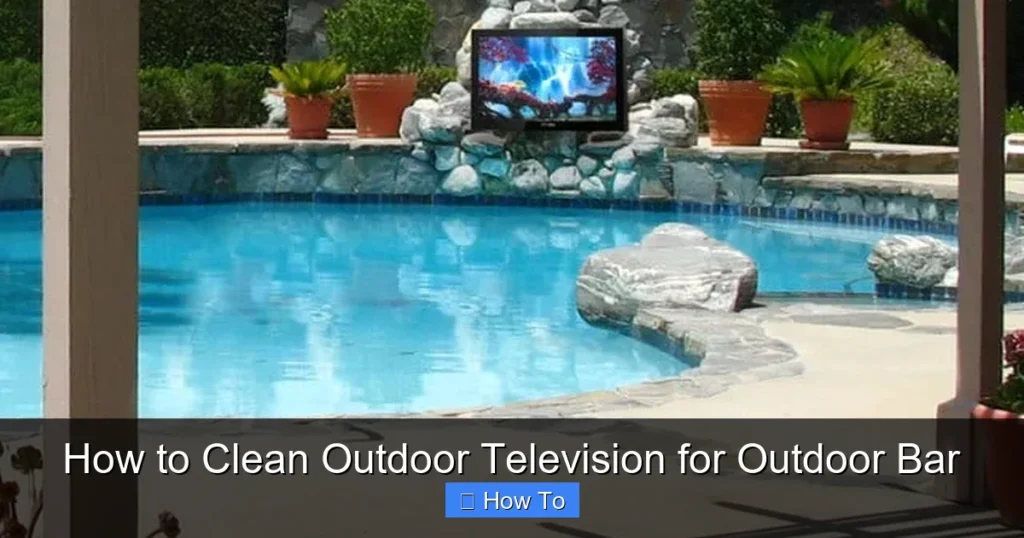
Visual guide about How to Clean Outdoor Tv for Deck Entertainment
Image source: rtaoutdoorliving.com
- Reduced visibility: Smudges and streaks scatter light, making it harder to see details—especially in bright daylight.
- Screen damage: Using the wrong cleaners or rough cloths can scratch or strip protective coatings.
- Overheating: Dust clogging ventilation ports can trap heat, potentially shortening the TV’s lifespan.
- Unpleasant aesthetics: A dirty TV distracts from your outdoor oasis and can make your space feel uncared for.
Regular cleaning not only improves your viewing experience but also helps maintain the TV’s resale value and functionality. Think of it like washing your car—it’s not just about looks; it’s about protection and performance.
What You’ll Need to Clean Your Outdoor TV
Before you start, gather the right tools. Using improper materials is one of the most common mistakes people make. Here’s a checklist of essentials:
- Microfiber cloths (2–3): These are soft, lint-free, and ideal for screens. Avoid paper towels, tissues, or rough fabrics.
- Distilled water: Tap water can leave mineral spots. Distilled water ensures a streak-free finish.
- Mild cleaning solution: Use a screen-safe cleaner or make your own with 50% distilled water and 50% white vinegar. Never use ammonia-based products like Windex.
- Compressed air (optional): Great for blowing dust out of vents and crevices.
- Soft-bristle brush (optional): Useful for gently removing dried debris from the frame or stand.
- Spray bottle: For applying cleaning solution without oversaturating the screen.
- Step ladder (if needed): Ensure safe access to wall-mounted or high-mounted TVs.
Pro Tip: Keep a dedicated cleaning kit for your outdoor TV in a weatherproof container near your deck. That way, you’ll always have what you need when it’s time for maintenance.
Step-by-Step Guide to Cleaning Your Outdoor TV
Step 1: Power Off and Unplug the TV
Safety first! Always turn off your outdoor TV and unplug it from the power source before cleaning. This prevents electrical shock and protects the internal electronics from moisture. Even if your TV is weatherproof, water and electricity don’t mix—especially outdoors where humidity and condensation are common.
If your TV is hardwired or connected to a surge protector, make sure the entire system is powered down. Wait at least 10–15 minutes after turning it off to allow components to cool, especially if it’s been running in direct sunlight.
Step 2: Dust the Screen and Frame
Start by removing loose dust and debris. Use a dry microfiber cloth to gently wipe the screen in circular motions. Don’t press hard—just let the cloth glide over the surface. This prevents scratching and removes the majority of surface particles.
Next, clean the frame, bezel, and stand. Outdoor TVs often collect dirt in the grooves around the screen. Use a soft-bristle brush or the dry side of your microfiber cloth to get into tight spaces. If there’s stubborn dirt, lightly dampen a corner of the cloth with distilled water, but avoid dripping liquid into any openings.
Example: If you notice pollen buildup after a spring bloom, a quick dry wipe every few days can prevent it from hardening and becoming difficult to remove.
Step 3: Prepare Your Cleaning Solution
Never spray cleaner directly onto the screen—this can seep into the edges and damage internal components. Instead, lightly mist your microfiber cloth with the cleaning solution. The cloth should be damp, not wet.
For a homemade solution, mix equal parts distilled water and white vinegar in a spray bottle. Vinegar is naturally antibacterial and cuts through grease without leaving residue. Avoid alcohol-based cleaners, as they can degrade anti-reflective coatings over time.
Pro Tip: Test your cleaning solution on a small, inconspicuous area first (like the bottom corner of the frame) to ensure it doesn’t cause discoloration or damage.
Step 4: Clean the Screen Gently
Using the damp microfiber cloth, wipe the screen in gentle, circular motions. Start from the top and work your way down to avoid streaks. Focus on smudges, fingerprints, and spots—don’t scrub aggressively.
If you encounter stubborn grime (like dried bird droppings or sap), apply a bit more solution to the cloth and let it sit on the spot for 10–15 seconds before wiping. Never use abrasive pads, sponges, or paper towels—they can scratch the screen.
For anti-glare or matte screens (common on outdoor models), be extra gentle. These coatings are more delicate than glossy screens and can wear off with harsh cleaning.
Step 5: Dry the Screen Thoroughly
After cleaning, use a second dry microfiber cloth to buff the screen. This removes any remaining moisture and prevents streaks. Wipe in the same circular motion, applying light pressure.
Make sure the entire screen is dry before plugging the TV back in. Lingering moisture can cause fogging or, in rare cases, short circuits.
Step 6: Clean Vents and Ports
Outdoor TVs have ventilation ports to prevent overheating. Over time, these can clog with dust, leaves, or insect nests. Use compressed air to blow out debris from the vents. Hold the can upright and spray in short bursts to avoid moisture buildup.
Check ports like HDMI, USB, and power connections. Use a dry cloth or cotton swab to remove dust. Never insert anything sharp into the ports.
Example: If your TV feels hot to the touch after use, it might be due to blocked vents. Regular cleaning can improve airflow and performance.
Step 7: Wipe Down the Stand and Mount
Don’t forget the base or wall mount. These areas collect dirt, rain residue, and pollen. Use a damp microfiber cloth to wipe them down. For metal parts, dry thoroughly to prevent rust.
If your TV is mounted on a pole or bracket, check for loose screws or signs of wear. Tighten if necessary and apply a rust inhibitor if you live in a humid or coastal area.
Seasonal Maintenance Tips
Outdoor TVs face different challenges depending on the season. Adjust your cleaning routine accordingly:
Spring
Pollen is the biggest culprit. Clean your TV every 1–2 weeks during peak allergy season. Consider using a protective cover when not in use to minimize buildup.
Summer
High humidity and frequent use mean more fingerprints and smudges. Clean weekly, especially after parties or family gatherings. Watch for insect residue—wasps and bees are attracted to shiny surfaces.
Fall
Leaves, sap, and mold can accumulate. Inspect your TV after storms and clean any organic debris promptly. Trim overhanging branches to reduce falling leaves and bird activity.
Winter
Even in cold climates, snow and ice can leave residue. Use a soft brush to remove snow, then wipe with a dry cloth. Avoid hot water—it can cause cracking. If your TV isn’t rated for sub-zero temperatures, consider storing it indoors during harsh winters.
Troubleshooting Common Cleaning Issues
Streaks or Haze on the Screen
This usually happens when too much cleaner is used or the screen isn’t dried properly. Solution: Use less liquid and buff thoroughly with a dry microfiber cloth. If streaks persist, try a cleaner specifically designed for anti-reflective screens.
Scratches on the Screen
Scratches are often caused by using rough materials or pressing too hard. Prevention is key—always use microfiber and gentle pressure. Minor scratches can sometimes be minimized with a screen polish, but deep scratches may require professional repair.
Water Spots or Mineral Deposits
These result from using tap water. Switch to distilled water and ensure the screen is completely dry after cleaning.
Cleaner Smells or Residue
If your homemade solution leaves a vinegar smell, wipe the screen with a cloth dampened with plain distilled water to rinse it off. Avoid strong-smelling cleaners—they can linger and attract insects.
TV Won’t Turn On After Cleaning
First, check that it’s properly plugged in and the power source is working. If it still doesn’t turn on, moisture may have entered the unit. Let it sit unplugged in a dry, warm area for 24 hours before trying again. If problems persist, contact the manufacturer.
How Often Should You Clean Your Outdoor TV?
There’s no one-size-fits-all answer—it depends on your environment and usage. Here’s a general guideline:
- High-traffic decks or coastal areas: Clean every 1–2 weeks.
- Moderate use, suburban settings: Clean every 3–4 weeks.
- Low use or covered patios: Clean monthly.
Always clean immediately after spills, storms, or heavy pollen days. A quick wipe-down after each use can prevent buildup and make deep cleaning easier.
Protecting Your Outdoor TV Between Cleanings
Cleaning is only part of the equation. Protection helps reduce how often you need to clean and extends your TV’s life.
Use a Weatherproof Cover
When not in use, cover your TV with a breathable, UV-resistant cover. Look for one with a soft inner lining to prevent scratching. Avoid plastic bags—they trap moisture and promote mold.
Install a TV Enclosure or Awning
For permanent setups, consider a weatherproof enclosure or install an awning above the TV. This shields it from direct rain, snow, and sun, reducing wear and tear.
Choose the Right Location
Mount your TV under an eave or pergola to minimize exposure. Avoid placing it where sprinklers, grills, or garden hoses might spray it.
Regular Inspections
Every few months, inspect seals, cables, and mounts for wear. Replace damaged parts promptly to maintain weather resistance.
Final Thoughts
Cleaning your outdoor TV doesn’t have to be a chore. With the right tools and techniques, it’s a quick, easy task that pays off in better picture quality, longer lifespan, and more enjoyable deck entertainment. Remember: gentle care goes a long way. Avoid harsh chemicals, always power off before cleaning, and make it a regular part of your outdoor maintenance routine.
By following this guide, you’ll keep your outdoor TV looking and performing like new—season after season. So grab your microfiber cloth, fire up that favorite show, and enjoy your outdoor oasis in crystal-clear clarity.