
Outdoor sports watching has evolved far beyond huddling around a small, weather-beaten TV propped up on a patio table. Today’s poolside entertainment demands clarity, durability, and smart functionality—even under direct sunlight, near splashing water, or during sudden summer storms. Whether you’re hosting a Super Bowl party by the pool, catching every goal of the World Cup from your backyard deck, or simply unwinding with a live tennis match while lounging in the sun, choosing the right outdoor TV is no longer a luxury—it’s a necessity for modern outdoor living.
This comprehensive buying guide is designed to help you navigate the rapidly expanding market of outdoor TVs in 2026. We’ll walk you through every critical decision point—from screen brightness and weather resistance to smart features and installation logistics—so you can invest confidently in a television that delivers stunning visuals, reliable performance, and long-term value. Whether you’re a first-time buyer or upgrading from an older model, this guide arms you with expert insights, real-world testing data, and practical advice to ensure your outdoor viewing experience is as seamless and enjoyable as possible.
The outdoor TV market has matured significantly over the past few years. Once dominated by bulky, expensive specialty models, it now offers a wide range of options—from fully weatherproofed “outdoor-rated” displays to high-brightness indoor TVs paired with protective enclosures. Brands like Samsung, LG, Sony, SunBriteTV, and Seura have pushed innovation forward with features like anti-glare coatings, enhanced cooling systems, and IP-rated enclosures. Meanwhile, smart platforms have become standard, allowing seamless streaming from Netflix, YouTube, ESPN+, and more. With so many choices, it’s easy to feel overwhelmed—but with the right knowledge, you can find the perfect TV for your space, budget, and viewing habits.
What to Look for When Buying Buying Guide
1. Brightness & Sunlight Readability
One of the most critical factors for any outdoor TV is its ability to remain visible in direct sunlight. Standard indoor TVs typically offer 300–500 nits of brightness—adequate for a dimly lit living room but nearly useless on a sunny patio. For outdoor use, you need a display with at least 700 nits, but ideally 1,000 nits or more. High-brightness screens combat glare and maintain color accuracy even when the sun is shining directly on the screen.
Look for TVs labeled as “high-brightness,” “sunlight-readable,” or “outdoor-rated.” These models often feature advanced anti-reflective coatings and enhanced backlighting systems. Some premium outdoor TVs, like the SunBriteTV Veranda Series, deliver up to 2,000 nits—more than enough to cut through midday glare. Additionally, consider the screen’s contrast ratio. A higher contrast ratio ensures deeper blacks and more vibrant colors, which is especially important when watching fast-paced sports under variable lighting conditions.
2. Weather Resistance & IP Rating
Outdoor TVs must withstand rain, humidity, dust, and temperature extremes. This is where the Ingress Protection (IP) rating becomes essential. The IP rating consists of two numbers: the first indicates protection against solid particles (like dust), and the second against liquids (like rain or splashes). For poolside use, an IP55 rating is the minimum you should consider—this means the TV is protected from limited dust ingress and water jets from any direction.
However, for maximum durability, especially in coastal or high-humidity environments, look for IP65 or higher. An IP65-rated TV is dust-tight and resistant to low-pressure water jets, making it ideal for uncovered patios or pool decks. Some top-tier models, like the Seura Outdoor TV, boast IP67 ratings, meaning they can even survive temporary immersion in water—perfect if you’re worried about accidental splashes or heavy downpours.
Beyond the IP rating, consider the TV’s internal components. Outdoor-rated models often include sealed cooling systems, corrosion-resistant circuit boards, and UV-protected casings to prevent sun damage over time. Avoid using standard indoor TVs outdoors, even with a cover—moisture can seep into vents, and temperature fluctuations can cause condensation inside the panel, leading to permanent damage.
3. Screen Size & Viewing Distance
Choosing the right screen size depends on your seating arrangement and available space. For poolside viewing, where viewers may be seated 8 to 15 feet away, a 55-inch to 75-inch TV is typically ideal. A 55-inch screen works well for intimate gatherings, while a 65-inch or larger model enhances the experience for larger groups or when viewers are farther back.
Use the 1.5x rule as a general guideline: multiply your viewing distance (in inches) by 1.5 to determine the optimal screen size. For example, if your seating is 12 feet (144 inches) away, a 70-inch TV (144 ÷ 1.5 ≈ 96 inches diagonal) would be ideal. However, don’t go too large—oversized screens can cause eye strain and may not fit aesthetically in your outdoor space.
Also consider the TV’s aspect ratio and bezel design. Slim bezels create a more immersive viewing experience, especially when watching wide-screen sports broadcasts. Some outdoor TVs come with customizable bezel options to match your outdoor décor.
4. Smart Features & Connectivity
In 2026, almost every outdoor TV comes with built-in smart platforms, but not all are created equal. Look for models running robust operating systems like Google TV, webOS (LG), or Tizen (Samsung), which offer intuitive navigation, voice control, and access to all major streaming apps—including sports-centric platforms like ESPN+, DAZN, Peacock, and FuboTV.
Voice assistants like Google Assistant and Amazon Alexa are increasingly common and allow hands-free control, which is especially useful when you’re grilling or lounging by the pool. Ensure the TV supports Wi-Fi 6 or Wi-Fi 6E for faster, more reliable streaming, particularly if multiple devices are connected to your home network.
Connectivity is another key factor. Make sure the TV has enough HDMI ports (at least three, preferably four) to connect devices like gaming consoles, streaming sticks, soundbars, or cable boxes. Look for HDMI 2.1 support if you plan to use the TV for gaming or 4K/120Hz content. USB ports, Ethernet jacks, and Bluetooth compatibility add further flexibility.
5. Audio Quality & Sound Solutions
While picture quality grabs most of the attention, sound is equally important for an immersive sports-watching experience. Unfortunately, many outdoor TVs have underwhelming built-in speakers due to space and weatherproofing constraints. The audio may lack depth, volume, or clarity—especially in open-air environments where sound dissipates quickly.
To compensate, most buyers pair their outdoor TV with a dedicated sound system. Options include weather-resistant soundbars (like the Polk Audio MagniFi Max SR or the Sonos Arc with a protective cover), outdoor speaker sets, or wireless Bluetooth speakers. Some high-end outdoor TVs, such as the LG Outdoor OLED, include enhanced audio technologies like AI Sound Pro or Dolby Atmos support, but even these may benefit from external amplification.
Consider the acoustics of your space. Hard surfaces like tile, concrete, or glass can create echoes, while fabric cushions and plants help absorb sound. Positioning speakers at ear level and away from reflective surfaces can significantly improve audio quality.
6. Installation & Mounting Options
Proper installation is crucial for both performance and safety. Outdoor TVs must be securely mounted to withstand wind, vibrations, and accidental bumps. Most models come with VESA-compatible mounting patterns, allowing you to use standard wall or ceiling mounts—but ensure the mount is rated for outdoor use and can support the TV’s weight.
For poolside setups, ceiling mounts or articulating arms offer flexibility, letting you angle the screen for optimal viewing from different seating areas. Some homeowners prefer in-wall installations for a clean, built-in look, though this requires professional help and may involve running cables through exterior walls.
Always consult local building codes and consider hiring a certified installer, especially if you’re mounting on a brick, stucco, or tile surface. Improper installation can lead to water intrusion, structural damage, or even the TV falling—posing a serious safety risk.
7. Energy Efficiency & Operating Costs
Outdoor TVs often run for extended periods, especially during summer months or major sporting events. Energy efficiency directly impacts your electricity bill and environmental footprint. Look for models with ENERGY STAR certification, which indicates they meet strict efficiency guidelines set by the U.S. Environmental Protection Agency.
LED-backlit LCDs are generally more efficient than older plasma or CCFL models. OLED TVs offer superior picture quality but can consume more power, especially at high brightness levels. Some outdoor TVs include ambient light sensors that automatically adjust brightness based on surrounding light, helping to save energy during cloudy or nighttime viewing.
Also consider standby power usage. Even when “off,” some TVs draw power for smart features or remote wake-up functions. Look for models with low standby consumption (under 0.5 watts) or use a smart power strip to cut power completely when not in use.
8. Brand Reputation & Customer Support
Not all outdoor TV brands are equal. Established names like SunBriteTV, Seura, and LG have built reputations for reliability, innovation, and customer service. These companies often provide detailed installation guides, responsive support teams, and comprehensive warranties.
Research user reviews on trusted platforms like Amazon, Best Buy, or specialized forums like AVS Forum. Pay attention to comments about long-term durability, ease of setup, and how the company handles repairs or replacements. Avoid lesser-known brands with vague specifications or limited support—especially if you’re investing in a premium model.
Different Types of Buying Guide

Common Buying Mistakes to Avoid
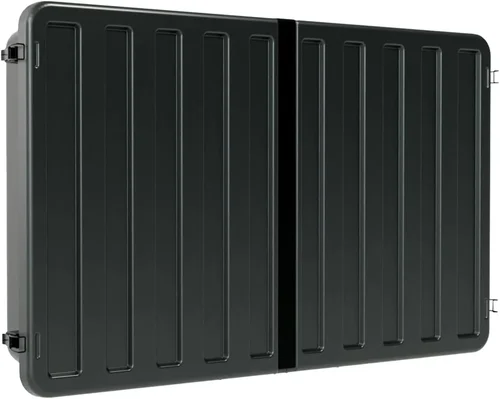
❌ Mistake: Using a Standard Indoor TV Outdoors
Why it’s bad: Indoor TVs lack weatherproofing, have low brightness, and are not designed to handle temperature swings or humidity. Even with a cover, moisture can seep in, causing corrosion, screen fogging, or electrical failure. The warranty is also typically voided if used outdoors.
What to do instead: Invest in a TV specifically rated for outdoor use or pair a high-brightness indoor model with a certified outdoor enclosure.
❌ Mistake: Ignoring Sunlight and Glare
Why it’s bad: A dim screen turns your outdoor viewing into a frustrating squint-fest. Sports action becomes blurry, colors wash out, and details disappear—especially during daytime games.
What to do instead: Prioritize brightness (1,000+ nits) and look for anti-glare or anti-reflective coatings. Test the screen in similar lighting conditions if possible.
❌ Mistake: Overlooking Audio Needs
Why it’s bad: Poor sound ruins the excitement of live sports. Crowd noise, commentary, and play-by-play calls get lost in open spaces, making it hard to follow the game.
What to do instead: Plan for external audio from day one. Invest in weather-resistant speakers or a soundbar designed for outdoor use.
❌ Mistake: Poor Placement or Mounting
Why it’s bad: Mounting too high, too low, or in a shaded area reduces visibility and comfort. Weak mounts can fail in wind or rain, risking damage or injury.
What to do instead: Position the screen at eye level when seated, ensure it’s visible from all seating areas, and use a sturdy, outdoor-rated mount installed by a professional.
❌ Mistake: Skimping on Connectivity
Why it’s bad: Limited HDMI ports or outdated Wi-Fi can prevent you from connecting all your devices or streaming in high quality. You may need to constantly swap cables or rely on unreliable connections.
What to do instead: Choose a TV with at least four HDMI 2.0/2.1 ports, Wi-Fi 6, and Bluetooth. Consider running an Ethernet cable for the most stable connection.
❌ Mistake: Not Planning for Power and Cables
Why it’s bad: Exposed cords are tripping hazards and can degrade over time. Running power to a remote location may require costly electrical work.
What to do instead: Plan your cable routing in advance. Use weatherproof conduit, cable covers, or in-wall solutions. Ensure outlets are GFCI-protected for safety near water.
❌ Mistake: Buying Based on Price Alone
Why it’s bad: The cheapest option often lacks durability, brightness, or smart features. You may end up replacing it within a year, costing more in the long run.
What to do instead: Balance budget with long-term value. A mid-range outdoor TV with solid specs will outperform a cheap indoor model every time.
Budget Guidelines: How Much Should You Spend?
– Entry-Level ($500 – $1,200): This range typically includes high-brightness indoor TVs (55″–65″) paired with basic outdoor enclosures. While not fully weatherproof, they work well under covered patios. Expect 700–1,000 nits brightness, basic smart features, and limited durability. Ideal for occasional use or smaller spaces.
– Mid-Range ($1,200 – $2,500): The sweet spot for most buyers. These are often fully outdoor-rated TVs with 1,000–1,500 nits brightness, IP55 or higher ratings, and robust smart platforms. Models like the SunBriteTV Veranda or LG Outdoor OLED fall here. Great for poolside use with reliable performance and good audio options.
– Premium ($2,500 – $4,500): For enthusiasts and serious entertainers. These TVs offer top-tier brightness (1,500–2,000+ nits), advanced cooling, premium materials, and enhanced audio. Expect features like HDR10+, Dolby Vision, and voice control. Perfect for large gatherings and all-day viewing.
– Luxury ($4,500+): Top-tier models from brands like Seura or commercial-grade displays. These are built for 24/7 operation, extreme weather, and professional installations. Often used in resorts or high-end homes, they include features like remote management, modular designs, and custom bezels.
Expert Tips for Getting the Best Deal
– Buy During Off-Season: Prices drop significantly in late fall and winter when demand for outdoor electronics is low. Look for Black Friday, Cyber Monday, or post-holiday sales.
– Compare Retailers: Check prices at Best Buy, Amazon, Costco, and specialty outdoor electronics stores. Some retailers offer price matching or bundle deals with mounts and cables.
– Consider Refurbished or Open-Box: Certified refurbished outdoor TVs from reputable sellers can save you 20–30% and often come with full warranties.
– Read the Fine Print on Warranties: Outdoor TVs should come with at least a 2–3 year warranty covering weather-related damage. Avoid extended warranties unless they add real value.
– Check Return Policies: Ensure you can return the TV if it doesn’t perform as expected. Some outdoor models are non-returnable due to their specialized nature.
– Test Before Finalizing: If possible, view the TV in person or watch demo videos under bright lighting. Pay attention to color accuracy, motion handling, and interface responsiveness.
– Bundle with Accessories: Some sellers offer discounts when you buy a TV, mount, and sound system together. This can simplify installation and save money.
– Plan for Installation Costs: Professional installation can add $200–$800 depending on complexity. Factor this into your total budget.
Frequently Asked Questions
Q: Can I use a regular TV outdoors if I cover it?
A: Technically yes, but it’s not recommended. Covers don’t provide full weatherproofing, and indoor TVs aren’t designed for temperature extremes or humidity. Moisture can still enter through vents, and the warranty will likely be voided. For reliable performance, use an outdoor-rated TV or a high-brightness model in a certified enclosure.
Q: How do I protect my outdoor TV from rain and splashes?
A: Choose a TV with an IP55 or higher rating, or use a weatherproof enclosure. Ensure all cables are sealed with grommets or conduit, and avoid placing the TV where it’s directly exposed to sprinklers or heavy rain.
Q: What’s the difference between outdoor-rated and weatherproof enclosures?
A: Outdoor-rated TVs are built from the ground up for exterior use, with sealed components and enhanced durability. Enclosures protect standard indoor TVs but may limit ventilation and accessibility. Outdoor-rated models generally offer better long-term performance.
Q: Do outdoor TVs need special mounting hardware?
A: Yes. Use mounts rated for outdoor use and capable of supporting the TV’s weight. Stainless steel or powder-coated mounts resist rust and corrosion. Always follow the manufacturer’s installation guidelines.
Q: Can I stream live sports on an outdoor TV?
A: Absolutely. Most outdoor TVs run full smart platforms with access to ESPN+, YouTube TV, Hulu + Live TV, and other streaming services. Ensure a strong Wi-Fi or wired internet connection for smooth playback.
Q: How long do outdoor TVs last?
A: With proper care, a quality outdoor TV can last 7–10 years or more. Regular cleaning, avoiding extreme temperature swings, and using surge protectors can extend its lifespan.
Q: Are outdoor TVs energy efficient?
A: Many are ENERGY STAR certified and include power-saving features like auto-brightness adjustment. However, high brightness increases power consumption, so usage patterns matter.
Q: Can I use my outdoor TV in winter?
A: Most outdoor TVs are rated for temperatures from -22°F to 122°F. If you live in a cold climate, ensure the model you choose supports low-temperature operation. Avoid turning it on immediately after exposure to extreme cold.
Q: Do I need a separate sound system?
A: Highly recommended. Built-in speakers are often weak and lack bass. A weather-resistant soundbar or outdoor speaker system greatly enhances the viewing experience.
Q: Can I control my outdoor TV with my phone?
A: Yes, most smart outdoor TVs support mobile apps for remote control, casting, and voice commands via Google Assistant or Alexa.
Our Final Recommendations
– Best for Budget-Conscious Buyers: TCL 6-Series (65″) + Peerless Outdoor Enclosure – Offers excellent 4K HDR performance, 1,000 nits brightness, and Roku TV at an affordable price. The enclosure adds weather protection for under $1,200 total.
– Best Overall Value: SunBriteTV Veranda Series (65″) – Fully outdoor-rated, 1,500 nits brightness, IP55 rating, and robust build quality. Ideal for poolside use with reliable performance and strong customer support.
– Best Premium Option: Seura Outdoor TV (75″) – IP67-rated, 2,000 nits brightness, premium design, and advanced cooling. Perfect for luxury homes and all-weather reliability.
– Best for Beginners: LG Outdoor OLED (55″) – Combines stunning picture quality with smart features and ease of use. Great for those new to outdoor TVs who want a plug-and-play solution.
– Best for Advanced Users: Samsung The Terrace (75″) – High brightness, anti-glare coating, and seamless integration with Samsung’s ecosystem. Ideal for tech-savvy users who want cutting-edge performance.
Conclusion: Making the Right Choice
Choosing the right outdoor TV for poolside sports watching is about more than just screen size or brand name—it’s about creating a reliable, enjoyable, and long-lasting entertainment experience. From brightness and weather resistance to smart features and audio quality, every detail matters when you’re watching the game under the open sky.
By prioritizing your specific needs—whether that’s budget, durability, or immersive sound—you can avoid common pitfalls and invest in a TV that delivers year after year. Remember to consider your environment, usage patterns, and long-term goals. A little planning now saves money, frustration, and repeated replacements down the line.
Ultimately, the best outdoor TV is the one that fits your lifestyle. Whether you’re hosting a championship watch party or enjoying a quiet evening match, the right setup transforms your backyard into a true entertainment destination. So take the time to research, compare, and choose wisely—your future self (and your guests) will thank you.

