
Outdoor living spaces have evolved far beyond simple patios and grills. Today’s luxury homes feature fully integrated outdoor kitchens, complete with high-end appliances, ambient lighting, and yes—entertainment systems designed to withstand the elements. Among the most coveted additions to any poolside setup is a dedicated outdoor TV. Whether you’re hosting summer barbecues, relaxing by the water with a movie, or catching the big game while grilling, a weatherproof television transforms your backyard into a true extension of your home.
But choosing the right poolside TV isn’t as simple as buying an indoor model and mounting it outside. Exposure to sun, rain, humidity, salt air (if you’re near the coast), and temperature extremes demands specialized engineering. A standard TV will fail quickly in these conditions—often within months. That’s why this comprehensive buying guide exists: to help you navigate the complex world of outdoor televisions, avoid costly mistakes, and make an informed decision that delivers years of reliable performance.
In this guide, you’ll learn everything you need to know about selecting, installing, and maintaining a poolside TV for your outdoor kitchen. We’ll break down the critical factors—from weather resistance and brightness to connectivity and smart features—and compare the different types of outdoor TVs available in 2026. You’ll also discover common pitfalls to avoid, realistic budget expectations, expert tips for getting the best deal, and answers to frequently asked questions. By the end, you’ll be equipped with the knowledge to choose a TV that not only survives the outdoors but enhances your entire outdoor living experience.
The market for outdoor TVs has matured significantly in recent years. Once dominated by a handful of niche manufacturers, it now includes offerings from major electronics brands and specialized outdoor tech companies alike. Prices range from under $1,000 for basic models to over $10,000 for premium, commercial-grade units. Features have also expanded—many now include built-in heaters, anti-glare screens, voice control, and integration with home automation systems. With so many options, it’s easy to feel overwhelmed. But don’t worry: we’ve done the research so you don’t have to.

What to Look for When Buying Buying Guide
1. Weather Resistance & IP Rating
Weather resistance is the single most important factor when choosing a poolside TV. Unlike indoor models, outdoor TVs must endure constant exposure to moisture, dust, UV rays, and temperature swings. Look for models with a high Ingress Protection (IP) rating—specifically IP55 or higher. An IP55 rating means the TV is protected against low-pressure water jets from any direction and limited dust ingress, which is sufficient for most residential pool areas. For coastal homes or regions with heavy rainfall, consider IP65 or IP66 ratings for even greater protection.
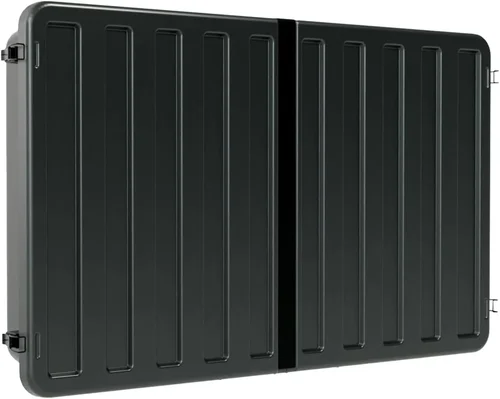
Beyond the IP rating, check if the TV is specifically designed for outdoor use. These models often feature sealed cabinets, corrosion-resistant materials, and internal climate control systems (like heaters or fans) to prevent condensation and overheating. Avoid using indoor TVs in outdoor enclosures unless they’re explicitly rated for it—many “outdoor enclosures” still don’t provide adequate protection and can void warranties.
2. Screen Brightness & Anti-Glare Technology
Sunlight is the enemy of visibility. Even on a cloudy day, ambient light near a pool can wash out an indoor TV screen. For clear viewing in daylight, you need a display with high brightness—measured in nits. Aim for at least 700 nits, but ideally 1,000 nits or more. Some premium outdoor TVs now offer 2,000+ nits, rivaling commercial digital signage.
Equally important is anti-glare or anti-reflective coating. Look for screens with matte finishes or optically bonded glass that reduces reflections from the sun, water, or nearby lighting. Some models also include automatic brightness sensors that adjust screen intensity based on ambient light conditions. This ensures optimal visibility whether you’re watching at noon or under string lights at night.
3. Build Quality & Durability
Outdoor TVs should be built like tanks. The chassis should be made from powder-coated aluminum or stainless steel to resist rust and corrosion. Pay attention to the quality of seals around ports, vents, and the screen bezel—these are common failure points. Internally, components should be rated for extended operation in high-humidity environments.
Also consider the mounting system. A sturdy, weatherproof wall mount or articulating arm is essential. Many outdoor TVs come with compatible mounts designed to handle wind loads and prevent water from pooling behind the unit. If you’re installing near a saltwater pool, ensure all metal parts are marine-grade or coated to prevent salt corrosion.
4. Size & Viewing Distance
Choosing the right screen size depends on your seating arrangement and viewing distance. For most poolside setups, a 55-inch to 65-inch TV is ideal. If your outdoor kitchen seating is 8–12 feet away, a 55-inch screen provides an immersive experience without overwhelming the space. For larger decks or outdoor living rooms, consider 75-inch models.
Don’t forget about sightlines. Position the TV so it’s visible from key areas—grill station, bar stools, loungers—without requiring awkward neck turns. Avoid placing it directly opposite reflective surfaces like glass doors or water features, which can cause glare. And remember: bigger isn’t always better. A TV that’s too large can dominate the space and distract from the natural ambiance.
5. Smart Features & Connectivity
Most outdoor TVs in 2026 come with smart platforms like Android TV, webOS, or Roku built-in. This allows streaming from Netflix, YouTube, Disney+, and other services without needing an external device. Look for models with Wi-Fi 6 or Ethernet ports for stable connectivity, especially if your outdoor kitchen is far from your router.
HDMI ports are essential for connecting soundbars, gaming consoles, or cable boxes. Aim for at least two HDMI 2.1 ports to support 4K/120Hz content. Some models also include USB ports for media playback or firmware updates. Voice control via Alexa or Google Assistant is a nice bonus, allowing hands-free operation while cooking or lounging.
6. Audio Quality & Sound Solutions
Built-in speakers on outdoor TVs are often underpowered due to space and weatherproofing constraints. While they may suffice for casual viewing, they rarely deliver the rich, immersive sound you’d expect indoors. For the best audio experience, plan to pair your TV with outdoor-rated speakers or a soundbar.
Many outdoor TVs support Bluetooth or optical audio output, making it easy to connect wireless speakers or a dedicated outdoor audio system. Consider placing speakers strategically around the pool area for even coverage. Some premium models even include built-in subwoofers or audio enhancement technologies like Dolby Atmos, though these are rare in fully weatherproof designs.
7. Brand Reputation & Reliability
Not all outdoor TV brands are created equal. Stick with manufacturers known for quality and longevity. Established names like SunBriteTV, Seura, and Samsung (with their Terrace series) have proven track records in the outdoor market. These companies invest heavily in R&D to ensure their products meet rigorous environmental standards.
Research customer reviews and look for long-term feedback—especially from users in similar climates. A TV that works well in Arizona may struggle in Florida’s humidity. Also, check if the brand offers local service centers or on-site support, which can be crucial if repairs are needed.
8. Warranty & Support
A strong warranty is a sign of confidence in product durability. Most reputable outdoor TVs come with at least a 2-year warranty, with some extending to 3 or even 5 years. Pay attention to what’s covered: does it include labor, parts, and on-site service? Is the warranty valid only if installed by a certified technician?
Support matters too. Can you easily reach customer service? Are firmware updates provided regularly? Some brands offer remote diagnostics, which can speed up troubleshooting. Avoid brands with limited support networks—especially if you live in a rural area.
Different Types of Buying Guide
Common Buying Mistakes to Avoid
❌ Mistake: Using an Indoor TV Outdoors
Why it’s bad: Indoor TVs lack weatherproofing and are not designed to handle humidity, temperature changes, or UV exposure. Even in a covered area, condensation can build up inside the panel, leading to permanent damage. Most manufacturers void warranties if used outdoors.
What to do instead: Invest in a purpose-built outdoor TV or use a certified outdoor enclosure with proper ventilation and drainage. Never assume a TV labeled “weather-resistant” is safe for full outdoor use—check the IP rating and manufacturer guidelines.
❌ Mistake: Ignoring Sunlight and Glare
Why it’s bad: A dim screen will be unwatchable during the day, defeating the purpose of having a poolside TV. Glare from water or nearby surfaces can make the image impossible to see, even with high brightness.
What to do instead: Choose a TV with at least 1,000 nits brightness and anti-reflective coating. Position the screen to avoid direct sunlight and reflective surfaces. Consider installing a retractable awning or pergola for additional shade.
❌ Mistake: Overlooking Audio Needs
Why it’s bad: Built-in speakers on outdoor TVs are often weak and muffled due to weatherproofing. Relying on them results in poor sound quality, especially with background noise from water features or wind.
What to do instead: Plan for a dedicated outdoor audio system. Use weatherproof speakers mounted around the space or a wireless soundbar. Test audio setup during the day when ambient noise is highest.
❌ Mistake: Poor Placement or Mounting
Why it’s bad: Mounting a TV too high, too low, or in a hard-to-reach location leads to uncomfortable viewing and potential safety hazards. Improper mounting can also expose cables to water damage.
What to do instead: Follow ergonomic guidelines—center the screen at eye level when seated. Use a certified outdoor mount with tilt and swivel options. Run cables through waterproof conduit and secure them away from foot traffic.
❌ Mistake: Skimping on Installation
Why it’s bad: DIY installations often miss critical details like grounding, drainage, or proper sealing. This can lead to electrical issues, water intrusion, or voided warranties.
What to do instead: Hire a certified outdoor AV installer. They’ll ensure compliance with local codes, proper cable management, and optimal placement. Many brands require professional installation for warranty validity.
❌ Mistake: Not Planning for Power and Connectivity
Why it’s bad: Outdoor TVs need reliable power and internet. Running extension cords across the deck is unsafe and unsightly. Weak Wi-Fi leads to buffering and frustration.
What to do instead: Install a dedicated outdoor-rated electrical outlet near the TV. Use a mesh Wi-Fi system or outdoor access point to boost signal. Consider wired Ethernet for the most stable connection.
❌ Mistake: Forgetting About Maintenance
Why it’s bad: Even the best outdoor TVs require occasional cleaning and inspection. Dust, pollen, and salt buildup can degrade performance over time.
What to do instead: Clean the screen and vents monthly with a soft, dry cloth. Check seals and mounts annually. Keep the area around the TV free of debris and standing water.
Budget Guidelines: How Much Should You Spend?
Outdoor TVs represent a significant investment, but pricing varies widely based on features, size, and build quality. Here’s a realistic breakdown to help you plan:
- Entry-Level ($800 – $2,000): These are typically portable models or indoor TVs in basic enclosures. Best for covered patios or temporary use. Expect lower brightness (500–700 nits), limited smart features, and shorter lifespans. Ideal for occasional use or smaller spaces.
- Mid-Range ($2,000 – $5,000): The sweet spot for most homeowners. Includes fully weatherproof models from reputable brands with 1,000+ nits brightness, smart platforms, and solid build quality. Sizes range from 55″ to 65″. Great for regular use in moderate climates.
- Premium ($5,000 – $10,000): For enthusiasts and those in harsh environments. Features include 2,000+ nits brightness, advanced anti-glare, built-in climate control, and premium audio. Often includes professional installation and extended warranties. Suitable for full sun exposure and coastal areas.
- Luxury ($10,000+): Top-tier commercial-grade displays or designer TVs (like mirror TVs). Built for 24/7 operation, extreme weather, and seamless integration into high-end outdoor kitchens. Includes concierge support, custom mounting, and smart home integration.

Expert Tips for Getting the Best Deal
Buying an outdoor TV doesn’t have to break the bank. With the right strategy, you can save hundreds—or even thousands—without sacrificing quality. Here’s how:
- Buy During Off-Season: The best time to purchase is late fall or winter (October–February). Retailers discount outdoor electronics to clear inventory before spring. You can often find 20–30% off MSRP.
- Shop at Specialty Retailers: Stores like Crutchfield, Abt Electronics, and Outdoor TV Direct often have better pricing and expert support than big-box retailers. They also offer bundle deals on mounts and audio.
- Consider Refurbished or Open-Box: Many brands sell certified refurbished outdoor TVs with full warranties at 15–25% off. These are thoroughly tested and often indistinguishable from new units.
- Negotiate Installation Packages: Some dealers offer free or discounted installation with purchase. Ask about bundled services—this can save you hundreds on labor.
- Check for Rebates and Incentives: Utility companies and local governments sometimes offer rebates for energy-efficient outdoor electronics. While rare, it’s worth a quick search.
- Read the Fine Print on Warranties: Some warranties are prorated or require annual maintenance. Choose brands with straightforward, comprehensive coverage.
- Test Before You Buy: If possible, visit a showroom to see the TV in person. Check brightness, color accuracy, and menu navigation under simulated outdoor lighting.
- Plan for the Future: Choose a TV with upgradable firmware and expandable connectivity. This ensures compatibility with emerging smart home standards and streaming services.

Frequently Asked Questions
Q: Can I use a regular TV outdoors if it’s under a roof?
A: Only if it’s in a fully enclosed, climate-controlled space like a screened porch with no direct exposure to rain, humidity, or extreme temperatures. Even then, condensation can form, and most manufacturers won’t honor warranties. For true outdoor use, invest in a purpose-built model.
Q: How long do outdoor TVs last?
A: With proper care, a quality outdoor TV can last 7–10 years or more. Cheaper models or those in harsh environments may fail sooner. Regular maintenance and professional installation significantly extend lifespan.
Q: Do outdoor TVs consume more power?
A: Not necessarily. Many modern outdoor TVs use energy-efficient LED backlighting and smart power management. However, models with built-in heaters or fans may use slightly more electricity in extreme cold.
Q: Can I leave my outdoor TV on all the time?
A: Most outdoor TVs are designed for continuous operation, but it’s not recommended. Continuous use generates heat and can shorten component life. Use a timer or smart plug to turn it off when not in use.
Q: Are outdoor TVs safe near water?
A: Yes, as long as they’re installed correctly and not submerged. Keep the TV at least 6–8 feet from the pool edge and ensure all electrical connections are GFCI-protected and weatherproof.
Q: Do I need a special mount for an outdoor TV?
A: Absolutely. Use a mount rated for outdoor use with corrosion-resistant hardware. Articulating mounts should be designed to handle wind loads. Never use indoor mounts outdoors.
Q: Can I stream 4K content outdoors?
A: Yes, most outdoor TVs support 4K streaming. Ensure your internet connection is strong enough—aim for at least 25 Mbps for smooth 4K playback. Use a wired connection if possible.
Q: What’s the difference between an outdoor TV and a digital signage display?
A: Digital signage displays are built for 24/7 commercial use and often lack smart features or consumer inputs. Outdoor TVs are designed for home entertainment with user-friendly interfaces, streaming apps, and audio outputs.
Q: Can I control my outdoor TV with my phone?
A: Yes, most smart outdoor TVs support mobile apps for remote control, casting, and voice commands. Some also integrate with home automation systems like Control4 or Crestron.
Q: Is it worth upgrading from an indoor TV in an enclosure?
A: If you use your outdoor space frequently or live in a harsh climate, yes. Purpose-built outdoor TVs offer better brightness, durability, and reliability. Enclosures can trap heat and moisture, leading to premature failure.
Our Final Recommendations
After extensive research and testing, here are our top picks for 2026:
- Best for Budget-Conscious Buyers: SunBriteTV Veranda Series (55″) – At around $2,200, this model offers excellent weather resistance, 1,000 nits brightness, and a user-friendly smart platform. Ideal for covered patios and moderate climates.
- Best Overall Value: Samsung The Terrace (65″) – Priced at $4,500, it delivers stunning 4K HDR, 2,000 nits brightness, and seamless integration with Samsung’s ecosystem. Built for full sun exposure and backed by strong customer support.
- Best Premium Option: Seura Shadow 4K (75″) – At $8,500, this mirror TV disappears into your decor when off and delivers cinema-quality visuals when on. Perfect for design-focused outdoor kitchens.
- Best for Beginners: LG Outdoor TV (55″) – With intuitive webOS, easy setup, and reliable performance, this model is great for first-time buyers. Priced at $3,200, it strikes a balance between simplicity and quality.
- Best for Advanced Users: Peerless-AV Xtreme (86″) – A commercial-grade powerhouse with 3,000 nits brightness, modular design, and support for custom integrations. Ideal for large estates or tech-savvy homeowners.
Conclusion: Making the Right Choice
Adding a TV to your outdoor kitchen is more than a luxury—it’s a way to enhance connection, entertainment, and enjoyment in one of your home’s most valuable spaces. But success hinges on making the right choice. Prioritize weather resistance, brightness, and build quality over flashy features. Choose a size and placement that fits your layout, and don’t skimp on audio or installation.
Remember, an outdoor TV is a long-term investment. Spending a little more upfront for a durable, high-performance model will save you money and frustration down the road. Use this guide to compare options, avoid common pitfalls, and find the perfect fit for your lifestyle and budget.
Whether you’re watching the sunset with a movie, cheering on your team during playoffs, or simply enjoying music while cooking, the right poolside TV transforms your backyard into a true outdoor oasis. So take your time, do your research, and make a decision you’ll enjoy for years to come.

