
Outdoor living spaces have evolved dramatically over the past decade, and the screened porch has become one of the most coveted areas in modern homes. Whether you’re sipping morning coffee, hosting weekend barbecues, or unwinding after a long day, your screened porch offers a perfect blend of indoor comfort and outdoor ambiance. But what if you could elevate that experience even further? Enter the outdoor TV—a game-changer for anyone looking to bring entertainment, news, sports, and streaming content into their open-air sanctuary.
Choosing the right TV for a screened porch isn’t as simple as picking up any old flat-screen from the store. These environments present unique challenges: fluctuating temperatures, humidity, dust, insects, and even indirect sunlight can all impact performance and longevity. A standard indoor TV might look great for a few months, but it won’t survive the elements long-term. That’s why investing in a purpose-built outdoor TV—or at least a model designed to withstand semi-outdoor conditions—is essential. This guide is designed to help you navigate the complexities of outdoor TV selection, ensuring you make a smart, informed decision that delivers years of reliable enjoyment.
In this comprehensive buyer’s guide, you’ll learn everything you need to know about selecting, installing, and maintaining an outdoor TV for your screened porch. We’ll break down the critical factors to consider—from weather resistance and brightness to connectivity and sound quality—and compare different types of outdoor TVs so you can find the perfect fit for your space and budget. You’ll also discover common pitfalls to avoid, expert tips for getting the best deal, and real-world recommendations based on performance, durability, and value. By the end, you’ll be equipped with the knowledge to transform your screened porch into a true outdoor entertainment hub.
The market for outdoor TVs has grown significantly in recent years, driven by increased demand for outdoor living and advancements in display technology. Major brands like Samsung, LG, Sony, and specialized manufacturers such as SunBriteTV and Seura now offer models specifically engineered for outdoor use. These aren’t just ruggedized versions of indoor TVs—they’re built from the ground up with features like anti-glare screens, weatherproof casings, enhanced cooling systems, and UV-resistant materials. Whether you’re looking for a budget-friendly option or a premium 4K smart TV with built-in streaming, there’s something for every need and price point. Let’s dive in and explore how to choose the best outdoor TV for your screened porch.

What to Look for When Buying Buying Guide
1. Weather Resistance & IP Rating
One of the most critical factors when selecting an outdoor TV for a screened porch is its ability to withstand environmental conditions. Even though your porch is covered and screened, it’s still exposed to humidity, temperature swings, dust, and occasional moisture—especially if you live in a coastal or rainy climate. A standard indoor TV lacks the protection needed to survive these elements long-term, which is why weather resistance is non-negotiable.
Look for TVs with an IP (Ingress Protection) rating, which indicates how well the device resists dust and water. For outdoor use, an IP55 or higher rating is ideal. IP55 means the TV is protected against dust (limited ingress) and low-pressure water jets from any direction—perfect for a screened porch where rain or sprinklers might occasionally reach the unit. Some premium models offer IP65 or even IP66 ratings, providing even greater protection against dust and powerful water jets.
In addition to the IP rating, check the TV’s operating temperature range. Most outdoor TVs are designed to function between -22°F and 122°F (-30°C to 50°C), which covers extreme cold and heat. This ensures the TV won’t shut down during a summer heatwave or freeze up in winter. Also, consider the materials used in the casing—aluminum or powder-coated steel housings resist rust and corrosion better than plastic.
2. Display Brightness & Anti-Glare Technology
Brightness is arguably the most important display feature for an outdoor TV. Unlike indoor environments where lighting is controlled, a screened porch is subject to natural sunlight, especially during the day. A TV with low brightness will appear washed out, making it difficult—or even impossible—to see the screen clearly.
For outdoor use, look for a TV with a minimum brightness of 700 nits (candelas per square meter). However, for optimal visibility in direct or indirect sunlight, aim for 1,000 nits or higher. Some high-end outdoor TVs boast brightness levels exceeding 2,500 nits, which ensures crisp, vibrant images even on the sunniest afternoons.
Equally important is anti-glare or anti-reflective coating. Standard TVs have glossy screens that reflect sunlight, creating distracting glare. Outdoor TVs use specialized coatings or matte finishes to minimize reflections. Some models also feature optically bonded glass, which reduces internal reflections and improves contrast by bonding the screen directly to the display panel.
Additionally, consider the TV’s contrast ratio and color accuracy. High dynamic range (HDR) support—such as HDR10, Dolby Vision, or HLG—enhances detail in both bright and dark areas, making images pop even in challenging lighting. Look for TVs with wide color gamuts (like DCI-P3) for more lifelike colors.
3. Build Quality & Durability
Outdoor TVs are built to last, but not all are created equal. Build quality directly impacts how well the TV withstands the elements and how long it will serve you. Start by examining the materials used in the chassis and frame. Aluminum and stainless steel are ideal because they resist rust and corrosion. Avoid plastic-heavy designs, as they can degrade under UV exposure and become brittle over time.
The internal components should also be designed for outdoor use. This includes sealed circuit boards, moisture-resistant capacitors, and enhanced ventilation systems that prevent overheating without allowing dust or insects to enter. Some manufacturers use conformal coating—a protective chemical layer—on internal electronics to guard against humidity and corrosion.
Another aspect of durability is the mounting system. Outdoor TVs often come with heavy-duty, weatherproof mounts that allow for secure installation on walls, ceilings, or posts. These mounts are typically made from powder-coated steel or aluminum and include features like tilt and swivel adjustments for optimal viewing angles. Ensure the mount is rated for outdoor use and can support the TV’s weight.
4. Smart Features & Connectivity
Modern outdoor TVs aren’t just about durability—they’re also packed with smart features that bring the convenience of indoor entertainment outdoors. Most outdoor models now come with built-in Wi-Fi, Bluetooth, and smart platforms like Android TV, webOS, or Roku, allowing you to stream content from Netflix, YouTube, Disney+, and other services without needing an external device.
When evaluating smart features, consider the user interface. Is it intuitive and responsive? Can you easily navigate apps and settings with a remote or voice control? Some outdoor TVs support voice assistants like Alexa or Google Assistant, enabling hands-free operation—perfect for when you’re grilling or relaxing with a drink in hand.
Connectivity is equally important. Look for multiple HDMI ports (at least 3–4), USB ports, Ethernet, and audio outputs. This allows you to connect gaming consoles, soundbars, streaming sticks, or external hard drives. Some models also include optical audio outputs for connecting to outdoor speaker systems.
Don’t overlook software updates. A good outdoor TV should receive regular firmware updates to improve performance, fix bugs, and add new features. Check the manufacturer’s update policy and user reviews to ensure long-term support.
5. Audio Performance & Sound Quality
While many outdoor TVs come with built-in speakers, they’re often underpowered for open-air environments. Wind, ambient noise, and distance can make it difficult to hear dialogue or music clearly. That’s why audio performance is a key consideration—even if you plan to use external speakers.
Look for TVs with at least 20W of total audio output, though 30W or more is preferable. Some models feature enhanced audio technologies like Dolby Audio, DTS:X, or virtual surround sound to create a more immersive experience. Built-in subwoofers or bass enhancement can also improve low-end response, making action scenes and music more dynamic.
However, for the best sound quality, consider pairing your outdoor TV with a weatherproof soundbar or outdoor speaker system. Many outdoor TVs support Bluetooth or optical audio output, making it easy to connect external audio devices. Some manufacturers even offer bundled audio solutions designed specifically for outdoor use.
6. Size & Viewing Distance
Choosing the right screen size is crucial for both comfort and visibility. A TV that’s too small will be hard to see from a distance, while one that’s too large can overwhelm the space and strain your eyes.
For a typical screened porch, screen sizes between 43 and 65 inches are most common. Here’s a general guideline based on viewing distance:
– 43–50 inches: Best for viewing distances of 5–8 feet (ideal for smaller porches or intimate seating areas)
– 55–65 inches: Suitable for 8–12 feet (perfect for medium to large porches with multiple seating zones)
– 70+ inches: Recommended for distances over 12 feet (great for expansive porches or outdoor theaters)
Use a tape measure to determine the distance from your primary seating area to the TV location. Then, refer to size recommendation charts or use online calculators to find the optimal screen size. Keep in mind that larger screens require more brightness to maintain image quality in daylight.
Also consider the TV’s aspect ratio. Most modern TVs are 16:9, which is ideal for movies and streaming. However, if you plan to use the TV for digital signage or informational displays, a 21:9 ultrawide model might be more appropriate.
7. Installation & Mounting Options
Proper installation is essential for both safety and performance. Outdoor TVs are heavier than indoor models due to their rugged construction, so they require secure mounting solutions.
Most outdoor TVs come with VESA-compatible mounting patterns, allowing you to use standard wall or ceiling mounts. However, for outdoor use, you’ll need a mount specifically rated for outdoor conditions. These mounts are typically made from corrosion-resistant materials and include features like tilt, swivel, and rotation for optimal viewing angles.
Consider where you’ll install the TV. Wall mounting is the most common option, but ceiling mounts work well for porches with high ceilings or limited wall space. Some homeowners also use articulating arm mounts, which allow the TV to be pulled out and angled toward seating areas.
Electrical and cable management are also important. Ensure there’s a nearby outdoor-rated power outlet, and use weatherproof conduit or cable covers to protect wires from the elements. If running cables through walls or under flooring, consult a licensed electrician to ensure code compliance.
8. Brand Reputation & Warranty
Not all outdoor TV brands are created equal. Some specialize exclusively in outdoor displays, while others offer outdoor versions of their indoor models. Choosing a reputable brand ensures better build quality, customer support, and long-term reliability.
Top outdoor TV brands include SunBriteTV, Seura, Samsung (with their Terrace series), LG, and Sony. These companies have a proven track record of designing TVs for harsh environments and often provide detailed specifications and support documentation.
Warranty is another critical factor. Standard indoor TVs typically come with 1-year warranties, but outdoor models often include 2–3 years of coverage. Some brands even offer extended warranties or service plans that cover accidental damage or environmental wear. Read the fine print to understand what’s included—does the warranty cover labor, parts, and on-site service?
Customer support is equally important. Look for brands with responsive support teams, online resources, and local service centers. Check user reviews on forums and retail sites to see how the company handles repairs and replacements.
Different Types of Buying Guide

Common Buying Mistakes to Avoid
❌ Mistake: Buying a Standard Indoor TV for Outdoor Use
Why it’s bad: Indoor TVs are not designed to handle humidity, temperature changes, or dust. Even in a screened porch, moisture can seep into the internal components, leading to corrosion, screen fogging, or complete failure within months. Additionally, indoor TVs lack the brightness and anti-glare features needed for outdoor visibility.
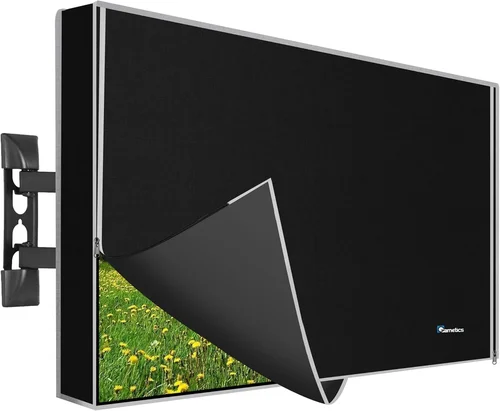
What to do instead: Invest in a TV specifically rated for outdoor or semi-outdoor use. These models are built with sealed casings, weather-resistant materials, and enhanced cooling systems. If budget is a concern, consider an indoor TV in a weatherproof enclosure—but only as a temporary solution.
❌ Mistake: Ignoring Brightness Requirements
Why it’s bad: A dim screen will be nearly impossible to see during the day, especially on sunny days. You’ll end up squinting or watching with the lights off, which defeats the purpose of an outdoor entertainment setup.
What to do instead: Choose a TV with at least 1,000 nits of brightness. For maximum visibility, aim for 1,500–2,500 nits. Check reviews and specifications to confirm real-world performance, as some manufacturers exaggerate brightness claims.
❌ Mistake: Overlooking Audio Needs
Why it’s bad: Built-in speakers on outdoor TVs are often weak and easily drowned out by wind, traffic, or ambient noise. You may end up turning the volume to maximum, which can distort sound and drain the TV’s power.
What to do instead: Plan for external audio from the start. Invest in a weatherproof soundbar or outdoor speaker system. Look for TVs with optical audio or Bluetooth output for easy connectivity.
❌ Mistake: Choosing the Wrong Screen Size
Why it’s bad: A TV that’s too small will be hard to see from a distance, while one that’s too large can dominate the space and cause eye strain. Both scenarios reduce enjoyment and value.
What to do instead: Measure your viewing distance and use a size recommendation chart. For most screened porches, 55–65 inches is ideal. Test with a temporary setup (like a projector) if possible.
❌ Mistake: Skimping on the Mount
Why it’s bad: A flimsy or indoor-rated mount can corrode, loosen, or fail under the weight of an outdoor TV. This poses a serious safety risk, especially in windy conditions.
What to do instead: Use a heavy-duty, weatherproof mount rated for outdoor use. Ensure it’s compatible with your TV’s VESA pattern and can support its weight. Consider professional installation for peace of mind.
❌ Mistake: Not Planning for Power and Cables
Why it’s bad: Exposed cables can be tripping hazards, get damaged by weather, or attract pests. Running power improperly can also violate electrical codes and create fire risks.
What to do instead: Use outdoor-rated extension cords, conduit, or in-wall wiring. Install a GFCI outlet near the TV location. Hire an electrician if needed to ensure safe, code-compliant installation.
❌ Mistake: Ignoring Warranty and Support
Why it’s bad: Outdoor TVs are expensive, and repairs can be costly. Without a solid warranty, you’re on the hook for any failures due to weather or manufacturing defects.
What to do instead: Choose a brand with a strong warranty (2+ years) and good customer support. Read reviews to see how the company handles service requests and replacements.
Budget Guidelines: How Much Should You Spend?
– Entry-Level ($500 – $1,200): These are typically indoor TVs used with outdoor enclosures or basic semi-outdoor models. They offer decent picture quality but limited weather protection and brightness (under 700 nits). Best for shaded porches with minimal sun exposure. Expect shorter lifespans and fewer smart features.
– Mid-Range ($1,200 – $2,500): This is the sweet spot for most screened porch owners. These TVs are purpose-built for semi-outdoor use, with IP55 ratings, 1,000+ nits brightness, and robust smart platforms. Brands like Samsung Terrace and LG offer excellent options in this range. You’ll get reliable performance, good audio, and 2–3 year warranties.
– Premium ($2,500 – $4,000): Designed for serious outdoor enthusiasts, these models feature all-weather construction, 2,000+ nits brightness, advanced cooling, and premium audio. Ideal for large porches, outdoor kitchens, or homes in extreme climates. Expect top-tier build quality and extensive connectivity.
– Luxury ($4,000+): These are commercial-grade or custom-built outdoor displays with 24/7 operation capability, ultra-high brightness (3,000+ nits), and industrial-grade durability. Often used in resorts, stadiums, or high-end homes. Includes features like remote monitoring, modular designs, and extended service plans.
Expert Tips for Getting the Best Deal
– Buy during off-seasons: Prices on outdoor TVs drop significantly in fall and winter when demand is lower. Look for end-of-summer sales in August and September.
– Check manufacturer rebates: Brands like Samsung and LG often offer rebates or bundle deals with mounts and soundbars. Sign up for newsletters to stay informed.
– Compare online and in-store: Online retailers like Amazon, Best Buy, and specialty outdoor tech stores often have better prices and return policies. However, in-store demos let you test brightness and sound.
– Consider refurbished models: Certified refurbished outdoor TVs from reputable sellers can save you 20–30% off retail. Ensure they come with warranties.
– Read user reviews: Look for long-term reviews (6+ months) that discuss durability, brightness, and customer service. Avoid models with recurring complaints about overheating or screen fogging.
– Negotiate installation packages: Some retailers offer discounts when you bundle TV, mount, and installation. Ask about package deals.
– Check return policies: Ensure you can return the TV if it doesn’t perform as expected. Some outdoor TVs may look great in-store but fail in real-world conditions.
– Test before committing: If possible, rent or borrow a similar model for a weekend to see how it performs in your space.
Frequently Asked Questions
Q: Can I use a regular TV on my screened porch?
A: Technically yes, but it’s not recommended. Indoor TVs lack weatherproofing, brightness, and durability for outdoor use. Even in a screened porch, humidity and temperature changes can damage internal components over time. For long-term reliability, choose an outdoor-rated model.
Q: Do outdoor TVs need to be covered or protected?
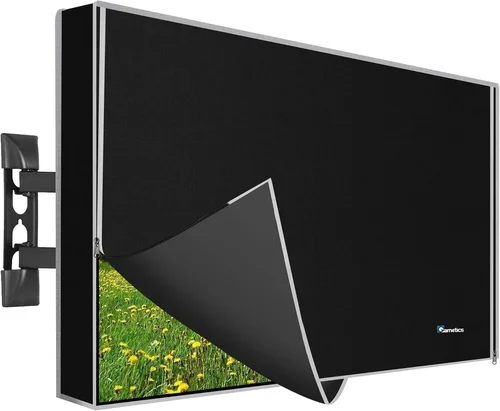
A: While outdoor TVs are built to withstand the elements, it’s still wise to provide some protection. Use a weatherproof cover when not in use, especially during storms or winter. Avoid placing the TV in direct sunlight for extended periods, as this can reduce lifespan.
Q: How do I clean an outdoor TV screen?
A: Use a microfiber cloth and a mild screen cleaner designed for electronics. Avoid ammonia-based cleaners or abrasive materials. Gently wipe the screen and housing. For tough grime, dampen the cloth slightly—never spray liquid directly on the TV.
Q: Can I mount an outdoor TV on a ceiling?
A: Yes, many outdoor TVs support ceiling mounting with compatible outdoor-rated brackets. Ensure the mount is rated for the TV’s weight and can withstand wind or vibration. Use lag bolts into structural beams for safety.
Q: Do outdoor TVs come with remotes?
A: Yes, most include standard infrared remotes. Some models also support Bluetooth remotes or smartphone apps for easier control. Consider a remote with backlighting for nighttime use.
Q: Will an outdoor TV work in the rain?
A: Outdoor TVs with IP55 or higher ratings can withstand light rain and splashes. However, they’re not designed for direct, heavy rainfall. If your porch is exposed to frequent downpours, consider a fully covered area or a higher IP-rated model.
Q: How long do outdoor TVs last?
A: With proper care, a quality outdoor TV can last 7–10 years or more. Lifespan depends on climate, usage, and build quality. Regular maintenance and protection from extreme conditions can extend its life.
Q: Can I connect a gaming console to an outdoor TV?
A: Absolutely. Most outdoor TVs have multiple HDMI ports and support 4K/60Hz, making them great for gaming. Ensure the TV has low input lag (under 20ms) for responsive gameplay. Pair with a weatherproof sound system for the full experience.
Q: Are outdoor TVs energy efficient?
A: Many modern outdoor TVs use LED backlighting and energy-saving modes to reduce power consumption. Look for ENERGY STAR certification for lower electricity bills. Brightness settings can also be adjusted to save energy.
Q: What’s the difference between all-weather and semi-outdoor TVs?
A: All-weather TVs are built for full outdoor exposure (decks, patios) with maximum weather protection and brightness. Semi-outdoor models are designed for covered areas like screened porches and offer a balance of performance and cost.
Our Final Recommendations
– Best for Budget-Conscious Buyers: Samsung The Terrace Partial Sun 55″ – Offers excellent brightness (1,500 nits), IP55 rating, and smart features at a competitive price. Ideal for covered porches with partial sun exposure.
– Best Overall Value: SunBriteTV Veranda Series 65″ – Combines rugged durability, 2,000+ nits brightness, and a user-friendly interface. Perfect for most screened porch setups with reliable long-term performance.
– Best Premium Option: Seura Outdoor 4K Ultra Bright 75″ – Features 3,000 nits brightness, anti-glare glass, and commercial-grade construction. Ideal for large porches or luxury outdoor theaters.
– Best for Beginners: LG OLED Flex 48″ – While not fully outdoor-rated, it can be used in a screened porch with a weatherproof enclosure. Offers stunning picture quality and ease of use for first-time buyers.
– Best for Advanced Users: SunBriteTV Pro Series 86″ – Built for 24/7 operation with extreme brightness, modular design, and remote monitoring. Best for tech-savvy users who want a professional-grade setup.
Conclusion: Making the Right Choice
Choosing the right outdoor TV for your screened porch is about more than just picture quality—it’s about creating a space where you can relax, entertain, and enjoy the outdoors without compromise. From weather resistance and brightness to smart features and audio performance, every detail matters when selecting a TV that will thrive in your unique environment.
By prioritizing your needs—whether that’s budget, size, or durability—and avoiding common pitfalls, you can find a model that delivers years of reliable entertainment. Remember to consider installation, warranty, and long-term support, and don’t hesitate to invest in quality. A well-chosen outdoor TV transforms your screened porch from a seasonal retreat into a year-round hub of comfort and connection.
Take your time, do your research, and don’t rush the decision. The perfect outdoor TV is out there—ready to bring your favorite shows, sports, and movies to life under the open sky.

