
Outdoor entertainment is no longer a luxury reserved for dry, sun-drenched climates. Thanks to advances in weather-resistant technology, homeowners in rainy regions can now enjoy high-quality television experiences right on their patios, decks, or covered porches—even when the skies open up. Whether you’re watching the big game under a pergola in Seattle, catching a movie night in Portland, or streaming your favorite show from a screened-in porch in the Pacific Northwest, having the right outdoor TV is essential. But not all TVs are built to withstand constant moisture, temperature swings, and humidity. That’s where this comprehensive buying guide comes in.
This guide is designed specifically for buyers in rainy climates who want to invest in an outdoor TV that delivers performance, durability, and long-term value. We’ll walk you through every critical factor—from build quality and weatherproofing to screen brightness and smart features—so you can make a confident, informed decision. You’ll learn how to avoid common pitfalls, understand what features truly matter in wet environments, and discover which models offer the best balance of price and performance. Whether you’re a first-time buyer or upgrading from an indoor TV used outdoors, this guide will equip you with expert-level knowledge to find the perfect outdoor TV for your space.
The market for outdoor TVs has evolved significantly in recent years. What once consisted of bulky, overpriced specialty units has now expanded to include sleek, modern designs with 4K resolution, HDR support, and full smart TV capabilities—all engineered to endure the elements. Brands like Samsung, Sony, LG, and specialized manufacturers such as SunBriteTV and Seura have introduced models tailored for partial and full outdoor use. However, with so many options available, it’s easy to get overwhelmed. This guide cuts through the noise, focusing exclusively on what matters most for rainy climates: protection from water, resistance to corrosion, reliable performance in low-light conditions, and long-term reliability.

What to Look for When Buying Buying Guide
1. Weather Resistance & IP Rating
When shopping for an outdoor TV in a rainy climate, the most critical factor is weather resistance. Unlike indoor TVs, outdoor models must be built to withstand constant exposure to moisture, humidity, and temperature fluctuations. The first thing to check is the TV’s Ingress Protection (IP) rating, which indicates how well the unit resists dust and water. For outdoor use in rainy areas, look for a minimum IP55 rating—this means the TV is protected against low-pressure water jets from any direction and limited dust ingress. However, for full exposure or areas with heavy rainfall, an IP65 or higher rating is strongly recommended. IP65 offers complete protection against dust and protection from water projected by a nozzle, making it ideal for uncovered patios or decks.
Beyond the IP rating, examine the materials used in the TV’s construction. High-quality outdoor TVs feature powder-coated aluminum or stainless-steel chassis that resist rust and corrosion. Avoid plastic enclosures, which can degrade over time when exposed to UV rays and moisture. Additionally, ensure that all ports, vents, and seams are sealed with gaskets or rubberized coatings to prevent water infiltration. Some premium models even include internal heaters or cooling systems to regulate temperature and prevent condensation buildup inside the unit.
2. Screen Brightness & Anti-Glare Technology
One of the biggest challenges with outdoor TVs in rainy climates is visibility. Overcast skies, mist, and reflections from wet surfaces can make screens appear dim or washed out. To combat this, outdoor TVs must have significantly higher brightness levels than indoor models. Look for a minimum brightness of 700 nits, but ideally aim for 1,000 nits or more. This ensures the image remains clear and vibrant even on cloudy or drizzly days.
In addition to brightness, anti-glare and anti-reflective coatings are essential. These coatings reduce the impact of ambient light and prevent the screen from acting like a mirror when wet. Some high-end models feature optically bonded glass, which eliminates the air gap between the LCD panel and the outer glass. This not only improves clarity but also enhances durability by preventing moisture from seeping into the display layers. If you plan to watch TV in direct sunlight during breaks in the rain, consider a model with a high dynamic range (HDR) and local dimming for better contrast and color accuracy.
3. Build Quality & Durability
Durability is non-negotiable when it comes to outdoor electronics. Rainy climates often bring not just water, but also temperature extremes, humidity, and potential mold or mildew growth. A well-built outdoor TV should be constructed with materials that resist these environmental stressors. As mentioned earlier, aluminum and stainless steel are ideal for the chassis and mounting hardware. These metals are lightweight, strong, and naturally resistant to rust.
Pay close attention to the internal components as well. Look for TVs with conformal-coated circuit boards, which are treated with a protective layer to prevent corrosion from moisture and salt air (especially important in coastal rainy regions). The power supply and internal wiring should also be sealed and rated for outdoor use. Avoid models with exposed vents or unsealed speaker grilles, as these can allow water to enter during heavy downpours.
Another durability factor is the mounting system. Outdoor TVs should come with or be compatible with heavy-duty, corrosion-resistant mounts that can withstand wind and weather. Wall mounts should be rated for the TV’s weight and include tilt or swivel features for optimal viewing angles. If you’re mounting on a post or pole, ensure the hardware is stainless steel and rated for outdoor use.
4. Performance Specifications
While durability is paramount, you still want a TV that delivers excellent picture and sound quality. In rainy climates, where outdoor viewing often happens in the evening or on overcast days, performance specs become even more important. Start with resolution: 4K Ultra HD is the standard for outdoor TVs in 2026, offering sharp, detailed images that hold up well in larger screen sizes. Avoid 1080p models unless you’re on a very tight budget—4K provides a noticeably better experience, especially when sitting closer to the screen.
HDR support is another key feature. High Dynamic Range enhances contrast, color depth, and brightness, making scenes look more lifelike. Look for HDR10, HDR10+, or Dolby Vision compatibility, depending on your content sources. For sound, built-in speakers on outdoor TVs are often limited due to space and weatherproofing constraints. However, many models include robust, weather-resistant speakers with enhanced bass and clarity. If audio quality is a priority, consider pairing your TV with outdoor-rated soundbars or wireless speakers designed for wet environments.
Smart TV capabilities are now standard on most outdoor models. Ensure the TV runs a modern platform like Android TV, webOS, or Tizen, with access to popular streaming apps like Netflix, YouTube, and Disney+. Voice control via Google Assistant or Alexa is a nice bonus, especially for hands-free operation in the rain. Connectivity options should include multiple HDMI ports, USB inputs, and Wi-Fi 6 for fast, stable streaming.
5. Size & Viewing Distance
Choosing the right screen size is crucial for both comfort and visibility. In outdoor settings, especially under covered areas, you may be sitting closer to the TV than you would indoors. A general rule of thumb is to multiply your viewing distance (in inches) by 0.84 to determine the ideal screen size in inches. For example, if you’re sitting 8 feet (96 inches) away, a 70- to 80-inch TV would be appropriate.
However, in rainy climates, larger screens can be more susceptible to glare and reflections from wet surfaces. If your viewing area is partially exposed or near water features, consider a slightly smaller screen with higher brightness and better anti-reflective properties. Also, factor in the physical space available. Measure your mounting area carefully, including clearance for ventilation and cable management. Some outdoor TVs are thicker than indoor models due to weatherproofing, so ensure there’s enough depth for proper installation.
6. Brand Reputation & Specialization
Not all TV brands are created equal when it comes to outdoor performance. While major manufacturers like Samsung and LG offer outdoor-compatible models, specialized brands like SunBriteTV, Seura, and Peerless-AV have built their reputations on designing TVs specifically for outdoor use. These companies conduct rigorous testing in real-world conditions, including salt spray, humidity chambers, and thermal cycling, to ensure long-term reliability.
Research customer reviews and third-party testing reports. Look for brands that provide detailed environmental specifications and have a track record of standing behind their products. Avoid generic or off-brand “outdoor TVs” sold online without clear IP ratings or warranty support. A reputable brand may cost more upfront, but it often translates to better performance, longer lifespan, and superior customer service.
7. Warranty & Support
Given the harsh conditions outdoor TVs face, a strong warranty is essential. Most reputable outdoor TV manufacturers offer warranties ranging from 2 to 5 years, covering defects, water damage, and component failure. Some even provide on-site service or expedited replacement programs. Always read the fine print: some warranties are voided if the TV is installed incorrectly or exposed to conditions beyond its rating.
Customer support is equally important. Choose a brand with accessible technical support, clear installation guides, and responsive service teams. If you live in a remote area or have a complex setup, consider brands that offer remote diagnostics or local dealer networks. A good warranty and support system can save you hundreds in repair or replacement costs down the line.
8. Installation & Maintenance
Proper installation is just as important as the TV itself. Even the most weather-resistant TV can fail prematurely if mounted incorrectly. Always follow the manufacturer’s guidelines for mounting height, ventilation, and cable routing. Use outdoor-rated cables and connectors, and seal all connections with silicone or weatherproof tape. If running cables through walls or under decks, use conduit to protect them from moisture and pests.
Maintenance is minimal but necessary. Clean the screen regularly with a microfiber cloth and mild cleaner—avoid ammonia-based products, which can damage anti-reflective coatings. Inspect seals and gaskets annually for wear or cracking. In coastal or high-humidity areas, consider using a dehumidifier in enclosed spaces or applying a protective spray to metal components.
Different Types of Buying Guide

Common Buying Mistakes to Avoid
❌ Mistake: Using an Indoor TV Outdoors
Why it’s bad: Indoor TVs are not designed to handle moisture, temperature changes, or UV exposure. Even under cover, condensation can form inside the unit, leading to corrosion, screen fogging, and electrical failure. Most indoor TVs have plastic casings that degrade in sunlight and lack proper sealing.
What to do instead: Always choose a TV specifically rated for outdoor use. If budget is a concern, consider a high-quality indoor TV paired with a certified outdoor enclosure, but ensure the enclosure is ventilated and rated for your climate.
❌ Mistake: Ignoring the IP Rating
Why it’s bad: Without a proper IP rating, you have no guarantee the TV can withstand rain, splashes, or humidity. A TV labeled “weather-resistant” without an IP code may only be splash-proof, not suitable for constant outdoor exposure.
What to do instead: Verify the IP rating before purchasing. For rainy climates, IP55 is the minimum, but IP65 or higher is ideal. Check the manufacturer’s documentation for exact testing conditions.
❌ Mistake: Overlooking Screen Brightness
Why it’s bad: A dim screen will be nearly unwatchable on overcast days or in shaded areas. Many buyers assume outdoor TVs are automatically bright, but some budget models cut corners on luminance.
What to do instead: Aim for at least 700 nits, but 1,000+ nits is better for visibility. Look for models with anti-glare coatings and optically bonded glass for clearer images in low light.
❌ Mistake: Poor Installation Practices
Why it’s bad: Incorrect mounting can lead to water pooling, cable damage, or even TV failure. Using indoor mounts or improper sealing can void warranties and create safety hazards.
What to do instead: Hire a certified installer or follow the manufacturer’s guidelines precisely. Use outdoor-rated mounts, seal all connections, and ensure proper ventilation.
❌ Mistake: Neglecting Audio Quality
Why it’s bad: Outdoor environments are noisy—wind, rain, and distant traffic can drown out built-in speakers. Many outdoor TVs have underpowered audio systems.
What to do instead: Invest in a weather-resistant soundbar or wireless outdoor speakers. Look for models with Bluetooth, Wi-Fi, or wired connectivity options.
❌ Mistake: Skipping the Warranty Check
Why it’s bad: Outdoor TVs are expensive, and repairs can be costly. A weak or limited warranty leaves you vulnerable to unexpected failures.
What to do instead: Choose a brand with a comprehensive warranty (3+ years) that covers weather-related damage. Register your product and keep all documentation.
❌ Mistake: Buying Based on Price Alone
Why it’s bad: The cheapest option often lacks essential features like proper sealing, brightness, or durability. You may end up replacing it within a year.
What to do instead: Focus on value, not just cost. A mid-range outdoor TV with strong reviews and a good warranty often outperforms a cheaper model in the long run.
Budget Guidelines: How Much Should You Spend?
– Entry-Level ($1,000 – $2,000): These are typically indoor TVs in outdoor enclosures or basic partial-sun models. Expect lower brightness (500–700 nits), limited smart features, and shorter warranties. Best for covered areas with minimal exposure. Examples include Samsung The Terrace Partial Sun or LG OLED in a Peerless enclosure.
– Mid-Range ($2,000 – $4,000): The sweet spot for most homeowners. These TVs offer 4K resolution, 700–1,000 nits brightness, IP55 rating, and full smart TV capabilities. Models like SunBriteTV Veranda Series or Seura Outdoor TVs fall here. Ideal for covered patios and screened porches.
– Premium ($4,000 – $7,000): Designed for serious outdoor entertainment. Features include 1,000+ nits brightness, IP65 rating, HDR support, and advanced cooling systems. Brands like SunBriteTV Pro Series or Samsung The Terrace Full Sun offer exceptional durability and performance.
– Luxury ($7,000+): Top-tier models with commercial-grade components, 24/7 operation capability, and custom installation options. These are built for extreme climates and high-end homes. Expect features like internal heaters, remote monitoring, and lifetime support.
Expert Tips for Getting the Best Deal
– Buy During Off-Season: Prices drop in late fall and winter when demand is low. Look for end-of-season sales from retailers like Best Buy, Crutchfield, or specialty outdoor electronics stores.
– Compare Retailers: Online retailers often offer better pricing and free shipping. Check Crutchfield, Abt, and Amazon for competitive deals. In-store pickup can save on delivery fees.
– Bundle with Accessories: Some sellers offer discounts when you buy a TV with a mount, soundbar, or extended warranty. These bundles can save $200–$500.
– Check for Rebates: Manufacturers occasionally offer mail-in rebates or trade-in programs. SunBriteTV and Seura have run promotions for upgrading from older models.
– Read Return Policies: Ensure the retailer allows returns if the TV doesn’t perform as expected. Some outdoor TVs require professional installation, so verify return windows.
– Test Before Finalizing: If possible, visit a showroom to see the TV in person. Check brightness, color accuracy, and menu navigation under dim lighting.
– Consider Financing: Many retailers offer 0% APR financing for 12–24 months. This spreads out the cost without interest if paid on time.
– Register for Alerts: Sign up for newsletters from outdoor TV brands and retailers to get early access to sales and new product launches.
Frequently Asked Questions
Q: Can I use a regular TV outside if it’s under cover?
A: Technically yes, but it’s not recommended. Indoor TVs lack proper sealing and corrosion protection. Even under cover, humidity and temperature swings can cause internal damage over time. For long-term reliability, use an outdoor-rated TV or a certified enclosure.
Q: How long do outdoor TVs last in rainy climates?
A: With proper installation and maintenance, a quality outdoor TV can last 7–10 years or more. SunBriteTV and Seura report average lifespans of 8+ years in coastal and rainy regions when cared for properly.
Q: Do outdoor TVs need to be covered when not in use?
A: Not if they’re rated for full outdoor use (IP65+). However, using a weatherproof cover during extended periods of non-use (e.g., winter storage) can extend lifespan and reduce wear.
Q: Can I mount an outdoor TV on a post or pole?
A: Yes, but use a heavy-duty, corrosion-resistant pole mount rated for outdoor use. Ensure the pole is securely anchored and can withstand wind loads. Consult a professional for installation.
Q: Are outdoor TVs energy efficient?
A: Most modern outdoor TVs use LED backlighting and efficient processors, similar to indoor models. Look for ENERGY STAR certification to ensure low power consumption.
Q: Can I connect streaming devices like Roku or Apple TV?
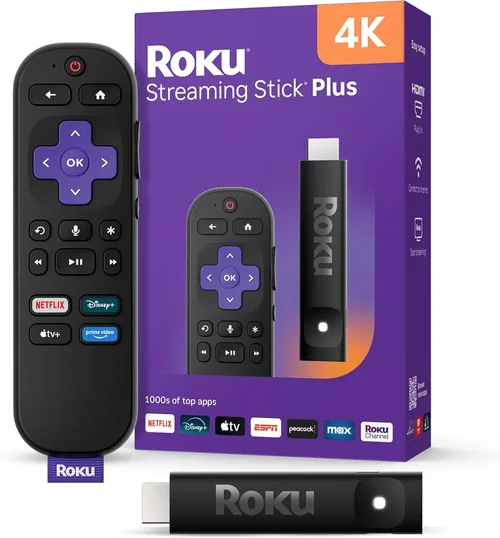
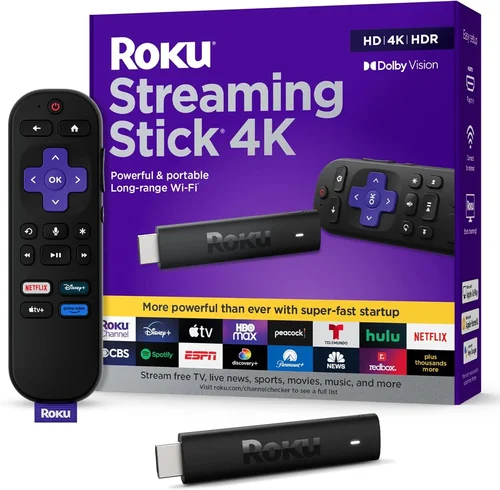
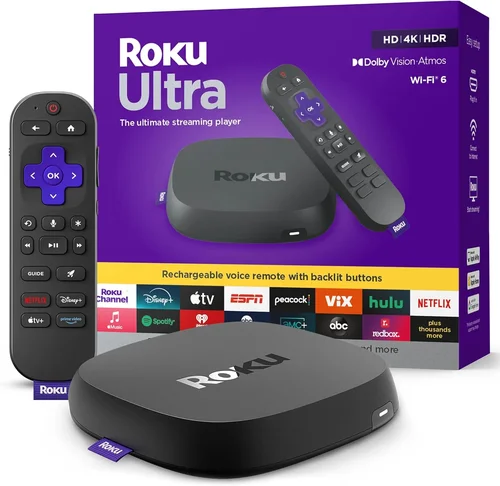
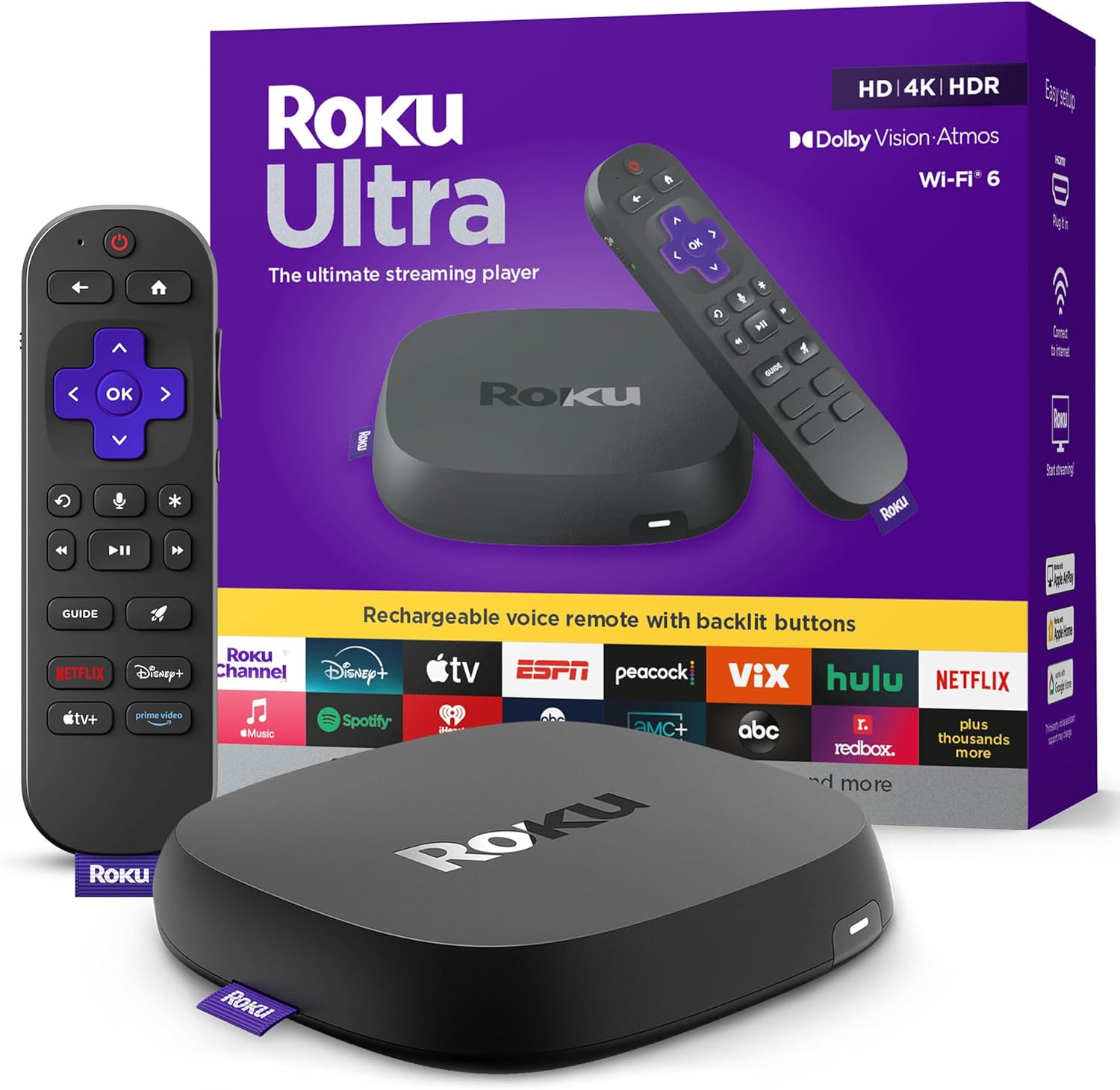
A: Yes, most outdoor TVs have multiple HDMI ports. However, ensure any external device is also protected from the elements or placed in a weatherproof box.
Q: What’s the difference between partial sun and full sun models?
A: Partial sun TVs are designed for covered areas with indirect light and have lower brightness (700–1,000 nits). Full sun models are built for direct exposure, with 1,500+ nits brightness and enhanced cooling.
Q: Do outdoor TVs come with remotes that work in the rain?
A: Most include standard IR remotes, which may not work well when wet. Consider upgrading to a Bluetooth remote or using a smartphone app for control.
Q: Can I use an outdoor TV in winter?
A: Yes, as long as it’s rated for cold climates. Look for models with operating temperatures down to -22°F (-30°C). Avoid turning on the TV if it’s been exposed to freezing temperatures without acclimating.
Q: Is professional installation worth it?
A: For complex setups or full-sun installations, yes. Professionals ensure proper sealing, ventilation, and compliance with local codes. It can prevent costly mistakes and voided warranties.
Our Final Recommendations
– Best for Budget-Conscious Buyers: Samsung The Terrace Partial Sun (55″) – Offers excellent 4K performance, 700 nits brightness, and smart features at a competitive price. Ideal for covered patios.
– Best Overall Value: SunBriteTV Veranda Series (65″) – Combines IP55 rating, 1,000 nits brightness, and robust build quality. A reliable choice for most rainy climates.
– Best Premium Option: SunBriteTV Pro Series (75″) – Full IP65 rating, 1,500+ nits, internal cooling, and commercial-grade durability. Perfect for uncovered decks and extreme weather.
– Best for Beginners: Seura Outdoor TV (55″) – Sleek design, easy setup, and strong customer support. Great for first-time outdoor TV owners.
– Best for Advanced Users: Samsung The Terrace Full Sun (85″) – Cutting-edge QLED display, 2,000 nits brightness, and advanced smart features. Built for tech-savvy users who want the best.
Conclusion: Making the Right Choice
Investing in an outdoor TV for a rainy climate is a smart way to extend your living space and enjoy entertainment year-round. The key is to prioritize weather resistance, screen brightness, and build quality over flashy features or low price tags. By understanding the differences between partial and full sun models, verifying IP ratings, and choosing a reputable brand, you can find a TV that delivers stunning performance and lasting durability.
Remember, the best outdoor TV is one that matches your specific environment and usage needs. Whether you’re watching movies under a covered porch or hosting game nights on a rainy deck, the right TV will enhance your outdoor experience for years to come. Take the time to research, compare options, and consult with experts if needed. With the insights from this guide, you’re well-equipped to make a confident, informed decision.
Now is the perfect time to upgrade your outdoor entertainment setup. Don’t let the rain keep you indoors—bring the theater outside and enjoy every season to the fullest.

