
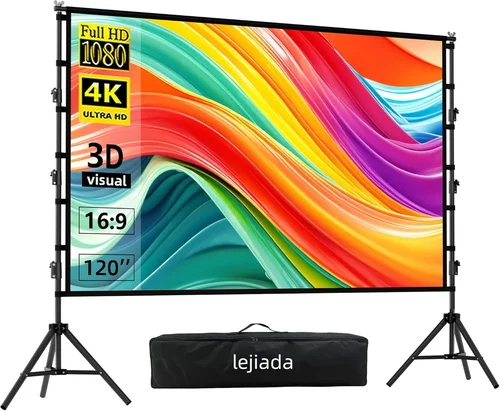
Outdoor movie nights have become one of the most beloved ways to enjoy entertainment under the stars. Whether you’re hosting a family gathering, a romantic evening for two, or a neighborhood block party, transforming your backyard into a personal cinema creates unforgettable memories. But to truly elevate the experience, you need more than just a projector and a white sheet. A dedicated outdoor TV offers superior picture quality, durability, and convenience that can make all the difference.
That’s where this guide comes in. With so many options flooding the market—from weather-resistant displays to ultra-bright screens designed for daylight viewing—it’s easy to feel overwhelmed. The goal of this comprehensive buying guide is to cut through the noise and help you make an informed decision. We’ll walk you through every critical factor, from performance specs and build quality to budget considerations and common pitfalls. By the end, you’ll know exactly what to look for and how to choose the perfect outdoor TV for your backyard setup.
The outdoor TV market has evolved rapidly over the past few years. What once required expensive custom installations or fragile indoor TVs mounted in protective enclosures now includes purpose-built models from trusted brands like Samsung, LG, Sony, and specialized companies such as SunBriteTV and Seura. These units are engineered to withstand rain, humidity, dust, extreme temperatures, and even direct sunlight—all while delivering stunning 4K HDR visuals. Whether you’re looking for a permanent wall-mounted solution or a portable model for occasional use, there’s never been a better time to invest in an outdoor display. Let’s dive in and explore everything you need to know before making your purchase.

What to Look for When Buying Buying Guide
1. Brightness & Display Technology
One of the most critical factors when choosing an outdoor TV is brightness—measured in nits. Unlike indoor TVs, which typically range from 300 to 600 nits, outdoor models need significantly higher brightness to combat ambient light. For shaded patios or evening use, a minimum of 700 nits is acceptable, but for full sun exposure or daytime viewing, look for displays with 1,000 nits or more. Some premium models even reach 2,500–3,000 nits, ensuring crisp, vibrant images even at noon.
Display technology also plays a key role. Most outdoor TVs use either LED-LCD or OLED panels. While OLED offers deeper blacks and better contrast, it’s less common in outdoor models due to cost and potential burn-in risks in high-brightness environments. Instead, many manufacturers opt for advanced LED-LCD panels with anti-glare coatings, local dimming, and enhanced color accuracy. Look for features like quantum dot (QLED) or mini-LED backlighting for improved color volume and brightness uniformity.
2. Weather Resistance & IP Rating
Outdoor TVs must endure the elements—rain, snow, dust, humidity, and temperature swings. That’s why weather resistance is non-negotiable. Look for models with an Ingress Protection (IP) rating, which indicates how well the unit resists solids (like dust) and liquids (like water). For outdoor use, an IP55 or higher rating is ideal. IP55 means the TV is protected against dust (limited ingress) and low-pressure water jets from any direction—perfect for most backyard setups.
Beyond the IP rating, consider the TV’s internal components. High-quality outdoor TVs feature sealed cooling systems, corrosion-resistant screws, and gaskets around ports and vents. Some models even include built-in heaters or fans to prevent condensation in cold or humid climates. Avoid using indoor TVs with third-party enclosures unless they’re specifically rated for outdoor use—many fail prematurely due to poor ventilation or inadequate sealing.
3. Screen Size & Viewing Distance
Choosing the right screen size depends on your seating arrangement and available space. A general rule of thumb: for every 1 inch of screen diagonal, you should sit about 1.5 to 2.5 feet away. So, a 55-inch TV is best viewed from 7 to 11 feet, while an 85-inch model suits distances of 13 to 21 feet. In a typical backyard setup with lounge chairs or a sectional sofa, a 65-inch to 75-inch screen strikes a great balance between immersion and practicality.
Don’t forget to account for mounting height and angle. The center of the screen should be at or slightly below eye level when seated—usually around 42 to 48 inches from the ground. If you’re mounting above a fire pit or outdoor kitchen, ensure the TV is tilted downward to reduce glare and improve visibility. Also, consider whether you’ll be viewing from multiple angles; wider viewing angles (178° horizontal/vertical) are essential for group settings.
4. Audio Quality & Sound Solutions
While picture quality often takes center stage, audio is equally important for an immersive movie night. Most outdoor TVs come with built-in speakers, but these are typically underpowered and lack bass—especially when competing with ambient noise like wind, traffic, or chatter. Many manufacturers design their outdoor models with minimal speaker output to reduce heat buildup and moisture risk.
For the best experience, plan to pair your TV with external audio. Options include weather-resistant soundbars (like the Sonos Arc Outdoor or Bose Professional FreeSpace), wireless Bluetooth speakers, or a full outdoor speaker system wired to an AV receiver. If you’re mounting the TV near a covered patio or pergola, consider in-ceiling or wall-mounted speakers for a clean, integrated look. Always test audio sync if using wireless solutions—latency can ruin the cinematic effect.
5. Connectivity & Smart Features
Modern outdoor TVs come packed with smart capabilities, but not all are created equal. Look for models with Wi-Fi 6 or Ethernet ports for stable streaming, multiple HDMI 2.1 inputs (for gaming consoles or 4K Blu-ray players), and USB ports for media playback. Built-in streaming platforms like Roku TV, Android TV, or webOS allow direct access to Netflix, Disney+, and other services without needing a separate box.
However, be cautious about over-reliance on smart features in extreme conditions. While the TV itself is weatherproof, prolonged exposure to high heat or humidity can affect internal processors over time. For reliability, consider using an external streaming device (like an Apple TV 4K or NVIDIA Shield) mounted in a shaded, ventilated enclosure nearby. This also makes future upgrades easier without replacing the entire TV.
6. Mounting & Installation Requirements
Proper mounting is crucial for both safety and performance. Outdoor TVs are heavier than indoor models due to reinforced casings and additional components, so you’ll need a robust wall mount rated for the TV’s weight and size. Full-motion mounts allow tilting and swiveling, which helps reduce glare and adjust viewing angles—but ensure the mount is also weather-rated (look for powder-coated steel or aluminum).
Installation location matters too. Avoid placing the TV directly under eaves or gutters where water might drip. If mounting on a freestanding pole or stand, anchor it securely to prevent tipping in strong winds. For permanent installations, consult a licensed electrician to run weatherproof conduit for power and signal cables. Never use standard indoor extension cords outdoors—opt for outdoor-rated, GFCI-protected outlets instead.
7. Brand Reputation & Ecosystem Compatibility
Not all outdoor TV brands are equal. Established names like Samsung, LG, and Sony offer reliable performance and strong customer support, but their outdoor models can be pricey. Specialized brands like SunBriteTV (now part of SnapAV), Seura, and Avid Power focus exclusively on outdoor displays and often include features tailored for backyard use—such as automatic brightness adjustment or enhanced cooling.
Consider ecosystem compatibility if you already own smart home devices. For example, Samsung’s outdoor TVs integrate seamlessly with SmartThings, while LG’s webOS supports Google Assistant and Alexa. If you use Apple devices, ensure AirPlay 2 support for easy screen mirroring. Reading professional reviews and user feedback on forums like AVS Forum or Reddit can reveal long-term reliability issues that specs alone won’t show.
8. Warranty & Customer Support
Outdoor TVs represent a significant investment, so robust warranty coverage is essential. Most reputable brands offer 2- to 3-year limited warranties that cover defects and weather-related failures—but read the fine print. Some exclude damage from improper installation, power surges, or extreme temperatures outside specified ranges. Extended warranties or service plans may be worth considering, especially in regions with harsh climates.
Customer support quality varies widely. Look for brands with dedicated outdoor product support lines, online troubleshooting guides, and local service networks. Avoid overseas or no-name brands with vague return policies or slow response times. A good warranty isn’t just about repair costs—it’s peace of mind knowing your investment is protected.
Different Types of Buying Guide

Common Buying Mistakes to Avoid
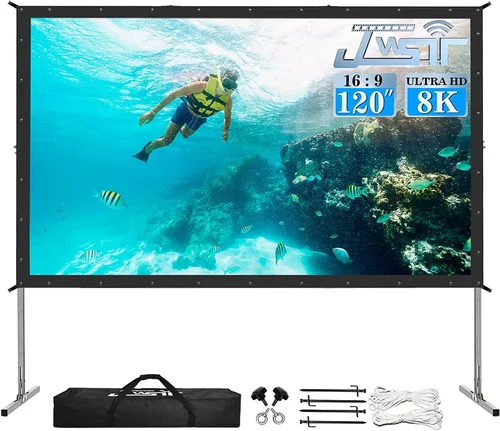
❌ Mistake: Using an Indoor TV Outdoors Without Proper Protection
Why it’s bad: Indoor TVs aren’t designed to handle moisture, temperature fluctuations, or dust. Even brief exposure to rain or high humidity can cause internal corrosion, short circuits, or screen fogging. Many users report failures within weeks of outdoor installation.
What to do instead: Either invest in a purpose-built outdoor TV or use a certified weatherproof enclosure with active cooling and ventilation. Never rely on tarps or plastic covers—they trap heat and moisture.
❌ Mistake: Ignoring Brightness Requirements for Daytime Viewing
Why it’s bad: A TV with only 500 nits will appear washed out or completely invisible in direct sunlight. You’ll end up watching a dim, gray image no matter how high you crank the brightness.
What to do instead: Match the TV’s brightness to your environment. For shaded areas, 700–1,000 nits is sufficient. For full sun, choose 1,500+ nits. Check real-world reviews—not just manufacturer claims.
❌ Mistake: Overlooking Audio Needs
Why it’s bad: Built-in outdoor TV speakers are often quiet and tinny. Without external audio, dialogue becomes hard to hear, and the cinematic experience falls flat—especially with background noise.
What to do instead: Budget for a weather-resistant soundbar or speaker system from day one. Test audio sync during setup to avoid lip-sync issues.
❌ Mistake: Choosing the Wrong Mount or Installation Spot
Why it’s bad: An unsecured mount can tip over in wind, and poor placement leads to glare, awkward viewing angles, or water damage. DIY installations without electrical expertise can also create fire hazards.
What to do instead: Use a VESA-compatible, weather-rated mount and consult a professional for wiring. Avoid mounting near sprinklers, gutters, or reflective surfaces like glass doors.
❌ Mistake: Skipping the Warranty Fine Print
Why it’s bad: Some warranties void coverage if the TV is installed by an unlicensed technician or used in temperatures below 32°F or above 104°F. You could be stuck with a $3,000 repair bill.
What to do instead: Read the warranty terms carefully before purchasing. Choose brands with clear, comprehensive coverage and local service options.
❌ Mistake: Buying Based Solely on Price
Why it’s bad: The cheapest option often lacks essential features like adequate brightness, proper sealing, or reliable smart functionality. You may end up replacing it within a year.
What to do instead: Focus on value—not just cost. A mid-range outdoor TV with strong reviews and a solid warranty often outperforms a discounted “bargain” model long-term.
Budget Guidelines: How Much Should You Spend?
Outdoor TVs span a wide price range, and your budget should align with usage frequency, climate, and desired features. Here’s a realistic breakdown:
Entry-Level ($800–$1,800): This tier includes portable outdoor TVs or indoor models in basic enclosures. Expect 55–65 inch screens, 700–1,000 nits brightness, and limited smart features. Ideal for occasional weekend use in covered patios or mild climates. Brands like TCL and Hisense offer decent options here, but durability may be a concern in harsh weather.
Mid-Range ($2,000–$4,000): The sweet spot for most homeowners. These TVs offer 1,000–2,000 nits brightness, IP55+ ratings, reliable smart platforms, and better build quality. Models from SunBriteTV, Seura, and select Samsung/LG outdoor lines fall here. Perfect for permanent installations with regular use.
Premium ($4,000–$7,000): Designed for enthusiasts and high-end homes. Expect 2,500+ nits brightness, mini-LED or QLED panels, advanced cooling systems, and premium audio integration. These units handle full sun exposure and extreme temperatures with ease. Great for large backyards or commercial-like setups.
Luxury ($7,000+): Top-tier commercial-grade displays or custom installations. These support 24/7 operation, modular designs, and professional calibration. Typically used in resorts, stadiums, or luxury estates. Overkill for casual users but unmatched in performance and longevity.
Expert Tips for Getting the Best Deal
- Shop during seasonal sales: Look for discounts in spring (before outdoor season peaks) or Black Friday. Many retailers offer bundle deals with mounts or soundbars.
- Compare retailers: Check authorized dealers like Best Buy, Crutchfield, or specialty outdoor tech stores. Online marketplaces may have lower prices but weaker warranties.
- Negotiate extended warranties: Some retailers include free extended coverage with purchase—ask before checkout.
- Read return policies: Ensure you can return or exchange the TV if it doesn’t perform as expected. Outdoor conditions vary, and what works in a showroom may not suit your yard.
- Test in person if possible: Visit a showroom to evaluate brightness, color accuracy, and remote responsiveness in simulated outdoor lighting.
- Consider refurbished models: Certified pre-owned outdoor TVs from reputable sellers often come with full warranties at 20–30% off.
- Join loyalty programs: Stores like Costco or Sam’s Club offer member-exclusive pricing and return flexibility.
- Check for rebates: Some utility companies or local governments offer energy-efficiency rebates for outdoor electronics—worth investigating.
Frequently Asked Questions
Q: Can I use my regular indoor TV outside if I cover it?
A: Technically yes, but it’s risky and not recommended for long-term use. Without proper ventilation and sealing, moisture and heat buildup can damage internal components. If you must, use a certified outdoor enclosure with active cooling and avoid direct sun or rain exposure.
Q: Do outdoor TVs consume more power than indoor models?
A: Yes, due to higher brightness and cooling systems. Expect 20–50% higher energy use. Look for ENERGY STAR-certified models to minimize impact on your electricity bill.
Q: How do I clean an outdoor TV screen?
A: Use a microfiber cloth and distilled water only. Avoid ammonia-based cleaners or paper towels, which can scratch anti-glare coatings. Power off the TV before cleaning.
Q: Will an outdoor TV work in winter or snowy conditions?
A: Most are rated for temperatures from -4°F to 122°F (-20°C to 50°C). However, snow accumulation on the screen can block the image. Use a gentle brush to clear snow, and ensure the mount allows for easy access.
Q: Can I connect a gaming console to an outdoor TV?
A: Absolutely. Look for HDMI 2.1 ports with support for 4K/120Hz, VRR, and ALLM for smooth gameplay. Just ensure your console is stored indoors or in a weatherproof cabinet nearby.
Q: Do outdoor TVs come with remotes that work in the dark?
A: Many include backlit or glow-in-the-dark remotes. Check product specs—this small feature makes a big difference during evening movie nights.
Q: How long do outdoor TVs typically last?
A: With proper care, 7–10 years is common. Commercial-grade models may last even longer. Avoid leaving the TV on 24/7 unless it’s specifically rated for continuous operation.
Q: Can I stream live sports or news on an outdoor TV?
A: Yes, as long as you have a strong Wi-Fi signal or Ethernet connection. Use apps like YouTube TV, Hulu + Live TV, or Sling for live broadcasts.
Q: Is it safe to leave an outdoor TV plugged in during a storm?
A: While the TV itself is weatherproof, power surges from lightning can damage electronics. Use a surge protector and consider unplugging during severe storms if possible.
Our Final Recommendations
Best for Budget-Conscious Buyers: SunBriteTV Veranda Series (55-inch) – At around $1,800, it offers excellent brightness (1,000 nits), IP55 rating, and reliable performance for covered patios. A great entry point into outdoor viewing.
Best Overall Value: Seura Outdoor TV (65-inch, 4K) – Priced near $3,200, it delivers 1,500 nits brightness, sleek design, and robust smart features. Ideal for most backyard setups with mixed lighting conditions.
Best Premium Option: Samsung The Terrace (75-inch, QLED) – With 2,500 nits brightness, quantum dot color, and seamless SmartThings integration, this $5,500 model is perfect for luxury outdoor cinemas and full-sun environments.
Best for Beginners: Avid Power Outdoor TV (50-inch Portable) – Lightweight, easy to set up, and under $1,000. Great for renters or those testing the waters before committing to a permanent install.
Best for Advanced Users: LG UltraBright Outdoor Display (86-inch, Commercial Grade) – Built for 24/7 operation, this $9,000+ beast supports modular expansion, professional calibration, and extreme weather resilience—ideal for tech-savvy enthusiasts or small venues.
Conclusion: Making the Right Choice
Choosing the right outdoor TV for your backyard movie night isn’t just about picking the biggest or brightest screen—it’s about matching the technology to your lifestyle, environment, and expectations. From understanding critical specs like brightness and IP ratings to avoiding common installation pitfalls, this guide has equipped you with the knowledge to make a confident, informed decision.
Remember, the best outdoor TV is the one that fits your space, withstands your climate, and delivers consistent performance year after year. Don’t rush the process. Take time to assess your needs, read real user reviews, and consult professionals when necessary. Whether you’re hosting a cozy date night or a full-blown outdoor premiere, the right TV will transform your backyard into a cinematic oasis.
Now that you’re armed with expert insights, it’s time to take action. Start by defining your must-have features, set a realistic budget, and explore the recommended models above. Your perfect outdoor movie experience is just a purchase away.

