
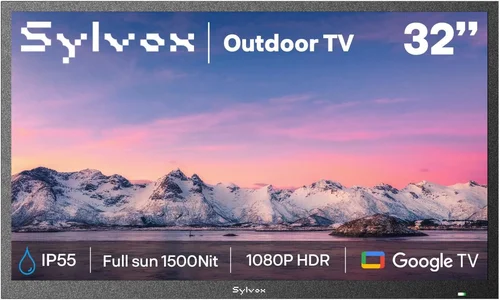
Outdoor living spaces have evolved dramatically over the past decade, especially for apartment dwellers who once thought enjoying a movie night under the stars was out of reach. With limited square footage and shared walls, many renters assumed that setting up a quality outdoor entertainment system—especially one centered around a television—was impractical, if not impossible. But thanks to advances in weather-resistant technology, compact designs, and smart installation solutions, outdoor TVs are now a realistic and increasingly popular option even for those in high-rise buildings or small balconies.
This comprehensive buying guide is designed specifically for apartment residents who want to bring the comfort and excitement of indoor viewing to their outdoor spaces. Whether you’re looking to host weekend barbecues with friends, unwind after work on your patio, or simply enjoy morning coffee while catching up on the news, choosing the right outdoor TV requires careful consideration. Unlike standard indoor TVs, outdoor models must withstand temperature swings, humidity, dust, and direct sunlight—all while delivering crisp visuals and reliable performance. In this guide, we’ll walk you through every critical factor, from budget and durability to smart features and installation logistics, so you can make a confident, informed decision that fits both your lifestyle and your space.
By the end of this article, you’ll understand exactly what to look for in an outdoor TV tailored to apartment living. We’ll break down the key technical specifications, compare different types of outdoor displays, highlight common pitfalls to avoid, and offer expert-backed recommendations based on real-world use cases. Whether you’re working with a tight budget or ready to invest in a premium setup, this guide will equip you with the knowledge to transform your balcony, rooftop terrace, or small backyard into a functional and enjoyable outdoor media hub.

What to Look for When Buying Buying Guide
1. Weather Resistance & IP Rating
One of the most critical factors when selecting an outdoor TV for your apartment is its ability to withstand the elements. Unlike indoor televisions, outdoor models are exposed to rain, snow, dust, UV rays, and temperature extremes—even on covered balconies or patios. The first thing to check is the TV’s Ingress Protection (IP) rating, which indicates how well the device resists solid particles (like dust) and liquids (like rain).
Look for a minimum IP55 rating, which means the TV is protected against dust ingress and water jets from any direction. For more exposed locations—such as rooftop terraces or uncovered balconies—opt for IP65 or higher. An IP65-rated TV is fully dust-tight and can handle low-pressure water sprays, making it ideal for year-round use in most climates. Some premium models even offer IP66 or IP67 ratings, providing additional protection against powerful water jets or temporary immersion.
Beyond the IP rating, consider the TV’s operating temperature range. Most quality outdoor TVs function reliably between -22°F and 122°F (-30°C to 50°C), which covers nearly all seasonal variations in temperate zones. If you live in an area with harsh winters or scorching summers, verify that the model you choose can handle those extremes without compromising performance or longevity.
2. Brightness & Anti-Glare Display
Sunlight is the enemy of screen visibility outdoors. A standard indoor TV typically peaks at around 300–400 nits of brightness—fine for a dimly lit living room but nearly invisible in direct sunlight. Outdoor TVs, by contrast, are engineered with high-brightness panels that deliver at least 700 nits, with many premium models exceeding 1,000 nits.
When evaluating brightness, look for specifications like “high-luminance LED backlighting” or “sunlight-readable display.” These features ensure that colors remain vibrant and text remains legible even at noon on a cloudless day. Additionally, anti-reflective coatings and optically bonded glass are essential. Optically bonded screens reduce internal reflections by fusing the LCD panel directly to the outer glass, minimizing glare and improving contrast in bright conditions.
For apartment dwellers, this is especially important because outdoor spaces often lack shade structures. If your balcony faces south or west, you’ll experience prolonged direct sun exposure during peak hours. In such cases, prioritize TVs with at least 1,000 nits of brightness and a matte finish to combat glare. Some manufacturers also offer optional sunshades or visors that attach to the top of the TV, further enhancing visibility.
3. Build Quality & Durability
Outdoor TVs aren’t just about surviving the weather—they’re built to last. The chassis should be constructed from corrosion-resistant materials like powder-coated aluminum or marine-grade stainless steel. These metals resist rust and degradation caused by salt air (important for coastal apartments) and humidity.
Pay close attention to the internal components as well. Quality outdoor TVs use conformal-coated circuit boards, which are sprayed with a protective polymer that shields against moisture, dust, and thermal stress. This coating prevents short circuits and extends the TV’s lifespan significantly compared to uncoated electronics.
Another durability consideration is the mounting system. Many outdoor TVs come with specialized VESA-compatible mounts designed to withstand wind loads and vibrations. For apartment installations—where drilling into concrete or masonry may be restricted—look for models that support secure, low-profile wall mounts or even freestanding pole systems that don’t require permanent fixtures.
Finally, consider the warranty. A durable outdoor TV should come with at least a 2–3 year warranty that covers both parts and labor, including damage from environmental factors. Brands that stand behind their products with comprehensive coverage are more likely to use high-quality materials and rigorous testing standards.
4. Size & Viewing Distance
Choosing the right screen size for your outdoor space is crucial—especially in apartments where every inch counts. A TV that’s too large can overwhelm a small balcony, while one that’s too small may be hard to see from a comfortable seating distance.
As a general rule, multiply your viewing distance (in inches) by 0.84 to determine the ideal screen diagonal. For example, if you’ll be sitting 6 feet (72 inches) away, a 60-inch TV (72 × 0.84 ≈ 60) would be optimal. However, outdoor environments often benefit from slightly larger screens due to ambient light and potential visual distractions.
For typical apartment balconies (8–12 feet deep), a 50- to 65-inch TV is usually the sweet spot. Larger screens (70+ inches) are better suited for rooftop terraces or shared courtyards where viewers may be seated farther back. Keep in mind that outdoor TVs are heavier and bulkier than indoor models due to their reinforced enclosures, so ensure your mounting surface can support the weight.
Also consider the TV’s depth. Some outdoor models are significantly thicker than indoor equivalents—sometimes up to 3–4 inches—due to insulation and cooling systems. Measure your available wall or stand space carefully before purchasing.
5. Smart Features & Connectivity
Modern outdoor TVs aren’t just dumb displays—they’re full-fledged smart platforms. Look for models running established operating systems like Android TV, webOS, or Roku TV, which give you access to streaming apps (Netflix, YouTube, Disney+, etc.) without needing an external device.
Wi-Fi connectivity is a must, but for apartments with weak outdoor signals, consider TVs with dual-band Wi-Fi (2.4 GHz and 5 GHz) and external antenna ports. Some high-end models even include built-in cellular modems or Ethernet pass-through for wired connections, ensuring stable streaming even in remote corners of your building.
HDMI ports are essential for connecting gaming consoles, soundbars, or cable boxes. Aim for at least two HDMI 2.0 or 2.1 inputs to future-proof your setup. USB ports allow for media playback or firmware updates, while Bluetooth enables wireless audio streaming to headphones or portable speakers.
Voice control via Google Assistant or Amazon Alexa is another valuable feature, especially when your hands are full with food or drinks. Just say “Hey Google, play my playlist” and enjoy seamless control without touching the remote.
6. Audio Performance & Sound Solutions
Most outdoor TVs come with built-in speakers, but don’t expect cinematic sound. Due to space and weather constraints, internal audio systems are often underpowered and lack bass. For casual viewing, they may suffice, but for movie nights or music sessions, you’ll want to supplement with external audio.
Consider pairing your TV with a weather-resistant soundbar or wireless outdoor speakers. Many brands offer matching audio systems designed to integrate seamlessly with their TVs. Alternatively, use Bluetooth to connect portable speakers or a multi-room audio system like Sonos Move or Bose SoundLink Revolve+.
If you prefer wired setups, look for TVs with optical audio output or RCA jacks to connect to an amplifier or powered speakers. Some models even support HDMI ARC (Audio Return Channel), simplifying connections to AV receivers.
For apartment dwellers concerned about noise complaints, wireless headphones are a great compromise. Many outdoor TVs support Bluetooth headphone pairing, allowing you to enjoy loud content without disturbing neighbors.
7. Installation & Mounting Flexibility
Apartment living often comes with restrictions on modifications. Landlords may prohibit drilling into exterior walls, and condo associations might have strict rules about visible hardware. Therefore, installation flexibility is a major consideration.
Look for TVs that support multiple mounting options: full-motion articulating arms (for adjustable viewing angles), tilt-only brackets (for fixed positioning), or low-profile fixed mounts (for a sleek, flush look). Some models are compatible with freestanding floor stands or ceiling mounts, which can be useful for renters who can’t attach anything to walls.
Weight is another factor. Outdoor TVs can weigh 20–40% more than indoor equivalents due to their rugged enclosures. Ensure your chosen mount is rated for the TV’s weight and that your wall or structure can support it. For concrete or brick walls, use masonry anchors; for drywall, toggle bolts or snap toggles are safer bets.
If you’re unsure about installation, consult a professional. Many retailers offer white-glove delivery and setup services, which can be worth the extra cost for peace of mind—especially in high-rise buildings where access is limited.
8. Brand Reputation & Customer Support
Not all outdoor TV brands are created equal. Stick with manufacturers known for reliability, innovation, and strong customer service. Established names like Samsung, LG, and Sony have begun offering outdoor-compatible models, but specialists like SunBriteTV, Seura, and Avid Power dominate the niche market with purpose-built designs.
Research user reviews on trusted platforms like Amazon, Best Buy, or specialized forums. Pay attention to comments about long-term durability, ease of setup, and responsiveness of customer support. A brand that offers live chat, detailed installation guides, and quick replacement parts is far more valuable than one with flashy specs but poor service.
Also check if the company provides local service centers or partnerships with certified installers. If your TV develops an issue, you don’t want to ship it across the country for repairs—especially if you rely on it for daily entertainment.
Different Types of Buying Guide

Common Buying Mistakes to Avoid
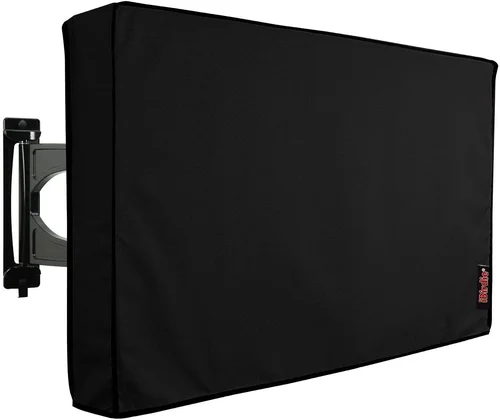
❌ Mistake: Buying a Regular Indoor TV for Outdoor Use
Why it’s bad: Indoor TVs lack weatherproofing, have low brightness, and aren’t designed for temperature fluctuations. Using one outside—even under cover—can lead to rapid failure, fogging, or electrical hazards.
What to do instead: Always choose a TV specifically rated for outdoor use. If budget is tight, consider a partial-cover model or a DIY enclosure, but never expose a standard TV to the elements.
❌ Mistake: Ignoring Sunlight Exposure When Choosing Brightness
Why it’s bad: A TV with only 500 nits will appear washed out in direct sun, making it unusable during daylight hours—defeating the purpose of an outdoor setup.
What to do instead: Assess your space’s sun exposure throughout the day. For full sun, select a TV with at least 1,000 nits and anti-glare coating. Use a lux meter app to measure ambient light if unsure.
❌ Mistake: Overlooking Mounting Restrictions in Rental Agreements
Why it’s bad: Drilling into exterior walls without permission can result in security deposit deductions or lease violations. Some buildings prohibit any external modifications.
What to do instead: Review your lease or HOA guidelines before purchasing. Opt for non-permanent solutions like freestanding stands, tension mounts, or removable adhesive brackets designed for heavy loads.
❌ Mistake: Skimping on Audio Due to Assumed Noise Limits
Why it’s bad: Poor sound ruins the viewing experience, especially outdoors where ambient noise (traffic, wind, neighbors) competes with dialogue.
What to do instead: Invest in weatherproof speakers or use Bluetooth headphones. Even a modest outdoor soundbar can dramatically improve clarity and immersion without excessive volume.
❌ Mistake: Choosing Based Solely on Price
Why it’s bad: The cheapest outdoor TVs often cut corners on build quality, brightness, and warranty—leading to premature failure and higher long-term costs.
What to do instead: Focus on value, not just price. A mid-range TV with solid reviews and a good warranty will outlast and outperform a bargain model that fails after one season.
❌ Mistake: Neglecting Power and Cable Management
Why it’s bad: Exposed cords are tripping hazards, attract pests, and degrade faster outdoors. Running extension cords across walkways is unsafe and unsightly.
What to do instead: Plan for concealed wiring through conduit or raceways. Use outdoor-rated power strips with surge protection and consider hiring an electrician to install a dedicated outdoor outlet if needed.
❌ Mistake: Assuming All “Outdoor” TVs Are Equal
Why it’s bad: Marketing terms like “weather-resistant” or “outdoor-ready” can be misleading. Some products are only suitable for fully enclosed spaces.
What to do instead: Read the fine print. Verify IP ratings, operating temperature ranges, and intended use cases. When in doubt, contact the manufacturer directly.
Budget Guidelines: How Much Should You Spend?
– Entry-Level ($600–$1,200): These are typically partial-cover models or indoor/outdoor convertibles. They offer basic weather resistance (IP54), moderate brightness (500–700 nits), and limited smart features. Best for covered balconies with minimal sun exposure. Expect shorter lifespans (3–5 years) and fewer warranty options.
– Mid-Range ($1,200–$2,500): This is the sweet spot for most apartment dwellers. These TVs feature IP55 or IP65 ratings, 700–1,000+ nits brightness, full smart platforms, and robust build quality. Ideal for semi-exposed areas like open patios or east-facing balconies. Many include 2–3 year warranties and reliable customer support.
– Premium ($2,500–$4,500): Designed for enthusiasts and those seeking long-term investment. These models boast IP66 ratings, 1,000–2,000 nits brightness, advanced cooling systems, and commercial-grade components. Perfect for rooftop terraces or homes in extreme climates. Often include professional installation services and extended warranties.
– Luxury ($4,500+): Top-tier all-season or commercial displays with 2,000+ nits, 24/7 operation capability, vandal-resistant casings, and integrated audio systems. Geared toward luxury apartments, shared building amenities, or users who demand flawless performance in any condition. Expect 5+ year lifespans and concierge-level support.
Expert Tips for Getting the Best Deal
– Buy During Off-Season: Prices drop significantly in late fall and winter (November–February) when demand is lowest. Retailers often clear inventory before spring launches.
– Check Manufacturer Refurbished Programs: Brands like SunBriteTV and Seura offer certified refurbished units at 20–40% off retail, with full warranties. These are rigorously tested and nearly indistinguishable from new.
– Bundle with Accessories: Some retailers offer discounts when you purchase a TV with a mount, soundbar, or Wi-Fi extender. Compare bundle prices versus buying separately.
– Use Price Tracking Tools: Set alerts on CamelCamelCamel (for Amazon) or Honey to monitor price drops. Outdoor TVs rarely go on sale frequently, so timing matters.
– Negotiate with Local Installers: If hiring a pro, ask if they offer package deals for TV + installation. Many will discount labor if you buy the hardware through them.
– Verify Return Policies: Ensure the seller allows returns within 30–60 days, especially for large items. Outdoor TVs are difficult to resell if they don’t meet expectations.
– Test Before Finalizing: If possible, visit a showroom to see the TV in bright lighting. Brightness and color accuracy can vary significantly between models.
– Consider Energy Efficiency: Look for ENERGY STAR certification. High-brightness panels consume more power, so efficient models save on electricity over time.

Frequently Asked Questions
Q: Can I use a regular TV outdoors if I cover it with a plastic sheet?
A: Absolutely not. Plastic traps moisture, creates condensation, and offers no protection against UV damage or temperature swings. It can also cause overheating and electrical shorts. Always use a purpose-built outdoor TV or certified enclosure.
Q: Do outdoor TVs need special outlets or wiring?
A: Not necessarily, but they should be plugged into a GFCI (Ground Fault Circuit Interrupter) outlet for safety, especially in damp areas. If your outdoor outlet isn’t GFCI-protected, have one installed by a licensed electrician.
Q: How do I hide cables on my balcony?
A: Use outdoor-rated cable raceways, conduit, or adhesive cord covers. Paint them to match your wall for a seamless look. Avoid running cords across walkways—route them along railings or under furniture instead.
Q: Will an outdoor TV work in winter?
A: Yes, if it’s rated for low temperatures. Most quality models operate down to -22°F (-30°C). However, avoid turning it on immediately after bringing it in from extreme cold—let it acclimate to room temperature first to prevent condensation.
Q: Can I mount an outdoor TV on a balcony railing?
A: Only if the railing is structurally sound and the mount is specifically designed for railings. Most standard wall mounts won’t fit. Check weight limits and ensure the TV doesn’t protrude into walkways or violate building codes.
Q: Do outdoor TVs come with remotes that work in sunlight?
A: Most use standard IR remotes, which can struggle in bright light. Look for models with RF (radio frequency) remotes or smartphone app control for better reliability outdoors.
Q: How long do outdoor TVs typically last?
A: With proper care, a quality outdoor TV should last 7–10 years. Cheaper models may fail in 3–5 years due to component degradation from heat and moisture.
Q: Are there solar-powered outdoor TV options?
A: Not yet for full-size TVs, but portable solar generators can power smaller displays. This is more common for camping or off-grid use than apartment setups.
Q: Can I stream 4K content reliably outdoors?
A: Yes, provided your Wi-Fi signal is strong. Use a 5 GHz band for less interference and consider a weatherproof mesh extender if needed. Most modern outdoor TVs support 4K HDR streaming.
Q: What if my apartment has no outdoor power outlet?
A: You’ll need to have one installed by a qualified electrician. Running extension cords from inside is unsafe and often violates fire codes. Many cities require permits for outdoor electrical work.
Our Final Recommendations
– Best for Budget-Conscious Buyers: SunBriteTV Veranda Series (55-inch) – Offers excellent value with IP55 rating, 700 nits brightness, and Android TV at under $1,500. Ideal for covered patios.
– Best Overall Value: Seura Shadow 65-inch – Combines IP65 durability, 1,000 nits brightness, and sleek design. Priced around $2,200, it’s perfect for semi-exposed apartment terraces.
– Best Premium Option: Avid Power Pro 75-inch All-Season – Built for extreme conditions with IP66 rating, 2,000 nits, and integrated cooling. At $3,800, it’s a long-term investment for serious outdoor entertainers.
– Best for Beginners: LG Outdoor Smart TV (Partial Cover, 50-inch) – User-friendly webOS interface, easy setup, and reliable performance for under $1,000. Great for first-time buyers.
– Best for Advanced Users: Samsung The Terrace 75-inch – Features Quantum Dot technology, 1,500 nits brightness, and seamless smart integration. Designed for tech-savvy users who want cutting-edge performance.
Conclusion: Making the Right Choice
Choosing an outdoor TV for your apartment is more than just picking a screen that looks good—it’s about finding a durable, high-performance solution that fits your space, budget, and lifestyle. From weather resistance and brightness to smart features and installation flexibility, every detail matters when you’re bringing entertainment outdoors.
Remember, the goal isn’t to replicate your living room setup exactly, but to enhance your outdoor experience with reliable, enjoyable technology. Prioritize your must-have features: if sun visibility is your biggest challenge, invest in brightness and anti-glare. If you’re a renter, focus on non-permanent mounting and portability. And always balance upfront cost with long-term value—cheaper isn’t always better when it comes to outdoor electronics.
With the insights from this guide, you’re now equipped to navigate the market confidently. Whether you’re sipping coffee on your morning balcony or hosting a summer movie night under the stars, the right outdoor TV will transform your apartment’s outdoor space into a true extension of your home. Take your time, do your research, and choose wisely—your future self will thank you every time you press play.

