
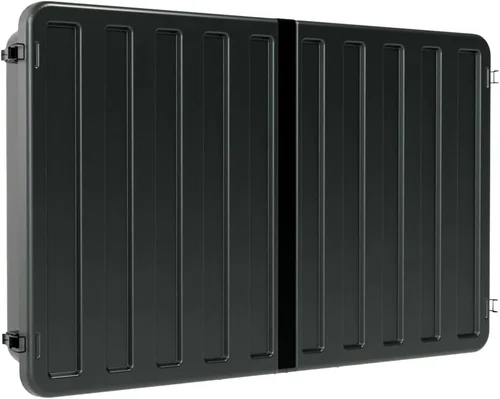
Watching your favorite sports outdoors on a deck transforms a simple game day into an unforgettable experience. Whether you’re hosting a Super Bowl party, cheering on your local team during a summer tournament, or enjoying a casual weekend match with friends and family, having the right TV setup can make all the difference. But choosing a television for outdoor use isn’t as simple as grabbing the biggest screen from the electronics store. Outdoor environments present unique challenges—direct sunlight, temperature swings, humidity, dust, and even pests—that can quickly degrade or damage a standard indoor TV. That’s why investing in a purpose-built or properly protected deck TV is essential for long-term enjoyment and value.
This comprehensive guide is designed to help you navigate the often-confusing world of outdoor televisions in 2026. We’ll walk you through every critical factor you need to consider—from display technology and weather resistance to smart features and installation logistics. You’ll learn how to balance performance with durability, how to avoid common pitfalls, and how to get the best possible viewing experience without overspending. Whether you’re a casual viewer or a die-hard sports fan who never misses a play, this guide will equip you with expert-level knowledge to make a confident, informed decision. By the end, you’ll know exactly what to look for, what to avoid, and which models deliver the best bang for your buck in real-world outdoor conditions.
The market for outdoor TVs has evolved significantly in recent years. Once dominated by bulky, expensive specialized units, today’s options include weather-resistant indoor TVs paired with protective enclosures, fully sealed outdoor-rated displays, and even portable solutions for flexible setups. Brands like Samsung, LG, Sony, and dedicated outdoor specialists such as SunBriteTV and Seura now offer models tailored specifically for patios, decks, and backyard entertainment zones. With advancements in anti-glare coatings, brighter panels, and smarter cooling systems, outdoor viewing has never been clearer or more immersive. However, this variety also means more complexity—so understanding your specific needs and environment is key to finding the perfect fit.

What to Look for When Buying a Deck TV
1. Brightness & Anti-Glare Performance
One of the most critical factors for any outdoor TV is brightness—measured in nits. Standard indoor TVs typically range from 300 to 500 nits, which is fine for dimly lit living rooms but completely inadequate under direct sunlight. For deck use, especially in areas with full sun exposure, you’ll want a display that delivers at least 700 nits, with 1,000+ nits being ideal. High brightness ensures that colors remain vivid and details stay sharp even when the sun is shining directly on the screen.
Equally important is anti-glare technology. Many outdoor TVs feature matte finishes or specialized optical filters that diffuse reflections instead of reflecting them like a mirror. Look for terms like “anti-reflective coating,” “direct sunlight readable,” or “outdoor viewing optimized.” Some premium models even incorporate quantum dot or mini-LED backlighting to enhance contrast and color accuracy in bright conditions. Without proper glare control, your screen can become unwatchable during daytime games, turning what should be an exciting moment into a frustrating squint-fest.
2. Weather Resistance & IP Rating
Outdoor TVs must withstand the elements—rain, snow, dust, and extreme temperatures. This is where the Ingress Protection (IP) rating becomes crucial. The IP code consists of two digits: the first indicates protection against solid particles (like dust), and the second against liquids (like rain). For deck use, aim for at least an IP55 rating (dust protected and protected against water jets), though IP65 or higher is preferable for full weather sealing.
However, don’t assume all “outdoor” TVs are created equal. Some manufacturers market indoor TVs as suitable for covered patios, but these often lack true weatherproofing and may void warranties if used outside. True outdoor-rated TVs are built with sealed chassis, corrosion-resistant materials, and internal heating/cooling systems to prevent condensation and overheating. If you live in a region with harsh winters or frequent rain, investing in a fully weatherized model is non-negotiable.
3. Display Technology: OLED vs. QLED vs. LED
The type of display panel significantly impacts image quality, especially in outdoor settings. Here’s how the main technologies compare:
– LED/LCD: The most common and affordable option. Modern LED TVs with full-array local dimming (FALD) offer excellent brightness and decent contrast, making them solid choices for decks. However, they can struggle with black levels in bright environments.
– QLED (Quantum Dot LED): Samsung’s QLED technology enhances color volume and brightness, often reaching 1,500–2,000 nits. This makes QLED a strong contender for sunny decks, though glare can still be an issue without proper coating.
– OLED: Known for perfect blacks and infinite contrast, OLED excels in dark rooms—but most standard OLED panels max out around 800 nits and are highly reflective. While newer “outdoor-ready” OLEDs exist (like LG’s G3 series with enhanced brightness), they’re rare and expensive. For most deck applications, QLED or high-brightness LED is a safer bet.
Choose based on your primary viewing time: if you mostly watch evening games, OLED’s superior contrast might justify the trade-offs. But for daytime sports, prioritize brightness and anti-glare over deep blacks.
4. Size & Viewing Distance
Bigger isn’t always better—especially outdoors. On a deck, you’re likely closer to the screen than in a living room, so oversizing can lead to pixelation or an overwhelming experience. A good rule of thumb: for every 1 inch of screen size, sit about 1.5 feet away. So a 55-inch TV is ideal for seating 6–8 feet away, while a 75-inch model suits 10–12 feet.
Also consider sightlines. Will guests be viewing from multiple angles? If so, opt for a TV with wide viewing angles (IPS panels or OLED). And remember: larger screens require more robust mounting solutions and may need additional ventilation or shading to prevent overheating in direct sun.
5. Smart Features & Connectivity
Modern sports fans expect seamless streaming, voice control, and multi-device integration. Ensure your deck TV runs a current smart platform like Google TV, webOS, or Tizen, which support popular apps like YouTube TV, ESPN+, Hulu Live, and NFL Sunday Ticket. Look for built-in Wi-Fi 6 or Ethernet ports for stable streaming, especially if your deck is far from your router.
HDMI 2.1 ports are valuable if you plan to connect gaming consoles or future-proof for 4K/120Hz content. Also check for USB ports, Bluetooth audio support (for wireless speakers), and compatibility with voice assistants like Alexa or Google Assistant. Avoid models with outdated operating systems—they’ll become obsolete quickly and may not support newer streaming services.
6. Mounting & Installation Flexibility
How and where you mount your TV affects both safety and usability. Most deck TVs use VESA-compatible wall mounts, but outdoor installations require extra considerations: corrosion-resistant hardware, tilt/swivel capabilities for optimal viewing angles, and secure anchoring to withstand wind or accidental bumps.
If your deck has a pergola or roof, consider a ceiling mount. For open decks, a sturdy wall mount with a weatherproof cover is essential. Some users opt for portable outdoor TV stands with wheels—ideal for moving the screen between the deck and garage. Just ensure the stand is weighted and stable enough to prevent tipping.
7. Audio Quality & External Speaker Options
Built-in TV speakers are rarely powerful enough for outdoor use, where ambient noise (wind, traffic, chatter) can drown out dialogue. Most outdoor TVs have limited audio output, so plan to add external speakers. Look for models with optical audio out, HDMI ARC, or Bluetooth connectivity to pair with weather-resistant soundbars or wireless outdoor speaker systems.
Some premium outdoor TVs include integrated high-wattage speakers designed for open spaces, but even these often benefit from supplemental audio. Consider a multi-zone audio system so you can enjoy commentary without disturbing neighbors.
8. Energy Efficiency & Operating Costs
Outdoor TVs—especially bright, high-performance models—can consume significant power. Check the Energy Star rating and estimated annual kWh usage. While the difference may seem small per hour, extended use during long tournaments or seasonal viewing can add up. LED and QLED TVs are generally more efficient than plasma or older LCDs.
Also factor in potential costs for enclosures, mounts, cables, and accessories. A $1,200 TV might end up costing $1,800+ with all necessary add-ons. Budget accordingly to avoid surprises.
Different Types of Deck TVs

Common Buying Mistakes to Avoid

❌ Mistake: Using a Standard Indoor TV Outdoors Without Protection
Why it’s bad: Indoor TVs aren’t designed to handle moisture, temperature extremes, or UV exposure. Even under a covered deck, condensation can form inside the panel, leading to fogging, corrosion, or complete failure within months. Most manufacturers void warranties for outdoor use.
What to do instead: Either invest in a true outdoor-rated TV or use a certified weatherproof enclosure designed for your specific model. Never assume “it’s just under the eaves” is safe enough.
❌ Mistake: Ignoring Sunlight Conditions When Choosing Brightness
Why it’s bad: A TV that looks great in a dim showroom will be washed out on a sunny deck. Many buyers regret purchasing mid-brightness models (500–600 nits) only to find them unusable during day games.
What to do instead: Assess your deck’s sun exposure throughout the day. If it gets direct sunlight for more than 2 hours, prioritize 1,000+ nits and anti-glare coatings. Consider adding a retractable awning or shade sail for extra protection.
❌ Mistake: Overlooking Audio Needs
Why it’s bad: Outdoor environments are noisy. Relying on built-in TV speakers results in muffled commentary and constant volume adjustments, ruining the viewing experience.
What to do instead: Budget for a weather-resistant soundbar or wireless speaker system from day one. Look for models with IPX5 or higher ratings and long-range Bluetooth connectivity.
❌ Mistake: Choosing the Wrong Size for the Space
Why it’s bad: A massive 85-inch TV might seem impressive, but on a small deck, it can dominate the space, cause eye strain, and require costly structural reinforcements.
What to do instead: Measure your deck and seating layout. Use online viewing distance calculators and stick to the 1.5x rule. Sometimes a well-placed 65-inch TV offers a better experience than an oversized 75-inch.
❌ Mistake: Skipping Professional Installation
Why it’s bad: DIY mounting on exterior walls can lead to water intrusion, electrical hazards, or TV detachment in high winds. Improper sealing around mounting holes invites pests and rot.
What to do instead: Hire a licensed installer experienced in outdoor AV setups. They’ll ensure proper grounding, cable management, and weatherproofing—saving you headaches and potential damage.
❌ Mistake: Neglecting Future-Proofing
Why it’s bad: Buying a TV with only HDMI 2.0 or an outdated OS limits your ability to stream 4K HDR content or use new devices. You’ll need to replace it sooner.
What to do instead: Choose models with HDMI 2.1, Wi-Fi 6, and current smart platforms. Even if you don’t use all features now, they’ll extend the TV’s usable life.
❌ Mistake: Focusing Only on Price, Not Total Cost of Ownership
Why it’s bad: A cheap TV might seem like a bargain, but add-ons (enclosure, mount, speakers, extended warranty) can double the cost. Poor durability leads to early replacement.
What to do instead: Calculate the full package cost before buying. Sometimes spending $300 more upfront saves $1,000 in the long run.
Budget Guidelines: How Much Should You Spend?
– Entry-Level ($400–$900): Ideal for shaded decks or occasional use. Expect indoor TVs with basic brightness (500–700 nits) used with simple enclosures or DIY shading. Image quality is decent but may struggle in direct sun. Brands like TCL, Vizio, and Hisense offer good value here. Best for casual viewers who prioritize affordability over performance.
– Mid-Range ($900–$2,000): The sweet spot for most deck owners. Includes high-brightness QLED or LED TVs (800–1,200 nits) with anti-glare coatings, often paired with quality enclosures. Models like the Samsung Q70C or LG NANO75 with a Peerless outdoor case fall here. You get excellent daytime visibility, reliable smart features, and solid build quality without breaking the bank.
– Premium ($2,000–$4,000): For enthusiasts who want top-tier performance and durability. Fully outdoor-rated TVs like the SunBriteTV Veranda Series or Samsung The Terrace deliver 1,500+ nits, IP55+ ratings, and commercial-grade components. These are built to last 7–10 years in harsh conditions and offer superior color accuracy and contrast.
– Luxury ($4,000+): Reserved for large decks, commercial applications, or tech aficionados. Think LG’s Ultra-Slim Outdoor displays or custom-installed systems with integrated lighting and climate control. These units offer 2,000+ nits, 24/7 operation capability, and concierge-level support—but come with a matching price tag.
Expert Tips for Getting the Best Deal
– Buy During Off-Season: Retailers discount outdoor TVs heavily in late fall and winter (October–February) when demand drops. You can save 20–30% compared to spring/summer peaks.
– Check Manufacturer Refurbished Programs: Brands like SunBriteTV and Samsung offer certified refurbished outdoor TVs with full warranties at 25–40% off retail. These are often returned units in like-new condition.
– Bundle with Accessories: Some retailers (e.g., Crutchfield, Abt) offer discounts when you buy a TV, mount, and enclosure together. Look for “outdoor entertainment packages.”
– Negotiate Installation: If hiring a pro, ask for package deals that include mounting, cable hiding, and speaker setup. Many installers offer 10–15% off bundled services.
– Read Real User Reviews: Skip the marketing fluff. Focus on reviews from users in similar climates who mention brightness, durability, and ease of use over 6+ months.
– Verify Return Policies: Outdoor TVs are hard to resell if returned. Ensure the retailer allows returns within 30–45 days, even for opened items.
– Consider Extended Warranties: While controversial, outdoor-specific extended warranties (2–3 years) can be worthwhile given the harsh environment. Compare coverage details carefully.
– Test Before Committing: If possible, visit a local dealer with outdoor demo units. Bring a friend to simulate group viewing and check for glare, color shift, and audio clarity.
Frequently Asked Questions
Q: Can I use my regular indoor TV on my covered deck?
A: Technically yes—if it’s fully covered, never exposed to rain or humidity, and you accept the risk of voided warranties and potential damage. However, for reliable, long-term use, we strongly recommend either a true outdoor TV or a certified weatherproof enclosure. Even “covered” areas can experience condensation, dust, and temperature swings that harm indoor electronics.
Q: Do outdoor TVs consume more power than indoor ones?
A: Generally, yes—especially high-brightness models. A 65-inch outdoor TV running at 1,000+ nits can use 20–30% more energy than an equivalent indoor TV at 500 nits. However, modern LED and QLED panels are relatively efficient. Check the EnergyGuide label for estimated annual costs, and consider using a smart plug to turn it off when not in use.
Q: How do I protect my outdoor TV from theft?
A: Use a locking mount with security screws, install motion-sensor lights, and consider a GPS tracker hidden inside the enclosure. For portable units, store them indoors when not in use. Some high-end mounts include built-in cable locks.
Q: Will an outdoor TV work in winter or cold climates?
A: Yes, but only if it’s rated for low temperatures. Most outdoor TVs operate from -30°F to 120°F. Avoid using indoor TVs in freezing conditions—LCDs can freeze and crack. Look for models with internal heaters or cold-start capabilities.
Q: Can I stream live sports reliably on an outdoor TV?
A: Absolutely—if you have strong Wi-Fi or wired Ethernet. Use a Wi-Fi extender or mesh network to boost signal to your deck. For critical games, a wired connection is more stable. Ensure your internet plan supports 25+ Mbps for 4K streaming.
Q: Do I need a special remote for outdoor use?
A: Not necessarily. Most modern remotes use Bluetooth or RF (radio frequency), which work through enclosures and in bright light. Avoid IR remotes if your TV is behind glass or in a sealed case—they require line-of-sight.
Q: How long do outdoor TVs typically last?
A: A quality outdoor-rated TV should last 7–10 years with proper care. Indoor TVs in enclosures may last 3–5 years depending on climate. Regular cleaning, avoiding extreme temperature shocks, and using surge protectors can extend lifespan.
Q: Are there solar-powered outdoor TV options?
A: Not mainstream yet, but portable solar generators (like Jackery or EcoFlow) can power smaller outdoor TVs for off-grid use. This is great for cabins or remote decks without electrical access.
Q: Can I mount an outdoor TV on a post or freestanding frame?
A: Yes, but ensure the structure is rated for the TV’s weight and wind load. Use marine-grade stainless steel hardware and consult a structural engineer if mounting tall or in high-wind areas.
Q: What’s the difference between “weather-resistant” and “weatherproof”?
A: “Weather-resistant” usually means splash-proof and dust-tight (IP54–IP55), suitable for covered areas. “Weatherproof” implies full sealing against rain, snow, and dust (IP65+), designed for direct exposure. Always check the IP rating, not just marketing terms.
Our Final Recommendations
– Best for Budget-Conscious Buyers: TCL 6-Series (R655) + Peerless PRM-UNV Outdoor Enclosure
Why: Delivers 1,000+ nits, mini-LED backlighting, and Google TV at under $900 total. Perfect for shaded decks and casual viewing.
– Best Overall Value: Samsung The Terrace (55” or 65”)
Why: Fully outdoor-rated, 1,500 nits brightness, IP55, and sleek design. Priced around $2,200, it balances performance, durability, and smart features better than any competitor.
– Best Premium Option: SunBriteTV Veranda Series (65” 4K)
Why: Built like a tank with 1,000 nits, anti-glare screen, and 3-year warranty. Ideal for full-sun decks and serious sports fans who want zero compromises.
– Best for Beginners: LG NANO75 + Sanus Outdoor Enclosure
Why: Easy setup, reliable webOS platform, and good brightness (700 nits). Great entry point for those new to outdoor viewing.
– Best for Advanced Users: LG Ultra-Slim Outdoor Display (75”)
Why: Commercial-grade build, 2,000+ nits, 24/7 operation, and modular design. For tech-savvy users with large decks and high expectations.
Conclusion: Making the Right Choice
Choosing the right deck TV for outdoor sports watching isn’t just about screen size or brand name—it’s about matching technology to your environment, usage patterns, and long-term goals. Brightness, weather resistance, and smart functionality are non-negotiable for a satisfying experience, while proper installation and audio support complete the picture. Avoid the temptation to cut corners with indoor TVs or undersized setups; the frustration of a washed-out screen or failed hardware far outweighs the initial savings.
Take time to evaluate your deck’s unique conditions: sun exposure, seating layout, climate, and how often you’ll use the TV. Use this guide’s criteria to narrow your options, and don’t hesitate to invest in quality—outdoor electronics are a long-term commitment. Whether you’re hosting championship parties or enjoying quiet weekend matches, the right deck TV will turn your backyard into the ultimate sports destination.
Now that you’re equipped with expert knowledge, it’s time to make your move. Compare models, read real reviews, and prioritize what matters most to you. Your perfect outdoor viewing experience is within reach—just one smart purchase away.

