
Outdoor kitchens have evolved from simple grilling stations into fully functional, luxurious extensions of the home. They’re no longer just about cooking—they’re about entertaining, relaxing, and creating memorable experiences under the open sky. And just like any modern indoor kitchen, today’s outdoor spaces demand smart technology integration. One of the most sought-after upgrades? A deck TV.
Imagine hosting a summer barbecue while catching the big game, or unwinding with a movie night under the stars—all without stepping inside. A properly installed outdoor TV transforms your deck into a true entertainment hub. But choosing the right one isn’t as simple as grabbing the biggest screen from your local electronics store. Outdoor environments present unique challenges: direct sunlight, humidity, temperature swings, dust, and even wildlife. That’s why investing in a purpose-built deck TV—or at least a display designed for outdoor use—is essential for long-term enjoyment and value.
This comprehensive buying guide is designed to cut through the noise and help you make an informed decision. Whether you’re building a new outdoor kitchen or upgrading an existing setup, we’ll walk you through every critical factor—from weather resistance and brightness to connectivity and installation. You’ll learn how to avoid costly mistakes, understand what features truly matter, and find the perfect balance between performance, durability, and budget. By the end, you’ll know exactly what to look for and feel confident in your purchase.
The market for outdoor TVs has grown rapidly in recent years, driven by advances in display technology and increasing demand for outdoor living solutions. Major brands like Samsung, Sony, LG, and specialized companies such as SunBriteTV and Seura now offer models specifically engineered for exterior use. These aren’t just regular TVs slapped in a weatherproof box—they’re built from the ground up to withstand the elements while delivering stunning picture quality. With options ranging from compact 32-inch screens to massive 85-inch behemoths, there’s something for every deck size and lifestyle. Let’s dive in and explore how to choose the best deck TV for your outdoor kitchen.

What to Look for When Buying Buying Guide
1. Weather Resistance & IP Rating
When it comes to outdoor electronics, weather resistance isn’t optional—it’s non-negotiable. Unlike indoor TVs, deck TVs face constant exposure to rain, snow, humidity, dust, and UV rays. That’s why the Ingress Protection (IP) rating is one of the most important specs to check. The IP rating consists of two digits: the first indicates protection against solid particles (like dust), and the second against liquids (like water). For outdoor use, look for a minimum rating of IP55, but IP65 or higher is ideal. IP65 means the TV is dust-tight and protected against water jets from any direction—perfect for decks exposed to sprinklers, pool splash, or heavy rain.
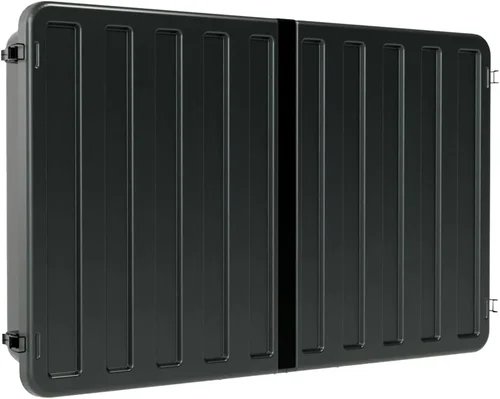
Beyond the IP rating, consider the TV’s overall build. True outdoor TVs often feature sealed cooling systems (to prevent moisture ingress), corrosion-resistant aluminum frames, and specialized gaskets around ports and vents. Avoid “outdoor enclosures” that house standard indoor TVs—these can trap heat, reduce airflow, and void warranties if not properly ventilated. Also, check if the model is rated for extreme temperatures. Most outdoor TVs operate safely between -30°F and 140°F, but verify this based on your local climate.
2. Display Brightness & Sunlight Readability
One of the biggest challenges with outdoor viewing is glare and washed-out images caused by direct sunlight. Indoor TVs typically peak at 300–500 nits of brightness—fine for a dim living room but useless on a sunny deck. For outdoor use, you need a display with at least 700 nits, but 1,000 nits or more is strongly recommended. High brightness ensures colors remain vivid and text legible even at noon.
Beyond raw brightness, look for features like anti-reflective coatings, optical bonding (which reduces air gaps between glass layers to minimize glare), and high contrast ratios. Some premium outdoor TVs use direct-lit LED backlighting or mini-LED technology to boost local dimming and improve black levels in bright conditions. OLED screens, while stunning indoors, often struggle outdoors due to lower peak brightness and susceptibility to burn-in—so they’re generally not ideal for deck installations unless used primarily in shaded areas.
Also consider the TV’s viewing angle. On a deck, viewers may be seated off-center or standing at various positions. A wide viewing angle (178 degrees or more) ensures consistent picture quality regardless of where someone is standing or sitting.
3. Size & Placement Considerations
Choosing the right screen size isn’t just about going big—it’s about matching the TV to your deck’s dimensions, seating arrangement, and typical viewing distance. A general rule of thumb: for every foot of viewing distance, aim for about 6–8 inches of screen diagonal. So if your primary seating is 8 feet away, a 50–65-inch TV is ideal. Going too large can overwhelm the space and strain eyes; too small, and details get lost.
Measure your available wall or mounting space carefully. Account for bezels, ventilation requirements (most outdoor TVs need 2–4 inches of clearance on all sides), and access to power and signal sources. If mounting above a grill or countertop, ensure the TV won’t interfere with cooking workflows or trap heat. Also, consider whether the TV will be visible from multiple angles—corner mounts or swivel brackets can enhance flexibility.
For smaller decks or covered patios, a 43–55-inch model often strikes the perfect balance. Larger entertainment zones with multiple seating areas may benefit from 65-inch or even 75-inch screens. And remember: outdoor TVs are heavier than their indoor counterparts due to reinforced casings—so ensure your mounting hardware and wall structure can support the weight.
4. Connectivity & Smart Features
Modern outdoor kitchens are tech hubs, and your deck TV should integrate seamlessly with your ecosystem. Look for robust connectivity options: HDMI 2.1 ports (for 4K/120Hz gaming or streaming), USB inputs, Ethernet for wired internet (more reliable than Wi-Fi outdoors), and Bluetooth for wireless audio. Many outdoor TVs now include built-in Wi-Fi and support popular streaming platforms like Netflix, YouTube, and Disney+—but verify app availability, as some ruggedized models run stripped-down smart OS versions.
If you plan to connect a soundbar, wireless speakers, or a whole-home audio system, check for audio output options like optical digital or 3.5mm analog. Some high-end models even feature built-in weatherproof speakers, though external audio is usually preferable for better sound quality.
Smart functionality is convenient, but don’t sacrifice durability for flashy features. Ensure the TV’s operating system receives regular security updates and that apps can be easily updated. Also, consider future-proofing: HDMI 2.1 supports higher resolutions and refresh rates, which matters if you own a next-gen gaming console or plan to upgrade your media sources.
5. Build Quality & Durability
Outdoor TVs endure far harsher conditions than indoor models, so build quality directly impacts longevity. Start with the chassis: look for powder-coated aluminum or stainless steel instead of plastic, which can degrade under UV exposure. Internal components should be conformal-coated to resist moisture and corrosion. Check reviews for reports of overheating, fan noise (some models use active cooling), or premature failure.
The screen itself should be shatter-resistant and scratch-proof. Tempered glass or polycarbonate overlays are common. Avoid models with exposed ports—sealed or covered connectors prevent water intrusion. Also, inspect the remote control: it should be weather-resistant or come with a protective case, as standard remotes won’t survive a splash or drop.
Durability also extends to installation. Ensure the TV includes VESA-compatible mounting holes and that the manufacturer provides detailed guidelines for secure, weatherproof mounting. Poor installation can lead to water seepage, electrical issues, or even structural damage.
6. Brand Reputation & Specialization
Not all TV brands are created equal when it comes to outdoor performance. While mainstream manufacturers like Samsung and LG offer some “outdoor-ready” models, companies like SunBriteTV, Seura, and Avid Power specialize exclusively in weatherproof displays. These brands have spent years refining their designs for real-world outdoor use and often provide better support, longer warranties, and more realistic performance claims.
Research customer reviews on trusted platforms like Amazon, Best Buy, or specialty outdoor living forums. Pay attention to comments about longevity, customer service, and how the TV holds up after 1–2 seasons of use. A brand with a strong track record in outdoor electronics is more likely to stand behind its product and offer timely repairs or replacements.
Also, consider regional availability. Some specialized brands may not ship nationwide or offer local installer networks. If you’re working with a contractor or outdoor kitchen designer, ask for their recommendations—they often have firsthand experience with which models perform best in your climate.
7. Warranty & Support
Outdoor TVs are significant investments, so robust warranty coverage is crucial. Most reputable brands offer 2–3 years of limited warranty, but some extend to 5 years for commercial or premium residential use. Read the fine print: does the warranty cover weather-related damage? What about accidental drops or power surges? Many exclude “acts of nature,” so consider adding surge protection or a whole-deck UPS system.
Customer support matters too. Can you reach a human quickly? Is technical assistance available for installation questions? Look for brands with dedicated outdoor product support lines and clear documentation (manuals, wiring diagrams, FAQs). Some even offer on-site service or partner with local installers.
If buying through a third-party retailer, confirm that the warranty remains valid—some manufacturers require direct purchase or professional installation to activate full coverage.
8. Energy Efficiency & Operating Costs
While outdoor TVs consume more power than indoor models due to higher brightness and cooling systems, energy efficiency still matters—especially if the TV runs for hours daily. Look for ENERGY STAR certification or models with auto-brightness sensors that adjust output based on ambient light. This not only saves electricity but also reduces heat buildup, extending component life.
Consider the total cost of ownership: a cheaper TV with high power draw and short lifespan may cost more long-term than a pricier, efficient model. Also, factor in potential electrical upgrades. Outdoor TVs often require dedicated circuits, GFCI outlets, and proper grounding—consult an electrician before installation.
Different Types of Buying Guide

Common Buying Mistakes to Avoid
❌ Mistake: Using an Indoor TV Outdoors
Why it’s bad: Indoor TVs lack weatherproofing, have low brightness, and aren’t designed for temperature extremes. Even with a cover, moisture can seep in, causing corrosion, screen fogging, or electrical failure. Most warranties are voided if used outside.
What to do instead: Invest in a true outdoor TV or a high-quality enclosure rated for your climate. If budget is tight, choose a mid-range all-weather model—it’s cheaper than replacing a ruined indoor TV.
❌ Mistake: Ignoring Viewing Angle and Glare
Why it’s bad: A TV mounted directly facing the sun will be unwatchable during peak hours, defeating the purpose of having it outdoors. Poor placement leads to frustration and underutilization.
What to do instead: Assess your deck’s sun patterns throughout the day. Mount the TV under an eave, pergola, or awning. Use anti-glare screens or position it perpendicular to the sun’s path. Consider retractable shades for added control.
❌ Mistake: Overlooking Power and Signal Requirements
Why it’s bad: Running extension cords across the deck creates tripping hazards and looks messy. Weak Wi-Fi signals result in buffering and poor streaming quality.
What to do instead: Hire a licensed electrician to install a dedicated GFCI outlet near the TV. Use weatherproof conduit for cables. For signal, run Ethernet or use a mesh Wi-Fi system with outdoor-rated nodes.
❌ Mistake: Skimping on Mounting Hardware
Why it’s bad: Standard indoor mounts aren’t built for outdoor conditions. Rust, vibration from wind, and weight stress can cause failure, leading to costly damage or injury.
What to do instead: Use marine-grade stainless steel mounts rated for outdoor use. Ensure the wall or structure can support the load. For brick or concrete, use appropriate anchors. Consider tilt or swivel mounts for optimal viewing.
❌ Mistake: Forgetting About Audio
Why it’s bad: Built-in TV speakers are often muffled outdoors due to open space and ambient noise (wind, traffic, birds). You’ll strain to hear dialogue during quiet scenes.
What to do instead: Pair your TV with weatherproof outdoor speakers or a soundbar. Wireless options like Sonos Move or Bose SoundLink are great for flexibility. Run speaker wire through conduit for a clean look.
❌ Mistake: Not Planning for Maintenance
Why it’s bad: Dust, pollen, and bird droppings accumulate quickly on outdoor screens. Neglecting cleaning can scratch the surface or block ventilation, leading to overheating.
What to do instead: Clean the screen monthly with a microfiber cloth and mild cleaner (avoid ammonia-based products). Check vents and ports for debris. Schedule professional inspections annually.
❌ Mistake: Buying Based Solely on Price
Why it’s bad: The cheapest option often lacks essential features like adequate brightness, proper sealing, or reliable cooling. You may end up replacing it within a year.
What to do instead: Prioritize value over cost. A $2,000 TV that lasts 8 years is better than a $800 model that fails in 2. Focus on total cost of ownership, including energy use and maintenance.
Budget Guidelines: How Much Should You Spend?
Entry-Level ($800–$1,500): This tier includes basic outdoor enclosures paired with mid-range indoor TVs or entry-level all-weather models. Expect 550–700 nits brightness, IP54 rating, and limited smart features. Best for covered patios with minimal sun exposure. Brands like Peerless and VIVO offer decent enclosures, but don’t expect premium build quality.
Mid-Range ($1,500–$3,000): The sweet spot for most homeowners. These are purpose-built outdoor TVs with 1,000+ nits brightness, IP65 rating, robust cooling, and full smart functionality. Models from SunBriteTV (Veranda series) or Seura (Classic line) fall here. Ideal for decks with partial shade and regular use.
Premium ($3,000–$5,000): For enthusiasts and those with large, sunny decks. Features include 1,500–2,500 nits brightness, mini-LED backlighting, advanced anti-reflective coatings, and extended warranties. Samsung’s The Terrace and LG’s Outdoor OLED (for shaded areas) are top contenders. Built for year-round, all-weather performance.
Luxury ($5,000+): Top-tier commercial-grade displays or custom installations. These offer 24/7 operation, extreme temperature tolerance, modular designs, and integrated control systems. Used in high-end resorts or luxury homes. Expect bespoke mounting, professional calibration, and concierge support.
Expert Tips for Getting the Best Deal
- Buy during off-seasons: Prices drop significantly in late fall and winter when demand for outdoor gear declines. Retailers often clear inventory before spring.
- Bundle with installation: Many dealers offer discounts when you purchase the TV and professional installation together. This ensures proper setup and activates full warranty coverage.
- Check manufacturer rebates: Brands like SunBriteTV and Seura occasionally run promotions or partner with outdoor kitchen suppliers for package deals.
- Compare total cost: Factor in shipping, taxes, mounting hardware, and potential electrical work. An online deal may seem cheaper but add hidden fees.
- Read return policies carefully: Outdoor TVs are often non-returnable due to their specialized nature. Ensure you can test functionality upon delivery.
- Join outdoor living forums: Communities like Houzz, Reddit’s r/outdoorkitchen, or Facebook groups often share exclusive promo codes or flash sales.
- Consider refurbished models: Some manufacturers sell certified refurbished units with full warranties at 20–30% off. Great for budget-conscious buyers.
- Negotiate with local dealers: Independent outdoor kitchen showrooms may offer price matching or added services (free cable management, extended warranty) to win your business.
Frequently Asked Questions
Q: Can I use a regular TV outdoors if I cover it?
A: Technically yes, but it’s risky and not recommended. Covers don’t provide adequate ventilation, leading to overheating. Moisture can still penetrate, and most warranties are voided. For reliable, long-term use, invest in a proper outdoor TV or enclosure.
Q: Do outdoor TVs need special power outlets?
A: Yes. They require a dedicated GFCI (Ground Fault Circuit Interrupter) outlet installed by a licensed electrician. This protects against electrical shock in wet conditions and is often required by local building codes.
Q: How do I hide cables on my deck?
A: Use weatherproof cable raceways, conduit, or in-wall wiring (if mounting on a house wall). For freestanding decks, run cables under composite decking or through decorative channels. Always secure cables to prevent tripping.
Q: Will an outdoor TV work in winter?
A: Most are rated for temperatures as low as -30°F, so they’ll function in cold climates. However, avoid turning them on immediately after extreme cold—let them acclimate to room temperature first to prevent condensation.
Q: Can I mount an outdoor TV on a post or freestanding frame?
A: Absolutely. Many homeowners use heavy-duty outdoor TV stands or post mounts for flexibility. Ensure the structure is anchored securely and can withstand wind loads. Use sway bars for added stability.
Q: Do outdoor TVs come with remotes that work in the rain?
A: Most include standard IR remotes, which can fail if wet. Some brands offer waterproof remotes or smartphone app control as alternatives. Keep the remote in a dry spot when not in use.
Q: How often should I clean my outdoor TV?
A: Clean the screen every 2–4 weeks, depending on your environment. Use a soft microfiber cloth and water or a screen-safe cleaner. Avoid abrasive materials that can scratch the anti-reflective coating.
Q: Can I connect my outdoor TV to my home theater system?
A: Yes, via HDMI ARC, optical audio, or Bluetooth. For the best experience, use wired connections to avoid latency. Some systems even support multi-room audio syncing.
Q: Are outdoor TVs energy hogs?
A: They consume more power than indoor models due to higher brightness and cooling, but modern units are relatively efficient. Look for auto-brightness sensors and ENERGY STAR ratings to minimize usage.
Q: What happens if my outdoor TV gets struck by lightning?
A: Even with surge protectors, direct strikes can cause catastrophic damage. Unplug the TV during thunderstorms and consider installing a whole-home surge protector for added safety.
Our Final Recommendations
Best for Budget-Conscious Buyers: SunBriteTV Veranda Series 55-inch – At around $1,800, it offers excellent brightness (1,000 nits), IP55 rating, and reliable performance for covered decks. Great value for the price.
Best Overall Value: Seura Classic 65-inch Outdoor TV – Combines premium build quality, 1,200 nits brightness, and intuitive smart features. Ideal for most outdoor kitchens with mixed sun/shade exposure.
Best Premium Option: Samsung The Terrace 75-inch – With 2,000+ nits, quantum dot color, and sleek design, it’s perfect for large, sunny decks. Includes advanced anti-glare tech and robust weatherproofing.
Best for Beginners: Peerless-AV Outdoor TV Enclosure + LG C3 OLED – A flexible setup for those new to outdoor tech. The enclosure protects the high-quality indoor OLED, which shines in shaded areas.
Best for Advanced Users: Avid Power Commercial 85-inch Outdoor Display – Built for 24/7 operation, extreme brightness, and custom integration. Ideal for tech-savvy homeowners or commercial outdoor kitchens.
Conclusion: Making the Right Choice
Choosing the right deck TV for your outdoor kitchen is about more than just picking a screen—it’s about creating a durable, enjoyable, and future-proof entertainment experience. From weather resistance and brightness to smart features and installation, every detail matters. By prioritizing your specific needs—whether that’s budget, size, or climate—you can avoid common pitfalls and invest in a solution that enhances your outdoor living for years to come.
Remember, the best deck TV isn’t necessarily the biggest or most expensive—it’s the one that fits seamlessly into your lifestyle, withstands your local conditions, and delivers consistent performance season after season. Take the time to research, consult professionals, and test your setup before finalizing your purchase. Your deck deserves nothing less than excellence.
Now that you’re armed with expert knowledge, it’s time to transform your outdoor kitchen into the ultimate entertainment destination. Happy viewing!

