
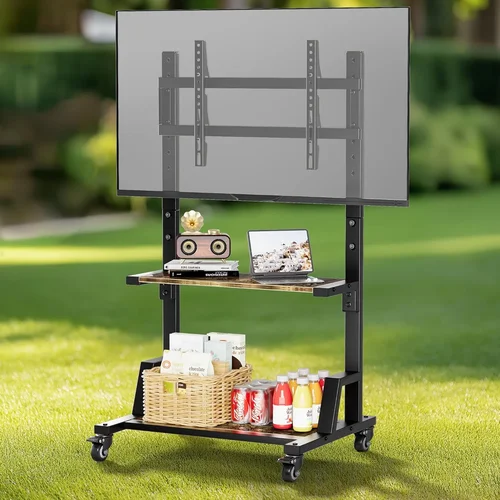
If you live in an apartment but still crave the magic of outdoor movie nights, backyard barbecues with a side of live sports, or simply unwinding under the stars with your favorite show, you’re not alone. The dream of having a backyard TV experience—complete with crisp visuals, rich sound, and weather-resistant durability—is now more accessible than ever, even for urban dwellers with limited outdoor space. Whether you have a small balcony, a rooftop terrace, or a compact patio, bringing high-quality entertainment outdoors is no longer a luxury reserved for homeowners with sprawling yards.
This comprehensive buying guide is designed to help apartment residents make smart, informed decisions when choosing a backyard TV. We’ll walk you through everything from understanding key performance specs and weatherproof ratings to comparing different types of outdoor displays and avoiding costly mistakes. By the end of this guide, you’ll know exactly what to look for, how much to spend, and which models offer the best value for your unique living situation. The market for outdoor TVs has evolved rapidly in recent years, with manufacturers now offering slim, stylish, and highly functional options tailored specifically for urban environments. From ultra-bright screens that combat glare to compact designs that fit seamlessly into small spaces, today’s backyard TVs are built with apartment life in mind.

What to Look for When Buying Buying Guide
1. Brightness & Screen Visibility
One of the most critical factors when choosing a backyard TV for an apartment is screen brightness. Unlike indoor TVs, outdoor displays must contend with direct sunlight, ambient light, and reflections—especially on balconies or rooftops that receive full sun exposure. Look for a TV with a brightness rating of at least 700 nits, though 1000 nits or higher is ideal for daytime viewing. This ensures the image remains clear and vibrant even when the sun is shining directly on the screen. Many outdoor TVs also feature anti-glare coatings and high-contrast panels to improve visibility in bright conditions. For example, models like the SunBriteTV Veranda series offer up to 1000 nits of brightness and are specifically engineered to maintain picture quality in direct sunlight. Without sufficient brightness, your outdoor viewing experience will quickly become frustrating, with washed-out colors and poor contrast.
2. Weather Resistance & IP Rating
Since your TV will be exposed to the elements—rain, snow, dust, and temperature fluctuations—weather resistance is non-negotiable. Check the TV’s IP (Ingress Protection) rating, which indicates how well it’s sealed against moisture and particles. An IP55 rating means the TV is protected against low-pressure water jets and limited dust ingress, making it suitable for covered patios. For more exposed areas like rooftops or balconies without overhead protection, opt for IP65 or higher, which offers full protection against dust and powerful water jets. Additionally, consider the operating temperature range. Most outdoor TVs function between -22°F and 122°F (-30°C to 50°C), which covers most climates. Avoid using standard indoor TVs outdoors, even under a roof, as they lack proper sealing and can fail prematurely due to humidity or condensation.
3. Size & Placement Flexibility
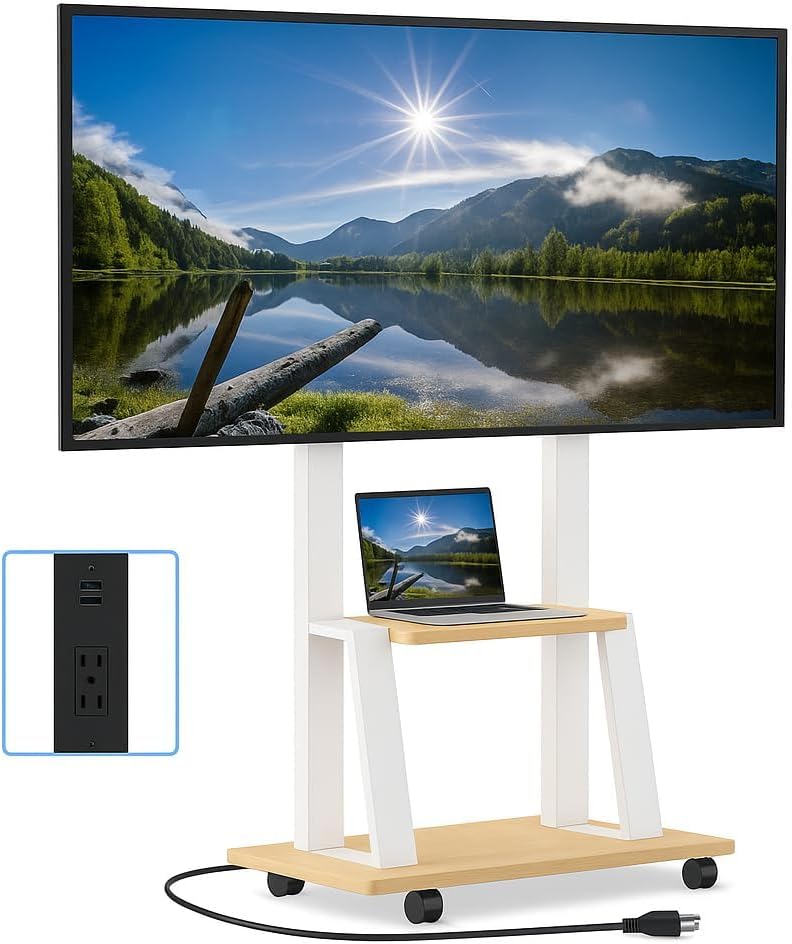
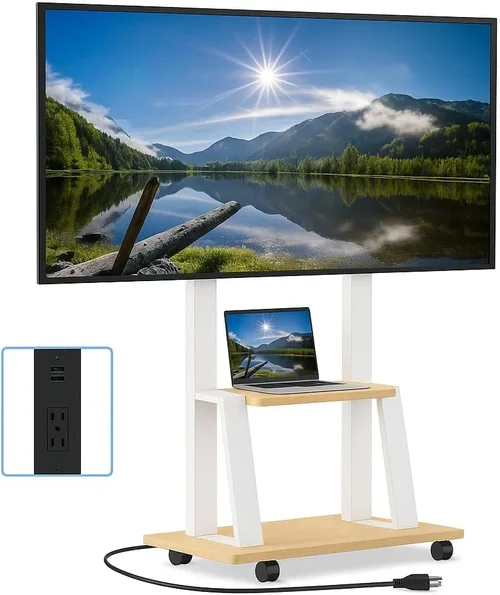
Apartment dwellers often face space constraints, so choosing the right size TV is crucial. A 55-inch screen might be perfect for a large backyard, but on a small balcony, it could overwhelm the space and limit furniture arrangement. Measure your available wall or mounting area carefully, and consider viewing distance—ideally 1.5 to 2.5 times the screen’s diagonal size. For example, a 43-inch TV is ideal for a 5- to 7-foot viewing distance, making it a great fit for compact patios. Also, think about placement options: wall mounts, ceiling mounts, or freestanding stands. Some outdoor TVs come with VESA-compatible mounting patterns, allowing you to use standard brackets. If you’re renting, look for models that don’t require permanent installation or offer portable solutions like wheeled carts.
4. Connectivity & Smart Features
Modern outdoor TVs aren’t just about durability—they’re also packed with smart features that enhance usability. Look for models with built-in Wi-Fi, Bluetooth, and support for popular streaming platforms like Netflix, YouTube, and Disney+. HDMI ports are essential for connecting devices like gaming consoles, soundbars, or cable boxes. USB ports allow you to play media directly from flash drives. Some premium models even include voice control via Alexa or Google Assistant. For apartment users, smart functionality means you can enjoy a full home theater experience without needing additional hardware. Just remember that outdoor Wi-Fi signals can be weaker, so ensure your router reaches your TV location or consider a Wi-Fi extender. Also, check if the TV supports screen mirroring or casting from your smartphone or tablet—this is especially useful for sharing vacation photos or streaming content from your phone.
5. Audio Quality & Sound Solutions
Outdoor environments are inherently noisy—traffic, wind, neighbors, and ambient city sounds can drown out TV audio. While many outdoor TVs include built-in speakers, they’re often underpowered for open-air settings. Consider investing in a weather-resistant soundbar or outdoor speaker system to enhance audio clarity and volume. Look for TVs with audio output options like optical or 3.5mm jacks to connect external speakers. Some models even support wireless audio via Bluetooth. For example, the Seura Shade Series includes a built-in amplifier and supports external speakers, making it a strong choice for audiophiles. If you’re on a budget, portable Bluetooth speakers can be a temporary fix, but for consistent performance, a dedicated outdoor audio setup is worth the investment.
6. Power Requirements & Energy Efficiency
Outdoor TVs need a reliable power source, which can be a challenge on balconies or rooftops. Most models require a standard 120V outlet, so ensure you have access to one nearby. If not, consult your building manager about installing an outdoor-rated electrical outlet—this may require a licensed electrician. Also, consider energy efficiency. Outdoor TVs typically consume more power than indoor models due to higher brightness and enhanced cooling systems. Look for ENERGY STAR-certified models, which use up to 30% less energy. This not only reduces your electricity bill but also minimizes environmental impact. Additionally, some TVs feature automatic brightness adjustment based on ambient light, which helps conserve power during cloudy or nighttime viewing.
7. Brand Reputation & Reliability
Not all outdoor TV brands are created equal. Stick with reputable manufacturers known for quality and durability, such as SunBriteTV, Seura, Samsung (The Terrace), and LG (Outdoor OLED). These brands invest heavily in R&D to ensure their products withstand harsh conditions. Avoid generic or off-brand models that may look similar but lack proper weatherproofing or long-term reliability. Research customer reviews and look for feedback from other apartment users—they’ll often share insights about installation challenges, Wi-Fi performance, and real-world durability. A trusted brand also typically offers better customer service and longer warranties, which brings us to our next point.
8. Warranty & Support
Outdoor TVs are a significant investment, so a solid warranty is essential. Most reputable brands offer 2- to 3-year warranties that cover defects, weather damage, and component failure. Some even provide on-site service or free replacement units. Read the fine print: some warranties are voided if the TV is installed incorrectly or used in extreme conditions beyond its rated limits. Also, check if the manufacturer offers technical support via phone, email, or chat. For apartment dwellers, having access to responsive customer service can make a big difference if you encounter issues with setup or performance. Additionally, consider extended warranty options, especially if you live in an area with harsh weather or high humidity.
Different Types of Buying Guide
Common Buying Mistakes to Avoid
❌ Mistake: Buying an Indoor TV for Outdoor Use
Why it’s bad: Indoor TVs are not designed to handle moisture, temperature swings, or dust. Even under a covered balcony, condensation can build up inside the screen, leading to corrosion, fogging, or complete failure. Additionally, indoor TVs lack the brightness needed for daylight viewing, making them nearly unusable during the day.
What to do instead: Always choose a TV specifically rated for outdoor use. Look for models with IP ratings and weatherproof enclosures. If you’re on a tight budget, consider a partial-shade outdoor TV, which offers protection at a lower price point.
❌ Mistake: Ignoring Viewing Angles
Why it’s bad: On a small balcony, viewers may sit off to the side rather than directly in front of the screen. TVs with poor viewing angles will show washed-out colors and reduced contrast when viewed from the side, ruining the experience for everyone.
What to do instead: Choose a TV with wide viewing angles, typically found in IPS (In-Plane Switching) panels. OLED TVs also offer excellent off-axis performance. Check the manufacturer’s specs for horizontal and vertical viewing angles—aim for at least 178 degrees.
❌ Mistake: Overlooking Audio Needs
Why it’s bad: Built-in speakers on outdoor TVs are often weak and lack bass, especially in noisy urban environments. Relying solely on the TV’s audio can lead to a frustrating experience, with dialogue drowned out by traffic or wind.
What to do instead: Plan for external audio from the start. Invest in weather-resistant speakers or a soundbar. Some outdoor TVs support wireless audio, so you can place speakers strategically around your space for immersive sound.
❌ Mistake: Not Checking Power Access
Why it’s bad: Many apartment balconies lack outdoor electrical outlets. Running extension cords across walkways or through windows is unsafe and may violate building codes.
What to do instead: Before purchasing, confirm you have a safe, code-compliant power source. If not, consult your landlord or building management about installing a GFCI-protected outdoor outlet. This small investment ensures safe and reliable operation.
❌ Mistake: Skipping the Warranty
Why it’s bad: Outdoor TVs are expensive, and repairs can be costly. Without a warranty, you’re on the hook for any malfunctions or weather-related damage.
What to do instead: Always buy from a reputable brand with a solid warranty. Consider extended coverage if available. Register your product immediately and keep all documentation.
❌ Mistake: Choosing the Wrong Size
Why it’s bad: A TV that’s too large can dominate a small space, making it feel cramped. One that’s too small may be hard to see from a distance, especially in bright conditions.
What to do instead: Measure your space and viewing distance. Use online screen size calculators to find the ideal size. When in doubt, go slightly smaller—comfort and usability matter more than screen real estate.
❌ Mistake: Forgetting About Glare and Reflections
Why it’s bad: Glass railings, metal furniture, and nearby windows can create glare that obscures the screen, even on a bright TV.
What to do instead: Position the TV to minimize reflections. Use anti-glare screen protectors or install the TV under an awning or pergola. Consider the sun’s path throughout the day when choosing placement.
Budget Guidelines: How Much Should You Spend?
Entry-Level ($500 – $1,000): This range includes portable outdoor TVs and partial-shade models. Expect basic smart features, moderate brightness (500–700 nits), and limited weather resistance (IP55). These are ideal for covered balconies or occasional use. Brands like Element and RCA offer budget-friendly options, though build quality may not match premium models.
Mid-Range ($1,000 – $2,500): The sweet spot for most apartment dwellers. These TVs offer 700–1000 nits of brightness, IP65 ratings, and full smart functionality. Models like the SunBriteTV Veranda and Seura Shade provide excellent durability and performance for the price. You’ll also find better audio outputs and wider viewing angles in this tier.
Premium ($2,500 – $4,000): Designed for enthusiasts and those with larger outdoor spaces. Expect OLED or QLED panels, 1000+ nits brightness, advanced cooling systems, and premium materials. Samsung’s The Terrace and LG’s Outdoor OLED are standout options. These TVs often include built-in amplifiers, voice control, and sleek designs that blend with modern decor.
Luxury ($4,000+): Top-tier models with cutting-edge technology, such as 8K resolution, ultra-thin profiles, and custom installation services. These are best for luxury apartments or rooftop terraces where aesthetics and performance are paramount. Brands like Seura and SunBriteTV offer bespoke solutions with professional mounting and calibration.
Expert Tips for Getting the Best Deal
1. Buy During Off-Season: Outdoor TVs are in highest demand during spring and summer. Shop in late fall or winter for discounts of 15–30%. Retailers often clear inventory to make room for new models.
2. Compare Retailers: Check prices at specialty outdoor electronics stores, big-box retailers, and online marketplaces. Some brands sell directly with exclusive bundles or free shipping.
3. Look for Bundles: Many manufacturers offer packages that include mounts, speakers, or installation services. These can save you money compared to buying items separately.
4. Read Real User Reviews: Professional reviews are helpful, but real-world feedback from apartment users is invaluable. Look for reviews that mention Wi-Fi performance, ease of installation, and long-term durability.
5. Test Before You Buy: If possible, visit a showroom to see the TV in person. Check brightness, color accuracy, and remote responsiveness. Some retailers offer in-home demos.
6. Negotiate Installation: If you’re buying from a local dealer, ask if they include free or discounted installation. This is especially useful for wall or ceiling mounts.
7. Check Return Policies: Ensure the retailer offers a generous return window (30 days or more) in case the TV doesn’t meet your expectations. Outdoor conditions can vary, and what looks good in a showroom may not work on your balcony.
8. Consider Refurbished Models: Certified refurbished outdoor TVs from reputable brands can save you 20–40% off retail. These units are tested, cleaned, and often come with the same warranty as new models.

Frequently Asked Questions
Q: Can I use a regular TV outdoors if it’s under a roof?
A: While a covered area reduces exposure, indoor TVs still lack proper sealing against humidity, dust, and temperature changes. Over time, moisture can seep in and damage internal components. For reliable performance, always use an outdoor-rated TV.
Q: Do outdoor TVs need special mounts?
A: Most outdoor TVs use standard VESA mounting patterns, so you can use regular wall mounts. However, ensure the mount is rated for outdoor use and can support the TV’s weight. For balconies, consider tilt or swivel mounts for optimal viewing angles.
Q: How do I connect my outdoor TV to Wi-Fi?
A: Most smart outdoor TVs have built-in Wi-Fi. Position your router to ensure strong signal coverage, or use a Wi-Fi extender. Avoid placing the TV behind metal railings or thick walls, which can block signals.
Q: Can I leave my outdoor TV on all the time?
A: It’s not recommended. While outdoor TVs are built to withstand the elements, continuous operation can shorten the lifespan of components. Use a timer or smart plug to turn it off when not in use.
Q: Are outdoor TVs energy efficient?
A: Yes, many modern models are ENERGY STAR certified and use LED backlighting, which consumes less power than older technologies. Look for auto-brightness features to further reduce energy use.
Q: What’s the difference between partial-shade and all-weather TVs?
A: Partial-shade TVs are designed for covered areas and offer basic weather protection (IP55). All-weather models (IP65+) can handle direct rain, snow, and extreme temperatures, making them suitable for fully exposed locations.
Q: Can I use my outdoor TV in the winter?
A: Yes, as long as the TV’s operating temperature range includes winter lows. Most outdoor TVs function down to -22°F (-30°C), but avoid turning them on if the screen is frozen—let it warm up first.
Q: Do I need a permit to install an outdoor TV?
A: It depends on your building’s rules and local regulations. In many apartments, wall-mounted TVs are allowed, but structural modifications may require approval. Always check with your landlord or HOA.
Q: How long do outdoor TVs last?
A: With proper care, outdoor TVs can last 7–10 years or more. Regular cleaning, avoiding extreme conditions, and using surge protectors can extend their lifespan.
Q: Can I use a projector instead of an outdoor TV?
A: Projectors can be a budget-friendly alternative, but they require a dark environment and a clear wall or screen. They’re less bright and more susceptible to weather, making them less ideal for daytime or exposed use.
Our Final Recommendations
Best for Budget-Conscious Buyers: Element 43″ Outdoor Partial-Shade TV – At under $800, this model offers solid brightness, smart features, and IP55 protection. Perfect for covered balconies and renters.
Best Overall Value: SunBriteTV Veranda 55″ Series – With 1000 nits brightness, IP65 rating, and excellent color accuracy, this TV delivers premium performance at a mid-range price. Ideal for most apartment outdoor spaces.
Best Premium Option: Samsung The Terrace 65″ QLED – A top-tier choice with quantum dot technology, ultra-bright display, and sleek design. Built for luxury terraces and tech enthusiasts.
Best for Beginners: Seura Shade 50″ Smart Outdoor TV – Easy to set up, with intuitive controls and reliable performance. Great for first-time outdoor TV buyers.
Best for Advanced Users: LG 55″ Outdoor OLED TV – Offers stunning contrast, deep blacks, and wide viewing angles. Best for those who prioritize picture quality and are willing to invest in a high-end model.
Conclusion: Making the Right Choice
Choosing the right backyard TV for your apartment is about balancing performance, durability, and practicality. Start by assessing your space, viewing habits, and budget. Prioritize brightness and weather resistance, and don’t overlook audio and connectivity needs. Avoid common pitfalls like using indoor TVs or ignoring power access, and always invest in a model from a reputable brand with solid support.
Remember, the goal is to enhance your outdoor living experience—not complicate it. Whether you’re hosting movie nights, watching the big game, or simply relaxing with a show under the stars, the right TV can transform your small space into a personal oasis. Take your time, do your research, and choose a model that fits your lifestyle. With the insights from this guide, you’re well-equipped to make a confident, informed decision. Happy viewing!

