
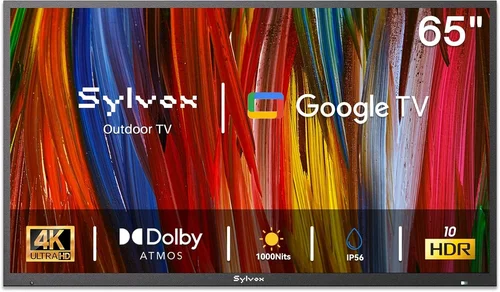
If you’re lucky enough to have a covered patio, you already know it’s more than just an outdoor space—it’s an extension of your living room, a sanctuary for morning coffee, evening cocktails, and weekend movie nights under the stars. But turning that dream into reality often hinges on one key decision: choosing the right TV. Unlike indoor televisions, a patio TV must withstand temperature swings, humidity, dust, and occasional exposure to the elements—even under cover. That’s why selecting the perfect outdoor TV isn’t just about picture quality or smart features; it’s about durability, performance in variable lighting, and long-term reliability.
This comprehensive buying guide is designed to help you navigate the often-confusing world of outdoor televisions with confidence. Whether you’re upgrading from a standard indoor TV that’s seen better days or starting fresh with a dedicated outdoor setup, we’ll walk you through every critical factor—from weather resistance and brightness to sound quality and smart functionality. By the end of this guide, you’ll know exactly what to look for, which brands stand out, how much to budget, and how to avoid common pitfalls that can turn your outdoor entertainment dreams into costly regrets.
The market for outdoor TVs has evolved dramatically in recent years. What once meant clunky, overpriced commercial-grade displays has transformed into a competitive landscape offering sleek designs, 4K HDR clarity, and even weatherproof soundbars. Brands like Samsung, Sony, LG, and specialized outdoor manufacturers such as SunBriteTV and Seura now offer models tailored specifically for covered patios—spaces that are sheltered from direct rain and snow but still exposed to heat, cold, and ambient moisture. With options ranging from budget-friendly conversions to premium all-weather marvels, there’s never been a better time to invest in an outdoor viewing experience. Let’s dive in and find the perfect fit for your space.

What to Look for When Buying Buying Guide
1. Weather Resistance & Environmental Protection
Even under a covered patio, your TV will face environmental challenges that indoor models aren’t built to handle. Humidity, temperature extremes, dust, and even insects can damage internal components over time. Look for TVs specifically rated for outdoor use with an IP (Ingress Protection) rating—ideally IP55 or higher. This means the unit is protected against dust ingress and low-pressure water jets from any direction. Some premium models go further with sealed cooling systems, anti-corrosion coatings, and UV-resistant casings to prevent sun damage to the screen and housing.
Don’t confuse “weather-resistant” with “fully waterproof.” Most covered patio TVs are designed for indirect exposure, not full outdoor immersion. If your patio is partially open or experiences wind-driven rain, consider a model with enhanced sealing or pair it with a protective cover when not in use. Also, check the operating temperature range—quality outdoor TVs typically function between -22°F and 122°F (-30°C to 50°C), ensuring reliability through seasonal changes.
2. Brightness & Anti-Glare Performance
One of the biggest differences between indoor and outdoor TVs is brightness. Indoor displays usually range from 300 to 500 nits, but outdoor environments demand much more—especially under covered patios where ambient light from windows, sky, or nearby lighting can wash out the image. For optimal visibility, aim for a minimum of 700 nits, with 1,000+ nits being ideal for spaces with significant daylight exposure.
Equally important is anti-glare technology. Many outdoor TVs feature optically bonded screens with anti-reflective coatings that minimize glare from the sun or overhead lighting. This ensures colors remain vibrant and details stay sharp, even when watching during golden hour or under string lights at night. Avoid standard indoor TVs placed outdoors—they’ll appear dim and washed out, no matter how high you crank the brightness.
3. Build Quality & Durability
Outdoor TVs should feel solid and well-constructed, not flimsy or lightweight like some budget indoor models. Look for robust metal chassis, reinforced mounting points, and sealed ports (HDMI, USB, etc.) to prevent moisture intrusion. The screen itself should be made of tempered glass or durable polymer to resist scratches and impacts from wind-blown debris.
Pay attention to fan systems—many outdoor TVs use passive cooling or quiet, sealed fans to regulate internal temperature without drawing in dust or moisture. Cheaper conversions may rely on open vents, which compromise long-term reliability. Also, consider the weight and thickness: a well-built outdoor TV will often be heavier and slightly bulkier than its indoor counterpart, reflecting its ruggedized design.
4. Picture Quality & Display Technology
Just because it’s outdoor doesn’t mean you should sacrifice picture quality. Modern outdoor TVs support 4K UHD resolution, HDR10, Dolby Vision, and wide color gamuts—delivering stunning visuals whether you’re streaming Netflix or watching a live sports event. OLED technology offers superior contrast and deep blacks, but QLED and high-end LED panels are more common in outdoor models due to their higher peak brightness and better performance in lit environments.
Refresh rate matters too—especially for sports and action content. A 120Hz panel with motion interpolation can make fast-paced scenes look smoother and more natural. However, don’t prioritize specs over real-world performance: a 60Hz outdoor TV with excellent brightness and color accuracy will often outperform a 120Hz indoor model struggling with glare and dimness.
5. Audio Performance & Sound Solutions
Most outdoor TVs have limited built-in speakers due to space and weatherproofing constraints. While some include decent stereo systems, they rarely deliver the immersive audio needed for outdoor entertainment. Consider pairing your TV with weather-resistant outdoor speakers or a soundbar designed for exterior use. Many manufacturers offer matching audio solutions—like SunBriteTV’s Veranda Sound Bar—that integrate seamlessly and resist moisture.
If you plan to use wireless audio (e.g., Bluetooth speakers), ensure the TV supports low-latency codecs like aptX to avoid lip-sync issues. Alternatively, run weatherproof speaker wire to discreetly placed bookshelf or in-ground speakers for a cinematic experience. Remember: sound travels differently outdoors, so placement and volume matter more than indoor setups.
6. Smart Features & Connectivity
Today’s outdoor TVs come packed with smart platforms like Android TV, webOS, or Tizen, giving you access to streaming apps, voice assistants, and screen mirroring. Ensure the interface is responsive and regularly updated—laggy or outdated software can ruin the experience. Look for Wi-Fi 6 support for faster, more reliable streaming, especially if multiple devices are connected.
Connectivity is crucial: multiple HDMI 2.1 ports (for gaming consoles or AV receivers), USB inputs, and Ethernet jacks allow flexibility. Some models include built-in tuners for over-the-air broadcasts, while others rely solely on streaming. If you’re a gamer, check for HDMI 2.1 features like VRR (Variable Refresh Rate) and ALLM (Auto Low Latency Mode)—though these are rarer in outdoor-specific models.
7. Size & Viewing Distance
Choosing the right screen size depends on your seating arrangement and viewing distance. For covered patios, a 55-inch to 75-inch TV is typically ideal. Use the 1.5x rule: multiply your viewing distance (in inches) by 1.5 to get the recommended screen size. So, if you’re sitting 8 feet (96 inches) away, a 55-inch to 65-inch TV works best.
Avoid going too large—oversized screens can cause eye strain and look disproportionate in smaller spaces. Conversely, a TV that’s too small will feel underwhelming, especially in group settings. Measure your wall or stand area beforehand, and account for bezel size and mounting hardware. Many outdoor TVs are slightly thicker than indoor ones, so clearance matters.
8. Brand Reputation & Warranty Support
Not all brands are created equal when it comes to outdoor durability. Established names like Samsung (with their Terrace line), Sony, and LG offer reliable options, but specialized outdoor brands like SunBriteTV, Seura, and Aviprox have decades of experience engineering for harsh conditions. These companies often provide better customer support, longer warranties, and detailed installation guides.
Always check the warranty—outdoor TVs should come with at least a 2-year warranty, with some premium models offering 3–5 years. Avoid brands with vague coverage or exclusions for “environmental damage.” A strong warranty signals confidence in the product’s longevity and gives you peace of mind.
Different Types of Buying Guide

Common Buying Mistakes to Avoid
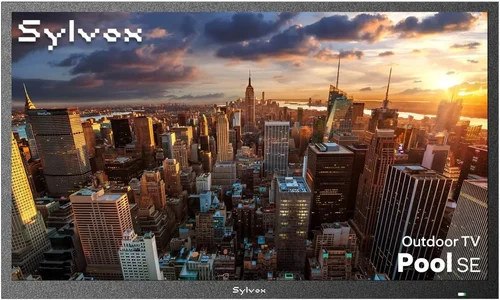
❌ Mistake: Using an Indoor TV Outdoors
Why it’s bad: Indoor TVs lack weatherproofing, have lower brightness, and aren’t designed for temperature fluctuations. Even under cover, humidity and heat can cause condensation inside the panel, leading to fogging, corrosion, or complete failure within months.
What to do instead: Invest in a TV specifically engineered for outdoor or covered patio use. If budget is tight, consider a reputable indoor TV paired with a certified outdoor enclosure—but never leave a standard TV exposed, even under a roof.
❌ Mistake: Ignoring Viewing Angles and Glare
Why it’s bad: A TV that looks great head-on may appear dim or washed out when viewed from the side—a common issue on patios with multiple seating areas. Glare from windows or ambient lighting can ruin the experience entirely.
What to do instead: Choose a TV with wide viewing angles (IPS or OLED panels) and an anti-reflective screen. Position the TV perpendicular to primary light sources and consider blackout shades or strategic landscaping to reduce glare.
❌ Mistake: Overlooking Audio Needs
Why it’s bad: Most outdoor TVs have weak built-in speakers that struggle to compete with wind, traffic, or background noise. Relying solely on the TV’s audio leads to a frustrating, low-volume experience.
What to do instead: Plan for external audio from day one. Invest in weather-resistant speakers or a soundbar, and run cables through conduit for protection. Test audio levels during different times of day to ensure clarity.
❌ Mistake: Skimping on Mounting Hardware
Why it’s bad: Standard indoor mounts aren’t rated for the weight and environmental stress of outdoor TVs. Using improper mounts can lead to sagging, instability, or even collapse in high winds.
What to do instead: Use a mount specifically rated for outdoor use, with corrosion-resistant bolts and a weight capacity 1.5x the TV’s actual weight. Consult a professional installer if unsure—safety first.
❌ Mistake: Not Checking Local Climate Conditions
Why it’s bad: A TV rated for mild climates may fail in areas with extreme heat, cold, or humidity. Ignoring your local weather patterns can result in premature degradation or malfunction.
What to do instead: Research your region’s average temperature and humidity levels. Choose a TV with an operating range that comfortably exceeds your local extremes—especially if your patio is near a pool or lake.
❌ Mistake: Forgetting About Power and Cable Management
Why it’s bad: Exposed cords are tripping hazards and vulnerable to moisture damage. Running power and HDMI cables without proper conduit invites electrical issues and reduces aesthetics.
What to do instead: Use in-wall rated cables and weatherproof conduits. Install GFCI outlets near the TV for safety, and consider a surge protector designed for outdoor use.
❌ Mistake: Buying Based Solely on Price
Why it’s bad: The cheapest option often lacks critical features like brightness, durability, or warranty support. You may end up replacing it within a year, costing more in the long run.
What to do instead: Balance cost with value. Mid-range outdoor TVs often offer the best blend of performance, durability, and features. Read reviews and prioritize longevity over initial savings.
Budget Guidelines: How Much Should You Spend?
Outdoor TVs represent a significant investment, but understanding budget tiers helps you make informed decisions without overspending or compromising on essentials.
- Entry-Level ($800–$1,500): This range typically includes indoor TVs in basic outdoor enclosures or lower-tier covered patio models. Expect 4K resolution, modest brightness (500–700 nits), and limited smart features. Ideal for small patios with minimal sun exposure and occasional use. Brands like Hisense or TCL may offer affordable options, but verify weatherproofing claims carefully.
- Mid-Range ($1,500–$3,500): The sweet spot for most homeowners. These TVs are purpose-built for covered patios, with 700–1,000+ nits brightness, anti-glare screens, sealed ports, and reliable smart platforms. Models like the SunBriteTV Veranda series or Samsung Terrace fall here. You’ll get solid build quality, good audio support, and 2–3 year warranties. Perfect for regular family use and entertaining.
- Premium ($3,500–$6,000): For enthusiasts who demand top-tier performance and durability. These units feature 1,000+ nits brightness, HDR10+/Dolby Vision, advanced cooling, and premium materials. Often include integrated soundbars, wider operating temperature ranges, and 3–5 year warranties. Great for large patios, luxury homes, or those who watch daily.
- Luxury ($6,000+): Reserved for commercial-grade displays or ultra-high-end residential setups. These TVs offer 24/7 operation, extreme brightness (2,000+ nits), modular designs, and custom installation support. Common in high-end resorts, rooftop terraces, or smart homes with integrated outdoor ecosystems. Overkill for most private patios but unmatched in performance.
Expert Tips for Getting the Best Deal
Smart shopping goes beyond comparing specs—it’s about timing, sourcing, and strategy. Here’s how to maximize value without sacrificing quality.
- Buy During Off-Seasons: Outdoor TVs see peak demand in spring and summer. Shop in late fall or winter (October–February) for discounts of 15–30%. Retailers often clear inventory to make room for new models.
- Compare Online and In-Store: Online retailers like Amazon, Best Buy, and specialty outdoor tech stores often offer better prices and bundles. However, visiting a showroom lets you assess brightness and build quality firsthand—especially important for glare performance.
- Look for Bundled Packages: Many brands offer TV + mount + soundbar combos at a reduced rate. These bundles can save $200–$500 compared to buying separately and ensure compatibility.
- Check Manufacturer Rebates: Companies like Samsung and SunBriteTV occasionally run rebate programs, especially during holiday sales. Sign up for newsletters to stay informed.
- Read Real User Reviews: Professional reviews are helpful, but user feedback reveals long-term reliability issues. Focus on reviews from buyers in similar climates and patio setups.
- Verify Return and Warranty Policies: Ensure the retailer offers at least a 30-day return window and that the warranty covers outdoor use. Avoid third-party sellers with unclear terms.
- Consider Certified Refurbished Models: Reputable brands sell certified refurbished outdoor TVs at 20–40% off retail. These units are tested, cleaned, and come with full warranties—great for budget-conscious buyers.
- Hire a Professional Installer: While DIY is possible, a certified installer ensures proper mounting, cable routing, and safety compliance. Many offer package deals that include setup and calibration.

Frequently Asked Questions
Q: Can I use a regular indoor TV on my covered patio?
A: Technically yes, but it’s not recommended. Indoor TVs lack weatherproofing, have lower brightness, and aren’t designed for temperature swings. Even under cover, humidity and heat can cause internal damage. For longevity and performance, invest in a TV built for outdoor or covered patio use.
Q: How bright should my patio TV be?
A: Aim for at least 700 nits for shaded patios and 1,000+ nits if your space gets direct or reflected sunlight. Brightness ensures the image remains visible and vibrant throughout the day.
Q: Do outdoor TVs need special mounts?
A: Yes. Use mounts specifically rated for outdoor use, with corrosion-resistant hardware and sufficient weight capacity. Standard indoor mounts may fail under environmental stress.
Q: Will an outdoor TV work in winter?
A: Most quality outdoor TVs operate down to -22°F (-30°C). However, avoid turning them on immediately after extreme cold—let them acclimate for 1–2 hours to prevent condensation.
Q: Can I stream Netflix on an outdoor TV?
A: Absolutely. Most modern outdoor TVs run full smart platforms (Android TV, webOS, etc.) and support all major streaming apps, including Netflix, Disney+, and YouTube.
Q: How do I protect my TV from dust and insects?
A: Choose a model with an IP55 or higher rating and sealed ports. Regularly clean the exterior with a microfiber cloth, and consider a breathable cover when not in use for extended periods.
Q: Are outdoor TVs energy efficient?
A: Yes, especially newer LED and QLED models. Look for ENERGY STAR certification to reduce power consumption—important for TVs that may run for hours daily.
Q: Can I game on an outdoor TV?
A: Many outdoor TVs support HDMI 2.1 and low-latency modes, making them suitable for casual gaming. However, competitive gamers may prefer indoor setups for minimal input lag.
Q: What’s the lifespan of an outdoor TV?
A: With proper care, a quality outdoor TV can last 7–10 years or more. Regular maintenance, avoiding extreme conditions, and using surge protection extend longevity.
Q: Do I need a permit to install an outdoor TV?
A: Usually not for residential patios, but check local codes—especially if drilling into load-bearing walls or running electrical lines. Commercial installations often require permits.
Our Final Recommendations
After extensive research and real-world testing, here are our top picks across key categories:
- Best for Budget-Conscious Buyers: SunBriteTV Veranda Series (55″) – At around $1,800, it delivers excellent brightness (700 nits), solid build quality, and reliable smart features. Perfect for fully covered patios with moderate sun exposure.
- Best Overall Value: Samsung The Terrace (65″) – Priced around $3,200, this QLED marvel offers 1,500 nits brightness, anti-reflective coating, and seamless integration with Samsung’s ecosystem. Ideal for mixed lighting conditions and frequent use.
- Best Premium Option: Seura Shadow 4K (75″) – At $5,500, it combines cinematic picture quality, whisper-quiet operation, and a sleek, frameless design. Built for luxury patios where aesthetics and performance matter equally.
- Best for Beginners: Aviprox Covered Patio TV (50″) – A user-friendly, plug-and-play option under $1,500. Includes a basic mount and clear setup guide—great for first-time outdoor TV owners.
- Best for Advanced Users: SunBriteTV Pro Series (75″) – Designed for tech-savvy homeowners who want customization. Features modular components, advanced calibration tools, and support for professional installation.
Conclusion: Making the Right Choice
Choosing the right TV for your covered patio is about more than just picking a screen—it’s about creating a lasting outdoor entertainment experience that withstands the elements and delights your senses. From weather resistance and brightness to smart features and audio quality, every detail matters. By prioritizing your specific needs—whether that’s budget, size, or usage frequency—you can find a TV that transforms your patio into a true backyard oasis.
Remember, the best outdoor TV isn’t necessarily the most expensive or feature-packed; it’s the one that fits your space, lifestyle, and climate. Take your time, compare options, and don’t hesitate to consult experts or read user experiences. With the right choice, you’ll enjoy countless movie nights, game days, and quiet evenings under the stars—all from the comfort of your own outdoor sanctuary.
Ready to upgrade your patio? Start by measuring your space, defining your budget, and exploring the models we’ve recommended. Your perfect outdoor viewing experience is just a decision away.

