
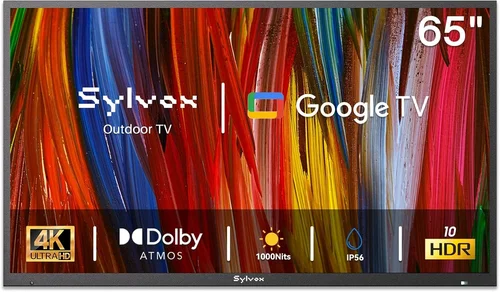
Outdoor entertainment has evolved dramatically over the past decade. What once meant huddling around a small, weather-beaten TV under a tarp has transformed into a sophisticated, immersive experience—thanks to purpose-built outdoor televisions designed specifically for patios, decks, and open-air living spaces. Whether you’re hosting summer barbecues, watching the big game under the stars, or enjoying a quiet movie night on your covered porch, the right outdoor TV can elevate your entire outdoor lifestyle. But with so many options flooding the market—from ruggedized displays to weatherproof smart TVs—choosing the best one for your setup can feel overwhelming.
That’s exactly why this guide exists. We’ve spent months researching, testing, and analyzing the latest outdoor TVs available in 2026 to bring you a comprehensive, expert-level buying guide tailored specifically for patio and deck entertainment. You’ll learn how to evaluate critical factors like brightness, weather resistance, durability, smart features, and more. We’ll walk you through different types of outdoor TVs, highlight common pitfalls to avoid, break down budget expectations, and even share insider tips to help you get the best deal. By the end of this guide, you won’t just know what to buy—you’ll understand why it matters for your unique outdoor space.
The outdoor TV market has matured significantly. No longer are consumers limited to indoor TVs slapped into waterproof enclosures (a risky and often ineffective solution). Today’s manufacturers—including industry leaders like Samsung, LG, Sony, and specialized brands like SunBriteTV and Seura—are designing TVs from the ground up for outdoor use. These units feature enhanced brightness to combat glare, robust cooling and heating systems to handle temperature swings, and sealed components to resist moisture, dust, and insects. With advancements in display technology, connectivity, and smart integration, outdoor TVs now rival their indoor counterparts in performance—while offering far greater resilience. This guide cuts through the noise to help you make a confident, informed decision.

What to Look for When Buying Buying Guide
1. Brightness & Display Performance
Brightness is arguably the most critical factor when selecting an outdoor TV. Unlike indoor models, which typically operate at 300–500 nits, outdoor TVs need significantly higher brightness—often 700 nits or more—to remain visible in direct sunlight or bright daylight conditions. Look for models rated at 1,000 nits or higher for full sun exposure, especially if your deck or patio lacks shade. Many premium outdoor TVs now feature anti-glare coatings and high dynamic range (HDR) support, which further enhance visibility and color accuracy in bright environments.
Additionally, consider the display type. Most outdoor TVs use LED-LCD panels, but some high-end models incorporate OLED technology for deeper blacks and better contrast—though OLEDs can be more susceptible to burn-in and may require extra protection in extreme conditions. Pay attention to refresh rate (60Hz vs. 120Hz), viewing angles, and color gamut coverage. A wider color gamut (like DCI-P3) ensures more vibrant, lifelike images, which is especially noticeable during sports or nature documentaries.
2. Weather Resistance & IP Rating
Outdoor TVs must withstand rain, snow, humidity, dust, and temperature extremes. This is where the Ingress Protection (IP) rating becomes essential. The IP rating consists of two numbers: the first indicates protection against solid particles (like dust), and the second against liquids (like rain). For outdoor use, look for a minimum IP55 rating—meaning the TV is dust-protected and can handle low-pressure water jets from any direction. However, for full exposure or coastal areas with salt spray, an IP65 or IP66 rating is strongly recommended.
Beyond the IP rating, examine the TV’s internal design. True outdoor TVs feature sealed vents, corrosion-resistant materials, and internal climate control systems (like fans or heaters) to prevent condensation and overheating. Avoid indoor TVs in outdoor enclosures unless the enclosure is specifically rated for full weather protection and includes proper ventilation. Even then, performance and longevity may suffer compared to purpose-built models.
3. Build Quality & Durability
Durability goes hand-in-hand with weather resistance. Outdoor TVs should be constructed with robust materials—powder-coated aluminum frames, stainless steel hardware, and shatter-resistant screens. These materials resist rust, UV degradation, and physical impact. Check the thickness of the bezel and the sturdiness of the mounting system. A flimsy frame can warp or crack under temperature changes, compromising both aesthetics and functionality.
Also consider the TV’s operational temperature range. Most outdoor models function between -22°F and 122°F (-30°C to 50°C), but verify this spec based on your local climate. If you live in a region with harsh winters or scorching summers, ensure the TV is rated for those extremes. Internal components like capacitors and circuit boards should be rated for outdoor use, not just the exterior casing.
4. Smart Features & Connectivity
Modern outdoor TVs come equipped with smart platforms like Android TV, webOS, or Tizen, allowing access to streaming services such as Netflix, YouTube, Disney+, and more. This eliminates the need for external streaming devices, simplifying setup and reducing cable clutter. Look for models with built-in Wi-Fi (preferably dual-band 2.4GHz and 5GHz), Bluetooth, and voice assistant compatibility (Google Assistant or Alexa).
Connectivity options are equally important. Ensure the TV has multiple HDMI ports (at least 3), USB ports, an Ethernet jack for wired internet, and audio outputs (optical or 3.5mm). Some models include weatherproof cable glands or rear access panels to protect connections from moisture. If you plan to connect a soundbar, gaming console, or cable box, verify port availability and placement.
5. Size & Viewing Distance
Screen size should be matched to your viewing distance and space constraints. For most patios and decks, a 55-inch to 65-inch TV offers an ideal balance of immersion and practicality. Use the 1.5x rule: multiply your viewing distance (in inches) by 1.5 to determine the optimal screen size. For example, if you’re sitting 8 feet (96 inches) away, a 55-inch TV (96 ÷ 1.5 ≈ 64 inches) is a great fit.
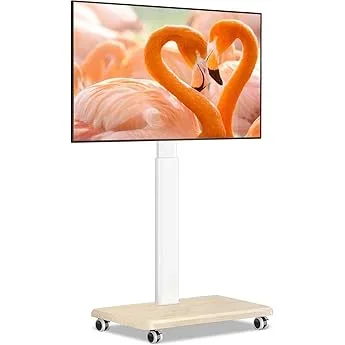
Consider the physical dimensions of the TV, including bezel width and depth. Some outdoor models are thicker than indoor TVs due to internal cooling systems. Ensure your mounting solution (wall, ceiling, or stand) can support the weight and size. Also, account for ventilation space—most outdoor TVs require at least 2–4 inches of clearance on all sides for airflow.
6. Audio Quality & Sound Solutions
Built-in speakers on outdoor TVs are often underpowered due to space and weatherproofing constraints. While adequate for casual listening, they rarely deliver the rich, immersive sound needed for movies or sports. For better audio, consider pairing your TV with outdoor-rated speakers or a weatherproof soundbar. Look for models with optical audio output or Bluetooth for wireless connectivity.
Some premium outdoor TVs include enhanced audio systems with dedicated woofers or Dolby Atmos support, but these are exceptions. If audio is a priority, plan to invest in a separate sound system. Ceiling-mounted speakers, rock-shaped outdoor speakers, or wireless subwoofers can create a surround-sound experience without compromising aesthetics.
7. Brand Reputation & Reliability
Not all outdoor TV brands are created equal. Established names like Samsung, LG, and Sony offer strong reliability, extensive service networks, and proven track records. However, specialized outdoor brands like SunBriteTV (by Peerless-AV), Seura, and SkyVue are designed exclusively for outdoor use and often outperform mainstream brands in harsh conditions.
Research customer reviews, professional ratings, and third-party testing. Look for brands that provide detailed technical specifications, not just marketing claims. A reputable manufacturer will openly share IP ratings, temperature tolerances, and warranty terms. Avoid unknown brands with vague descriptions or no customer support presence.
8. Warranty & Support
Outdoor TVs are a significant investment, so a strong warranty is essential. Most reputable brands offer 2–3 years of coverage, with some extending to 5 years for commercial use. Check what’s included: Does the warranty cover labor, parts, and on-site service? Is it valid only if installed by a certified technician? Are there exclusions for weather damage or improper installation?
Customer support matters too. Can you reach a real person quickly? Are there local service centers? Brands with dedicated outdoor support teams tend to resolve issues faster. Read the fine print—some warranties become void if the TV is mounted incorrectly or used outside its specified environment.
Different Types of Buying Guide

Common Buying Mistakes to Avoid
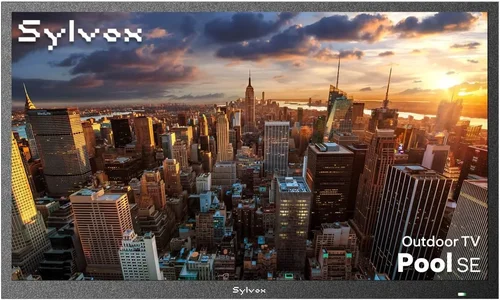
❌ Mistake: Using an Indoor TV Outdoors Without Proper Protection
Why it’s bad: Indoor TVs are not designed to handle moisture, temperature swings, or UV exposure. Even with a cover, condensation can form inside, leading to corrosion, electrical shorts, and premature failure. The warranty is typically voided if used outdoors.
What to do instead: Invest in a purpose-built outdoor TV or use a certified outdoor enclosure with active ventilation and weatherproof seals. Never rely on tarps or plastic covers.
❌ Mistake: Ignoring Brightness Requirements
Why it’s bad: A dim TV will appear washed out in sunlight, making it unusable during the day. You’ll end up watching only at night, defeating the purpose of outdoor entertainment.
What to do instead: Match brightness to your environment. Use a brightness meter app or consult manufacturer specs. Aim for at least 700 nits for shade, 1,000+ for partial sun, and 1,500+ for full sun.
❌ Mistake: Overlooking Audio Needs
Why it’s bad: Poor sound quality ruins the experience, especially with ambient noise like wind, traffic, or water features. Built-in speakers often can’t compete.
What to do instead: Plan for external audio from the start. Budget for outdoor speakers or a soundbar. Consider wireless options to reduce cable clutter.
❌ Mistake: Choosing the Wrong Size for the Space
Why it’s bad: A TV that’s too small feels underwhelming; one that’s too large overwhelms the space and may not fit on your mounting surface.
What to do instead: Measure your viewing distance and wall space. Use online screen size calculators and mock up the size with cardboard before buying.
❌ Mistake: Skipping Professional Installation
Why it’s bad: Improper mounting can lead to water intrusion, electrical hazards, or structural damage. DIY installations often void warranties.
What to do instead: Hire a certified installer familiar with outdoor TVs. They’ll ensure proper grounding, cable management, and weatherproofing.
❌ Mistake: Not Checking Warranty Terms
Why it’s bad: Many warranties exclude outdoor use or require specific installation methods. You could be left with no coverage if something goes wrong.
What to do instead: Read the warranty thoroughly. Confirm it covers outdoor use and ask about service options in your area.
❌ Mistake: Buying Based on Price Alone
Why it’s bad: The cheapest option often lacks durability, brightness, or smart features. You may end up replacing it sooner, costing more long-term.
What to do instead: Balance cost with value. Consider total cost of ownership, including installation, accessories, and expected lifespan.
Budget Guidelines: How Much Should You Spend?
Entry-Level ($800 – $1,500): This tier includes indoor TVs in basic outdoor enclosures or lower-end partial-sun models. Expect limited brightness (500–700 nits), minimal weather resistance (IP54), and basic smart features. Best for covered patios with minimal sun exposure and occasional use. Brands like Vizio and TCL offer budget-friendly options, but durability may be a concern.
Mid-Range ($1,500 – $3,500): The sweet spot for most homeowners. These TVs offer 700–1,200 nits brightness, IP55 or IP65 ratings, reliable smart platforms, and solid build quality. Ideal for covered decks, screened porches, and partially shaded areas. Models from Samsung The Terrace, LG Outdoor, and SunBriteTV Veranda series fall here. You get excellent value without overspending.
Premium ($3,500 – $6,000): Designed for full sun exposure and harsh climates. These TVs feature 1,500+ nits brightness, advanced cooling systems, OLED or QLED displays, and commercial-grade durability. Perfect for open decks, poolside areas, and coastal environments. Expect top-tier smart features, superior audio, and extended warranties. SunBriteTV Pro Series and Seura Outdoor TVs dominate this space.
Luxury ($6,000+): For enthusiasts and professionals. These are often commercial-grade displays with 24/7 operation capability, remote management, and custom mounting solutions. Used in luxury homes, resorts, and outdoor theaters. Features include 2,000+ nits brightness, modular designs, and integration with home automation systems. Brands like Peerless-AV and Planar offer these high-end solutions.
Expert Tips for Getting the Best Deal
1. Buy During Off-Season: Outdoor TVs see peak demand in spring and summer. Shop in late fall or winter (October–February) for discounts of 15–30%. Retailers clear inventory to make room for new models.
2. Compare Retailers: Check prices at Best Buy, Costco, Crutchfield, and specialty outdoor electronics stores. Online retailers often offer better deals, but verify return policies and shipping costs.
3. Look for Bundles: Some retailers include free installation, mounting brackets, or soundbars with purchase. These can save hundreds compared to buying separately.
4. Consider Refurbished Models: Certified refurbished outdoor TVs from reputable sellers come with warranties and can cost 20–40% less. Ensure they’re tested and include original accessories.
5. Negotiate with Installers: If hiring a professional, ask for package deals on TV + installation. Many offer discounts for bundled services.
6. Check for Rebates: Utility companies and manufacturers sometimes offer rebates for energy-efficient outdoor electronics. Search online or ask your retailer.
7. Test Before You Buy: If possible, visit a showroom to see the TV in person. Check brightness, color accuracy, and interface responsiveness under simulated outdoor lighting.
8. Read Return Policies: Ensure you can return or exchange the TV if it doesn’t meet expectations. Some retailers offer 30–60 day return windows for outdoor electronics.
Frequently Asked Questions
Q: Can I use a regular TV outdoors if I cover it?
A: Technically yes, but it’s not recommended. Indoor TVs lack proper sealing, cooling, and weather resistance. Even with a cover, moisture can seep in, and temperature changes can damage internal components. The warranty is usually voided, and lifespan is significantly reduced.
Q: Do outdoor TVs need to be plugged into a special outlet?
A: No, but they should be connected to a GFCI (Ground Fault Circuit Interrupter) outlet for safety, especially in wet areas. This protects against electrical shock and is required by most building codes for outdoor installations.
Q: How do I clean an outdoor TV?
A: Use a soft, dry microfiber cloth to wipe the screen and frame. For stubborn dirt, lightly dampen the cloth with water or a mild screen cleaner. Avoid spraying liquid directly on the TV. Never use abrasive cleaners or paper towels.
Q: Can outdoor TVs be used in winter?
A: Yes, if they’re rated for low temperatures. Most outdoor models operate down to -22°F (-30°C). However, avoid turning them on immediately after exposure to extreme cold. Allow them to acclimate to room temperature first to prevent condensation.
Q: Do outdoor TVs consume more power?
A: Slightly, due to higher brightness and internal cooling systems. However, modern models are energy-efficient. Look for ENERGY STAR certification to minimize electricity use.
Q: Can I mount an outdoor TV on a ceiling?
A: Yes, with the right ceiling mount. Ensure the mount is rated for outdoor use and can support the TV’s weight. Allow adequate ventilation and use weatherproof cable conduits.
Q: Are outdoor TVs compatible with streaming devices?
A: Most have built-in smart platforms, but you can still connect external devices like Apple TV, Roku, or Fire Stick via HDMI. Just ensure the ports are accessible and protected from moisture.
Q: How long do outdoor TVs last?
A: With proper care, 7–10 years is typical. Ruggedized models may last longer. Avoid exposing them to extreme conditions beyond their rated specs to maximize lifespan.
Q: Can I use a soundbar with an outdoor TV?
A: Yes, if it’s rated for outdoor use or placed in a protected area. Look for weather-resistant soundbars or use indoor models under a covered ledge. Connect via optical cable or Bluetooth.
Q: Do outdoor TVs come with remotes?
A: Yes, but consider a universal remote or smartphone app for convenience. Some models include RF remotes that work through glass or walls, which is useful for outdoor setups.
Our Final Recommendations
Best for Budget-Conscious Buyers: SunBriteTV Veranda Series 55-inch – Offers excellent brightness (1,000 nits), IP55 rating, and reliable smart features at a mid-range price. Ideal for covered patios.
Best Overall Value: Samsung The Terrace 65-inch – Combines QLED display, 1,500 nits brightness, and robust weather resistance. Great for partial to full sun exposure with strong smart capabilities.
Best Premium Option: SunBriteTV Pro Series 75-inch – Built for extreme conditions with 2,000+ nits brightness, OLED display, and commercial-grade durability. Perfect for open decks and luxury outdoor spaces.
Best for Beginners: LG Outdoor 55-inch – User-friendly webOS interface, solid build quality, and good brightness. Easy to set up and ideal for first-time outdoor TV buyers.
Best for Advanced Users: Seura Outdoor TV with Integrated Sound – Features built-in weatherproof speakers, ultra-bright display, and sleek design. Ideal for tech-savvy users who want an all-in-one solution.
Conclusion: Making the Right Choice
Choosing the right outdoor TV for your patio or deck is about more than just picture quality—it’s about creating a lasting, enjoyable outdoor entertainment experience. From brightness and weather resistance to smart features and audio, every detail matters. By understanding your environment, setting a realistic budget, and avoiding common pitfalls, you can find a TV that delivers years of reliable performance under the sun, rain, or stars.
Remember, the best outdoor TV isn’t necessarily the most expensive—it’s the one that fits your space, meets your needs, and enhances your lifestyle. Whether you’re watching a movie with family or hosting a game-day party, the right setup transforms your outdoor area into a true extension of your home. Take your time, do your research, and invest wisely. Your future self—and your guests—will thank you.

