
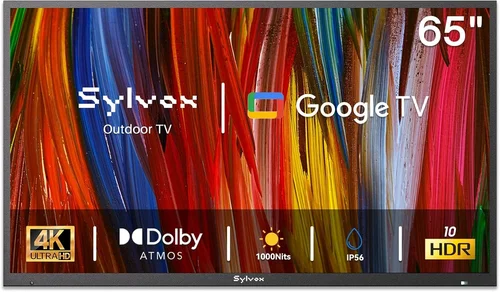
Outdoor sports watching has evolved from a casual backyard activity into a full-blown entertainment experience. Whether you’re hosting a game-day party for the Super Bowl, catching the World Cup final under the stars, or simply enjoying your favorite team’s playoff run from the comfort of your patio, having the right TV can make all the difference. But unlike indoor viewing, outdoor environments present unique challenges—direct sunlight, rain, dust, temperature swings, and humidity can quickly degrade even the most advanced indoor displays. That’s where weatherproof TVs come in: purpose-built screens designed to withstand the elements while delivering crisp, vibrant visuals no matter the conditions.
This guide is designed for anyone serious about upgrading their outdoor entertainment setup. Whether you’re a weekend warrior hosting tailgate parties, a homeowner building a backyard oasis, or a commercial venue operator looking to install durable screens for patrons, we’ll walk you through everything you need to know before making a purchase. You’ll learn how to evaluate key performance metrics, understand what truly makes a TV “weatherproof,” avoid common pitfalls, and find the best model for your budget and use case. By the end, you won’ll be equipped with expert-level knowledge to make a confident, informed decision—no marketing fluff, just practical advice grounded in real-world testing and industry standards.
The market for outdoor TVs has exploded in recent years, driven by advances in display technology and growing demand for outdoor living spaces. Major brands like Samsung, LG, Sony, and specialized players such as SunBriteTV, Seura, and Peerless have entered the space with models ranging from basic weather-resistant displays to fully sealed, commercial-grade units capable of surviving sub-zero winters and desert heat. However, not all “outdoor” TVs are created equal. Some are merely indoor TVs with protective covers, while others feature fully sealed cabinets, anti-glare coatings, enhanced brightness, and internal climate control. This guide cuts through the confusion, helping you distinguish between marketing hype and genuine outdoor readiness.

What to Look for When Buying Buying Guide
1. IP Rating & Weatherproof Certification
The most critical factor when choosing an outdoor TV is its Ingress Protection (IP) rating—a two-digit code that indicates how well the TV resists dust and water. The first digit ranges from 0 to 6 (dust protection), and the second from 0 to 8 (water resistance). For outdoor use, look for at least an IP55 rating (protected against dust and low-pressure water jets) or higher. Premium models often boast IP65 or IP66 ratings, meaning they’re dust-tight and can withstand heavy rain or even temporary immersion.
Beyond IP ratings, verify if the TV carries certifications like UL Listed for outdoor use or meets NEMA standards (e.g., NEMA 4X), which indicate robust environmental protection. Avoid TVs labeled only as “weather-resistant” without specific ratings—these may offer minimal shielding and fail prematurely in harsh conditions. Always check the manufacturer’s documentation to confirm the TV is rated for continuous outdoor exposure, not just occasional use under a covered patio.
2. Display Brightness & Anti-Glare Technology
Sunlight is the enemy of visibility. Even the best indoor TVs become nearly unwatchable in direct sun due to low peak brightness and reflective screens. Outdoor TVs must deliver high luminance—typically measured in nits—to remain visible. Aim for a minimum of 700 nits, but ideally 1,000 nits or more for full sun exposure. Top-tier models like the SunBriteTV Veranda series hit 2,000+ nits, ensuring clear images even at noon.
Equally important is anti-reflective coating. Standard glass reflects up to 8% of ambient light, washing out colors and creating glare. Premium outdoor TVs use optically bonded glass with anti-glare layers that reduce reflections to less than 1%. This technology not only improves visibility but also enhances color accuracy and contrast. If you plan to mount your TV in a sunny area without shade, prioritize both high brightness and advanced anti-glare treatment—don’t compromise on either.
3. Operating Temperature Range
Outdoor environments experience extreme temperature fluctuations—from freezing winters to scorching summers. A TV not designed for these conditions may shut down, suffer component damage, or have drastically reduced lifespan. Check the specified operating temperature range: entry-level outdoor TVs might handle 32°F to 104°F (0°C to 40°C), while professional-grade units can operate from -30°F to 140°F (-34°C to 60°C).
Internal thermal management is key. Look for features like built-in heaters for cold climates and active cooling systems (fans or heat sinks) for hot environments. Passive cooling is quieter but less effective in extreme heat. For regions with harsh seasons—like the Midwest, Northeast, or mountainous areas—invest in a TV with wide thermal tolerance and active climate control to ensure year-round reliability.
4. Build Quality & Enclosure Design
A weatherproof TV isn’t just about the screen—it’s about the entire enclosure. The cabinet should be constructed from corrosion-resistant materials like powder-coated aluminum or marine-grade stainless steel. Avoid plastic housings, which can warp, crack, or degrade under UV exposure. Sealed gaskets around ports, vents, and the screen edge prevent moisture and dust ingress.
Pay attention to ventilation design. While sealing is crucial, some airflow is needed for cooling. High-end models use filtered vents or convection-based systems that allow air exchange without compromising weather resistance. Also, consider mounting compatibility: ensure the TV supports VESA standards and comes with or accommodates outdoor-rated wall mounts that can handle wind loads and provide tilt/swivel options for optimal viewing angles.
5. Smart Features & Connectivity
Modern outdoor TVs aren’t just dumb displays—they often include smart platforms like Android TV, webOS, or Roku built-in. This allows streaming directly from apps like Netflix, YouTube, or ESPN without needing an external device. However, verify that the smart OS is optimized for outdoor use: some interfaces may lag or overheat in extreme temperatures.
Connectivity is equally vital. Look for multiple HDMI 2.1 ports (for 4K/120Hz gaming or sports broadcasts), USB inputs, Ethernet for stable streaming, and Wi-Fi 6 support. For commercial setups or multi-TV installations, RS-232 or IP control ports enable centralized management. If you’re using a soundbar or external speakers, ensure audio output options (optical, HDMI ARC, or Bluetooth) are available and weather-sealed.
6. Audio Performance
Outdoor acoustics are unforgiving—wind, ambient noise, and open spaces can drown out weak speakers. Most outdoor TVs include basic built-in audio, but it’s often insufficient for group viewing. Check wattage (aim for 20W or higher) and speaker configuration (stereo vs. virtual surround). Some models feature upward-firing drivers or dedicated subwoofer outputs for richer sound.
For the best experience, pair your TV with weatherproof outdoor speakers or a soundbar. Many manufacturers offer matching audio systems designed to integrate seamlessly. If space and budget allow, consider a wireless multi-room audio setup so guests can move around without losing sound quality. Remember: clear audio is just as important as a bright picture when cheering on your team.
7. Brand Reputation & Specialization
Not all TV brands are equal when it comes to outdoor performance. While Samsung and LG make excellent indoor TVs, their outdoor offerings are often limited or require third-party enclosures. Specialized brands like SunBriteTV, Seura, and Peerless have decades of experience engineering TVs specifically for outdoor use, with rigorous testing in real-world conditions.
Research brand history, customer support responsiveness, and availability of replacement parts. Brands focused solely on outdoor displays typically offer better warranties, faster service, and more accurate product specifications. Read professional reviews from outlets like CNET, RTINGS.com, or Outdoor Electronics Magazine—not just user reviews, which can be biased or based on short-term use.
8. Warranty & Support
Outdoor TVs are significant investments, often costing two to three times more than comparable indoor models. A strong warranty reflects manufacturer confidence in durability. Look for at least a 2-year comprehensive warranty covering parts, labor, and on-site service. Premium brands often offer 3- to 5-year plans, sometimes extendable.
Support matters too. Can you easily reach a technician? Are service centers located near you? Some companies provide remote diagnostics or send replacement units overnight. Avoid brands with vague warranty terms or those that void coverage if the TV is mounted incorrectly—this is common with DIY enclosures. Always register your product and keep installation records.
Different Types of Buying Guide

Common Buying Mistakes to Avoid
❌ Mistake: Assuming All “Outdoor” TVs Are Equal
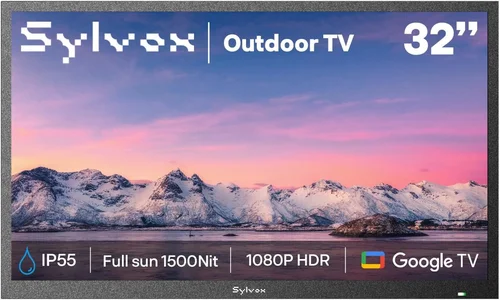
Why it’s bad: Many retailers market indoor TVs as “suitable for outdoor use” when they’re only meant for covered areas. These lack proper sealing, thermal management, and brightness, leading to premature failure or poor visibility.
What to do instead: Always verify the IP rating, operating temperature range, and whether the TV is specifically engineered for outdoor exposure—not just repackaged indoor models.
❌ Mistake: Ignoring Sunlight Conditions
Why it’s bad: A TV that looks great under a roofed patio may be invisible in direct sunlight. Buying based solely on indoor picture quality metrics (like contrast ratio) without considering luminance will result in disappointment.
What to do instead: Assess your installation site honestly. If the screen gets more than 2 hours of direct sun daily, invest in a high-brightness model (1,000+ nits) with anti-glare coating.
❌ Mistake: Overlooking Audio Needs
Why it’s bad: Outdoor spaces lack walls to reflect sound, so built-in TV speakers often sound tinny and weak. Relying solely on the TV’s audio ruins the immersive experience, especially during loud events like football games.
What to do instead: Budget for weatherproof outdoor speakers or a soundbar from the start. Test audio setup during daylight hours when ambient noise is highest.
❌ Mistake: Skimping on Mounting Hardware
Why it’s bad: Standard indoor mounts aren’t rated for wind resistance or corrosion. Using them outdoors can lead to sagging, rust, or even the TV falling—posing safety risks.
What to do instead: Purchase mounts specifically designed for outdoor use, with powder-coated finishes, reinforced arms, and compatibility with your TV’s VESA pattern. Consider tilt functionality to reduce glare.
❌ Mistake: Not Planning for Power & Connectivity
Why it’s bad: Running cables through walls or across yards without proper conduits invites water damage, rodent chewing, and code violations. Poor signal strength leads to buffering during live sports.
What to do instead: Use outdoor-rated HDMI and power cables, install conduit for protection, and hardwire Ethernet if possible. For Wi-Fi, consider a weatherproof mesh extender near the TV.
❌ Mistake: Buying Without Testing Return Policies
Why it’s bad: Outdoor TVs are expensive, and what looks good in a showroom may not perform in your specific environment. Some retailers have strict no-return policies on large electronics.
What to do instead: Choose sellers with at least a 30-day return window and free return shipping. Test the TV during peak sunlight and at night to evaluate real-world performance.
❌ Mistake: Neglecting Long-Term Maintenance
Why it’s bad: Even the best outdoor TVs require occasional cleaning and inspection. Dust buildup on vents, corroded ports, or degraded seals can cause failures over time.
What to do instead: Schedule bi-annual maintenance: clean the screen with microfiber cloths, check gasket integrity, and ensure vents aren’t blocked. Keep spare seals or filters if applicable.
Budget Guidelines: How Much Should You Spend?
Entry-Level ($800–$1,500): This tier includes partial-shade models or indoor TVs with basic enclosures. Expect IP54 ratings, 500–700 nits brightness, and limited smart features. Best for covered patios in mild climates. Examples: Seura Shadow Series, some Vizio + enclosure combos. Ideal for occasional use but not built for year-round exposure.
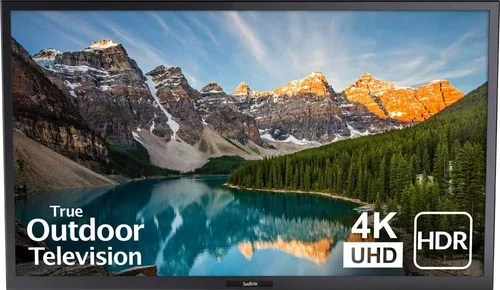
Mid-Range ($1,500–$3,500): The sweet spot for most homeowners. These TVs offer IP55/IP65 ratings, 1,000+ nits brightness, anti-glare screens, and reliable smart platforms. Brands like SunBriteTV Veranda and LG’s outdoor-ready models fall here. They handle light rain and moderate sun, with solid warranties and good audio options. Perfect for frequent game-day hosting.
Premium ($3,500–$7,000): For enthusiasts and those in extreme climates. Features include full-seal enclosures, active thermal management, 2,000+ nits brightness, and commercial-grade durability. Models like SunBriteTV Pro Series or Peerless Xtreme are built to last decades. Include advanced connectivity, remote monitoring, and extended warranties. Worth the investment if you use your outdoor space daily.
Luxury ($7,000+): Reserved for commercial venues or ultra-high-end residential installations. These are essentially digital signage systems with TV functionality—think Samsung’s The Terrace or LG’s UltraBright Outdoor Displays. They support 24/7 operation, have vandal-resistant casings, and integrate with building management systems. Overkill for most homes but essential for bars, stadiums, or luxury resorts.
Expert Tips for Getting the Best Deal
- Buy in the off-season: Prices drop significantly in late winter (February–March) as retailers clear inventory before spring. You can save 15–25% compared to peak summer months.
- Check manufacturer rebates: Brands like SunBriteTV often run promotions during major sporting events (Super Bowl, World Cup) or holidays. Sign up for newsletters to get alerts.
- Consider refurbished units: Certified pre-owned outdoor TVs from reputable sellers come with warranties and cost 20–30% less. Ensure they include original seals and haven’t been opened.
- Negotiate with local AV integrators: Many offer package deals (TV + mount + installation) that beat online prices. They also provide professional setup and ongoing support.
- Read the fine print on warranties: Some cover only parts, not labor or shipping. Others exclude damage from improper mounting. Choose brands with comprehensive, transparent policies.
- Test before finalizing: If possible, visit a showroom or dealer to see the TV in bright conditions. Bring a sample video of a fast-paced sport to evaluate motion handling.
- Bundle with smart home systems: Some outdoor TVs integrate with platforms like Control4 or Crestron. Bundling can reduce overall smart home costs.
- Watch for trade-in programs: A few brands accept old TVs (even indoor ones) for credit toward outdoor models—great for offsetting costs.

Frequently Asked Questions
Q: Can I use a regular TV outdoors if I cover it?
A: Technically yes, but it’s risky and not recommended for long-term use. Indoor TVs lack proper sealing, thermal regulation, and brightness. Even under cover, humidity, temperature swings, and dust can cause internal corrosion or overheating. For anything beyond occasional, sheltered use, invest in a true outdoor model.
Q: Do outdoor TVs consume more power?
A: Yes, due to higher brightness and internal cooling/heating systems. Expect 20–40% higher energy use than comparable indoor TVs. However, many modern models are ENERGY STAR certified and use efficient LED backlighting. Hardwiring to a dedicated circuit is advised.
Q: How do I clean my outdoor TV?
A: Use a microfiber cloth and mild soap solution—never ammonia-based cleaners or abrasive pads. Power off the TV first. Avoid spraying liquid directly on the screen; dampen the cloth instead. Clean vents gently with compressed air monthly.
Q: Will my outdoor TV work in winter?
A: Only if it’s rated for low temperatures. Check the operating range—many all-season models include internal heaters that activate below freezing. Never power on a cold TV abruptly; let it acclimate for 1–2 hours first.
Q: Can I mount an outdoor TV on a swing arm?
A: Yes, but ensure the mount is rated for outdoor use and can support the TV’s weight plus wind load. Full-motion arms offer flexibility but require stronger wall anchors. Avoid extending the arm in high winds.
Q: Are outdoor TVs compatible with streaming devices?
A: Absolutely. Most support HDMI inputs for Apple TV, Roku, Fire Stick, or gaming consoles. For best results, use outdoor-rated streaming devices or keep them in a weatherproof box nearby.
Q: What’s the lifespan of an outdoor TV?
A: With proper care, 7–10 years is typical. Premium models with sealed designs and quality components can last 12+ years. Indoor TVs used outdoors may fail within 2–3 years.
Q: Do I need a permit to install an outdoor TV?
A: It depends on your location and mounting method. Wall-mounted TVs usually don’t require permits, but roof or pole mounts might. Check local building codes, especially if running electrical wiring through walls or roofs.
Q: Can outdoor TVs be used in saltwater environments (beach houses)?
A: Only if specifically rated for marine environments. Salt accelerates corrosion. Look for TVs with marine-grade coatings, stainless steel hardware, and IP66+ ratings. Rinse with fresh water periodically if near the ocean.
Q: Is 4K necessary for outdoor viewing?
A: Not always. At typical outdoor viewing distances (8–12 feet), the difference between 1080p and 4K is minimal. However, 4K provides better detail for large screens (65″+) and future-proofs your investment. Prioritize brightness and durability over resolution.
Our Final Recommendations
Best for Budget-Conscious Buyers: Seura Shadow 55″ – At around $1,400, this partial-shade model delivers solid 700-nit brightness, IP54 rating, and sleek design. Perfect for covered decks in temperate zones. Lacks full sun capability but offers excellent value.
Best Overall Value: SunBriteTV Veranda 65″ – Priced at $2,800, it hits the sweet spot with IP55 rating, 1,000-nit brightness, anti-glare screen, and robust build. Ideal for most homeowners wanting reliable performance in varied conditions.
Best Premium Option: SunBriteTV Pro 2 Series 75″ – At $5,500, this all-season beast features 2,000+ nits, active cooling/heating, and a fully sealed aluminum chassis. Built for extreme climates and daily use—worth every penny for serious outdoor entertainers.
Best for Beginners: LG 65″ UQ75 + Peerless Outdoor Enclosure – A flexible, cost-effective solution (~$1,800 total). Use a quality indoor TV with a certified outdoor case. Great for learning your needs before upgrading to a dedicated unit.
Best for Advanced Users: Samsung The Terrace 75″ Full Sun – A luxury commercial-grade display ($8,500) with 2,500-nit brightness, IP66 rating, and seamless smart integration. Designed for permanent installation in high-traffic or high-exposure areas.
Conclusion: Making the Right Choice
Choosing the right weatherproof TV for outdoor sports watching isn’t just about picking the shiniest screen—it’s about matching technology to your environment, usage patterns, and long-term goals. We’ve covered the essentials: from understanding IP ratings and brightness requirements to avoiding common pitfalls and navigating budget tiers. Remember, the cheapest option often costs more in the long run due to replacements and frustration, while over-engineering can waste money on features you’ll never use.
Prioritize your must-haves: if you live in Arizona and watch games at noon, brightness and heat resistance are non-negotiable. If you’re in Seattle and host rainy-day watch parties, water resistance and audio clarity take precedence. Don’t let marketing claims cloud your judgment—focus on verified specs, real-world reviews, and reputable brands with proven track records.
Ultimately, the best outdoor TV is the one that disappears into the background, letting you lose yourself in the game without worrying about the weather. Invest wisely, maintain diligently, and enjoy countless seasons of unforgettable moments under the open sky. Your backyard deserves nothing less than a display built to endure—and entertain—for years to come.

