
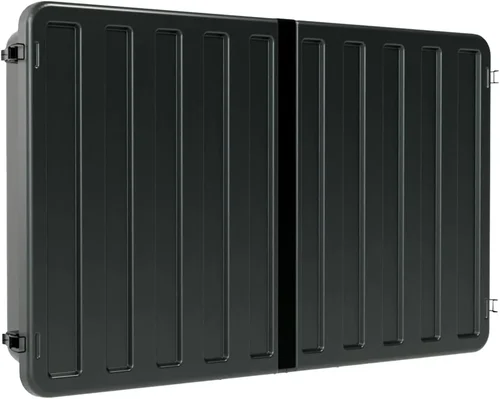
Outdoor living has evolved far beyond simple lounging by the pool. Today’s homeowners and hospitality professionals are transforming their backyards into full-fledged entertainment zones—complete with sound systems, lighting, and yes, even televisions. But when it comes to installing a TV near or around your pool, especially in rainy climates, the stakes (and risks) are significantly higher than with indoor setups. Water, humidity, temperature swings, and UV exposure can quickly turn a dreamy outdoor movie night into an expensive repair bill—or worse, a safety hazard.
That’s why choosing the right poolside TV isn’t just about picture quality or screen size. It’s about reliability, weather resistance, and long-term performance in challenging environmental conditions. Whether you’re in Seattle’s drizzle-prone Pacific Northwest, Florida’s tropical downpours, or the UK’s famously damp summers, your outdoor TV must be engineered to withstand constant moisture without compromising on performance. This guide is designed to help you navigate the complex world of outdoor televisions with a special focus on rainy climates. You’ll learn what features truly matter, how to avoid common pitfalls, and which models offer the best balance of durability, value, and functionality.
By the end of this comprehensive buying guide, you’ll have a clear roadmap for selecting a poolside TV that not only survives but thrives in wet, humid, and unpredictable weather. We’ll break down key technical specs, compare different types of outdoor TVs, highlight real-world performance insights, and provide expert-backed recommendations tailored to various budgets and use cases. Whether you’re a homeowner upgrading your backyard oasis or a hotel manager outfitting a resort pool area, this guide will equip you with the knowledge to make a smart, future-proof investment.

What to Look for When Buying Buying Guide
1. Weather Resistance & IP Rating
When it comes to outdoor TVs in rainy climates, weather resistance isn’t optional—it’s essential. The first thing you should check is the TV’s Ingress Protection (IP) rating, which indicates how well the device resists dust and water. For poolside use in wet environments, look for a minimum IP55 rating, but ideally aim for IP65 or higher. An IP65 rating means the TV is dust-tight and protected against low-pressure water jets from any direction—perfect for rain, splashes, and even accidental hose exposure.
However, don’t stop at the IP rating. Examine the materials used in the housing. High-quality outdoor TVs use marine-grade aluminum or powder-coated steel that resists corrosion. Avoid plastic enclosures unless they’re specifically rated for outdoor use and UV-stabilized. Also, ensure all ports, vents, and mounting hardware are sealed or shielded. Some premium models even include internal heaters or fans to manage condensation and prevent fogging during sudden temperature changes—critical in humid, rainy regions.
2. Screen Brightness & Anti-Glare Technology
Watching TV outdoors means battling ambient light—even on overcast days in rainy climates. A dim screen will look washed out and unwatchable. For poolside viewing, you need a display with high brightness, measured in nits. Aim for at least 700 nits, but 1000 nits or more is ideal for clear visibility in daylight. Many outdoor TVs now come with high-brightness LED or QLED panels specifically tuned for outdoor use.
Equally important is anti-glare or anti-reflective coating. Without it, sunlight reflecting off the water or wet surfaces can create blinding glare on the screen. Look for TVs with matte finishes or specialized optical filters that reduce reflections. Some models also feature automatic brightness adjustment based on ambient light sensors, ensuring optimal viewing whether it’s a sunny afternoon or a cloudy evening. In rainy climates where skies are often overcast, this feature helps maintain consistent picture quality without manual tweaking.
3. Build Quality & Durability
Durability goes beyond just water resistance. Your poolside TV must endure temperature fluctuations, salt air (if near the coast), UV degradation, and physical wear from wind or accidental bumps. Premium outdoor TVs are built with sealed chassis designs that prevent moisture from seeping into internal components. Internal circuitry is often conformal-coated—a protective layer that shields against humidity and corrosion.
Mounting hardware is another critical factor. Standard indoor TV mounts won’t cut it. You need heavy-duty, rust-proof brackets made from stainless steel or aluminum. Many outdoor TV manufacturers offer proprietary mounting systems designed to work seamlessly with their units. Also, consider the TV’s weight and balance—lighter models may be easier to install but could be more vulnerable to wind damage. Always anchor your mount securely to a wall or post, and avoid placing the TV in areas where it could be struck by pool equipment or furniture.
4. Performance Specifications
While durability is paramount, you still want a TV that delivers a great viewing experience. Look for modern display technologies like 4K UHD resolution, HDR support (HDR10, Dolby Vision), and low input lag for gaming or live sports. Refresh rates of 120Hz or higher are ideal for smooth motion, especially during fast-paced content like swimming competitions or action movies.
Smart TV capabilities are increasingly important. Most outdoor TVs now run on platforms like Android TV, webOS, or Roku, giving you access to streaming apps like Netflix, YouTube, and Disney+. Ensure the TV has reliable Wi-Fi connectivity—preferably dual-band (2.4GHz and 5GHz)—to maintain a stable connection even at a distance from your router. Some models include built-in Bluetooth for wireless audio streaming to outdoor speakers. Audio quality matters too; while most outdoor TVs have modest built-in speakers, they should support external audio outputs (HDMI ARC, optical, or 3.5mm) for connecting to a soundbar or outdoor speaker system.
5. Size & Viewing Distance
Choosing the right screen size depends on your seating arrangement and viewing distance. For poolside setups, viewers are often seated 6 to 12 feet away. A 55-inch TV is a sweet spot for most residential pools, offering immersive viewing without overwhelming the space. For larger decks or commercial settings like hotel pools, consider 65-inch or 75-inch models.
However, bigger isn’t always better. In rainy climates, larger screens may be more susceptible to wind damage and require sturdier mounts. Also, ensure the TV’s aspect ratio and resolution match your content sources. A 4K TV viewed from too close may reveal pixelation, while one viewed from too far may not justify the higher cost. Use online viewing distance calculators to find the ideal size for your setup. And remember: in outdoor environments, ambient light can reduce perceived screen size, so err on the larger side if your budget allows.
6. Brand Reputation & Specialization
Not all TV brands are created equal when it comes to outdoor use. While mainstream manufacturers like Samsung and LG offer some outdoor-compatible models, they’re often repurposed indoor TVs with added enclosures—not purpose-built for wet environments. Instead, look for brands that specialize in outdoor displays, such as SunBriteTV, Seura, Peerless-AV, and SkyVue. These companies design their products from the ground up for outdoor conditions, with rigorous testing for humidity, temperature, and UV exposure.
Research customer reviews and professional installer feedback. Brands with strong reputations in the outdoor AV space often provide better long-term support, more accurate spec sheets, and fewer surprises during installation. Avoid unknown or generic brands that claim “weatherproof” without certifications or detailed specs. A reputable brand may cost more upfront, but it reduces the risk of premature failure and costly replacements.
7. Warranty & Support
A robust warranty is a strong indicator of a manufacturer’s confidence in their product. For outdoor TVs in rainy climates, look for at least a 2-year warranty, with 3 years or more being ideal. Some premium brands offer extended warranties or service plans that cover on-site repairs or replacements. Pay attention to what’s included: does the warranty cover water damage? What about labor costs for installation or removal?
Customer support is equally important. Can you reach a human quickly if something goes wrong? Do they offer installation guides, troubleshooting tools, or certified installer networks? In rainy climates, quick resolution is key—prolonged exposure to moisture can turn a minor issue into a major failure. Check if the brand provides regional service centers or partners with local AV professionals. A strong support ecosystem can save you time, money, and frustration down the line.
8. Installation & Maintenance Requirements
Even the best outdoor TV won’t perform well if it’s poorly installed. Professional installation is highly recommended, especially in areas prone to heavy rain or high winds. A certified installer will ensure proper sealing, secure mounting, and safe cable management. They’ll also advise on optimal placement—avoiding direct exposure to downpours, sprinklers, or pool splashes.
Maintenance is another consideration. While outdoor TVs are designed to be low-maintenance, they still require periodic care. Clean the screen with a microfiber cloth and mild cleaner (never ammonia-based products). Check seals and gaskets annually for wear. In rainy climates, inspect for mold or mildew buildup in crevices. Some models include removable front panels for easy access to internal components. If you’re in a coastal area, rinse the exterior with fresh water periodically to remove salt residue. Proper upkeep extends the TV’s lifespan and maintains performance.
Different Types of Buying Guide
Common Buying Mistakes to Avoid
❌ Mistake: Buying an Indoor TV for Outdoor Use
Why it’s bad: Indoor TVs are not designed to handle moisture, temperature changes, or UV exposure. Even brief rain exposure can cause internal corrosion, screen fogging, or electrical failure. The risk of shock or fire increases significantly when water contacts live components.
What to do instead: Always choose a TV specifically rated for outdoor use. If budget is tight, consider a high-quality outdoor enclosure, but understand that this adds complexity and may void the TV’s warranty.
❌ Mistake: Ignoring the IP Rating
Why it’s bad: A TV labeled “weather-resistant” without a clear IP rating may only offer minimal protection. In rainy climates, even light drizzle can seep into poorly sealed units over time, leading to gradual degradation.
What to do instead: Demand a certified IP rating (IP55 minimum, IP65 preferred). Verify it through independent reviews or manufacturer documentation.
❌ Mistake: Overlooking Screen Brightness
Why it’s bad: A dim screen becomes unwatchable in daylight, especially near reflective pool surfaces. You’ll end up watching a dark, blurry image even on cloudy days.
What to do instead: Prioritize TVs with at least 700 nits brightness. Test the display in similar lighting conditions if possible, or rely on verified user reviews from outdoor users.
❌ Mistake: Poor Placement or Mounting
Why it’s bad: Mounting a TV in a low-lying area or directly under a gutter increases exposure to runoff and pooling water. Weak mounts can fail in high winds, causing damage or injury.
What to do instead: Install the TV under an eave, pergola, or awning. Use a certified outdoor mount and consult a professional installer familiar with local weather patterns.
❌ Mistake: Neglecting Audio Solutions
Why it’s bad: Built-in TV speakers are usually weak and muffled, especially outdoors where sound dissipates quickly. You’ll struggle to hear dialogue over pool pumps or wind.
What to do instead: Plan for external audio from day one. Invest in weather-resistant outdoor speakers or a soundbar with an IP rating. Use wireless options to simplify cable management.
❌ Mistake: Skipping the Warranty Check
Why it’s bad: Outdoor TVs are expensive, and repairs can be costly. A limited or unclear warranty leaves you vulnerable if the unit fails prematurely due to weather exposure.
What to do instead: Read the fine print. Ensure the warranty covers outdoor use, water damage, and includes labor. Consider extended protection plans for high-value units.
❌ Mistake: Assuming All “Outdoor” TVs Are Equal
Why it’s bad: Some brands market indoor TVs as “outdoor-ready” with minimal modifications. These often lack proper sealing, UV protection, or thermal management.
What to do instead: Stick to brands with a proven track record in outdoor displays. Research real-world performance in similar climates before purchasing.
Budget Guidelines: How Much Should You Spend?
Entry-Level ($500 – $1,200): This tier includes indoor TVs paired with basic outdoor enclosures or low-cost partial-cover models. While affordable, they offer limited weather protection and shorter lifespans. Best for covered patios in mild rainy climates with minimal direct exposure. Expect shorter warranties and lower brightness.
Mid-Range ($1,200 – $2,500): The sweet spot for most homeowners. These are purpose-built outdoor TVs with IP55 or IP65 ratings, decent brightness (700–1000 nits), and reliable smart features. Brands like SkyVue and some Peerless-AV models fall here. Ideal for semi-covered pool areas with occasional rain exposure.
Premium ($2,500 – $4,500): For enthusiasts and those in harsh rainy climates. These TVs feature full weather sealing, high brightness (1000+ nits), advanced thermal management, and premium materials. Models from SunBriteTV and Seura dominate this space. They’re built to last 5–7 years or more with minimal maintenance.
Luxury ($4,500+): Top-tier commercial-grade or custom outdoor displays. These offer extreme durability, 24/7 operation capability, ultra-high brightness, and advanced features like anti-vandal coatings or remote monitoring. Perfect for luxury resorts, high-end homes, or public installations where reliability is non-negotiable.
Expert Tips for Getting the Best Deal
- Buy during off-season sales: Late fall and winter are ideal times to purchase outdoor TVs. Retailers often discount inventory before the spring outdoor season. Look for Black Friday, Cyber Monday, or end-of-year clearance events.
- Shop at specialty AV retailers: Big-box stores may carry limited outdoor models. Instead, visit local AV integrators or online specialists like Crutchfield, Value Electronics, or Outdoor TV Direct. They offer expert advice, bundled packages, and better support.
- Compare total cost of ownership: A cheaper TV may cost more long-term due to shorter lifespan or higher maintenance. Factor in warranty length, expected durability, and energy efficiency.
- Check for rebates or incentives: Some utility companies offer rebates for energy-efficient outdoor electronics. Local governments may also have green building incentives for sustainable outdoor upgrades.
- Test before you buy (if possible): If you’re near a showroom or installer, ask to see the TV in action. Check brightness, color accuracy, and menu responsiveness in daylight conditions.
- Negotiate installation bundles: Many dealers offer discounts when you purchase the TV, mount, and installation together. This can save 10–20% compared to buying separately.
- Read real user reviews: Look beyond manufacturer specs. Sites like Amazon, Reddit (r/outdoorTV), and AV forums provide honest feedback from users in similar climates.
- Consider refurbished or open-box units: Reputable sellers often offer certified pre-owned outdoor TVs at 20–30% off. Ensure they come with a full warranty and have been inspected for weather sealing.

Frequently Asked Questions
Q: Can I use a regular TV by the pool if it’s under a covered patio?
A: It’s risky. Even under cover, humidity, splashes, and temperature swings can damage an indoor TV over time. For reliable performance in rainy climates, invest in a purpose-built outdoor model or a high-quality enclosure.
Q: How do I protect my outdoor TV from lightning storms?
A: Always use a surge protector rated for outdoor use. For added safety, install a whole-house surge suppressor and consider unplugging the TV during severe storms. Some premium models include built-in surge protection.
Q: Will my outdoor TV work in winter or cold, wet conditions?
A: Yes, if it’s rated for all-weather use. Many outdoor TVs operate safely from -22°F to 122°F (-30°C to 50°C). Look for models with internal heaters to prevent screen fogging in cold, humid weather.
Q: Do I need a special remote for outdoor use?
A: Most outdoor TVs come with standard IR or Bluetooth remotes. However, in bright sunlight, IR signals can be unreliable. Consider a remote with RF (radio frequency) capability or use a smartphone app for control.
Q: How often should I clean my outdoor TV?
A: Clean the screen every 1–2 weeks with a microfiber cloth and mild cleaner. Inspect seals and vents monthly. In rainy or coastal areas, rinse the exterior with fresh water monthly to remove salt or mineral buildup.
Q: Can I stream content reliably outdoors?
A: Yes, if you have strong Wi-Fi coverage. Use a mesh network or outdoor Wi-Fi extender to boost signal strength. For critical setups, consider a wired Ethernet connection via a weatherproof conduit.
Q: What’s the average lifespan of an outdoor TV in a rainy climate?
A: With proper care, a quality outdoor TV should last 5–7 years. Premium models with robust sealing and thermal management can exceed 8 years. Avoid cheap enclosures—they often fail within 2–3 years.
Q: Are outdoor TVs energy efficient?
A: Modern outdoor TVs are surprisingly efficient, especially LED and QLED models. Look for ENERGY STAR certification. Brightness settings also impact power use—lower brightness in cloudy conditions saves energy.
Q: Can I mount an outdoor TV on a freestanding pole?
A: Yes, but ensure the pole is anchored securely and rated for wind loads. Use a pole mount designed for outdoor TVs, and avoid placing it in low-lying areas where water pools.
Q: Do outdoor TVs come with built-in heaters or fans?
A: Some premium models do. Internal heaters prevent condensation in cold, humid weather, while fans help regulate temperature in hot climates. These features are especially valuable in rainy regions with frequent temperature swings.
Our Final Recommendations
Best for Budget-Conscious Buyers: SkyVue SV55 – A 55-inch all-weather TV with IP65 rating, 1000 nits brightness, and Android TV. Priced around $1,800, it offers excellent value for covered or semi-exposed pool areas.
Best Overall Value: SunBriteTV Veranda Series 55″ – Combines durability, 700 nits brightness, and reliable performance at $2,200. Ideal for rainy climates with partial cover.
Best Premium Option: Seura 65″ Outdoor 4K TV – With IP66 rating, 1200 nits brightness, and sleek design, this $3,800 model is perfect for luxury homes and resorts.
Best for Beginners: Peerless-AV OET55 55″ – Easy to install, includes mounting hardware, and offers solid weather protection at $1,600. Great for first-time outdoor TV buyers.
Best for Advanced Users: SunBriteTV Pro Series 75″ – Built for extreme conditions, with 2000 nits brightness, internal cooling, and commercial-grade durability. At $5,500, it’s a top choice for professionals.
Conclusion: Making the Right Choice
Choosing the right poolside TV for a rainy climate is about more than just picking a screen that looks good outdoors. It’s a decision that balances durability, performance, and long-term value. From understanding IP ratings and brightness requirements to avoiding common installation pitfalls, every detail matters when your TV will face constant exposure to moisture and weather.
Remember, the cheapest option isn’t always the most cost-effective. Investing in a purpose-built outdoor TV from a reputable brand may cost more upfront, but it pays dividends in reliability, safety, and enjoyment. Prioritize your specific needs—whether that’s budget, screen size, or smart features—and don’t compromise on weather resistance.
With the insights from this guide, you’re now equipped to make an informed decision. Take your time, compare models, and consult with professionals if needed. Your perfect poolside entertainment setup is within reach—rain or shine.

