
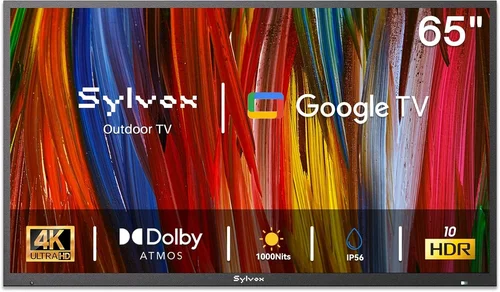
Outdoor living spaces have evolved far beyond simple patios and decks—they’re now fully integrated entertainment zones, complete with outdoor kitchens, fire pits, sound systems, and yes, high-performance televisions. Whether you’re hosting summer barbecues, watching the big game under the stars, or enjoying a quiet evening with a movie alfresco, a weatherproof TV can transform your deck into a true extension of your home theater experience. But not all outdoor TVs are created equal. The elements—sun, rain, snow, dust, and temperature swings—pose serious challenges that standard indoor TVs simply aren’t built to handle. That’s why choosing the right weatherproof TV requires more than just picking a screen size and brand. It demands a deep understanding of durability, performance, installation, and long-term value.
This comprehensive buying guide is designed to equip you with everything you need to make an informed decision when selecting a weatherproof TV for your deck. We’ll walk you through the critical factors to consider—from IP ratings and brightness levels to smart features and mounting options—and help you avoid common pitfalls that could lead to premature failure or poor viewing quality. You’ll also find expert comparisons of different TV types, real-world budget breakdowns, actionable tips for getting the best deal, and answers to frequently asked questions based on years of hands-on experience and industry research. By the end, you’ll know exactly what to look for, what to avoid, and how to maximize both performance and longevity in even the harshest outdoor conditions.
The market for outdoor TVs has grown significantly in recent years, driven by advances in display technology and increasing demand for outdoor entertainment solutions. Major brands like Samsung, LG, Sony, and specialized manufacturers such as SunBriteTV, Seura, and Peerless have entered the space, offering a range of options from budget-friendly models to ultra-premium displays. However, this variety can be overwhelming. Many consumers mistakenly assume that any TV labeled “outdoor” or “all-weather” will perform equally well—but differences in build quality, thermal management, anti-glare coatings, and weather sealing can dramatically impact real-world usability. This guide cuts through the marketing noise to deliver honest, expert-level insights so you can invest wisely in a TV that delivers stunning picture quality season after season, rain or shine.

What to Look for When Buying a Weatherproof TV
1. IP Rating & Weather Resistance
The Ingress Protection (IP) rating is your first line of defense when evaluating a weatherproof TV’s ability to withstand the elements. This two-digit code indicates how well the TV resists dust and moisture. The first digit ranges from 0 to 6 and measures protection against solid particles like dust; the second digit ranges from 0 to 9 and reflects resistance to liquids, including rain, snow, and splashes. For deck installations, look for a minimum rating of IP55—this means the TV is dust-protected and can handle low-pressure water jets from any direction. However, if you live in a region with heavy rainfall, frequent storms, or high humidity, aim for IP65 or higher. An IP65-rated TV is fully dust-tight and protected against water projected from a nozzle, making it ideal for uncovered decks or areas exposed to direct weather.
Beyond the IP rating, consider the TV’s overall weatherproofing design. High-quality outdoor TVs feature sealed enclosures that prevent moisture from penetrating internal components, corrosion-resistant materials like powder-coated aluminum or stainless steel, and gaskets around ports and seams. Some models also include hydrophobic coatings on the screen to repel water droplets and reduce streaking. Avoid TVs that rely solely on external covers or enclosures—these can trap moisture, create condensation, and ultimately lead to component failure. Always verify that the manufacturer specifies the TV as “fully weatherproof” or “all-weather,” not just “weather-resistant,” which may only offer limited protection.
2. Brightness & Anti-Glare Performance
One of the biggest challenges with outdoor TV viewing is ambient light—especially direct sunlight, which can wash out even the brightest indoor displays. Standard TVs typically range from 300 to 500 nits of brightness, but outdoor environments demand significantly higher output to maintain visibility. For shaded decks or evening use, a minimum of 700 nits is recommended. However, if your deck receives direct sunlight for several hours a day, you’ll need a TV with at least 1,000 to 2,500 nits—or even higher for peak sun exposure. High-brightness LEDs or OLED panels with enhanced luminance are essential for clear, vibrant images in daylight.
Equally important is the screen’s anti-glare treatment. Look for TVs with optically bonded glass or matte finishes that diffuse reflections rather than reflecting them like a mirror. Some premium models feature advanced optical filters that reduce glare while preserving color accuracy and contrast. Avoid glossy screens unless they’re specifically engineered for outdoor use—many indoor TVs with glossy coatings become nearly unusable in bright conditions. Additionally, consider the TV’s viewing angle. Wide-angle panels (178 degrees or more) ensure consistent picture quality whether you’re seated directly in front or off to the side, which is crucial for group viewing on a deck.
3. Thermal Management & Operating Temperature Range
Outdoor TVs must operate reliably across a wide range of temperatures—from freezing winter nights to scorching summer afternoons. Unlike indoor TVs, which benefit from stable room temperatures, outdoor models are exposed to rapid thermal shifts that can stress internal components. A quality weatherproof TV will specify a broad operating temperature range, typically from -22°F to 122°F (-30°C to 50°C) or wider. This ensures the display functions properly in extreme cold or heat without shutting down or suffering performance degradation.
Effective thermal management is key to longevity. Look for TVs with passive cooling systems—such as heat-dissipating chassis designs or internal heat sinks—that don’t rely on fans, which can fail or allow moisture ingress. Active cooling with sealed, filtered fans may be acceptable in some models, but passive systems are generally more reliable. Also, check whether the TV includes automatic temperature sensors that adjust brightness or power usage to prevent overheating. Poor thermal design can lead to shortened lifespan, color shifts, or even permanent damage to the panel.
4. Build Quality & Durability
Durability goes beyond weather resistance—it encompasses the entire construction of the TV, from the frame to the internal components. High-end outdoor TVs use robust materials like marine-grade aluminum, reinforced polymers, or powder-coated steel that resist rust, UV degradation, and physical impacts. The screen itself should be made of tempered or laminated glass to prevent shattering from wind-blown debris or accidental contact. Internal circuitry is often conformal-coated to protect against moisture and corrosion, a feature rarely found in indoor models.
Pay attention to the TV’s weight and thickness. Heavier, thicker units often indicate better build quality and better heat dissipation. Lightweight “outdoor-ready” TVs may cut corners on materials or sealing. Also, inspect the port covers and input panels—these should be tightly sealed with rubber gaskets and easy to access without compromising weatherproofing. Durability also extends to the remote control and any included accessories; opt for models with weather-resistant remotes or smartphone app control to avoid exposing ports unnecessarily.
5. Smart Features & Connectivity
Modern outdoor TVs aren’t just about surviving the weather—they’re also expected to deliver the same smart functionality as their indoor counterparts. Look for models with built-in Wi-Fi, Bluetooth, and support for popular streaming platforms like Netflix, YouTube, Disney+, and Amazon Prime Video. Many outdoor TVs now run on Android TV, webOS, or Roku platforms, offering access to thousands of apps and voice control via Google Assistant or Alexa. This eliminates the need for external streaming devices, reducing cable clutter and potential failure points.
Connectivity is equally important. Ensure the TV has multiple HDMI ports (preferably HDMI 2.0 or higher for 4K content), USB inputs, and audio outputs for external speakers or soundbars. Some models include weatherproof cable glands or pass-through ports that allow you to run cables through the wall or mounting bracket without exposing them to the elements. If you plan to connect gaming consoles, cable boxes, or media players, verify compatibility and input lag performance—especially for fast-paced games or live sports.
6. Size & Viewing Distance
Choosing the right screen size depends on your deck’s layout, seating arrangement, and typical viewing distance. A common rule of thumb is to multiply the viewing distance (in inches) by 0.84 to determine the ideal screen diagonal. For example, if your seating is 10 feet (120 inches) away, a 100-inch screen would be optimal. However, outdoor environments often benefit from larger screens due to ambient light and the need for greater visual impact.
Most outdoor TVs range from 43 inches to 85 inches, with some premium models exceeding 90 inches. Larger screens enhance immersion but require more powerful mounting solutions and may be affected by wind. Consider the TV’s weight and ensure your deck structure can support it—especially if mounting on a wall or ceiling. Also, factor in the TV’s depth; some outdoor models are thicker than indoor ones due to weatherproofing, which may affect placement near railings or furniture.
7. Brand Reputation & Specialization
Not all TV brands are equally equipped to handle outdoor challenges. While mainstream manufacturers like Samsung and LG offer outdoor-compatible models, specialized brands such as SunBriteTV, Seura, and Peerless have decades of experience designing TVs specifically for outdoor use. These companies understand the unique demands of alfresco entertainment and often include features like enhanced brightness, superior sealing, and extended warranties.
Research customer reviews and third-party testing to assess reliability. Look for brands with a proven track record in outdoor installations and positive feedback from users in similar climates. Avoid unknown or generic brands that market “weatherproof” TVs without detailed specifications or certifications. A reputable brand will provide clear documentation on IP ratings, temperature ranges, and warranty coverage—transparency that’s often missing from lesser-known manufacturers.
8. Warranty & Support
Outdoor TVs represent a significant investment, so robust warranty and customer support are non-negotiable. Most reputable manufacturers offer warranties ranging from 1 to 3 years, with some premium models providing up to 5 years of coverage. Pay close attention to what’s included—does the warranty cover weather-related damage, or is it voided by outdoor use? Some brands offer extended service plans or on-site repair options, which can be invaluable if your TV fails in a hard-to-reach location.
Customer support quality varies widely. Look for brands with responsive technical support, detailed installation guides, and accessible service centers. Avoid companies that only offer email support or have long response times. A strong warranty and reliable support network can save you hundreds in repair costs and ensure your TV remains functional for years to come.
Different Types of Weatherproof TVs

Common Buying Mistakes to Avoid
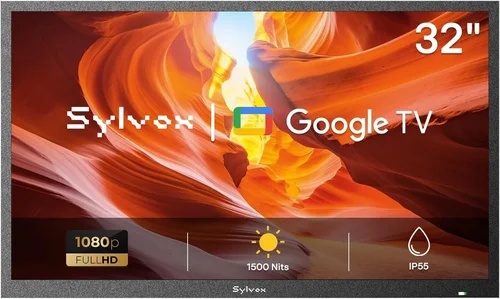
❌ Mistake: Assuming All “Outdoor” TVs Are Equal
Why it’s bad: Many consumers believe that any TV marketed as “outdoor” or “weather-resistant” will perform the same in real-world conditions. In reality, there’s a huge gap between a TV with basic splash resistance and one engineered for full exposure to sun, rain, and snow. Using an under-specified TV can lead to fogging, color distortion, or complete failure within months.
What to do instead: Always check the IP rating, operating temperature range, and manufacturer’s outdoor certification. Look for models explicitly designed for “full outdoor use” and avoid those that require additional enclosures unless you’re prepared for the added cost and complexity.
❌ Mistake: Ignoring Brightness Requirements
Why it’s bad: A TV that looks great indoors can become nearly invisible in direct sunlight. Low-brightness screens (under 700 nits) struggle to compete with ambient light, resulting in a washed-out image that’s hard to see during the day.
What to do instead: Match the TV’s brightness to your deck’s lighting conditions. For full sun exposure, choose a model with at least 1,500 nits. For shaded areas, 700–1,000 nits may suffice. Always prioritize anti-glare coatings to maximize visibility.
❌ Mistake: Overlooking Thermal Management
Why it’s bad: Without proper heat dissipation, outdoor TVs can overheat in summer or fail to start in winter. Poor thermal design leads to shortened lifespan, color shifts, and unexpected shutdowns.
What to do instead: Choose TVs with passive cooling systems and wide operating temperature ranges. Avoid models that rely on internal fans unless they’re sealed and filtered. Check user reviews for reports of overheating or cold-weather issues.
❌ Mistake: Choosing the Wrong Size for the Space
Why it’s bad: A TV that’s too small won’t deliver an immersive experience, while one that’s too large can overwhelm the deck and create glare or viewing discomfort.
What to do instead: Use the viewing distance formula (distance in inches × 0.84 = ideal screen size) and consider the deck’s layout. Test different sizes with tape or cardboard before purchasing. Ensure the mounting location can support the TV’s weight and size.
❌ Mistake: Skimping on Mounting & Installation
Why it’s bad: Improper mounting can lead to instability, water intrusion, or even TV detachment in high winds. Using indoor mounts or DIY solutions often voids warranties and compromises safety.
What to do instead: Invest in a weatherproof mounting system designed for outdoor use. Choose tilt or full-motion mounts for optimal viewing angles. Have the installation done by a professional if you’re unsure—especially for wall or ceiling mounts.
❌ Mistake: Neglecting Audio Quality
Why it’s bad: Outdoor environments have no walls to reflect sound, so built-in TV speakers often sound thin or distant. Relying solely on the TV’s audio can ruin the viewing experience.
What to do instead: Pair your TV with weatherproof outdoor speakers or a soundbar. Look for models with audio outputs or Bluetooth connectivity. Consider wireless options to reduce cable clutter and exposure.
❌ Mistake: Not Planning for Cable Management
Why it’s bad: Exposed cables are vulnerable to weather damage, animal chewing, and tripping hazards. Poor cable routing can also compromise the TV’s weatherproofing.
What to do instead: Use weatherproof cable conduits, pass-through grommets, or in-wall wiring. Choose TVs with rear access panels or built-in cable management systems. Label cables for easy maintenance.
Budget Guidelines: How Much Should You Spend?
Entry-Level ($800 – $1,500): This tier includes partial weather protection models or indoor TVs paired with outdoor enclosures. Best for covered patios or mild climates, these options offer basic functionality but may lack high brightness, advanced sealing, or long-term durability. Expect shorter warranties and limited smart features. Ideal for occasional use or temporary setups.
Mid-Range ($1,500 – $3,500): The sweet spot for most deck owners. These TVs offer full weatherproofing (IP55 or higher), brightness levels of 1,000–1,500 nits, and reliable smart platforms. Brands like SunBriteTV and Seura dominate this space with solid build quality and 2–3 year warranties. Perfect for year-round use in moderate to harsh conditions.
Premium ($3,500 – $6,000): Designed for enthusiasts and high-end outdoor living. These models feature ultra-high brightness (2,000+ nits), commercial-grade materials, advanced thermal management, and extended warranties. Often include premium smart features, wide viewing angles, and sleek designs. Ideal for large decks, coastal homes, or luxury installations.
Luxury ($6,000+): Top-tier displays for those who demand the best. These TVs offer cutting-edge technology like OLED panels, 8K resolution, integrated sound systems, and custom mounting solutions. Built for 24/7 operation and extreme environments, they’re often used in hospitality or high-end residential projects. Expect concierge-level support and multi-year service plans.
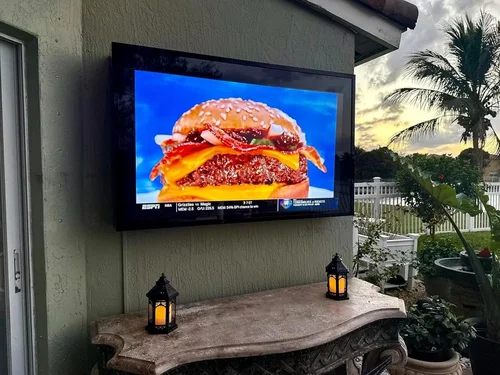
Expert Tips for Getting the Best Deal
1. Buy During Off-Season: Outdoor TVs are in highest demand during spring and summer. Shop in late fall or winter (October–February) when retailers offer discounts to clear inventory. You can often save 15–25% during these periods.
2. Compare Specialized Retailers: While big-box stores carry some outdoor models, specialized dealers like Outdoor TV Direct, Seura, or SunBriteTV often have better selection, expert advice, and bundled deals (e.g., free mounting or extended warranties).
3. Look for Bundled Packages: Many manufacturers offer TV + mount + soundbar bundles at a discounted rate. These can save you $200–$500 compared to buying components separately.
4. Check for Manufacturer Rebates: Brands occasionally run rebate programs, especially during holidays or product launches. Sign up for newsletters to stay informed.
5. Consider Refurbished or Open-Box Models: Certified refurbished TVs from reputable sellers often come with full warranties and can cost 20–30% less than new units. Ensure they’re tested and include weatherproofing seals.
6. Read Real User Reviews: Look beyond star ratings. Search for reviews from users in similar climates or deck setups. Pay attention to comments about brightness, durability, and customer service.
7. Test Before Committing: If possible, visit a showroom or request a demo. View the TV in bright conditions to assess glare and color accuracy. Some retailers offer in-home trials.
8. Negotiate Installation: Some dealers include free or discounted installation with purchase. Don’t hesitate to ask—especially for higher-end models.

Frequently Asked Questions
Q: Can I use a regular TV outdoors with a cover?
A: Technically yes, but it’s not recommended for long-term or exposed use. Indoor TVs lack proper sealing, thermal management, and brightness for outdoor conditions. Covers can trap moisture and create condensation, leading to mold or electrical failure. For occasional use under cover, it may work—but for reliable performance, invest in a true weatherproof model.
Q: How do I protect my outdoor TV from theft?
A: Use security mounts with locking mechanisms, install motion-sensor lighting, and consider GPS tracking devices. Some mounts allow you to remove the TV quickly for storage. Avoid placing the TV in highly visible or accessible locations.
Q: Will an outdoor TV work in winter?
A: Yes, if it’s rated for low temperatures. Most quality outdoor TVs operate down to -22°F (-30°C). However, avoid turning the TV on immediately after extreme cold—let it acclimate for 30–60 minutes to prevent thermal shock.
Q: Do outdoor TVs consume more power?
A: High-brightness models do use more energy, especially at maximum luminance. Look for Energy Star-certified models or those with automatic brightness adjustment to reduce consumption. Most outdoor TVs still use less power than a central air conditioner.
Q: Can I mount an outdoor TV on a ceiling?
A: Yes, with a ceiling mount designed for outdoor use. Ensure the structure can support the weight and that cables are properly routed. Tilt mounts help optimize the viewing angle.
Q: How often do outdoor TVs need maintenance?
A: Minimal—most require only occasional cleaning with a microfiber cloth and mild cleaner. Check seals and ports annually for wear. Avoid abrasive cleaners or pressure washers.
Q: Are outdoor TVs compatible with streaming devices?
A: Yes, most have HDMI and USB ports for devices like Roku, Apple TV, or Fire Stick. However, built-in smart platforms are often more reliable and reduce cable clutter.
Q: What’s the lifespan of an outdoor TV?
A: With proper care, a quality outdoor TV can last 7–10 years or more. Factors like climate, usage, and build quality play a major role. Regular maintenance and avoiding extreme conditions can extend longevity.
Q: Can I use an outdoor TV indoors?
A: Yes, but it’s overkill. Outdoor TVs are optimized for brightness and durability, which may result in higher power use and louder operation indoors. They’re best reserved for outdoor spaces.
Q: Do I need a permit to install an outdoor TV?
A: It depends on your location and installation method. Wall or ceiling mounts may require structural assessments or permits, especially in historic districts or HOA communities. Check local regulations before installing.
Our Final Recommendations
Best for Budget-Conscious Buyers: SunBriteTV Veranda Series (55-inch, ~$1,800)
A reliable entry into full outdoor viewing with IP55 rating, 1,000 nits brightness, and Android TV. Ideal for covered decks and mild climates.
Best Overall Value: Seura Outdoor 4K Ultra Bright (65-inch, ~$3,200)
Exceptional brightness (2,000 nits), sleek design, and robust weatherproofing. Perfect balance of performance, durability, and smart features.
Best Premium Option: Peerless-AV Xtreme™ High Brightness Outdoor Display (75-inch, ~$5,500)
Commercial-grade build, 2,500 nits, and 24/7 operation capability. Ideal for large decks, coastal homes, or luxury installations.
Best for Beginners: Samsung The Terrace (55-inch, ~$2,500)
User-friendly smart platform, excellent picture quality, and strong brand support. Great for those new to outdoor TVs who want a trusted name.
Best for Advanced Users: SunBriteTV Pro Series 2 (86-inch, ~$7,000)
Ultra-high brightness, modular design, and customizable mounting. Built for tech-savvy users who demand top-tier performance and flexibility.
Conclusion: Making the Right Choice
Choosing the right weatherproof TV for your deck is about more than just picture quality—it’s about investing in a product that can withstand the elements, deliver consistent performance, and enhance your outdoor lifestyle for years to come. From understanding IP ratings and brightness requirements to avoiding common pitfalls and selecting the right budget tier, every decision you make contributes to a successful installation. Remember, the cheapest option isn’t always the best value, and cutting corners on durability or features can lead to frustration and costly replacements.
Prioritize your specific needs: consider your climate, deck layout, viewing habits, and long-term goals. Whether you’re hosting game nights, enjoying quiet evenings, or creating a resort-like atmosphere, the right TV will transform your outdoor space into a true entertainment destination. Use the insights in this guide to compare models confidently, ask the right questions, and make a purchase that delivers both immediate satisfaction and lasting reliability.
Don’t rush the process—take time to research, compare, and consult with experts if needed. And when you’re ready to buy, look for deals, bundle options, and reputable retailers who stand behind their products. Your deck deserves a TV that’s built to last, perform, and impress. With the right choice, every sunset, sports event, or movie night will be brighter, clearer, and more enjoyable—rain or shine.

