
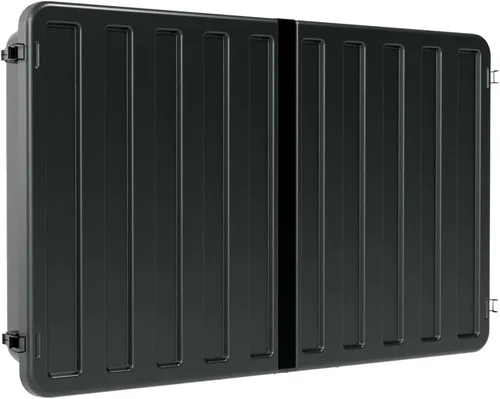
When it comes to transforming your backyard oasis into a true entertainment destination, few upgrades deliver the same wow factor as a poolside TV. Whether you’re hosting summer barbecues, lounging with a book under the sun, or enjoying a quiet evening swim under the stars, having a high-quality television mounted near your pool can elevate your outdoor experience in ways you never imagined. But here’s the catch: not all TVs are built to withstand the unique challenges of humid, wet, and sun-exposed environments. That’s why choosing the right poolside TV isn’t just about screen size or resolution—it’s about durability, performance in extreme conditions, and long-term reliability.
This comprehensive buying guide is designed to help you navigate the often-overlooked complexities of selecting a television for humid, outdoor pool areas. We’ll walk you through everything from weather resistance and build quality to smart features and installation considerations. By the end of this guide, you’ll have a clear understanding of what makes a TV truly suitable for poolside use, how to avoid common pitfalls, and which models offer the best value for your investment. Whether you’re a first-time buyer or upgrading from an older model, this guide will equip you with expert-level knowledge to make a confident, informed decision.
The market for outdoor and semi-outdoor TVs has grown significantly in recent years, driven by increased demand for outdoor living spaces and smart home integration. However, many consumers mistakenly assume that any weather-resistant TV will do—or worse, try to use standard indoor TVs with protective covers, which can lead to overheating, corrosion, and premature failure. True poolside TVs are engineered with specialized components, sealed enclosures, and advanced cooling systems to handle moisture, humidity, temperature swings, and even direct sunlight. In this guide, we’ll cut through the marketing noise and focus on real-world performance, helping you find a TV that not only looks great by the pool but also lasts for years to come.

What to Look for When Buying Buying Guide
1. Weather Resistance & IP Rating
One of the most critical factors when selecting a poolside TV is its ability to resist moisture, humidity, and temperature fluctuations. Look for TVs with a high Ingress Protection (IP) rating—specifically IP55 or higher. An IP55 rating means the TV is protected against dust and low-pressure water jets from any direction, making it ideal for poolside environments where splashes and humidity are constant threats. Some premium models even offer IP65 or IP66 ratings, providing full dust protection and resistance to powerful water jets, which is especially useful if you plan to install the TV in a fully exposed area.
Beyond the IP rating, check whether the TV is specifically designed for outdoor or semi-outdoor use. These models typically feature sealed ports, corrosion-resistant screws, and moisture-resistant circuit boards. Avoid using indoor TVs with aftermarket covers unless explicitly recommended by the manufacturer, as improper ventilation can cause overheating and internal damage over time.
2. Screen Brightness & Anti-Glare Technology
Outdoor visibility is a major challenge, especially during daylight hours. A standard indoor TV with 300–400 nits of brightness will appear washed out in direct sunlight. For poolside use, you need a TV with at least 700 nits, but ideally 1000 nits or more. High-brightness displays ensure that images remain clear and vibrant even under bright sun or reflective pool water.
Equally important is anti-glare or anti-reflective coating. Look for TVs with matte finishes or specialized optical filters that reduce screen reflections. Some advanced models use quantum dot or OLED technology with enhanced luminance and color accuracy, further improving visibility. If your TV will be installed under a covered patio or pergola, you may get away with slightly lower brightness, but for fully exposed areas, maximum luminance is non-negotiable.
3. Build Quality & Durability
Poolside TVs must endure more than just moisture—they’re also exposed to UV rays, salt air (in coastal areas), temperature extremes, and physical wear. The build quality of the chassis, bezel, and mounting hardware is paramount. Opt for TVs with powder-coated aluminum or stainless-steel frames, which resist rust and corrosion far better than plastic or standard metal finishes.
Internal components should also be ruggedized. Look for conformal coating on circuit boards, which protects against moisture and dust ingress. Additionally, check for reinforced HDMI and USB ports with rubber gaskets or flip-up covers. These small details can make a huge difference in longevity. Avoid TVs with flimsy stands or poorly sealed back panels—these are red flags for poor durability.
4. Cooling & Ventilation System
Heat buildup is a silent killer of electronics, especially in enclosed outdoor cabinets or under direct sun. Unlike indoor TVs, which rely on passive airflow, poolside TVs often require active cooling systems. Many outdoor models include built-in fans or heat sinks that maintain optimal internal temperatures without compromising weather resistance.
Some manufacturers use sealed convection cooling, where heat is dissipated through the rear casing without exposing internal components to the elements. This design prevents dust and moisture from entering while ensuring consistent performance. Always verify that the TV has adequate ventilation—even if it’s weatherproof, trapped heat can shorten its lifespan. Avoid placing the TV in a fully enclosed cabinet unless it’s specifically rated for such installations.
5. Smart Features & Connectivity
Modern poolside TVs aren’t just about durability—they’re also expected to deliver a seamless smart experience. Look for models running established platforms like Android TV, webOS, or Roku, which offer access to streaming services, voice control, and app ecosystems. Built-in Wi-Fi (preferably dual-band 2.4GHz and 5GHz) ensures reliable connectivity, even at a distance from your router.
HDMI ports are essential for connecting gaming consoles, soundbars, or streaming devices. Aim for at least two HDMI 2.0 or 2.1 ports with HDCP 2.2 support for 4K content. USB ports allow for media playback or firmware updates. Some premium models include Bluetooth for wireless audio streaming to outdoor speakers. If you plan to use the TV with a home automation system, check for compatibility with Alexa, Google Assistant, or Apple HomeKit.
6. Size & Viewing Distance
Choosing the right screen size depends on your viewing distance and seating arrangement. For most poolside setups, a 55-inch to 65-inch TV strikes the perfect balance between visibility and space efficiency. If you’re viewing from 8–10 feet away, a 55-inch screen provides an immersive experience without overwhelming the area. For larger decks or outdoor living rooms, consider 70-inch or 75-inch models.
Keep in mind that larger screens may require more robust mounting solutions and could be affected by wind if installed on a freestanding pole. Also, ensure the TV’s aspect ratio and resolution (preferably 4K UHD) match your content sources. A 4K TV with HDR support will deliver stunning visuals, especially for nature documentaries, sports, or movies with vibrant outdoor scenes.
7. Installation & Mounting Options
Proper installation is just as important as the TV itself. Most poolside TVs are designed for wall mounting, but you’ll need a weatherproof outdoor mount rated for your TV’s weight and size. Look for mounts with tilt and swivel capabilities to adjust the viewing angle based on the sun’s position.
If you’re installing under a roof or pergola, ensure there’s adequate clearance for ventilation and access to ports. For fully exposed areas, consider a motorized lift system that retracts the TV into a weatherproof cabinet when not in use. This protects the screen from UV damage and extends its lifespan. Always hire a certified installer familiar with outdoor electrical and mounting codes to avoid safety hazards.
8. Warranty & Support
Given the harsh environment, a strong warranty is essential. Most reputable outdoor TV manufacturers offer 2–3 years of coverage, with some extending to 5 years for commercial-grade models. Check what’s included—does the warranty cover moisture damage, screen burn-in, or fan failure? Avoid brands with limited service networks or vague terms.
Customer support responsiveness is another key factor. Look for companies with dedicated outdoor product support teams, online troubleshooting guides, and local repair options. Reading user reviews about post-purchase service can reveal a lot about a brand’s reliability. A good warranty isn’t just a safety net—it’s a sign of confidence in the product’s durability.
Different Types of Buying Guide

Common Buying Mistakes to Avoid
❌ Mistake: Using an Indoor TV with a Weatherproof Cover
Why it’s bad: Most indoor TVs aren’t designed to dissipate heat in enclosed spaces. Even with a cover, trapped heat can cause internal components to fail prematurely. Additionally, condensation can form inside the cover, leading to corrosion and electrical shorts.
What to do instead: Invest in a TV specifically engineered for outdoor use or use a certified outdoor enclosure with active ventilation. If you must use an indoor TV, ensure the enclosure has built-in fans and is rated for continuous outdoor operation.
❌ Mistake: Ignoring the IP Rating
Why it’s bad: A low or unspecified IP rating means the TV isn’t protected against moisture or dust. In a poolside environment, this can lead to water ingress, especially during rain or heavy splashing.
What to do instead: Always verify the IP rating before purchasing. For poolside use, aim for IP55 or higher. Check manufacturer specifications—don’t rely on marketing claims like “weather-resistant” without certification.
❌ Mistake: Choosing a TV with Low Brightness
Why it’s bad: A dim screen will be nearly impossible to see during the day, especially under direct sunlight or near reflective pool surfaces. You’ll end up squinting or avoiding daytime use altogether.
What to do instead: Select a TV with at least 700 nits of brightness, preferably 1000+ nits. Look for models with anti-glare coatings and high contrast ratios to maintain image quality in bright conditions.
❌ Mistake: Overlooking Installation Requirements
Why it’s bad: Improper mounting can lead to instability, water pooling on the back of the TV, or restricted airflow. DIY installations without electrical knowledge can also pose fire or shock hazards.
What to do instead: Hire a professional installer experienced in outdoor AV setups. Ensure the mount is rated for outdoor use and that all cables are routed through weatherproof conduits.
❌ Mistake: Skimping on Warranty Coverage
Why it’s bad: Outdoor TVs are expensive, and repairs can be costly. A limited warranty may not cover moisture damage or fan failure, leaving you with a hefty bill.
What to do instead: Choose a brand with a comprehensive warranty (2+ years) that explicitly covers outdoor use. Register your product and keep all documentation for future claims.
❌ Mistake: Buying Based on Price Alone
Why it’s bad: The cheapest option often lacks essential features like proper cooling, high brightness, or durable materials. You may end up replacing it within a year or two.
What to do instead: Balance cost with long-term value. A mid-range outdoor TV with solid specs will outperform a budget model and save money over time.
Budget Guidelines: How Much Should You Spend?
- Entry-Level ($500 – $1,000): This range typically includes indoor TVs paired with basic outdoor enclosures. While affordable, these setups often lack active cooling, high brightness, and robust weather sealing. Best for covered patios with minimal sun exposure and short-term use.
- Mid-Range ($1,000 – $2,500): The sweet spot for most homeowners. These are true semi-outdoor TVs with IP55 ratings, 700–1000 nits brightness, and passive or active cooling. Ideal for covered pool areas and offer excellent value for the price.
- Premium ($2,500 – $4,500): Designed for fully exposed environments, these TVs feature IP65 ratings, 1000+ nits brightness, fan-assisted cooling, and premium materials. Perfect for open decks, beach houses, or high-end outdoor kitchens.
- Luxury ($4,500+): Commercial-grade displays with 24/7 operation capability, extreme durability, and advanced features like remote monitoring and modular designs. Suited for resorts, luxury homes, or permanent outdoor installations.
Expert Tips for Getting the Best Deal
- Buy During Off-Season: Prices on outdoor TVs drop significantly in fall and winter (October–February) when demand is low. Retailers often run clearance sales to make room for new models.
- Check Manufacturer Refurbished Programs: Many brands offer certified refurbished outdoor TVs at 20–30% off retail. These units are tested, come with warranties, and are nearly indistinguishable from new.
- Compare Total Cost of Ownership: Factor in energy efficiency, expected lifespan, and maintenance. A slightly more expensive TV with lower power consumption and better durability may save money long-term.
- Read Professional Reviews: Look for in-depth reviews from AV experts who test TVs in real outdoor conditions. Avoid relying solely on customer ratings, which can be biased or incomplete.
- Negotiate with Installers: Some AV installation companies offer package deals that include the TV, mount, and labor at a discounted rate. Ask about bundling options.
- Verify Return Policies: Ensure the retailer allows returns within 30 days, especially if you’re unsure about fit or performance. Outdoor TVs are difficult to resell, so flexible returns are crucial.
- Consider Future-Proofing: Choose a TV with HDMI 2.1, eARC, and Wi-Fi 6 support if you plan to upgrade your audio system or gaming setup in the next few years.
Frequently Asked Questions
Q: Can I use a regular TV by the pool if it’s under a roof?
A: It’s not recommended. Even under cover, humidity, splashes, and temperature swings can damage internal components over time. A semi-outdoor TV with IP55 rating is a safer, longer-lasting choice.
Q: How do I protect my poolside TV from rain?
A: Choose a TV with an IP65 or higher rating and install it under a roof or awning. Use a weatherproof mount and ensure all cables are sealed with conduit. Avoid direct exposure to downpours.
Q: Will a poolside TV work in winter?
A: Most outdoor TVs are rated for temperatures between -22°F and 122°F (-30°C to 50°C). However, extreme cold can affect screen responsiveness. Store the TV indoors or in a heated enclosure during harsh winters if possible.
Q: Do I need a special mount for an outdoor TV?
A: Yes. Standard indoor mounts aren’t designed to withstand wind, moisture, or corrosion. Use a mount specifically rated for outdoor use, preferably with stainless-steel hardware and weatherproof coatings.
Q: Can I connect a soundbar to a poolside TV?
A: Absolutely. Most outdoor TVs include HDMI ARC or optical audio outputs. For best results, choose a weather-resistant soundbar or place a standard one under cover near the TV.
Q: How long do outdoor TVs typically last?
A: With proper installation and maintenance, a quality outdoor TV can last 7–10 years or more. Cheaper models or improper setups may fail within 2–3 years.
Q: Are outdoor TVs energy-efficient?
A: Many modern outdoor TVs use LED backlighting and low-power processors, making them comparable to indoor models in energy use. Look for ENERGY STAR certification for maximum efficiency.
Q: Can I control my poolside TV with my phone?
A: Yes, if the TV supports smart platforms like Android TV or Roku. You can use official apps to change channels, adjust volume, or stream content directly from your smartphone.
Our Final Recommendations
- Best for Budget-Conscious Buyers: SunBriteTV Veranda Series (55-inch) – Offers IP55 rating, 700 nits brightness, and solid smart features at a competitive price. Ideal for covered patios.
- Best Overall Value: Seura Outdoor 4K Smart TV (65-inch) – Combines IP65 protection, 1000 nits brightness, and excellent color accuracy. Great for semi-exposed areas.
- Best Premium Option: Peerless-AV Xtreme Outdoor TV (75-inch) – Built for extreme conditions with IP66 rating, fan cooling, and commercial-grade durability. Perfect for open decks.
- Best for Beginners: LG Outdoor Smart TV (55-inch) – User-friendly webOS interface, easy setup, and reliable performance. Great for first-time outdoor TV owners.
- Best for Advanced Users: Sony X95L Outdoor Edition (65-inch) – Features Sony’s XR processor, Dolby Vision, and superior HDR performance. Ideal for cinephiles who want theater-quality visuals by the pool.
Conclusion: Making the Right Choice
Choosing the right poolside TV is about more than just entertainment—it’s an investment in your outdoor lifestyle. From weather resistance and screen brightness to smart features and installation, every detail matters when you’re dealing with the unique challenges of a humid, sun-drenched environment. By prioritizing durability, visibility, and long-term reliability, you can enjoy crystal-clear movies, live sports, and streaming content by the pool for years to come.
Remember, the cheapest option isn’t always the best, and cutting corners on build quality or installation can lead to costly repairs or replacements down the line. Take the time to assess your specific needs: How exposed is your installation area? What’s your typical viewing distance? Do you need advanced smart features or just basic streaming? Answering these questions will guide you toward the perfect TV for your space.
We encourage you to use this guide as a roadmap, not a rigid checklist. Every backyard is different, and the ideal poolside TV will vary based on climate, usage, and personal preference. But with the knowledge you’ve gained here, you’re now equipped to make a confident, informed decision that balances performance, protection, and value.
So go ahead—transform your pool area into the ultimate outdoor entertainment hub. With the right TV, every sunset swim can be accompanied by your favorite show, and every gathering can become a memorable event. Your perfect poolside experience starts with the right screen. Make it count.

