
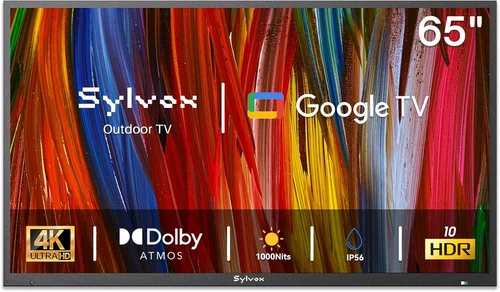
Transforming your backyard into a luxurious outdoor oasis isn’t just about pristine water, comfortable loungers, or ambient lighting—it’s also about entertainment. A poolside TV brings the comfort of indoor viewing to your open-air sanctuary, letting you catch the big game, stream a movie, or follow your favorite cooking show while soaking up the sun. But not all outdoor TVs are created equal, especially when it comes to large patios where visibility, durability, and performance under harsh conditions become critical.
This comprehensive buying guide is designed to help you navigate the growing market of poolside televisions with confidence. Whether you’re upgrading an existing setup or installing your first outdoor display, we’ll walk you through every essential consideration—from screen size and weather resistance to smart features and installation logistics. By the end of this guide, you’ll know exactly what to look for, which models deliver the best value, and how to avoid common pitfalls that could leave you with a foggy screen or a fried circuit board after just one summer storm.
The outdoor TV market has evolved rapidly in recent years. What was once a niche category dominated by bulky, expensive enclosures now includes sleek, purpose-built models from reputable brands like Samsung, LG, SunBriteTV, and Seura. These aren’t just regular TVs shoved into weatherproof boxes—they’re engineered from the ground up for outdoor use, with enhanced brightness, anti-glare coatings, corrosion-resistant materials, and thermal management systems. With options ranging from budget-friendly 43-inch displays to premium 85-inch behemoths capable of illuminating a full-sized patio, there’s never been a better time to invest in a poolside TV. Let’s dive in.

What to Look for When Buying Buying Guide
1. Brightness & Visibility in Sunlight
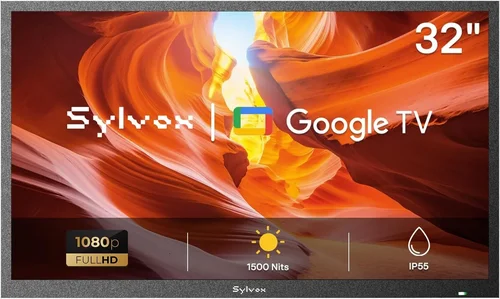
One of the most critical factors for any outdoor TV is brightness—measured in nits. Indoor TVs typically range from 300 to 600 nits, but that’s nowhere near enough for direct sunlight or even bright daylight on a large patio. For poolside use, you’ll want a minimum of 700 nits, but ideally 1,000 nits or higher. At this level, the screen remains visible even when the sun hits it directly, which is common on south- or west-facing patios.
Look for TVs with high peak brightness and anti-reflective coatings. Some models go further with optical bonding—a process that fuses the glass directly to the LCD panel, reducing internal reflections and improving clarity. This is especially important if your seating area is at an angle to the screen. Also consider the viewing angle: IPS panels offer wider angles than VA panels, so multiple people can enjoy a clear picture from different spots around the pool.
2. Weather Resistance & IP Rating
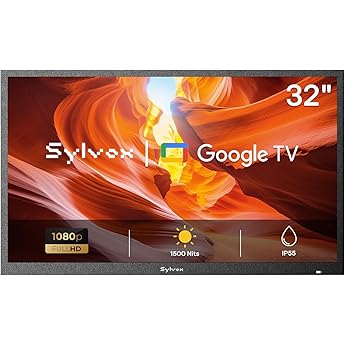
Outdoor electronics must withstand rain, humidity, dust, and temperature swings—sometimes all in one day. That’s why ingress protection (IP) ratings matter. Look for a minimum IP55 rating, which means the TV is protected against water jets and limited dust ingress. For coastal areas or regions with heavy rainfall, IP65 or higher is strongly recommended.
But IP ratings only tell part of the story. True outdoor TVs also use sealed cooling systems (fanless designs are common), marine-grade aluminum frames, and conformal-coated circuit boards to prevent corrosion. Avoid “outdoor-rated” enclosures that house standard indoor TVs—these often lack proper ventilation or thermal regulation, leading to overheating in summer or freezing in winter.
Also consider operating temperature ranges. Most quality outdoor TVs function reliably between -22°F and 122°F (-30°C to 50°C). If you live in an extreme climate, verify this spec before buying.
3. Screen Size & Viewing Distance
On a large patio, screen size isn’t just about bragging rights—it’s about ensuring everyone can see clearly from their preferred spot. A good rule of thumb: for every foot of viewing distance, you need about 1 inch of screen diagonal. So if your farthest seat is 12 feet away, a 65-inch TV is ideal. For 15+ feet, consider 75 inches or larger.
However, don’t go oversized just because you can. A TV that’s too large for its space can overwhelm the area and cause eye strain. Measure your mounting wall or stand location, account for furniture placement, and simulate the experience using painter’s tape to outline the screen dimensions on your wall.
Also factor in ambient light. Larger screens with high brightness consume more power and generate more heat—ensure your mounting solution allows for adequate airflow.
4. Smart Features & Connectivity
Modern outdoor TVs aren’t just dumb displays—they come packed with smart platforms like Android TV, webOS, or Roku. These let you stream Netflix, YouTube, or Disney+ directly without needing a separate box. For poolside use, voice control via Google Assistant or Alexa is a huge plus, especially when your hands are wet or you’re lounging in the water.
Check the available ports: HDMI 2.1 is ideal for future-proofing, but at minimum you’ll want two HDMI inputs, USB for media playback, and possibly Ethernet for stable streaming (Wi-Fi can be unreliable outdoors). Some premium models include built-in Bluetooth for wireless audio to outdoor speakers.
5. Build Quality & Durability
An outdoor TV is a long-term investment. Cheap models may save you upfront but fail within a season due to warped casings, cracked screens, or fried motherboards. Look for solid construction: powder-coated aluminum frames, tempered glass (not plastic), and robust mounting hardware.
Pay attention to the warranty—most reputable outdoor TV brands offer 2–3 years of coverage, sometimes extendable. Avoid brands that treat outdoor models as “consumer electronics” with only 1-year warranties. Also check if the company provides local service or requires you to ship the unit back for repairs.
User reviews often reveal hidden durability issues. Search for terms like “rust,” “fogging,” or “overheating” in customer feedback—these are red flags.
6. Installation & Mounting Options
Even the best TV is useless if it’s poorly mounted. On a large patio, you’ll likely need a full-motion or tiltable wall mount to adjust the angle based on sun position or seating layout. Ensure the mount is rated for outdoor use and compatible with your TV’s VESA pattern.
Consider cable management: running wires through conduit or using in-wall solutions keeps things tidy and protects against moisture. If mounting on a post or freestanding structure, verify weight limits and wind resistance—especially in hurricane-prone areas.
Some homeowners opt for ceiling mounts under covered patios, while others prefer articulating arms that swing out over the pool. Whatever your setup, professional installation is highly recommended to ensure safety and optimal performance.
7. Audio Performance
Most outdoor TVs have underwhelming built-in speakers—fine for casual listening but inadequate for a lively pool party. If you’re not planning to add external speakers, look for models with at least 20W of total output and support for Dolby Audio or DTS.
That said, we strongly recommend pairing your TV with a weather-resistant sound system. Options include rock speakers, in-ground subwoofers, or wireless outdoor soundbars. Many modern TVs support multi-room audio sync, so you can play music throughout your backyard seamlessly.
8. Brand Reputation & Ecosystem Integration
Stick with brands known for outdoor expertise. SunBriteTV pioneered the category and remains a top choice for commercial and residential installations. Seura specializes in outdoor TVs with integrated soundbars. Samsung and LG now offer “The Terrace” and “OLED Flex” lines designed for outdoor use, though they’re pricier.
If you already own smart home devices (e.g., Ring cameras, Nest thermostats), choosing a TV that integrates with your ecosystem simplifies control. Samsung TVs work well with SmartThings, while LG’s webOS plays nicely with Google Home.
Avoid unknown brands selling “outdoor TVs” on Amazon with vague specs—these are often rebranded indoor models with minimal weatherproofing.
Different Types of Buying Guide
Common Buying Mistakes to Avoid
❌ Mistake: Buying a Regular Indoor TV for Outdoor Use
Why it’s bad: Indoor TVs aren’t designed to handle moisture, temperature extremes, or direct sunlight. Even under cover, condensation can build up inside the panel, causing permanent damage. The backlight will dim quickly in bright conditions, making the screen unreadable.
What to do instead: Invest in a purpose-built outdoor TV or use a certified weatherproof enclosure designed for your specific TV model. Never assume “it’ll be fine under the eaves.”
❌ Mistake: Ignoring Viewing Angles and Sun Position
Why it’s bad: Mounting your TV on a wall that faces west means afternoon sun will create blinding glare, ruining the viewing experience for evening gatherings.
What to do instead: Observe your patio’s sun path throughout the day. Ideally, mount the TV on a north- or east-facing wall, or use an adjustable mount to tilt the screen away from direct light. Consider adding a retractable awning for extra shade.
❌ Mistake: Overlooking Audio Needs
Why it’s bad: Pool environments are noisy—splashing water, wind, and distant traffic can drown out built-in TV speakers, forcing you to max out the volume (which distorts sound and drains battery on portable units).
What to do instead: Plan for a dedicated outdoor audio system from day one. Wireless options like Bose SoundLink or Sonos Move offer great flexibility and weather resistance.
❌ Mistake: Skimping on Professional Installation
Why it’s bad: Improper mounting can lead to sagging, water ingress through drill holes, or even the TV falling—posing serious safety risks, especially near water.
What to do instead: Hire a certified installer experienced with outdoor AV setups. They’ll ensure proper grounding, conduit routing, and structural integrity.
❌ Mistake: Choosing Based Solely on Price
Why it’s bad: The cheapest “outdoor” TVs often cut corners on critical components like thermal sensors or sealing gaskets, leading to premature failure.
What to do instead: Prioritize value over cost. A mid-range SunBriteTV may cost more upfront but last 5–7 years, while a $600 knockoff might die after one season.
❌ Mistake: Forgetting About Future-Proofing
Why it’s bad: Buying a 43-inch TV for a 20-foot patio might seem fine now, but as your family grows or you host larger parties, you’ll regret not going bigger.
What to do instead: Think long-term. Choose a screen size and feature set that accommodates your needs 3–5 years from now. HDMI 2.1 and Wi-Fi 6 support ensure compatibility with next-gen devices.
Budget Guidelines: How Much Should You Spend?
– Entry-Level ($800 – $1,500): This tier includes basic weatherproof enclosures with mid-range indoor TVs (e.g., TCL 5-Series in a Peerless enclosure) or compact portable outdoor TVs. Expect 600–700 nits brightness, limited smart features, and shorter warranties. Best for covered patios in mild climates.
– Mid-Range ($1,500 – $3,500): The sweet spot for most homeowners. Models like the SunBriteTV Veranda Series or Seura Outdoor TV offer 1,000+ nits, full smart platforms, and robust build quality. Ideal for large patios with partial sun exposure.
– Premium ($3,500 – $6,000): For enthusiasts who demand top performance. Think Samsung The Terrace or LG OLED Flex Outdoor. These deliver exceptional brightness (1,500+ nits), ultra-slim designs, and advanced cooling. Perfect for full-sun areas and luxury setups.
– Luxury ($6,000+): Commercial-grade or custom solutions. Includes 85-inch+ displays, integrated sound systems, and smart home automation. Reserved for estates, resorts, or tech-forward homeowners who want seamless integration and zero compromises.
Expert Tips for Getting the Best Deal
– Shop during off-seasons: Prices drop significantly in late fall and winter (October–February) when demand for outdoor gear slows. Many retailers clear inventory before spring.
– Compare total cost of ownership: A cheaper TV may require a separate enclosure, mounting kit, and extended warranty—adding hundreds to the final price. Calculate the full package.
– Check manufacturer rebates: Brands like SunBriteTV and Seura often run seasonal promotions or offer trade-in discounts for old TVs.
– Buy from authorized dealers: This ensures full warranty coverage and access to genuine parts. Avoid third-party sellers on marketplaces unless verified.
– Negotiate installation bundles: Some AV integrators offer discounts when you purchase both the TV and installation together.
– Test before you commit: If possible, visit a showroom to see the TV in bright lighting. Bring a flashlight to simulate sunlight glare.
– Read the fine print on warranties: Some cover only parts, not labor. Others exclude damage from “acts of nature” like hail or flooding.
– Consider refurbished models: Certified pre-owned outdoor TVs from reputable sellers can save 20–30% with full warranty coverage.

Frequently Asked Questions
Q: Can I use my regular TV outside if it’s under a roof?
A: Technically yes, but it’s not recommended. Even covered areas experience humidity spikes, temperature swings, and dust accumulation that can damage internal components over time. For reliable, long-term use, choose a purpose-built outdoor model.
Q: How do I protect my outdoor TV from theft?
A: Use tamper-resistant mounting hardware, install motion-sensor lighting, and consider a security cable lock. Some high-end models include GPS tracking or remote disable features.
Q: Will an outdoor TV work in winter?
A: Yes—if it’s rated for cold climates. Most quality outdoor TVs operate down to -22°F. However, avoid turning it on immediately after a freeze; let it acclimate to room temperature first to prevent condensation.
Q: Do I need a special antenna for outdoor TV?
A: Not necessarily. If you’re streaming via Wi-Fi or using a cable/satellite box, no antenna is needed. For over-the-air broadcasts, a weather-resistant outdoor antenna mounted away from the TV reduces interference.
Q: Can I paint or modify the TV frame?
A: Absolutely not. Painting or drilling into the casing compromises the weatherproof seals and voids the warranty. Use decorative skirts or mounts instead.
Q: How often should I clean my outdoor TV?
A: Wipe the screen and frame monthly with a microfiber cloth and mild soap solution. Avoid abrasive cleaners or pressure washers, which can damage coatings.
Q: Are outdoor TVs energy efficient?
A: Modern LED-backlit models are quite efficient, especially compared to older plasma or CCFL designs. Look for ENERGY STAR certification—many outdoor TVs qualify.
Q: What’s the lifespan of an outdoor TV?
A: With proper care, 5–7 years is typical. High-end models with better thermal management may last longer. Avoid leaving the TV on 24/7, as constant operation accelerates wear.
Q: Can I connect gaming consoles to an outdoor TV?
A: Yes, as long as the TV has HDMI 2.0 or higher and low input lag (<30ms). Check specs for “Game Mode” support. Keep in mind, direct sunlight may affect controller battery life.
Q: Do outdoor TVs come with stands?
A: Most are designed for wall mounting and don’t include stands. Freestanding options exist but are less common due to stability concerns in windy conditions.
Our Final Recommendations
– Best for Budget-Conscious Buyers: SunBriteTV Veranda Series (55″) – At around $1,800, it delivers 1,000 nits brightness, Android TV, and solid build quality without breaking the bank. Ideal for covered patios.
– Best Overall Value: Seura Outdoor TV with Integrated Soundbar (65″) – Combines stunning 4K clarity, 1,200 nits brightness, and built-in weatherproof speakers. Priced at ~$3,200, it’s a complete entertainment solution.
– Best Premium Option: Samsung The Terrace (75″) – With 2,000 nits peak brightness, anti-reflective coating, and seamless SmartThings integration, this is the ultimate poolside experience (~$5,500).
– Best for Beginners: Peerless-AV Outdoor Enclosure + TCL 6-Series – A flexible, upgrade-friendly setup under $1,500. Great for testing the waters before investing in a dedicated unit.
– Best for Advanced Users: LG OLED Flex Outdoor (83″) – Cutting-edge OLED technology with perfect blacks, infinite contrast, and extreme brightness. For those who want the absolute best picture quality, regardless of cost (~$8,000).
Conclusion: Making the Right Choice
Choosing the right poolside TV for your large patio is about balancing performance, durability, and budget—all while keeping your unique environment in mind. Remember: this isn’t just another gadget; it’s the centerpiece of your outdoor living space, meant to enhance relaxation, entertainment, and connection with family and friends.
Start by assessing your patio’s lighting conditions, seating layout, and climate. Then prioritize brightness, weather resistance, and smart features that align with your lifestyle. Don’t rush the decision—take time to compare models, read real user reviews, and consult with professionals if needed.
Ultimately, the best poolside TV is the one that disappears into the background when it’s on, delivering crisp, vibrant images without demanding constant attention or maintenance. With the insights from this guide, you’re now equipped to make a confident, informed purchase that will bring joy to your backyard for years to come.
So go ahead—press play on summer. Your perfect poolside setup awaits.

