
Watching your favorite sports outdoors transforms a simple game into a full-blown event. Whether it’s the Super Bowl under the stars, a World Cup final with friends, or a Sunday NFL showdown in your backyard, having the right TV makes all the difference. But not every television is built to handle the unique challenges of outdoor environments—bright sunlight, temperature swings, humidity, and dust can quickly ruin an indoor TV. That’s why choosing the right outdoor TV isn’t just about picture quality; it’s about durability, visibility, and long-term reliability.
This comprehensive buying guide is designed for anyone serious about upgrading their outdoor entertainment setup in 2026. Whether you’re building a covered patio, installing a weatherproof TV in a gazebo, or simply want a reliable screen for weekend barbecues, we’ll walk you through everything you need to know. You’ll learn how to evaluate key specs like brightness and contrast, understand the differences between outdoor-rated and indoor TVs, avoid common pitfalls, and find the best value for your budget. By the end, you’ll have the confidence to pick a TV that delivers stunning visuals rain or shine—and lasts for years.
The market for outdoor TVs has evolved dramatically over the past few years. Once dominated by bulky, expensive specialty models, today’s options include sleek smart TVs with weatherproof enclosures, ultra-bright displays designed for direct sunlight, and even portable units perfect for tailgating. Brands like Samsung, LG, Sony, and specialized players like SunBriteTV and Seura now offer a range of solutions tailored to different climates and use cases. With prices ranging from under $500 to well over $5,000, there’s never been a better time to invest—but only if you know what to look for.

What to Look for When Buying Buying Guide
1. Brightness & Visibility in Sunlight
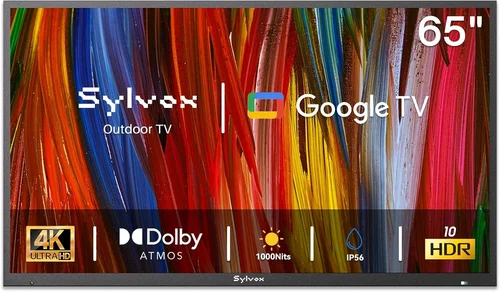
Outdoor viewing demands significantly higher brightness than indoor TVs. While a typical living room TV might output 300–500 nits, outdoor models start at 700 nits and can exceed 2,500 nits for full-sun exposure. Measured in candelas per square meter (nits), brightness determines how well you’ll see the screen on a sunny afternoon. Look for TVs specifically rated for “direct sunlight” or “partial shade” use—these are engineered with anti-glare coatings, high-luminance backlights, and optical bonding to reduce reflections.
For patios with partial shade (like under a pergola or awning), 1,000–1,500 nits is usually sufficient. But if your space gets direct sun for more than a couple of hours a day, aim for 2,000+ nits. Also consider viewing angle: some outdoor TVs use IPS panels that maintain color accuracy even when viewed from the side—ideal for group gatherings.
2. Weather Resistance & IP Rating
Outdoor TVs must withstand rain, snow, dust, and temperature extremes. The Ingress Protection (IP) rating tells you exactly how well a TV resists these elements. Look for an IP55 or higher rating—this means the TV is protected against low-pressure water jets from any direction and limited dust ingress. For coastal areas or heavy rain regions, IP65 or IP66 is preferable.
However, IP ratings only apply to the TV itself if it’s housed in a certified outdoor enclosure. Many “outdoor-ready” TVs are actually standard indoor models sold with a separate weatherproof casing. Always verify whether the rating covers the entire system or just the display panel. Additionally, check operating temperature ranges: most outdoor TVs function between -22°F and 122°F (-30°C to 50°C), but cheaper models may fail in extreme cold or heat.
3. Display Technology: OLED vs. QLED vs. LED
The choice of panel technology impacts both image quality and outdoor performance. Traditional LED-LCD TVs dominate the outdoor market due to their high brightness and affordability. QLED (Quantum Dot LED) offers richer colors and better contrast, making it a strong mid-tier option. OLED, while delivering perfect blacks and infinite contrast, struggles in bright environments because of its lower peak brightness—typically maxing out around 800–1,000 nits—and is rarely used in true outdoor models.
For sports watching, motion handling is critical. Look for TVs with a native refresh rate of 120Hz or higher, and support for motion interpolation technologies like AMD FreeSync or NVIDIA G-Sync if you plan to game outdoors. VA panels offer deeper blacks and better contrast than IPS but narrower viewing angles—so choose based on your seating layout.
4. Smart Features & Connectivity
Even outdoors, you’ll want access to streaming apps, voice assistants, and seamless device integration. Most modern outdoor TVs run on Android TV, webOS, or Roku platforms, giving you Netflix, YouTube, ESPN+, and more without needing an external box. Ensure the TV has Wi-Fi 6 or Ethernet for stable streaming, especially if your patio is far from your router.
HDMI ports are essential for connecting cable boxes, gaming consoles, or soundbars. Aim for at least three HDMI 2.1 ports (supporting 4K/120Hz) if you’re a serious sports fan who records games or uses multiple sources. USB ports, Bluetooth 5.0+, and ARC/eARC for audio return are also valuable. Don’t forget about mounting: VESA compatibility ensures you can attach the TV to weatherproof brackets securely.
5. Audio Quality & External Sound Options
Built-in speakers on outdoor TVs are often underpowered due to space and weatherproofing constraints. Wind, ambient noise, and distance from seating can make dialogue hard to hear—especially during loud sporting events. While some premium models include robust front-firing speakers, most users benefit from adding a weather-resistant soundbar or outdoor speaker system.
Look for TVs with optical audio out, HDMI eARC, or Bluetooth audio support to easily connect external sound. If you’re installing permanent outdoor speakers, ensure your TV can pass multi-channel audio without compression. For large patios, consider a wireless multi-room audio system that syncs with your TV for immersive, delay-free sound.
6. Size & Viewing Distance
Outdoor screens should be larger than their indoor counterparts because viewers tend to sit farther away. A good rule of thumb: divide your viewing distance (in inches) by 1.2 to 1.5 to get the ideal screen size. For example, if you’re 12 feet (144 inches) from the TV, a 65″ to 75″ screen is optimal.
However, larger isn’t always better. Oversized TVs can cause eye strain in bright conditions unless they have sufficient brightness and anti-reflective coatings. Also consider physical space: measure your mounting area, including clearance for ventilation and cable management. Most outdoor TVs require at least 2–3 inches of airflow behind the panel to prevent overheating.
7. Brand Reputation & Specialization
Not all TV brands are created equal when it comes to outdoor use. Mainstream manufacturers like Samsung and LG now offer “outdoor modes” on select indoor models, but these are not truly weatherproof. True outdoor specialists—such as SunBriteTV, Seura, and Avid Power—design their products from the ground up for exterior environments, with sealed components, corrosion-resistant materials, and rigorous testing.
That said, some hybrid solutions (like the Samsung The Terrace or LG OLED GX with outdoor enclosures) blend premium indoor performance with optional weatherproofing. Research brand warranties: reputable outdoor TV makers typically offer 2–3 years of coverage, including labor for on-site repairs—a huge advantage over standard 1-year warranties on indoor sets.
8. Warranty & Long-Term Support
Outdoor electronics face harsher conditions than indoor gear, so warranty terms matter more than ever. Check whether the warranty covers both parts and labor, and whether it includes accidental damage or power surge protection. Some brands offer extended service plans specifically for outdoor installations.
Also consider availability of replacement parts and local service centers. If you live in a rural area, shipping a 75″ TV for repair could be costly and time-consuming. Brands with strong dealer networks (like SunBriteTV’s certified installers) often provide faster support. Finally, read the fine print: many warranties void coverage if the TV is installed incorrectly or exposed to conditions beyond its rated specs.
Different Types of Buying Guide

Common Buying Mistakes to Avoid
❌ Mistake: Using a Standard Indoor TV Outdoors
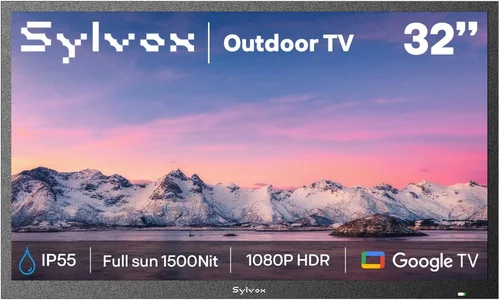
Why it’s bad: Indoor TVs lack weatherproofing, have low brightness, and aren’t designed for temperature fluctuations. Even under a covered patio, condensation, dust, and UV exposure can damage internal components within months.
What to do instead: Either invest in a certified outdoor TV or pair a high-quality indoor model with a UL-listed outdoor enclosure. Never assume “it’ll be fine under the eaves.”
❌ Mistake: Ignoring Brightness Requirements
Why it’s bad: A dim TV turns your patio into a mirror during daylight hours. You’ll strain to see scores, player names, or even the ball during critical plays.
What to do instead: Match brightness to your environment: 700–1,000 nits for full shade, 1,500+ for partial sun, and 2,000+ for direct sunlight. Test with a smartphone lux meter app if unsure.
❌ Mistake: Overlooking Audio Needs
Why it’s bad: Quiet speakers + wind + crowd noise = missed calls, commentary, and excitement. Sports lose their impact without clear audio.
What to do instead: Plan for external sound from day one. Budget for a weatherproof soundbar or wired outdoor speakers connected via optical or HDMI ARC.
❌ Mistake: Choosing the Wrong Size
Why it’s bad: A tiny TV forces guests to crowd close; an oversized one overwhelms the space and wastes money. Both ruin the viewing experience.
What to do instead: Use the viewing distance formula and measure your actual seating layout. Consider a slightly larger screen than you think you need—outdoor viewing benefits from scale.
❌ Mistake: Skimping on Mounting Hardware
Why it’s bad: Standard wall mounts aren’t rated for outdoor use. Wind, vibration, and thermal expansion can loosen screws or corrode brackets, risking a costly fall.
What to do instead: Use marine-grade stainless steel mounts with anti-corrosion coatings. Ensure they’re VESA-compatible and rated for your TV’s weight plus a safety margin.
❌ Mistake: Neglecting Power & Cable Management
Why it’s bad: Exposed cords attract pests, degrade in UV light, and create tripping hazards. Improper grounding can also cause electrical issues.
What to do instead: Run cables through conduit or use in-wall rated outdoor cable raceways. Install a GFCI outlet within 6 feet of the TV for safety.
❌ Mistake: Assuming All “Outdoor” TVs Are Equal
Why it’s bad: Marketing terms like “weather-resistant” or “outdoor-ready” are often misleading. Some are just indoor TVs with a splash guard.
What to do instead: Demand IP ratings, operating temperature specs, and third-party certifications (like UL or ETL). Read professional reviews, not just product descriptions.
Budget Guidelines: How Much Should You Spend?
- Entry-Level ($500–$1,200): Best for covered patios with minimal sun exposure. Typically involves a mid-tier indoor TV (like a TCL 6-Series) paired with a basic outdoor enclosure. Expect 500–800 nits brightness, limited smart features, and 1-year warranty. Good for occasional use but may struggle in bright conditions.
- Mid-Range ($1,200–$3,000): The sweet spot for most homeowners. Includes purpose-built outdoor TVs (e.g., SunBriteTV Veranda Series) or premium indoor models (Samsung Q70T) in high-end enclosures. Offers 1,000–1,800 nits, full smart platforms, better audio, and 2-year warranties. Ideal for partial-shade patios and regular sports viewing.
- Premium ($3,000–$6,000): For enthusiasts who want top-tier performance in any weather. Features include 2,000+ nits brightness, OLED or QLED panels, commercial-grade build quality, and advanced cooling systems. Models like the Seura Shadow or Samsung The Terrace fall here. Perfect for full-sun decks or luxury outdoor kitchens.
- Luxury ($6,000+): Reserved for commercial installations or ultra-high-end homes. These are often custom-built, 24/7 operational displays with redundant power supplies, remote monitoring, and lifetime service plans. Think stadium-grade reliability for your backyard.
Expert Tips for Getting the Best Deal
- Buy in Spring or Early Summer: Demand peaks in late summer for football season, so retailers discount outdoor TVs in April–June to clear inventory. Black Friday also offers deals, but selection may be limited.
- Shop Specialty Retailers: Stores like Crutchfield, Abt Electronics, or Outdoor TV Direct often bundle enclosures, mounts, and warranties at better prices than big-box stores.
- Negotiate Bundles: Ask for free installation, extended warranty, or discounted sound systems when buying high-end models. Many dealers have flexibility on add-ons.
- Check for Rebates: Some manufacturers offer $100–$300 rebates during promotional periods. Sign up for newsletters to get alerts.
- Test Before You Buy: If possible, visit a showroom to compare brightness and color accuracy under simulated outdoor lighting. Online reviews help, but nothing beats seeing it in person.
- Read Return Policies Carefully: Outdoor TVs are often non-returnable once installed. Ensure you have a 30-day trial window and understand restocking fees.
- Consider Refurbished Models: Certified refurbished outdoor TVs from reputable sellers can save 20–30% with full warranties. Just verify the IP rating hasn’t been compromised.
- Future-Proof Your Purchase: Choose a TV with HDMI 2.1, Wi-Fi 6, and upgradable software. This ensures compatibility with next-gen consoles and streaming services for years.

Frequently Asked Questions
Q: Can I use my regular TV outside if it’s under a covered patio?
A: Technically yes—but it’s risky. Even covered areas experience humidity, temperature swings, and dust. Without proper ventilation and weatherproofing, internal components can fail prematurely. For anything more than occasional, sheltered use, an outdoor-rated solution is strongly recommended.
Q: Do outdoor TVs need special power outlets?
A: Not necessarily, but they should be connected to a GFCI (ground fault circuit interrupter) outlet for safety, especially in damp locations. Avoid extension cords; hardwired or short, heavy-duty cords are best.
Q: How do I clean an outdoor TV screen?
A: Use a microfiber cloth and distilled water only. Never spray liquid directly on the screen. For stubborn grime, lightly dampen the cloth—never use ammonia, alcohol, or abrasive cleaners, which can damage anti-reflective coatings.
Q: Will an outdoor TV work in winter?
A: Yes, if it’s rated for low temperatures. Most operate down to -22°F (-30°C), but check the spec sheet. Avoid turning it on immediately after bringing it in from extreme cold—let it acclimate first to prevent condensation.
Q: Can I mount an outdoor TV on a brick or stucco wall?
A: Absolutely, but use masonry anchors and a mounting system rated for outdoor use. Consult a professional if you’re unsure—improper mounting is a leading cause of TV damage.
Q: Do outdoor TVs consume more power?
A: Generally yes, due to higher brightness and active cooling. However, modern LED models are still efficient—expect 100–300 watts depending on size and settings. Look for ENERGY STAR certification if efficiency is a concern.
Q: What’s the difference between “outdoor TV” and “weatherproof TV”?
A: “Outdoor TV” usually refers to a complete system designed for exterior use, while “weatherproof TV” may describe just the enclosure or a TV with limited protection. Always verify IP ratings and intended use case.
Q: Can I stream 4K sports outdoors without buffering?
A: Yes, with a strong Wi-Fi signal or wired Ethernet. Use a mesh Wi-Fi system or outdoor access point to extend coverage to your patio. A minimum of 25 Mbps is recommended for 4K streaming.
Q: Are outdoor TVs worth the extra cost?
A: If you watch sports or entertain outdoors regularly, absolutely. The durability, visibility, and peace of mind justify the investment. For occasional use under full cover, a protected indoor TV may suffice—but don’t expect longevity.
Our Final Recommendations
- Best for Budget-Conscious Buyers: TCL 6-Series (65″) + Peerless Outdoor Enclosure – Delivers excellent 4K HDR performance at under $1,000 total. Great for shaded patios and casual viewing.
- Best Overall Value: SunBriteTV Veranda Series (75″) – Purpose-built for outdoor use with 1,500 nits brightness, Android TV, and a 2-year warranty. Ideal for partial-sun patios and frequent sports fans.
- Best Premium Option: Samsung The Terrace (75″ Full Sun) – Boasts 2,500+ nits, QLED color, and sleek design. Perfect for full-sun decks and those who want flagship performance outdoors.
- Best for Beginners: LG OLED C2 (55″) + Seura Outdoor Enclosure – Combines stunning picture quality with reliable weatherproofing. Easy setup and familiar webOS interface.
- Best for Advanced Users: Avid Power Pro 85″ Commercial Display – Built for 24/7 operation with modular components, remote diagnostics, and extreme durability. Overkill for most homes but unmatched for serious setups.
Conclusion: Making the Right Choice
Choosing the right outdoor TV for sports watching isn’t just about picking the biggest or brightest screen—it’s about matching technology to your environment, usage habits, and long-term goals. From understanding IP ratings and brightness needs to avoiding common installation mistakes, every decision impacts your enjoyment under the open sky. Remember: a great outdoor viewing experience combines visibility, sound, durability, and smart functionality.
Prioritize your must-haves: Do you need all-day sun visibility? Will you host large gatherings? Is ease of setup a priority? Answer these honestly, and use this guide as your roadmap. Don’t rush the process—investing in the right TV now saves money, frustration, and repeated replacements down the line.
Finally, take action. Measure your space, compare models using our budget tiers, and consult with a certified installer if needed. Your perfect game-day setup is within reach. Whether it’s March Madness, the World Series, or Monday Night Football, you deserve to watch every moment with crystal clarity—rain or shine.

