
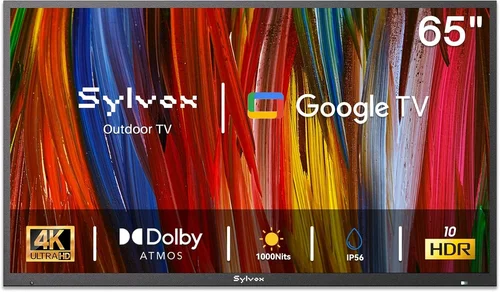
Choosing the right television for your screened porch is about more than just picture quality—it’s about finding a display that can thrive in a semi-outdoor environment. Unlike living rooms or bedrooms, screened porches expose electronics to fluctuating temperatures, humidity, dust, and even occasional moisture. A standard indoor TV might look great at first, but over time, these environmental factors can lead to premature failure, foggy screens, or degraded performance. That’s why investing in a purpose-built patio TV isn’t just a luxury—it’s a necessity for long-term enjoyment and value.
This comprehensive buying guide is designed to help you navigate the often-overlooked nuances of outdoor and patio-specific televisions. Whether you’re hosting summer barbecues, watching the big game under the stars, or enjoying a quiet evening with a movie, your TV needs to deliver reliable performance in conditions that would cripple a typical household model. In the following sections, you’ll learn exactly what makes a patio TV different, how to evaluate key features like brightness and weather resistance, and how to avoid common pitfalls that lead to buyer’s remorse. We’ll also break down real-world budget ranges, compare top categories, and share expert-backed tips to ensure you get the best possible viewing experience—without overspending.
The market for outdoor TVs has evolved significantly in recent years. What once was a niche category dominated by bulky, expensive models has now expanded to include sleek, feature-rich options from trusted brands like Samsung, Sony, LG, and specialized manufacturers such as SunBriteTV and Seura. These modern patio TVs blend durability with cutting-edge display technology, offering 4K resolution, HDR support, smart platforms, and even weatherproof designs that don’t compromise on aesthetics. With so many choices available, it’s easier than ever to find a TV that fits both your porch setup and your entertainment needs—provided you know what to look for.

What to Look for When Buying Buying Guide
1. Weather Resistance & Environmental Protection
One of the most critical factors when selecting a patio TV is its ability to withstand the elements. Screened porches may be covered, but they’re still exposed to humidity, temperature swings, dust, pollen, and even light rain or snow depending on your climate. A true outdoor or patio-rated TV will feature an IP (Ingress Protection) rating—typically IP55 or higher—which indicates resistance to dust and water jets. Look for sealed ports, corrosion-resistant internal components, and protective coatings on circuit boards. Avoid using standard indoor TVs outdoors; even in a screened space, condensation can form overnight, leading to internal damage over time.
2. Screen Brightness & Anti-Glare Performance
Outdoor lighting conditions are dramatically different from indoor environments. Even on a cloudy day, ambient light on a porch can wash out a standard TV screen. This is why brightness—measured in nits—is paramount. For screened porches, aim for a minimum of 700 nits, but ideally 1,000 nits or more for optimal visibility during daylight hours. Additionally, look for TVs with anti-reflective or optically bonded screens. These coatings reduce glare from windows, skylights, or nearby light fixtures, ensuring you can see the image clearly without squinting or adjusting seating angles constantly.
Some premium models go further by incorporating direct-lit LED backlighting or mini-LED technology, which enhances contrast and brightness uniformity. Avoid edge-lit displays in bright environments—they often suffer from hotspots and uneven illumination when viewed in sunlight.
3. Build Quality & Durability
A patio TV isn’t just about surviving the weather—it’s about enduring years of use without degradation. High-quality outdoor TVs use powder-coated aluminum chassis, stainless steel hardware, and tempered glass screens resistant to scratches and impacts. The internal components are often potted or sealed to prevent moisture ingress, and ventilation systems are designed to avoid trapping heat while keeping contaminants out.
Pay close attention to the mounting system as well. Many outdoor TVs come with proprietary wall mounts that are weather-sealed and allow for tilt or swivel adjustments. Ensure the TV you choose supports VESA-compatible mounting if you plan to use a third-party bracket. Also, check whether the remote control is weather-resistant or if the TV includes voice control or app-based operation as a backup.
4. Display Technology & Picture Quality
While durability is essential, you still want a TV that delivers excellent picture quality. Most modern patio TVs use LED-LCD panels with quantum dot enhancement (QLED) or OLED technology. QLED is generally preferred for outdoor use due to its higher peak brightness and better performance in ambient light. OLED, while offering superior contrast and deeper blacks, can struggle with brightness in sunny conditions and may be more susceptible to image retention if static content (like sports tickers) is displayed for long periods.
Look for 4K UHD resolution as a baseline—this ensures sharp detail even on larger screens. HDR10, HDR10+, or Dolby Vision support adds dynamic range, making colors pop and shadows more detailed. However, verify that the TV’s HDR performance holds up in bright environments; some HDR modes dim the screen to preserve contrast, which defeats the purpose outdoors.
5. Smart Features & Connectivity
Today’s best patio TVs come equipped with full smart platforms like Google TV, webOS, or Tizen, allowing access to streaming services, voice assistants, and screen mirroring without needing external devices. This is especially useful on a porch where running cables to a separate media box can be cumbersome. Ensure the TV has Wi-Fi 5 or Wi-Fi 6 support for stable streaming, and check for sufficient HDMI ports (at least two, preferably HDMI 2.1 for future-proofing).
Bluetooth connectivity is another plus—it lets you pair wireless speakers or headphones for private listening without disturbing others. Some models even include built-in weatherproof speakers, though audio quality is often limited due to space constraints. For better sound, consider pairing your TV with outdoor-rated soundbars or wireless speaker systems.
6. Size & Viewing Distance
Choosing the right screen size depends on your porch layout and typical viewing distance. A common rule of thumb is that the viewing distance should be 1.5 to 2.5 times the diagonal screen size. For example, a 55-inch TV is ideal for seating 6–9 feet away, while a 75-inch model suits distances of 10–15 feet. On a screened porch, larger screens enhance the immersive experience, especially during group gatherings or movie nights.
However, don’t sacrifice brightness or durability for size. A massive 85-inch TV with only 500 nits will look dim and washed out in daylight. Balance screen size with performance specs to ensure a satisfying viewing experience at all times of day.
7. Brand Reputation & Specialization
Not all TV brands are created equal when it comes to outdoor use. While mainstream manufacturers like Samsung and LG offer some “outdoor-ready” models, companies like SunBriteTV, Seura, and Peerless have built their reputations specifically around weather-resistant displays. These specialists often provide longer warranties, better customer support for outdoor installations, and more robust build quality.
Research brand-specific features: SunBriteTV, for instance, offers models with integrated heaters for cold climates, while Seura’s Veranda series includes slim profiles that blend seamlessly with outdoor decor. Reading professional reviews and user feedback from other porch or patio owners can provide valuable insights into real-world reliability.
8. Warranty & Support
Outdoor electronics come with unique risks, so a strong warranty is non-negotiable. Look for at least a 2-year manufacturer warranty, with some premium brands offering up to 3 or even 5 years. Check whether the warranty covers both parts and labor, and whether it applies to outdoor use—some indoor TV warranties are voided if used outside.
Customer support matters too. Can you easily reach a technician for installation advice? Are replacement parts readily available? Brands with dedicated outdoor divisions typically provide better post-purchase service. Also, consider extended warranty options if you live in an area with extreme weather fluctuations.
Different Types of Buying Guide

Common Buying Mistakes to Avoid
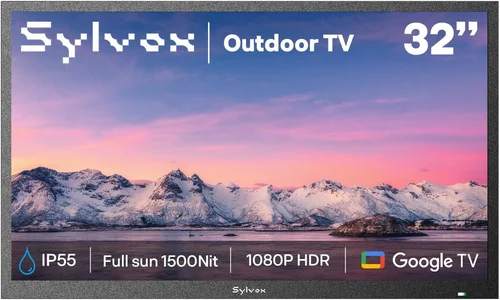
❌ Mistake: Using a Standard Indoor TV Outdoors
Why it’s bad: Indoor TVs lack weatherproofing, corrosion resistance, and sufficient brightness for outdoor use. Exposure to humidity, temperature changes, and dust can cause circuit failure, screen fogging, or permanent damage within months.
What to do instead: Invest in a TV specifically rated for outdoor or partial outdoor use. Even in a screened porch, choose a model with at least IP55 rating and high nit brightness.
❌ Mistake: Ignoring Brightness Requirements
Why it’s bad: A dim screen turns your porch into a guessing game during daytime viewing. Most indoor TVs max out at 300–500 nits, which is inadequate for ambient light conditions.
What to do instead: Prioritize TVs with 700+ nits, and ideally 1,000+ nits for sunny locations. Check reviews that mention daylight visibility, not just lab specs.
❌ Mistake: Overlooking Mounting and Installation Needs
Why it’s bad: Improper mounting can lead to water intrusion, vibration damage, or even the TV falling. Standard indoor mounts aren’t designed for outdoor conditions.
What to do instead: Use weatherproof, corrosion-resistant mounts compatible with your TV. Consider professional installation if wiring or structural support is needed.
❌ Mistake: Skimping on Audio Solutions
Why it’s bad: Built-in outdoor TV speakers are often weak and muffled due to protective grilles. Relying on them results in poor sound quality, especially with background noise like wind or traffic.
What to do instead: Pair your TV with outdoor-rated wireless speakers or a weatherproof soundbar. Bluetooth or Wi-Fi audio solutions offer flexibility without running cables.
❌ Mistake: Not Checking Return and Warranty Policies
Why it’s bad: Outdoor TVs are expensive, and if something goes wrong, you need assurance that you’re covered. Some retailers don’t accept returns on opened electronics.
What to do instead: Buy from reputable sellers with clear return windows (at least 30 days) and verify the warranty explicitly covers outdoor use.
❌ Mistake: Choosing Size Over Performance
Why it’s bad: A giant screen that’s too dim or poorly contrasted will disappoint, no matter how impressive it looks mounted on the wall.
What to do instead: Match screen size to viewing distance, but always prioritize brightness, contrast, and weather resistance first.
❌ Mistake: Assuming All “Outdoor” TVs Are Equal
Why it’s bad: Marketing terms like “outdoor-ready” can be misleading. Some models are merely indoor TVs sold with enclosures, not purpose-built designs.
What to do instead: Research the manufacturer’s specifications, read third-party reviews, and look for certifications like IP ratings or UL Outdoor listings.
Budget Guidelines: How Much Should You Spend?
- Entry-Level ($800–$1,500): This range typically includes smaller-screen partial outdoor TVs (43–55 inches) with basic weather resistance and 700–1,000 nits brightness. Examples include certain models from Seura’s Veranda line or refurbished SunBriteTV units. Ideal for shaded or fully enclosed porches with minimal direct sunlight.
- Mid-Range ($1,500–$3,000): The sweet spot for most screened porch owners. These TVs offer 55–75 inch screens, full smart platforms, 1,000+ nits brightness, IP55+ ratings, and reliable build quality. Brands like Samsung’s The Terrace (partial outdoor version) or new entrants like Sylvane’s outdoor series fall here. Great balance of features, durability, and value.
- Premium ($3,000–$5,000): For enthusiasts who want top-tier performance and longevity. Expect 75+ inch screens, mini-LED or QLED panels, advanced thermal management, integrated heaters/coolers, and extended warranties. SunBriteTV’s Signature 2 series or Peerless’ outdoor displays are prime examples. Perfect for large porches or those in extreme climates.
- Luxury ($5,000+): Reserved for commercial-grade or ultra-high-end residential installations. These include 85+ inch models with 2,000+ nits brightness, 24/7 operation capability, custom finishes, and full-service installation support. Often used in luxury homes, resorts, or outdoor entertainment venues.
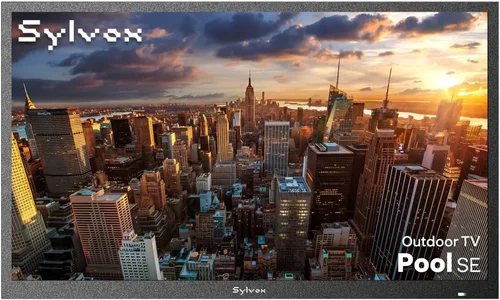
Expert Tips for Getting the Best Deal
- Time your purchase around seasonal sales: The best deals on outdoor TVs occur in late winter (February–March) as retailers clear inventory before spring, and again in early fall (September) post-summer demand. Black Friday can also offer discounts, but selection may be limited.
- Buy directly from manufacturers when possible: Companies like SunBriteTV and Seura often run exclusive promotions, bundle mounts or speakers, and provide better customer service than third-party retailers.
- Consider certified refurbished models: Reputable sellers offer refurbished outdoor TVs with full warranties at 20–40% off retail. These are thoroughly tested and ideal for budget-conscious buyers.
- Negotiate installation packages: Many dealers offer discounted or free installation if you purchase the TV and mount together. Ask about bundled pricing—it can save hundreds.
- Check local utility rebates: Some regions offer energy-efficiency rebates for outdoor electronics. While rare, it’s worth inquiring, especially for commercial installations.
- Test before you commit (if possible): If buying in-store, ask to see the TV powered on in a bright environment. Check for uniformity, color accuracy, and remote responsiveness.
- Read the fine print on warranties: Ensure coverage includes outdoor use, accidental damage, and labor costs. Some brands require professional installation for warranty validity.
- Join outdoor living forums: Communities like Reddit’s r/outdoorliving or Houzz discussion boards often share real-user deals, installation tips, and brand experiences you won’t find in ads.

Frequently Asked Questions
Q: Can I use a regular TV on my screened porch?
A: Technically yes, but it’s not recommended long-term. Standard TVs lack weatherproofing and sufficient brightness. Over time, humidity and temperature swings can cause internal damage. For occasional use in a fully climate-controlled sunroom, it might work—but for regular viewing, invest in a purpose-built model.
Q: What’s the difference between IP55 and IP65?
A: IP55 protects against dust (limited ingress) and low-pressure water jets from any direction. IP65 offers complete dust protection and resistance to stronger water jets. For screened porches, IP55 is usually sufficient; IP65 is better for fully exposed areas.
Q: Do outdoor TVs consume more power?
A: Not necessarily. Modern outdoor TVs use similar LED backlighting as indoor models. However, higher brightness settings and integrated cooling/heating systems can increase energy use slightly. Look for ENERGY STAR ratings where available.
Q: How do I clean an outdoor TV screen?
A: Use a microfiber cloth slightly dampened with water or a screen-safe cleaner. Avoid ammonia-based products or abrasive materials. Never spray liquid directly on the screen—apply to the cloth first.
Q: Can I leave my patio TV on all the time?
A: Most outdoor TVs are designed for intermittent use (like indoor models). Continuous 24/7 operation is typically reserved for commercial-grade displays. Check your model’s specifications for duty cycle recommendations.
Q: Will my Wi-Fi reach the porch?
A: It depends on distance and obstacles. If your router is far or blocked by walls, consider a Wi-Fi extender, mesh network, or powerline adapter. Some outdoor TVs also support Ethernet via weatherproof conduits.
Q: Are outdoor TVs louder than indoor ones?
A: Not inherently. Built-in speakers are often constrained by weatherproof enclosures. For better audio, use external outdoor speakers or a soundbar designed for open-air environments.
Q: Can I mount an outdoor TV on a brick or concrete wall?
A: Yes, but you’ll need appropriate anchors and possibly a professional installer. Ensure the mount is rated for the TV’s weight and that wiring is properly sealed against moisture.
Q: Do outdoor TVs come with remotes that work in bright light?
A: Many include standard IR remotes, which can be hard to see in sunlight. Look for models with backlit remotes, voice control (Google Assistant/Alexa), or smartphone app compatibility for easier operation.
Q: What happens if it rains while the TV is on?
A: A properly rated outdoor TV (IP55 or higher) can handle rain exposure even when powered on. However, avoid spraying water directly into vents or ports. Always follow the manufacturer’s operating guidelines.
Our Final Recommendations
- Best for Budget-Conscious Buyers: Seura Veranda 55″ – Offers excellent brightness (1,000 nits), IP55 rating, and smart features under $2,000. Ideal for shaded or enclosed porches.
- Best Overall Value: Samsung The Terrace Partial Outdoor 65″ – Combines QLED color, 1,500 nits brightness, Google TV, and robust build quality around $2,800. A top pick for most screened porch setups.
- Best Premium Option: SunBriteTV Signature 2 75″ – Built for harsh conditions with 2,000 nits, integrated cooling, and a 3-year warranty. Priced around $4,500, it’s built to last decades.
- Best for Beginners: LG Outdoor 55″ (with outdoor enclosure kit) – A familiar indoor TV paired with a weatherproof case (~$1,600 total). Great for those testing the waters before committing to a full outdoor model.
- Best for Advanced Users: Peerless-AV Xtreme 85″ Commercial Outdoor Display – Designed for 24/7 operation, extreme brightness (3,000 nits), and modular serviceability. Over $7,000, but unmatched for serious outdoor entertainment.
Conclusion: Making the Right Choice
Selecting the perfect patio TV for your screened porch is a blend of practicality, performance, and personal preference. It’s not just about finding the biggest or brightest screen—it’s about choosing a display engineered to thrive in your specific environment while delivering the entertainment experience you deserve. From weather resistance and brightness to smart features and long-term support, every factor we’ve covered plays a role in ensuring your investment pays off for years to come.
Remember, the cheapest option today might cost you more tomorrow in repairs or replacements. Prioritize durability and visibility, but don’t overlook usability—after all, you want to enjoy your TV, not troubleshoot it. Use this guide as your roadmap: assess your space, define your budget, compare models based on real-world performance, and don’t hesitate to invest in professional installation if needed.
Your screened porch is more than just an extension of your home—it’s a sanctuary for relaxation, connection, and celebration. With the right TV, it becomes a true outdoor living room. So take your time, do your research, and choose wisely. The perfect patio TV isn’t just a purchase; it’s an upgrade to your lifestyle. Happy viewing!

