
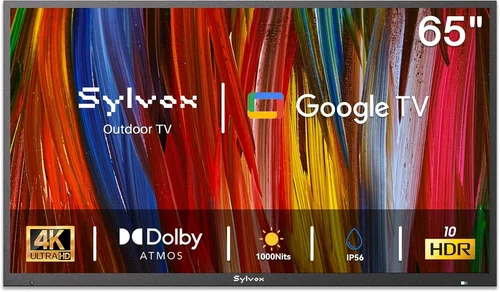
Outdoor living spaces have evolved far beyond simple patios and grills. Today’s outdoor kitchens are fully equipped entertainment hubs—complete with refrigerators, sinks, countertops, and yes, high-performance televisions designed to withstand the elements. Whether you’re hosting a summer barbecue, watching the big game under string lights, or enjoying a quiet evening movie night under the stars, an outdoor TV can transform your patio into a true extension of your home.
But choosing the right TV for your outdoor kitchen isn’t as simple as grabbing the biggest screen from your local electronics store. Standard indoor TVs aren’t built to handle sunlight glare, humidity, temperature swings, or dust—all common challenges in outdoor environments. That’s where purpose-built outdoor TVs come in. These specialized displays are engineered with weather-resistant materials, enhanced brightness, and protective enclosures to deliver reliable performance year-round, no matter the conditions.
This comprehensive buying guide is designed to help you navigate the growing market of outdoor TVs with confidence. You’ll learn how to evaluate key factors like brightness, durability, connectivity, and installation requirements. We’ll compare different types of outdoor TVs, highlight common pitfalls to avoid, and provide expert-backed recommendations based on real-world use cases. By the end, you’ll have everything you need to make a smart, informed decision that matches your budget, space, and lifestyle.
The outdoor TV market has matured significantly over the past decade. What once consisted of bulky, expensive commercial-grade displays has now expanded to include sleek, consumer-friendly models from trusted brands like Samsung, LG, Sony, and specialized manufacturers such as SunBriteTV and Seura. Prices range from under $1,000 for basic weatherproof models to over $5,000 for premium 4K HDR units with full weatherization and smart features. With options spanning sizes from 32 inches to 85 inches and beyond, there’s never been a better time to invest in an outdoor television—if you know what to look for.
What to Look for When Buying Buying Guide
1. Brightness & Display Performance
One of the most critical factors when selecting an outdoor TV is its brightness level, measured in nits. Indoor TVs typically range from 250 to 500 nits, which is sufficient for dimly lit living rooms but completely inadequate for direct sunlight. Outdoor TVs must combat ambient light, especially during daytime viewing, so they require significantly higher brightness—ideally 700 nits or more, with premium models reaching 2,000+ nits.
Look for TVs labeled as “sunlight-readable” or “high-brightness” displays. These often feature anti-reflective coatings, enhanced backlighting (such as direct-lit or full-array LED), and optical bonding—a process that reduces air gaps between the screen layers to minimize glare and improve clarity. For patios with partial shade or covered areas, a brightness of 700–1,000 nits may suffice. However, if your outdoor kitchen gets direct sun for several hours a day, aim for at least 1,500 nits.
Also consider contrast ratio and color accuracy. While brightness helps with visibility, poor contrast can wash out images in bright conditions. High dynamic range (HDR) support—especially HDR10 or Dolby Vision—can enhance detail in both shadows and highlights, making content pop even under challenging lighting. Don’t forget viewing angles: if your seating arrangement is wide or off-center, choose a TV with IPS or similar wide-viewing technology to maintain image quality from the sides.
2. Weather Resistance & Build Quality
Unlike indoor TVs, outdoor models must endure rain, snow, dust, humidity, and extreme temperatures—sometimes ranging from below freezing to over 100°F. This demands robust construction and certified weather resistance. The gold standard is an IP (Ingress Protection) rating, which indicates how well the TV resists solids (like dust) and liquids (like rain).
For outdoor use, look for at least an IP55 rating—meaning the TV is protected against dust ingress and low-pressure water jets from any direction. Premium models often carry IP65 or IP66 ratings, offering near-total dust protection and resistance to powerful water jets. Some manufacturers go further by using marine-grade aluminum chassis, sealed internal components, and conformal coating on circuit boards to prevent corrosion.
Temperature tolerance is equally important. Most outdoor TVs are rated for operation between -22°F and 122°F (-30°C to 50°C), but verify this spec based on your local climate. If you live in a region with harsh winters or scorching summers, ensure the model you choose can handle those extremes without performance degradation or shutdowns.
3. Screen Size & Viewing Distance
Choosing the right screen size depends on your patio layout, seating arrangement, and typical viewing distance. A common rule of thumb is that the optimal viewing distance (in feet) is roughly 1.5 to 2.5 times the screen’s diagonal size (in inches). For example, a 55-inch TV is best viewed from 6.9 to 11.5 feet away.
However, outdoor spaces often have longer sightlines than indoor rooms. If your outdoor kitchen includes a large dining area or lounge seating 12–15 feet from the TV, consider a 65-inch or 75-inch model for immersive viewing. Conversely, smaller patios or compact outdoor kitchens may only need a 43-inch or 50-inch screen.
Keep in mind that larger screens require more power and may need reinforced mounting solutions. Also, ensure your chosen location allows for proper ventilation around the TV—most outdoor models need airflow to prevent overheating, even with built-in cooling systems.
4. Smart Features & Connectivity
Modern outdoor TVs increasingly come with smart platforms, allowing you to stream content directly without external devices. Look for models running Android TV, webOS (LG), Tizen (Samsung), or Roku TV—these offer access to Netflix, YouTube, Disney+, and other popular apps. Voice control via Google Assistant or Alexa is also common and convenient for hands-free operation while cooking or entertaining.
Connectivity options are crucial for flexibility. Ensure the TV has multiple HDMI ports (at least 3–4), USB inputs, Ethernet for wired internet (Wi-Fi can be unreliable outdoors), and audio outputs for external speakers or soundbars. Some high-end models include built-in Bluetooth for wireless audio streaming.
If you plan to connect gaming consoles, streaming sticks, or cable boxes, check for HDMI 2.1 support (for 4K/120Hz gaming) and low input lag. While not all outdoor TVs prioritize gaming performance, newer models are closing the gap with indoor counterparts.
5. Installation & Mounting Requirements
Proper installation is essential for both performance and safety. Outdoor TVs must be mounted securely to withstand wind, vibrations, and accidental bumps. Most models are VESA-compatible and work with standard wall mounts, but always verify weight and dimensions before purchasing hardware.
Consider whether you want a fixed, tilt, or full-motion mount. Fixed mounts are simplest and most secure, while tilt or articulating arms allow you to adjust the angle for better viewing from different seating areas. For covered patios with adjustable awnings or pergolas, a full-motion mount adds versatility.
Electrical requirements also matter. Outdoor TVs need a dedicated, weatherproof power outlet (GFCI-protected is recommended). If running cables through walls or under decking, use conduit and outdoor-rated wiring. Some homeowners opt for professional installation to ensure compliance with local electrical codes and optimal placement.
6. Audio Quality & Sound Solutions
Built-in speakers on outdoor TVs are often underpowered due to space and weatherproofing constraints. While adequate for casual listening, they rarely deliver the rich, room-filling sound needed for outdoor entertainment. Most users supplement with external audio systems.
Options include weather-resistant soundbars, wireless outdoor speakers, or wired in-ceiling/in-wall speakers connected via the TV’s audio output. Bluetooth pairing is convenient but can introduce latency; wired connections (optical or RCA) offer better sync for movies and sports.
If audio is a priority, look for TVs with robust audio outputs and compatibility with multi-room systems like Sonos or Bose. Some premium models even include built-in subwoofers or support for Dolby Atmos—though true immersive audio usually requires external setups.
7. Brand Reputation & Ecosystem Compatibility
Not all TV brands are created equal when it comes to outdoor use. While Samsung, LG, and Sony offer some outdoor-capable models, specialists like SunBriteTV (now part of SnapAV), Seura, and Peerless-AV have decades of experience designing TVs specifically for exterior environments. These brands often provide better weatherproofing, longer warranties, and dedicated customer support.
Consider ecosystem compatibility if you already own smart home devices. A Samsung TV integrates seamlessly with SmartThings, while LG works well with Google Home. If you use Apple devices, look for AirPlay 2 support. Choosing a brand that aligns with your existing tech stack simplifies setup and daily use.
8. Warranty & Support
Outdoor TVs represent a significant investment, so warranty coverage is non-negotiable. Standard indoor TV warranties rarely cover outdoor use—even if the TV is technically functional outside. Always purchase from a manufacturer that explicitly warrants outdoor installation.
Look for at least a 2-year comprehensive warranty, with options to extend coverage. Some brands offer on-site service or expedited replacements. Read the fine print: does the warranty cover damage from condensation, UV exposure, or power surges? Are software updates included? Reliable customer support can save you time and money if issues arise.
Different Types of Buying Guide
Common Buying Mistakes to Avoid
❌ Mistake: Buying a Standard Indoor TV for Outdoor Use
Why it’s bad: Indoor TVs lack weatherproofing, have low brightness, and aren’t designed for temperature extremes. Using one outdoors voids the warranty and risks permanent damage from moisture, dust, or overheating.
What to do instead: Invest in a purpose-built outdoor TV or use an indoor model only within a certified outdoor enclosure designed for that specific TV.
❌ Mistake: Ignoring Sunlight Exposure When Choosing Brightness
Why it’s bad: A TV with only 500 nits will appear washed out or invisible in direct sunlight, defeating the purpose of having an outdoor screen.
What to do instead: Assess your patio’s sun patterns. For full sun, choose a TV with 1,500+ nits; for shade, 700–1,000 nits may suffice.
❌ Mistake: Overlooking Audio Needs
Why it’s bad: Built-in speakers are often quiet and tinny outdoors, where ambient noise (wind, traffic, conversation) drowns out dialogue.
What to do instead: Plan for external audio from day one—whether a weatherproof soundbar or wireless speaker system.
❌ Mistake: Skimping on Mounting and Installation
Why it’s bad: Improper mounting can lead to sagging, vibration damage, or even the TV falling—posing safety risks.
What to do instead: Use a heavy-duty, corrosion-resistant mount rated for your TV’s weight and size. Consider professional installation for complex setups.
❌ Mistake: Not Checking Warranty Coverage for Outdoor Use
Why it’s bad: Many manufacturers void warranties if the TV is used outside, leaving you unprotected if it fails.
What to do instead: Only buy from brands that explicitly cover outdoor installation and provide documentation confirming this.
❌ Mistake: Choosing Size Over Viewing Experience
Why it’s bad: A massive screen looks impressive but may be unwatchable from close range or cause eye strain.
What to do instead: Use the 1.5x–2.5x rule for screen size vs. distance, and prioritize image quality and brightness over sheer size.
❌ Mistake: Forgetting About Connectivity and Future-Proofing
Why it’s bad: Limited ports or outdated smart platforms can make your TV obsolete quickly as new devices emerge.
What to do instead: Choose a model with HDMI 2.1, multiple inputs, and regular software updates to extend its lifespan.
Budget Guidelines: How Much Should You Spend?
Entry-Level ($800 – $1,500): These are typically partial-shade models or indoor TVs in basic enclosures. Expect 43–55 inch screens, 700–1,000 nits brightness, limited smart features, and IP54/IP55 ratings. Ideal for covered patios with minimal direct sun. Brands like TCL and Hisense offer budget-friendly options, but verify outdoor compatibility.
Mid-Range ($1,500 – $3,000): This is the sweet spot for most homeowners. You’ll find fully weatherized TVs from SunBriteTV, Seura, and select Samsung/LG models. Features include 1,000–1,500 nits brightness, 4K HDR, robust smart platforms, and IP65 ratings. Sizes range from 50 to 75 inches, with solid warranties and reliable performance in varied conditions.
Premium ($3,000 – $5,000): Designed for full sun exposure and luxury outdoor kitchens, these TVs boast 1,500–2,500+ nits, advanced cooling systems, premium materials, and extended warranties. Models often include anti-glare coatings, wide viewing angles, and seamless integration with home automation systems. Perfect for high-end patios and year-round use.
Luxury ($5,000+): Reserved for commercial-grade displays or ultra-high-end residential installations. These units support 24/7 operation, offer 85-inch+ screens, and include enterprise-level support, custom mounting, and modular designs. Common in resorts, luxury estates, or outdoor theaters.
Expert Tips for Getting the Best Deal
1. Shop During Off-Seasons: Outdoor TVs see peak demand in spring and summer. Buy in late fall or winter (November–February) for discounts of 15–30%. Retailers often clear inventory before new models launch.
2. Compare Direct from Manufacturers: Brands like SunBriteTV and Seura frequently run promotions on their websites, including free shipping, extended warranties, or bundled mounts. You may find better deals than at big-box stores.
3. Look for Certified Refurbished Models: Many manufacturers sell certified refurbished outdoor TVs with full warranties at 20–40% off retail. These are thoroughly tested and often indistinguishable from new units.
4. Bundle with Installation Services: Some retailers offer discounted or free professional installation when you purchase a TV and mount together. This ensures proper setup and may include cable management and testing.
5. Check Return Policies Carefully: Outdoor TVs are bulky and expensive to return. Ensure the seller offers at least a 30-day return window and covers return shipping for defective units.
6. Test Before Finalizing Placement: If possible, temporarily mount the TV in your desired location for a weekend. Check visibility at different times of day, audio performance, and Wi-Fi signal strength.
7. Invest in a Surge Protector: Power surges from lightning or grid fluctuations can fry electronics. Use a high-quality outdoor-rated surge protector with joule rating of 2,000+.
8. Consider Energy Efficiency: Outdoor TVs consume more power due to high brightness. Look for ENERGY STAR certification or models with auto-dimming features to reduce electricity costs over time.
Frequently Asked Questions
Q: Can I use a regular TV outside if it’s under a covered patio?
A: Technically yes, but only if it’s protected from all moisture, dust, and temperature extremes. Even under cover, humidity, condensation, and pests can damage internal components. For reliable, long-term use, an outdoor-rated TV or certified enclosure is strongly recommended.
Q: Do outdoor TVs need special maintenance?
A: Minimal maintenance is required. Wipe the screen with a microfiber cloth and mild cleaner monthly. Check seals and vents for debris seasonally. Avoid abrasive cleaners or pressure washers.
Q: Will an outdoor TV work in winter?
A: Yes, most outdoor TVs operate down to -22°F. However, extreme cold can temporarily reduce brightness. Allow the TV to warm up for 10–15 minutes before extended use in freezing conditions.
Q: Can I leave my outdoor TV on all the time?
A: Consumer-grade outdoor TVs aren’t designed for 24/7 operation like commercial displays. Continuous use may shorten lifespan. Use sleep timers or smart plugs to automate power cycles.
Q: Do outdoor TVs come with built-in heaters or coolers?
A: Premium models often include internal thermal management—fans for cooling in heat and heaters for cold starts. These are automatic and require no user intervention.
Q: Are outdoor TVs compatible with streaming devices like Roku or Apple TV?
A: Absolutely. Most outdoor TVs have HDMI ports for external devices. In fact, using a streaming stick can extend functionality if the TV’s built-in smart platform becomes outdated.
Q: How do I hide cables on my outdoor TV?
A: Use outdoor-rated conduit, in-wall cable channels, or decorative raceways. For a clean look, run cables through the wall behind the TV or under decking with proper waterproofing.
Q: What’s the difference between IP55 and IP65?
A: Both protect against dust and water, but IP65 offers “dust tight” protection (no ingress), while IP55 allows limited dust entry. IP65 also resists low-pressure water jets from any angle, making it better for exposed areas.
Q: Can I mount an outdoor TV on a brick or stucco wall?
A: Yes, but use appropriate anchors (like Tapcon screws for concrete/brick or expansion anchors for stucco). Ensure the wall can support the TV’s weight—typically 50–100+ pounds.
Q: Do outdoor TVs support voice control?
A: Many do, especially those running Android TV or webOS. You can use Google Assistant or Alexa to change channels, adjust volume, or search content hands-free.
Our Final Recommendations
Best for Budget-Conscious Buyers: SunBriteTV Veranda Series (55-inch) – At around $1,800, this partial-shade model delivers 1,000 nits brightness, 4K HDR, and IP55 rating. Ideal for covered patios with excellent value for the price.
Best Overall Value: Seura Outdoor 4K Smart TV (65-inch) – Priced near $2,700, it offers 1,500 nits, full weatherization (IP65), Android TV, and a sleek design. Perfect balance of performance, durability, and features.
Best Premium Option: SunBriteTV Pro Series (75-inch) – With 2,500 nits brightness, military-grade construction, and advanced thermal management, this $4,500+ TV is built for full sun and extreme climates. Includes a 3-year warranty.
Best for Beginners: Samsung The Terrace (55-inch Partial Sun) – A familiar brand with easy setup, 1,000 nits, and Tizen OS. Great for those new to outdoor TVs who want reliability and smart integration.
Best for Advanced Users: Peerless-AV Xtreme High Brightness Display (85-inch) – A commercial-grade powerhouse with 3,000 nits, modular design, and 24/7 operation capability. Suited for tech-savvy homeowners wanting a future-proof, theater-like experience.
Conclusion: Making the Right Choice
Choosing the right outdoor TV for your patio and outdoor kitchen is about more than just screen size or price—it’s about matching technology to your environment, lifestyle, and long-term goals. From battling midday sun to surviving seasonal weather shifts, every detail matters. By prioritizing brightness, weather resistance, smart features, and proper installation, you’ll ensure your investment delivers years of enjoyment.
Remember: the cheapest option isn’t always the most cost-effective if it fails after one season. Conversely, overspending on features you’ll never use wastes money. Focus on your specific needs—whether that’s a cozy 50-inch screen under a pergola or a massive 85-inch centerpiece for alfresco movie nights.
Take the time to assess your space, read real user reviews, and consult with reputable dealers who understand outdoor technology. And don’t hesitate to invest in professional installation—it’s a small price to pay for peace of mind and optimal performance.
Your outdoor kitchen is more than a place to cook—it’s a gathering spot, a retreat, and an expression of your home’s personality. With the right outdoor TV, you’re not just adding a screen; you’re creating memories under the open sky. So go ahead, press play, and make every moment outside count.

