
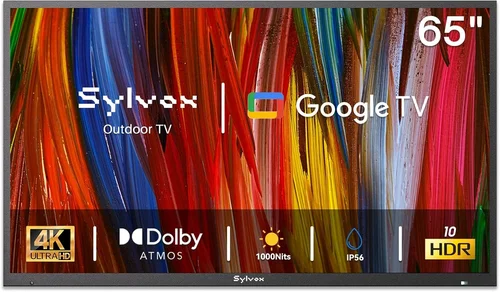
Choosing the right patio TV for a rainy climate isn’t just about picking a weather-resistant screen—it’s about investing in a long-term outdoor entertainment solution that can withstand constant exposure to moisture, humidity, temperature swings, and unpredictable storms. Unlike indoor TVs, which operate in controlled environments, outdoor displays face relentless environmental stressors that can quickly degrade performance or lead to premature failure. Whether you’re setting up a covered porch in Seattle, a screened-in lanai in Miami, or a backyard pavilion in Portland, the stakes are high: a poorly chosen TV could rust, fog up, overheat, or short-circuit within months.
This comprehensive buying guide is designed to help you navigate the complex world of outdoor televisions with confidence. You’ll learn how to evaluate critical factors like IP ratings, thermal management, display technology, and build quality—all tailored specifically for wet and humid climates. We’ll break down the different types of patio TVs available, compare their strengths and weaknesses, and highlight common pitfalls that even savvy shoppers fall into. By the end, you’ll have a clear roadmap to select a TV that delivers stunning picture quality, reliable performance, and lasting durability—no matter how much rain falls from the sky.
The market for outdoor TVs has evolved significantly in recent years. What once consisted of bulky, expensive specialty units has expanded to include more accessible options from both established electronics brands and niche outdoor tech companies. However, not all “weatherproof” TVs are created equal. Some are merely indoor models housed in protective enclosures, while others are purpose-built from the ground up for outdoor use. Understanding these distinctions is crucial, especially in regions where rainfall is frequent and prolonged. This guide cuts through the marketing noise to give you expert-level insights grounded in real-world performance, durability testing, and user feedback.

What to Look for When Buying Buying Guide
1. IP Rating & Weather Resistance
The Ingress Protection (IP) rating is your first line of defense when evaluating a patio TV for rainy climates. This two-digit code indicates how well a device resists dust and water. For outdoor use, you need at minimum an IP55 rating—meaning the TV is protected against limited dust ingress and low-pressure water jets from any direction. However, in consistently rainy areas, we strongly recommend aiming for IP65 or higher. An IP65-rated TV is dust-tight and can withstand powerful water jets, making it ideal for uncovered patios or areas with heavy downpours.
Don’t confuse IP ratings with vague terms like “weather-resistant” or “all-weather.” These labels are unregulated and often misleading. Always verify the exact IP code in the product specifications. Also, check whether the rating applies to the entire unit or just certain components—some manufacturers only certify the front bezel, leaving ports and vents vulnerable.
2. Display Technology & Brightness
Outdoor visibility is paramount, especially on overcast days or during evening viewing when ambient light competes with your screen. Most indoor TVs struggle outdoors because their peak brightness rarely exceeds 400–600 nits. For rainy climates—where skies are often gray and diffuse—you’ll want a display capable of 700 nits or more. Premium outdoor models now offer 1,000–2,500 nits, ensuring crisp, vibrant images even under cloudy skies.
OLED technology, while stunning indoors, is generally not recommended for outdoor use due to its susceptibility to image retention and lower peak brightness compared to high-end LED/LCD panels. Instead, look for full-array local dimming (FALD) LED TVs with anti-reflective coatings. These reduce glare from wet surfaces and scattered daylight, enhancing contrast and color accuracy. Some top-tier models also feature optical bonding—a process that eliminates the air gap between the glass and LCD layer—to minimize internal reflections and improve clarity in humid conditions.
3. Thermal Management & Ventilation
Rainy climates often come with high humidity and fluctuating temperatures, which can cause internal condensation and overheating. A well-designed patio TV must manage heat efficiently without relying on open vents that invite moisture. Passive cooling systems with heat-dissipating aluminum chassis are ideal, as they don’t require fans that can suck in humid air.
Avoid TVs with active cooling (fans) unless they’re specifically rated for outdoor use and include moisture filters. Even then, fan motors can fail prematurely in damp environments. Look for models with thermal sensors that automatically adjust brightness or shut down if internal temperatures exceed safe limits. This protects both the panel and internal electronics from long-term damage.
4. Build Quality & Materials
The chassis and bezel materials determine how well your TV resists corrosion, UV degradation, and physical wear. Aluminum alloys are the gold standard for outdoor TVs—they’re lightweight, rust-proof, and excellent at dissipating heat. Avoid plastic enclosures unless they’re engineered composites with UV stabilizers; standard plastics yellow and become brittle under constant sun and rain exposure.
Pay close attention to seam sealing. High-quality outdoor TVs use gaskets, silicone seals, and welded joints to prevent water ingress at connection points. Check reviews or manufacturer documentation to confirm whether ports (HDMI, USB, power) are internally routed and protected. Some models include removable rear covers with drainage channels to let any trapped moisture escape.
5. Smart Features & Connectivity
Modern patio TVs should integrate seamlessly with your home ecosystem. Look for built-in Wi-Fi 6 or Ethernet ports for stable streaming in areas with weak wireless signals. HDMI 2.1 support ensures compatibility with next-gen gaming consoles and 4K/120Hz content. USB-C and wireless casting (AirPlay 2, Chromecast) add convenience for mobile devices.
However, don’t sacrifice durability for smart features. Some budget “outdoor-ready” TVs use indoor smart platforms housed in flimsy external boxes—these are prone to water damage. Opt for models where the smart OS is integrated into a weather-sealed mainboard. Also, verify app availability: not all streaming services work reliably on outdoor-specific firmware.
6. Size & Viewing Distance
Outdoor spaces vary widely—from compact balconies to expansive decks—so choosing the right screen size is essential. As a rule of thumb, multiply your viewing distance (in inches) by 0.84 to get the ideal diagonal screen size. For example, if you’ll be sitting 10 feet (120 inches) away, aim for a 100-inch TV.
But in rainy climates, larger isn’t always better. Oversized screens can overwhelm small covered areas and may require additional structural support. Also, consider glare: a 75-inch TV on a rainy day might reflect light from puddles or wet pavement, reducing perceived contrast. Test potential placements during different weather conditions if possible.
7. Brand Reputation & Ecosystem
Not all brands treat outdoor durability equally. Companies like SunBriteTV, Seura, and Samsung (with its Terrace line) specialize in outdoor displays and invest heavily in R&D for harsh environments. Their products undergo rigorous testing for salt fog, thermal cycling, and prolonged moisture exposure—standards rarely met by mainstream TV makers repurposing indoor models.
Research warranty terms and customer service responsiveness. A reputable brand will offer at least a 2–3 year warranty covering weather-related failures. Avoid unknown brands selling “outdoor TVs” on Amazon with no service network—if something goes wrong, you’re likely out of luck.
8. Warranty & Support
A strong warranty is non-negotiable for patio TVs in rainy climates. Standard indoor TV warranties often exclude damage from moisture, humidity, or outdoor use. Look for extended coverage that explicitly includes environmental factors. Some premium brands offer on-site repair or replacement services, which is invaluable if your TV is wall-mounted or integrated into a permanent structure.
Check return policies too. Outdoor TVs are large, heavy, and expensive to ship. Ensure the retailer allows returns within 30–60 days in case the unit doesn’t perform as expected. Read the fine print: some “weatherproof” claims are voided if the TV is installed without a compatible outdoor-rated mount.
Different Types of Buying Guide

Common Buying Mistakes to Avoid
❌ Mistake: Assuming All “All-Weather” TVs Are Equal
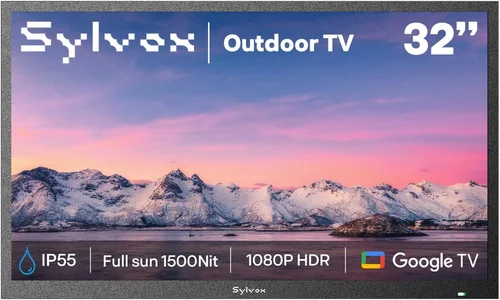
Why it’s bad: The term “all-weather” is unregulated and often used loosely. Some manufacturers label indoor TVs as all-weather simply because they come with a basic cover. These units lack proper sealing, thermal management, and corrosion-resistant materials, leading to rapid failure in rainy climates.
What to do instead: Always verify the IP rating, read third-party reviews, and check if the TV is certified by independent labs like UL or Intertek for outdoor use. When in doubt, contact the manufacturer directly.
❌ Mistake: Ignoring Local Climate Extremes
Why it’s bad: A TV rated for light rain may not survive a tropical storm or constant drizzle in a rainforest climate. Humidity levels, wind-driven rain, and temperature swings vary greatly by region.
What to do instead: Research your area’s average rainfall intensity, humidity, and seasonal weather patterns. Choose a TV with a safety margin—e.g., if you get moderate rain, opt for an IP66 or IP67 model instead of the minimum IP55.
❌ Mistake: Overlooking Installation Requirements
Why it’s bad: Even the best outdoor TV can fail if installed incorrectly. Using indoor mounts, failing to seal cable entries, or placing the TV in a low-lying area where water pools can void warranties and cause damage.
What to do instead: Use only manufacturer-recommended outdoor mounts with tilt and swivel capabilities. Ensure all cables pass through waterproof conduit or grommets. Install the TV under an eave or awning whenever possible.
❌ Mistake: Prioritizing Price Over Longevity
Why it’s bad: Cheap outdoor TVs often use inferior components that degrade quickly. Replacing a failed unit every 2–3 years ends up costing more than investing in a durable model upfront.
What to do instead: Calculate the total cost of ownership over 5–7 years. A $3,000 TV that lasts 7 years is a better value than a $1,200 TV that fails in 2.
❌ Mistake: Neglecting Software Updates
Why it’s bad: Outdoor TVs with smart features can become vulnerable to security flaws or app incompatibilities if not updated. Many users forget to check for firmware updates, leaving their system exposed.
What to do instead: Enable automatic updates if available, or set calendar reminders to check quarterly. Some brands offer remote update services for installed units.
❌ Mistake: Skipping the Warranty Fine Print
Why it’s bad: Warranties often exclude “acts of nature” or require professional installation to remain valid. You might think you’re covered, only to be denied service after a storm.
What to do instead: Read the warranty document thoroughly before purchasing. Ask the seller to clarify coverage for moisture, condensation, and power surges.
❌ Mistake: Forgetting About Audio
Why it’s bad: Rain noise can drown out built-in TV speakers. Many outdoor TVs have weak audio systems not designed for open spaces.
What to do instead: Plan for outdoor-rated soundbars or wireless speakers from the start. Look for TVs with optical audio out or Bluetooth 5.0 for reliable connectivity.
Budget Guidelines: How Much Should You Spend?
Entry-Level ($600–$1,500): This tier includes weatherized portable TVs and basic indoor models in simple enclosures. Expect limited brightness (400–600 nits), minimal smart features, and shorter lifespans (2–4 years). Best for covered patios with minimal direct exposure. Brands like Kanto and some Vizio outdoor kits fall here.
Mid-Range ($1,500–$3,500): The sweet spot for most homeowners. These TVs offer IP55–IP65 ratings, 700–1,200 nits brightness, decent smart platforms, and aluminum builds. Models like the Samsung The Terrace (55″) or SunBriteTV Veranda series deliver excellent value with 3–5 year lifespans in rainy climates.
Premium ($3,500–$6,000): Designed for serious outdoor enthusiasts. Expect IP66 ratings, 1,500+ nits, advanced thermal systems, and robust smart ecosystems. These units often include professional installation support and extended warranties. Ideal for uncovered decks or coastal homes.
Luxury ($6,000+): Top-tier commercial-grade or custom-built displays. Features include 2,000+ nits, 24/7 operation capability, modular designs, and integration with home automation systems. Brands like Peerless-AV and Lighthouse dominate this space, targeting luxury resorts and high-end residences.
Expert Tips for Getting the Best Deal
- Buy in Late Winter or Early Spring: Demand peaks in summer, so retailers often discount older models in February–April to clear inventory. You can save 15–25% during these periods.
- Shop Direct from Manufacturers: Brands like SunBriteTV and Seura frequently run exclusive promotions on their websites, including free shipping or extended warranties not available through third-party sellers.
- Bundle with Accessories: Purchasing a TV, mount, and sound system together often unlocks package discounts. Some retailers include free professional installation.
- Check for Trade-In Programs: A few brands accept old TVs (even non-working ones) for credit toward outdoor models. This can offset $100–$300 off your purchase.
- Verify Return Windows: Ensure you have at least 30 days to test the TV in real conditions. Rainy weather can reveal issues not apparent in showrooms.
- Inspect Before Final Installation: Unbox and power on the TV indoors first. Check for dead pixels, audio issues, or Wi-Fi problems before mounting it permanently.
- Negotiate Service Plans: If buying from a local AV integrator, ask if they’ll include free annual maintenance (cleaning vents, checking seals) as part of the deal.
- Join Owner Forums: Communities like AVS Forum or Reddit’s r/outdoortv share deal alerts, installation tips, and real-world performance data you won’t find elsewhere.

Frequently Asked Questions
Q: Can I use a regular TV outside if it’s under a covered patio?
A: Technically yes, but it’s not recommended for rainy climates. Even under cover, humidity, condensation, and wind-driven rain can infiltrate indoor TVs. Over time, this leads to corrosion, screen fogging, and electrical failure. Invest in a proper outdoor model or a high-quality enclosure rated for your climate.
Q: How do I protect my patio TV during heavy storms?
A: While IP65+ TVs are designed to handle rain, extreme storms with hail or flying debris warrant extra protection. Use a removable weather cover when storms are forecasted, or install the TV in a retractable enclosure. Never rely solely on the TV’s built-in durability during severe weather.
Q: Will my outdoor TV work in winter if it rains and snows?
A: Most outdoor TVs operate safely between -22°F and 122°F (-30°C to 50°C). However, snow accumulation on the screen can block viewing and add weight. Choose a model with a heated bezel or install it under an awning to prevent buildup. Avoid turning on a cold TV immediately—let it acclimate for 1–2 hours.
Q: Do outdoor TVs consume more power than indoor ones?
A: Not necessarily. While they often have higher brightness, modern outdoor models use efficient LED backlights and power-saving modes. Look for ENERGY STAR certification. On average, expect 10–20% higher consumption than similar-sized indoor TVs due to thermal management systems.
Q: Can I mount my outdoor TV on a brick or concrete wall?
A: Yes, but use appropriate anchors and ensure the mount is rated for the TV’s weight and wind load. Brick and concrete require masonry screws or chemical anchors. Always consult a professional if you’re unsure—improper mounting can cause the TV to fall.
Q: Are outdoor TVs compatible with streaming devices like Roku or Apple TV?
A: Most are, but check port accessibility. Some outdoor TVs have recessed HDMI ports that don’t accommodate standard streaming sticks. You may need a right-angle adapter or an external media box mounted nearby in a weatherproof box.
Q: How often should I clean my outdoor TV?
A: Every 3–6 months, depending on pollen, dust, and pollution levels. Use a microfiber cloth and mild soap solution—never abrasive cleaners or high-pressure water. Gently wipe the screen and vents to maintain clarity and airflow.
Q: What happens if my outdoor TV gets wet inside?
A: If water enters due to a seal failure or improper installation, power off the TV immediately and let it dry completely (24–48 hours) in a warm, dry place. Do not turn it on until fully dried. Contact the manufacturer—many will repair or replace units under warranty if the issue stems from a defect.
Q: Can I leave my outdoor TV on all the time?
A: Commercial-grade models are built for 24/7 operation, but consumer outdoor TVs are not. Continuous use generates heat and accelerates component wear. Limit usage to 8–12 hours per day and enable sleep timers when possible.
Q: Do outdoor TVs come with remotes that work in the rain?
A: Most include standard IR remotes that work fine in light rain, but heavy downpours can interfere with the signal. Consider upgrading to a Bluetooth remote or using a smartphone app for control. Some premium models include waterproof remotes.
Our Final Recommendations
Best for Budget-Conscious Buyers: Samsung The Terrace (55″) – At around $2,200, it offers IP55 rating, 1,800 nits brightness, and seamless integration with Samsung’s smart ecosystem. Perfect for covered patios in moderate rainy climates.
Best Overall Value: SunBriteTV Veranda Series (65″) – Priced at $3,200, this purpose-built outdoor TV delivers IP65 protection, 1,000 nits, and a rugged aluminum chassis. It’s been field-tested in hurricane-prone areas and comes with a 3-year warranty.
Best Premium Option: Seura Shadow (75″) – With an IP66 rating, 2,200 nits, and a near-invisible bezel, this luxury model ($5,800) blends stunning visuals with military-grade durability. Ideal for uncovered decks and coastal homes.
Best for Beginners: Kanto Outdoor TV Enclosure + LG C3 OLED – Combine a $900 Kanto enclosure with a high-quality indoor OLED for a customizable, lower-risk entry point. Great for screened porches where full exposure isn’t a concern.
Best for Advanced Users: Peerless-AV Xtreme Outdoor Display (86″) – A commercial-grade beast with 2,500 nits, 24/7 operation, and modular design. At $12,000+, it’s overkill for most homes but unmatched for large venues or tech-forward estates.
Conclusion: Making the Right Choice
Selecting a patio TV for a rainy climate is a balancing act between performance, durability, and budget. It’s tempting to cut corners, but the consequences of a failed outdoor display—lost entertainment, repair costs, and safety risks—far outweigh the initial savings. By prioritizing IP ratings, thermal management, and build quality, you ensure your investment withstands years of damp mornings, sudden downpours, and humid evenings.
Remember, the best TV for your patio isn’t necessarily the brightest or most expensive—it’s the one that matches your specific environment, usage habits, and long-term goals. Take the time to assess your space, read real user reviews, and consult with professionals if needed. And don’t forget the audio: even the sharpest picture feels hollow without sound that cuts through the patter of rain.
Ultimately, a well-chosen outdoor TV transforms your patio from a seasonal retreat into a year-round hub for relaxation, entertainment, and connection. With the insights from this guide, you’re equipped to make a confident, informed decision—one that lets you enjoy movie nights, game days, and quiet evenings under the open sky, rain or shine.

