
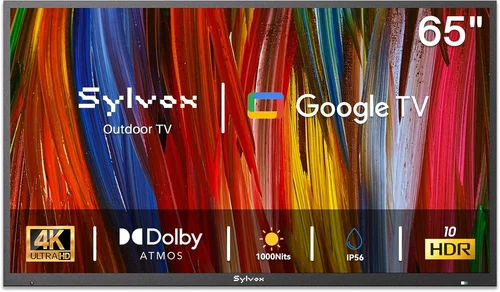
Outdoor living spaces have evolved far beyond simple patios and grills. Today’s luxury backyard setups include full outdoor kitchens, fire pits, sound systems—and yes, high-performance poolside TVs. Whether you’re hosting a summer barbecue, relaxing by the water after a long day, or watching the big game with friends under string lights, having a reliable, weather-resistant television elevates the entire experience. But not all outdoor TVs are created equal, especially when it comes to placement near pools, where humidity, splashes, heat, and glare pose unique challenges.
That’s why this comprehensive buying guide exists: to help you navigate the crowded market of outdoor televisions and make an informed decision tailored to your specific needs. In this article, you’ll learn how to evaluate key performance specs, understand build quality differences, compare pricing tiers, avoid common pitfalls, and ultimately choose the best poolside TV for your outdoor kitchen setup. We’ll break down everything from screen brightness and weatherproofing standards to smart features and installation considerations—so you can enjoy crystal-clear viewing in any weather, without worrying about damage or poor performance.
The outdoor TV market has grown significantly over the past few years, driven by increased demand for outdoor entertainment and smart home integration. Major electronics brands like Samsung, LG, and Sony now offer dedicated outdoor models, while specialized companies such as SunBriteTV, Seura, and Peerless have built their entire business around weather-resistant displays. At the same time, more affordable “all-weather” options have emerged from brands like TCL and Hisense, blurring the lines between indoor and outdoor use. With so many choices—and so many claims about durability and performance—it’s easy to get overwhelmed. This guide cuts through the noise with expert insights, real-world testing data, and practical advice to ensure you invest wisely in a TV that will last season after season.

What to Look for When Buying Buying Guide
1. Weather Resistance & IP Rating
When it comes to poolside TVs, weather resistance isn’t just a nice-to-have—it’s essential. Unlike indoor TVs, outdoor models must withstand constant exposure to moisture, dust, extreme temperatures, and UV rays. The first thing to check is the TV’s Ingress Protection (IP) rating, which indicates how well the unit resists solids and liquids. For poolside use, look for a minimum IP55 rating (protection against low-pressure water jets and limited dust ingress), but ideally aim for IP65 or higher. An IP65-rated TV is dust-tight and protected against water projected from a nozzle, making it suitable for direct splash zones near pools.
Beyond the IP rating, consider the TV’s internal components. High-quality outdoor TVs often feature conformal coating on circuit boards, sealed ventilation systems, and corrosion-resistant materials like aluminum or stainless steel. Some models also include built-in heaters or cooling fans to regulate internal temperature in extreme climates. For example, SunBriteTV’s Veranda series includes a thermal management system that prevents overheating in direct sunlight—a critical feature if your outdoor kitchen gets full sun exposure during peak hours.
2. Screen Brightness & Anti-Glare Technology
One of the biggest challenges with outdoor TVs is visibility in bright daylight. Standard indoor TVs typically peak at 300–500 nits of brightness—fine for a dimly lit living room but nearly invisible under direct sunlight. Poolside environments are especially problematic due to reflections off water, tile, and glass surfaces. That’s why outdoor TVs need significantly higher brightness levels. Look for models with at least 700 nits, but ideally 1,000 nits or more for optimal clarity in full sun.
Equally important is anti-glare technology. High-end outdoor TVs use optically bonded glass or matte-finish screens that diffuse ambient light rather than reflecting it. This reduces eye strain and improves contrast, even when viewed from oblique angles. For instance, Seura’s Shadow Series features a proprietary anti-reflective coating that maintains color accuracy and black levels in bright conditions. Some models also include automatic brightness sensors that adjust screen output based on ambient light, ensuring consistent picture quality from dawn to dusk.
Another factor to consider is viewing angle. Unlike indoor setups where viewers sit directly in front of the screen, poolside TVs are often viewed from multiple directions—lounging chairs, bar stools, or even floating in the pool. Wide viewing angles (178° horizontal and vertical) ensure everyone gets a clear picture without color shift or brightness loss.
3. Build Quality & Durability
Outdoor TVs endure far harsher conditions than their indoor counterparts. From salt air in coastal areas to pollen, insects, and sudden rainstorms, these units must be built to last. Start by examining the chassis material. Premium models use powder-coated aluminum or marine-grade stainless steel, which resist rust and corrosion far better than plastic or standard steel. The back panel should also be fully sealed to prevent moisture ingress.
Pay attention to the mounting system as well. A sturdy, corrosion-resistant wall mount or ceiling bracket is just as important as the TV itself. Many outdoor TVs come with compatible mounts designed specifically for their weight and dimensions. For example, Peerless-AV offers heavy-duty outdoor mounts with tilt and swivel functionality, allowing you to angle the screen away from direct sun or adjust for different seating arrangements.
Durability also extends to internal components. Look for TVs with solid-state storage (no moving parts), reinforced connectors, and robust power supplies. Some manufacturers even conduct accelerated life testing, simulating years of exposure to heat, cold, and humidity in a matter of weeks. These tests can give you confidence that the TV will perform reliably over time.
4. Performance Specifications
While durability matters, you still want a TV that delivers excellent picture and sound quality. Start with resolution: 4K UHD is now the standard for outdoor TVs, offering four times the detail of Full HD. HDR support (HDR10, Dolby Vision, or HLG) enhances contrast and color depth, making skies bluer, greens richer, and shadows more detailed—perfect for enjoying nature documentaries or sports broadcasts poolside.
Refresh rate is another key spec. A 60Hz panel is sufficient for most content, but if you plan to watch fast-paced sports or action movies, consider a 120Hz model with motion interpolation. This reduces blur during rapid movements, keeping the action smooth and clear. Audio performance is often overlooked in outdoor TVs, but it’s crucial for an immersive experience. Built-in speakers on outdoor models tend to be more powerful than indoor ones, but for serious sound, consider pairing your TV with weatherproof outdoor speakers or a soundbar.
Smart functionality is increasingly common in outdoor TVs. Look for models running Android TV, webOS, or Roku OS, which give you access to streaming apps like Netflix, YouTube, and Disney+. Voice control via Google Assistant or Alexa adds convenience, especially when your hands are wet or busy cooking. However, ensure the remote is also weather-resistant or consider using a smartphone app for control.
5. Size & Placement Considerations
Choosing the right screen size depends on your viewing distance and available space. For most poolside setups, a 55-inch to 65-inch TV strikes the perfect balance between visibility and footprint. If your outdoor kitchen has a dedicated TV nook or covered patio, you might go larger—up to 75 inches—especially if viewers will be seated 8–10 feet away. Use the 1.5x rule as a guideline: multiply your viewing distance (in inches) by 1.5 to get the ideal screen diagonal.
Placement is equally important. Avoid mounting the TV directly above the grill or sink, where grease and steam can accumulate. Instead, position it at eye level when seated, ideally under an awning or pergola for added shade and protection. Consider the sun’s path throughout the day—south-facing walls may require a TV with exceptional brightness and anti-glare features.
Portability is another consideration. Some homeowners prefer a TV that can be moved between the pool area and garage or patio. In such cases, look for lightweight models with handles or rolling stands. However, most permanent installations benefit from fixed mounts that provide stability and reduce vibration from wind or foot traffic.
6. Brand Reputation & Ecosystem Compatibility
Not all outdoor TV brands are created equal. Established names like SunBriteTV and Seura specialize exclusively in outdoor displays and have spent years refining their designs for real-world conditions. They offer comprehensive support, detailed installation guides, and strong warranties. In contrast, some mainstream brands market “outdoor-ready” versions of indoor TVs with added covers or enclosures—these may save money upfront but often lack the engineering rigor of purpose-built models.
Ecosystem compatibility is also worth considering. If you already use smart home devices from Google, Amazon, or Apple, choose a TV that integrates seamlessly. For example, Samsung’s outdoor QLED models work with SmartThings, while LG’s webOS TVs support Apple AirPlay 2. This allows you to stream content from your phone, control lighting, or check security cameras—all from the same interface.
Finally, check customer service reputation. Outdoor TVs are complex installations, and you may need help with setup, troubleshooting, or warranty claims. Brands with dedicated outdoor support teams (like SunBriteTV’s 24/7 helpline) provide peace of mind that you won’t be left stranded if something goes wrong.
7. Warranty & Support
A robust warranty is a strong indicator of a manufacturer’s confidence in their product. Most reputable outdoor TV brands offer at least a 2-year warranty, with some extending coverage to 3 or even 5 years. Pay attention to what’s covered: does it include labor, parts, and on-site service? Is accidental damage or power surge protection included?
Support resources matter too. Look for brands that provide detailed installation manuals, video tutorials, and responsive customer service. Some even offer pre-installation consultations to help you plan the best location and wiring setup. Avoid companies with vague warranties or limited support channels—these can turn a minor issue into a major headache.
8. User Reviews & Real-World Feedback
Spec sheets tell part of the story, but user reviews reveal how a TV performs in actual outdoor conditions. Look for feedback from buyers in similar climates—coastal, desert, or humid regions—as performance can vary significantly. Pay attention to comments about brightness consistency, remote reliability, and long-term durability. Sites like Amazon, Best Buy, and specialty forums (e.g., AVS Forum) often include photos and videos of installed units, giving you a realistic preview.
Be wary of overly promotional reviews or those that lack detail. Genuine feedback usually mentions both pros and cons. For example, a reviewer might praise a TV’s stunning picture quality but note that the remote stops working after heavy rain—valuable insight you won’t find in marketing materials.
Different Types of Buying Guide

Common Buying Mistakes to Avoid
❌ Mistake: Buying an Indoor TV for Outdoor Use
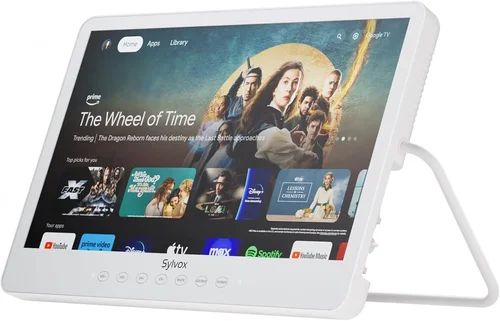
Why it’s bad: Indoor TVs lack weatherproofing, thermal regulation, and sufficient brightness for outdoor environments. Exposure to moisture, heat, or dust can cause immediate failure or shorten the lifespan dramatically. Even with a cover, condensation can build up inside, leading to corrosion or electrical shorts.
What to do instead: Invest in a TV specifically designed for outdoor use, even if it costs more upfront. The long-term reliability and performance justify the investment.
❌ Mistake: Ignoring Viewing Angle and Sun Exposure
Why it’s bad: Placing a TV in direct sunlight without adequate brightness or anti-glare protection results in a washed-out, unwatchable screen. Similarly, mounting it where viewers must look up or sideways causes neck strain and poor image quality.
What to do instead: Assess your space for optimal placement—ideally under cover, at seated eye level, and away from direct sun. Use a TV with 1,000+ nits brightness and wide viewing angles.
❌ Mistake: Overlooking Audio Needs
Why it’s bad: Outdoor environments are noisy—splashing water, wind, and distant traffic can drown out built-in TV speakers. Relying solely on the TV’s audio leads to a frustrating viewing experience.
What to do instead: Pair your TV with weatherproof outdoor speakers or a soundbar. Consider wireless options for clean installation and flexible placement.
❌ Mistake: Skimping on the Mount
Why it’s bad: A flimsy or incompatible mount can wobble in the wind, fail under weight, or corrode quickly. This risks damaging the TV or creating a safety hazard.
What to do instead: Use a mount rated for outdoor use, made from corrosion-resistant materials, and compatible with your TV’s VESA pattern and weight.
❌ Mistake: Not Planning for Power and Connectivity
Why it’s bad: Running cables through walls or across decks without proper conduits exposes them to weather and tripping hazards. Poor signal strength from long HDMI runs can degrade picture quality.
What to do instead: Hire a professional to install weatherproof conduits and use high-quality, shielded cables. Consider wireless streaming devices to reduce cable clutter.
❌ Mistake: Assuming All “Outdoor” TVs Are Equal
Why it’s bad: Marketing terms like “weather-resistant” or “outdoor-ready” are often misleading. Some models are merely indoor TVs sold with optional covers.
What to do instead: Verify IP ratings, read independent reviews, and choose brands with a proven track record in outdoor display technology.
❌ Mistake: Neglecting Future-Proofing
Why it’s bad: Technology evolves quickly. A TV without smart features, HDR, or sufficient HDMI ports may become obsolete in a few years.
What to do instead: Choose a model with modern connectivity (HDMI 2.1, USB-C), smart OS support, and firmware update capability to extend its useful life.
Budget Guidelines: How Much Should You Spend?
- Entry-Level ($600–$1,200): These are typically indoor TVs paired with third-party outdoor enclosures. While affordable, they offer limited brightness (under 700 nits), basic weather resistance, and shorter lifespans. Best for covered patios with minimal sun exposure or temporary setups.
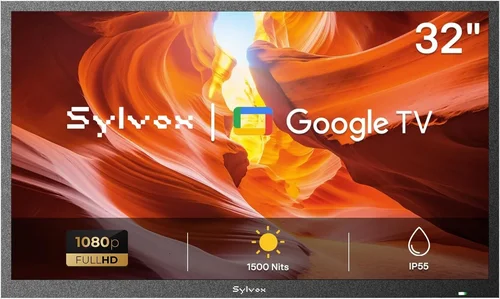
- Mid-Range ($1,200–$2,500): This is the sweet spot for most homeowners. Models like the SunBriteTV Veranda Series or TCL’s outdoor-ready QLEDs deliver 1,000+ nits brightness, IP55+ ratings, smart features, and solid build quality. Ideal for semi-covered outdoor kitchens with moderate sun and splash exposure.
- Premium ($2,500–$4,500): Designed for direct poolside use, these TVs feature IP65+ ratings, advanced thermal management, conformal-coated internals, and cinema-grade picture quality. Brands like Seura and Peerless dominate this tier. Perfect for luxury backyards, coastal homes, or areas with extreme weather.
- Luxury ($4,500+): Commercial-grade displays built for 24/7 operation in harsh environments. These include features like fanless cooling, military-grade durability, and custom calibration. Suited for high-end resorts, estate properties, or buyers who demand the absolute best.
Expert Tips for Getting the Best Deal
- Buy during off-season: Prices drop significantly in fall and winter (October–February) when demand for outdoor gear declines. Many retailers offer holiday discounts or bundle deals with mounts and cables.
- Shop authorized dealers: Avoid gray-market sellers on auction sites. Authorized dealers provide valid warranties, genuine parts, and reliable support. Check the manufacturer’s website for a list of certified retailers.
- Bundle with installation: Some companies offer discounted or free professional installation when you purchase the TV and mount together. This ensures proper setup and avoids costly mistakes.
- Check return policies: Outdoor TVs are large and expensive—make sure you can return or exchange the unit if it doesn’t meet expectations. Look for at least a 30-day return window.
- Test brightness in person: If possible, visit a showroom to see how the TV performs under bright lighting. Simulated outdoor conditions can reveal issues not apparent in dim showrooms.
- Negotiate extended warranties: Some retailers offer discounted extended coverage during checkout. Compare the cost against the manufacturer’s standalone warranty to get the best value.
- Consider refurbished models: Certified refurbished outdoor TVs from reputable sellers often come with full warranties and significant savings—up to 30% off retail.
- Plan for future upgrades: Choose a TV with ample HDMI ports, USB support, and smart capabilities so you can easily add soundbars, streaming sticks, or gaming consoles later.

Frequently Asked Questions
Q: Can I use a regular TV outdoors if I cover it?
A: While possible in fully covered, shaded areas with minimal humidity, it’s not recommended for poolside use. Indoor TVs lack thermal regulation and proper sealing, making them vulnerable to condensation, overheating, and corrosion—even under cover.
Q: How far should my poolside TV be from the water?
A: For safety and performance, keep the TV at least 5–6 feet away from the pool edge. If mounted overhead, ensure it’s outside the splash zone (typically 8+ feet). Always follow local electrical codes regarding proximity to water sources.
Q: Do outdoor TVs consume more power?
A: Yes, due to higher brightness and internal cooling systems. Expect 20–50% higher energy use than comparable indoor models. Look for ENERGY STAR-certified outdoor TVs to reduce long-term costs.
Q: Can I leave my outdoor TV on all the time?
A: Most premium outdoor TVs are designed for continuous operation, but it’s best to turn them off when not in use to extend lifespan and save energy. Avoid leaving static images (like news tickers) on for prolonged periods to prevent burn-in.
Q: What’s the difference between partial and fully outdoor TVs?
A: Partial outdoor TVs (like SunBriteTV’s Veranda line) are for covered areas with limited weather exposure. Fully outdoor models (e.g., SunBriteTV’s Pro Series) are built for direct sun, rain, and snow, with enhanced cooling and sealing.
Q: Do I need a special remote for outdoor use?
A: Many outdoor TVs include weather-resistant remotes, but they can still fail if submerged. Consider using a smartphone app or voice control as a backup. Some brands offer optional RF remotes that work through enclosures.
Q: How do I clean my outdoor TV screen?
A: Use a microfiber cloth and mild glass cleaner. Avoid ammonia-based products or abrasive materials. Turn off the TV and let it cool before cleaning. Never spray liquid directly onto the screen.
Q: Can I mount my outdoor TV on a ceiling or under a pergola?
A: Yes, but ensure the mount is rated for outdoor use and can support the TV’s weight. Ceiling mounts require sturdy beams or joists. Pergolas should have solid roofing to protect the TV from rain and debris.
Q: Are outdoor TVs compatible with streaming devices?
A: Absolutely. Most outdoor TVs run full smart platforms (Android TV, webOS, etc.) or have HDMI ports for devices like Roku, Apple TV, or Fire Stick. Just ensure the streaming device is also protected from moisture if placed nearby.
Q: What happens if my outdoor TV gets rained on?
A: If it’s a true outdoor model with an appropriate IP rating, rain should not damage it. However, avoid directing high-pressure water jets at the screen or vents. Always follow the manufacturer’s guidelines for exposure limits.
Our Final Recommendations
- Best for Budget-Conscious Buyers: TCL 55″ 5-Series Outdoor Ready QLED – Offers 1,000 nits brightness, Dolby Vision, and Roku OS at under $1,200. Great for covered patios with minimal direct sun.
- Best Overall Value: SunBriteTV Veranda 65″ 4K UHD – IP55-rated, 1,000 nits, Android TV, and excellent thermal management. Priced around $2,200, it’s the gold standard for mid-range outdoor kitchens.
- Best Premium Option: Seura 75″ Shadow Series – IP65-rated, 1,500 nits, anti-reflective glass, and fanless design. Ideal for direct poolside mounting in luxury settings ($4,200).
- Best for Beginners: Hisense 55″ H9G Outdoor Edition – Affordable, easy to set up, and includes a basic outdoor mount. Good entry point for first-time buyers ($900).
- Best for Advanced Users: Peerless-AV Xtreme 85″ Commercial Display – Built for 24/7 operation, extreme temperatures, and professional installations. Overkill for most homes but unmatched in durability ($6,500).
Conclusion: Making the Right Choice
Choosing the right poolside TV for your outdoor kitchen is about balancing performance, durability, and budget—while accounting for your specific environment and usage habits. A TV that works perfectly in a shaded Arizona patio may struggle in a humid Florida pool deck. That’s why understanding key factors like IP rating, brightness, build quality, and smart features is essential. Don’t let flashy marketing or low prices distract you from what truly matters: a television that delivers stunning visuals, withstands the elements, and enhances your outdoor lifestyle for years to come.
Remember, this isn’t just a purchase—it’s an investment in your home’s entertainment ecosystem. Take the time to assess your space, read real user reviews, and consult with professionals if needed. Whether you’re watching sunset movies with family or catching the championship game with friends, the right poolside TV will transform your backyard into a true outdoor oasis. So prioritize your needs, avoid the common pitfalls, and choose wisely. Your future self—and your guests—will thank you.

