
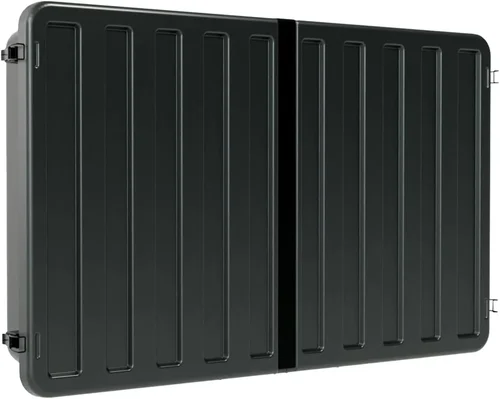
Outdoor football viewing has evolved from a backyard novelty into a full-fledged entertainment experience. Whether you’re hosting a tailgate party, setting up a permanent outdoor entertainment zone, or simply want to catch the big game while grilling in your patio, a weatherproof TV is no longer a luxury—it’s a necessity. But with so many options flooding the market, choosing the right one can feel overwhelming. That’s where this comprehensive buyer’s guide comes in.
This guide is designed for anyone serious about outdoor football viewing—from weekend warriors to dedicated sports fans who refuse to miss a single play, rain or shine. We’ll walk you through every critical factor you need to consider, from durability and brightness to smart features and budget. You’ll learn how to distinguish between marketing hype and real performance, understand the different types of weatherproof TVs available, and avoid common pitfalls that cost buyers time and money. By the end, you’ll have the confidence to make an informed decision tailored to your specific needs, space, and viewing habits.
The outdoor TV market has matured significantly over the past decade. Once dominated by bulky, expensive specialty models, it now includes a wide range of options—from budget-friendly enclosures to fully integrated, all-weather smart TVs. Brands like Samsung, LG, Sony, and specialized players like SunBriteTV and Seura have pushed innovation forward, offering brighter displays, better temperature regulation, and improved resistance to moisture, dust, and UV exposure. With football season stretching from late summer through winter, and games often played in unpredictable weather, investing in a TV built for the outdoors ensures your setup lasts for years—not just one season.

What to Look for When Buying Buying Guide
1. Weather Resistance Rating (IP Rating)
One of the most critical factors when choosing a weatherproof TV is its Ingress Protection (IP) rating. This two-digit code tells you exactly how well the TV resists dust and water. The first digit ranges from 0 to 6 and measures protection against solid particles like dust and debris. The second digit ranges from 0 to 8 and indicates resistance to liquids, including rain, splashes, and even temporary submersion.
For outdoor use—especially during football games where sudden downpours are common—you’ll want a minimum IP55 rating. This means the TV is protected against dust (limited ingress) and low-pressure water jets from any direction. However, for maximum peace of mind, especially in areas with heavy rain or snow, aim for IP65 or higher. An IP65-rated TV is dust-tight and can withstand powerful water jets, making it ideal for year-round outdoor use.
Don’t confuse IP ratings with “weatherproof” marketing claims. Many manufacturers label their TVs as “weather-resistant” without providing an official IP rating. Always verify the IP code in the product specifications. For example, a TV marketed as “all-weather” but lacking an IP rating may only be suitable for covered patios, not open decks or rooftops.
2. Display Brightness and Anti-Glare Technology
Outdoor visibility is one of the biggest challenges for any TV used outside. Sunlight, reflections, and ambient light can wash out even the most vibrant indoor displays. For football games—especially those played in the afternoon or early evening—brightness is non-negotiable. Look for a TV with a minimum brightness of 700 nits, but ideally 1,000 nits or higher. This ensures the screen remains clear and watchable even under direct sunlight.
Equally important is anti-glare technology. Many weatherproof TVs feature optically bonded glass or anti-reflective coatings that reduce glare from the sun or nearby lights. These coatings scatter light rather than reflecting it, preserving image clarity. Some premium models even include automatic brightness sensors that adjust the screen’s output based on ambient lighting conditions, ensuring optimal visibility whether it’s a sunny Saturday afternoon or a dimly lit night game.
OLED TVs, while stunning indoors, often struggle outdoors due to lower peak brightness and susceptibility to burn-in under constant static elements like scoreboards. For outdoor football viewing, QLED or high-brightness LED/LCD panels are generally better choices. They offer higher luminance and better durability under prolonged exposure to sunlight.
Also consider the screen’s viewing angle. Football fans often gather in groups, so a wide viewing angle (at least 178 degrees) ensures everyone gets a clear view, even from the sides. Some outdoor TVs use advanced panel technologies like IPS (In-Plane Switching) to maintain color accuracy and contrast across wider angles.
3. Temperature Tolerance and Internal Cooling
Outdoor environments expose electronics to extreme temperature swings—scorching summer heat, freezing winter nights, and everything in between. A weatherproof TV must be engineered to handle these fluctuations without overheating or freezing. Most quality outdoor TVs are designed to operate safely between -22°F and 122°F (-30°C to 50°C), though some high-end models can go even lower or higher.
Internal cooling and heating systems are essential. Passive cooling (heat sinks and ventilation) works well in moderate climates, but active systems—like built-in fans or thermoelectric coolers—are better for extreme conditions. These systems regulate internal temperature, preventing shutdowns during hot summer days or sluggish performance in cold weather. Some models even include automatic thermal management that adjusts fan speed based on internal temperature sensors.
Be cautious of TVs that rely solely on passive cooling in hot climates. Without active airflow, internal components can overheat, leading to reduced lifespan or sudden shutdowns mid-game. Similarly, in cold regions, look for TVs with internal heaters that warm the display and electronics to ensure quick startup and smooth operation.
Additionally, consider the TV’s placement. Even with robust temperature tolerance, avoid installing it in direct sunlight for extended periods unless it’s specifically rated for full sun exposure. A shaded or partially covered area will extend the TV’s life and improve performance.
4. Build Quality and Materials
The physical construction of a weatherproof TV determines how well it withstands the elements over time. Look for models with powder-coated aluminum or stainless-steel frames, which resist rust, corrosion, and UV degradation. Avoid plastic enclosures unless they’re made from high-grade, UV-stabilized polymers—standard plastics can become brittle and crack under prolonged sun exposure.
The screen itself should be protected by tempered or laminated glass, which is more resistant to scratches, impacts, and thermal stress. Some premium models use optically clear glass that enhances brightness and reduces reflections, while others incorporate a protective film layer to prevent shattering.
Sealing is another critical aspect. All ports, vents, and joints should be tightly sealed with gaskets or silicone to prevent moisture and dust ingress. Check for reinforced cable entry points and waterproof connectors, especially if you plan to run HDMI or power cables through walls or conduits.
Mounting hardware should also be weather-resistant. Many outdoor TVs come with compatible wall or ceiling mounts made from corrosion-resistant materials. If not included, ensure the mount you choose is rated for outdoor use and can support the TV’s weight and size.
Finally, consider the TV’s weight and portability. While most outdoor TVs are designed for permanent installation, some models are lighter and easier to move—ideal for renters or those who want flexibility. However, heavier units often indicate sturdier construction and better thermal mass, which can improve temperature stability.
5. Smart Features and Connectivity
Modern outdoor TVs aren’t just about durability—they’re also packed with smart features that enhance the viewing experience. Look for models with built-in Wi-Fi, Bluetooth, and support for popular streaming platforms like Netflix, YouTube, Hulu, and ESPN+. This allows you to stream live games, highlights, and analysis without needing an external device.
Voice control compatibility (via Alexa, Google Assistant, or Siri) is a valuable addition, especially when your hands are full with snacks or drinks. Some TVs even include far-field microphones for hands-free operation from across the patio.
Connectivity options are crucial for football fans. Ensure the TV has multiple HDMI ports (at least two, preferably three), USB ports for media playback, and an Ethernet port for a stable wired connection. If you plan to connect a soundbar, gaming console, or streaming stick, having enough ports prevents constant swapping.
Some outdoor TVs come with built-in tuners for over-the-air (OTA) broadcasts, allowing you to watch local games in high definition without a cable subscription. This is especially useful for catching regional matchups or playoff games not available on national networks.
Software updates are another consideration. Choose a brand with a track record of regular firmware updates, which can improve performance, add new features, and patch security vulnerabilities. Avoid TVs with outdated operating systems or limited app support, as they may become obsolete quickly.
6. Audio Quality and External Speaker Support
While picture quality grabs most of the attention, audio is equally important for an immersive football experience. Cheers, commentary, and the roar of the crowd lose impact if the sound is tinny or muffled. Unfortunately, many outdoor TVs have limited built-in speakers due to space and weatherproofing constraints.
Look for models with at least 10W of total audio output, but ideally 20W or more. Some premium TVs include enhanced audio technologies like Dolby Audio, DTS:X, or virtual surround sound to create a more dynamic listening experience. However, for the best results, consider pairing your TV with external weatherproof speakers or a soundbar.
Many outdoor TVs support Bluetooth audio output, allowing you to connect wireless speakers or headphones. This is great for late-night games when you don’t want to disturb neighbors. For wired setups, check for audio output options like optical (TOSLINK), 3.5mm jack, or HDMI ARC (Audio Return Channel), which simplifies connecting to external audio systems.
If you’re building a full outdoor entertainment system, consider a TV with multi-room audio support or compatibility with smart home ecosystems. This lets you sync audio across multiple zones—perfect for large gatherings where guests are spread out across the yard.
7. Brand Reputation and Reliability
Not all weatherproof TVs are created equal, and brand reputation plays a significant role in long-term satisfaction. Established brands like Samsung, LG, and Sony have extensive experience in display technology and offer reliable customer support. However, specialized outdoor TV manufacturers like SunBriteTV, Seura, and Aviprox are often better suited for harsh environments, as they design their products from the ground up for outdoor use.
Research customer reviews and professional ratings on trusted sites like CNET, Wirecutter, or Consumer Reports. Pay attention to comments about durability, customer service, and real-world performance in outdoor settings. A TV that performs well in a controlled review environment may fail in your backyard due to unique climate conditions.
Also consider the brand’s history with outdoor products. Some companies offer only indoor TVs in weatherproof enclosures, which can lead to overheating or reduced lifespan. True outdoor TVs are engineered with sealed components, enhanced cooling, and UV-resistant materials—features that generic enclosures often lack.
Finally, check the availability of replacement parts and service centers in your area. A TV with a great warranty is less valuable if you can’t get it repaired locally. Brands with strong service networks ensure faster turnaround times and better long-term support.
8. Warranty and Support
A weatherproof TV is a significant investment, so a solid warranty is essential. Most reputable brands offer at least a one-year limited warranty, but outdoor-specific models often come with extended coverage—sometimes up to three years. Look for warranties that cover both parts and labor, and check whether they include on-site service or require you to ship the unit back.
Some manufacturers offer enhanced warranties for outdoor use, which may include protection against weather-related damage, such as corrosion or water ingress. These are especially valuable if you live in a harsh climate. Be sure to read the fine print: some warranties exclude damage from improper installation or extreme weather events.
Customer support quality varies widely. Test the brand’s responsiveness by calling or emailing their support team with a question before purchasing. A helpful, knowledgeable support staff can save you hours of frustration if issues arise. Online resources like user manuals, installation guides, and FAQs are also indicators of a company’s commitment to customer satisfaction.
Finally, consider extended warranty options or protection plans offered by retailers. While these can add to the upfront cost, they may be worthwhile for high-end models or if you plan to keep the TV for many years.
Different Types of Buying Guide
Common Buying Mistakes to Avoid
❌ Mistake: Assuming All “Outdoor” TVs Are Created Equal
Why it’s bad: Many retailers market indoor TVs as “outdoor-ready” simply because they come with a weatherproof cover. These setups often lack proper ventilation, leading to overheating, and the covers can trap moisture, causing corrosion. True outdoor TVs are engineered with sealed components, enhanced cooling, and UV-resistant materials.
What to do instead: Verify the TV’s IP rating and look for models specifically designed for outdoor use. Check if the manufacturer offers an outdoor warranty and whether the TV includes active cooling or heating systems.
❌ Mistake: Ignoring Brightness Requirements
Why it’s bad: A TV with low brightness (under 500 nits) will appear washed out in daylight, making it difficult to see player numbers, the ball, or the scoreboard during daytime games. This ruins the viewing experience and forces you to watch in the shade or at night.
What to do instead: Choose a TV with at least 700 nits of brightness, but aim for 1,000+ nits for full sun exposure. Look for anti-glare coatings and automatic brightness adjustment features.
❌ Mistake: Overlooking Audio Needs
Why it’s bad: Most outdoor TVs have weak built-in speakers that can’t compete with ambient noise like wind, traffic, or crowd chatter. This makes it hard to hear commentary, referee calls, or the excitement of the game.
What to do instead: Plan for external audio from the start. Invest in weatherproof speakers or a soundbar with Bluetooth or wired connectivity. Consider multi-room audio systems for larger gatherings.
❌ Mistake: Skimping on Installation
Why it’s bad: Improper mounting can lead to water ingress, electrical hazards, or even the TV falling during high winds. DIY installations without proper sealing or grounding can void warranties and create safety risks.
What to do instead: Hire a certified installer or follow the manufacturer’s guidelines precisely. Use waterproof conduits for cables, ensure proper grounding, and choose a mount rated for outdoor use and the TV’s weight.
❌ Mistake: Not Considering Long-Term Maintenance
Why it’s bad: Outdoor TVs require regular cleaning and inspection to maintain performance. Dust, pollen, and bird droppings can accumulate on the screen and vents, reducing brightness and airflow. Neglecting maintenance shortens the TV’s lifespan.
What to do instead: Clean the screen weekly with a microfiber cloth and mild cleaner. Inspect seals and vents monthly for debris. Schedule professional servicing every 1–2 years, especially in harsh climates.
❌ Mistake: Buying Based on Price Alone
Why it’s bad: The cheapest option often lacks essential features like adequate brightness, cooling, or weather resistance. You may end up replacing it after one season, costing more in the long run.
What to do instead: Set a realistic budget based on your needs and location. Prioritize durability and performance over upfront savings. Consider total cost of ownership, including installation and potential repairs.
❌ Mistake: Forgetting About Power and Connectivity
Why it’s bad: Running power and HDMI cables outdoors without proper protection can lead to electrical shorts, signal loss, or tripping hazards. Many buyers underestimate the complexity of outdoor wiring.
What to do instead: Use outdoor-rated cables and conduits. Install GFCI outlets for safety. Plan cable routes during installation to avoid damage from weather or foot traffic.
Budget Guidelines: How Much Should You Spend?
Entry-Level ($800 – $1,500): This tier includes indoor TVs in basic weatherproof enclosures or low-cost partial-sun models. Expect brightness around 500–700 nits, limited smart features, and passive cooling. Best for covered patios or occasional use. Examples: Vizio or TCL TVs in third-party enclosures.
Mid-Range ($1,500 – $2,500): The sweet spot for most buyers. These TVs offer 700–1,000 nits brightness, IP55 or higher ratings, active cooling, and full smart functionality. Ideal for semi-covered areas or regions with moderate weather. Examples: SunBriteTV Veranda series, Samsung The Terrace (partial sun model).
Premium ($2,500 – $4,000): Designed for full sun exposure and extreme conditions. Features include 1,000+ nits brightness, IP65+ ratings, advanced thermal management, and premium audio. Perfect for open decks, rooftops, or coastal areas. Examples: SunBriteTV Pro series, Seura Outdoor TVs.
Luxury ($4,000+): Top-tier models with commercial-grade durability, 24/7 operation capability, and custom installation options. Often used in bars, stadiums, or high-end homes. Includes features like modular designs, remote monitoring, and extended warranties. Examples: Aviprox commercial displays, custom-built outdoor systems.
Expert Tips for Getting the Best Deal
- Buy during off-season: Prices drop significantly in late winter and early spring, after the holiday rush and before summer demand peaks. Look for clearance sales in February and March.
- Check manufacturer rebates: Brands like Samsung and SunBriteTV often offer seasonal rebates or bundle deals with mounts and speakers.
- Compare retailers: Online stores like Amazon, Best Buy, and specialty outdoor tech retailers may have different pricing and return policies. Read reviews for shipping and customer service.
- Negotiate installation: Some retailers offer free or discounted installation with purchase. Ask about package deals that include mounting, cabling, and setup.
- Consider refurbished models: Certified refurbished outdoor TVs from reputable sellers can save 20–30% off retail price and often come with the same warranty.
- Read the return policy: Ensure you can return the TV if it doesn’t perform as expected outdoors. Some retailers have strict restocking fees or short return windows.
- Test before finalizing: If possible, visit a showroom or ask for a demo unit. Check brightness, sound, and ease of use in conditions similar to your setup.
- Invest in surge protection: Outdoor electronics are vulnerable to lightning and power surges. Use a high-quality outdoor surge protector to safeguard your investment.

Frequently Asked Questions
Q: Can I use a regular TV outside if I cover it?
A: While possible, it’s not recommended for long-term use. Indoor TVs lack proper sealing, cooling, and UV protection. Enclosures can trap heat and moisture, leading to premature failure. For reliable outdoor performance, choose a TV designed for outdoor use.
Q: How do I clean my weatherproof TV?
A: Use a soft, lint-free microfiber cloth and a mild, non-abrasive cleaner. Avoid ammonia-based products or paper towels, which can scratch the screen. Gently wipe the surface and dry immediately. Clean vents and seals with a dry brush to prevent dust buildup.
Q: Will my outdoor TV work in the rain?
A: Yes, if it has an IP55 or higher rating. These TVs are designed to withstand rain, snow, and splashes. However, avoid directing high-pressure water jets at the screen or ports.
Q: Can I leave my outdoor TV on all the time?
A: Most outdoor TVs are built for continuous operation, but check the manufacturer’s guidelines. Some models include energy-saving modes or automatic shutoff timers to reduce wear.
Q: Do I need a special mount for an outdoor TV?
A: Yes. Use a mount rated for outdoor use and capable of supporting the TV’s weight. Ensure it’s corrosion-resistant and properly sealed where it attaches to the wall.
Q: How long do weatherproof TVs last?
A: With proper care, most last 7–10 years. Factors like climate, usage, and maintenance affect lifespan. Premium models with commercial-grade components may last even longer.
Q: Can I stream live football games on an outdoor TV?
A: Absolutely. Most smart outdoor TVs support streaming apps like ESPN+, YouTube TV, Hulu + Live TV, and NFL+. Ensure a strong Wi-Fi or Ethernet connection for smooth playback.
Q: What’s the difference between partial sun and full sun models?
A: Partial sun TVs are for shaded or covered areas and typically have lower brightness (500–700 nits). Full sun models are for direct sunlight and require 1,000+ nits brightness and enhanced cooling.
Q: Are outdoor TVs energy efficient?
A: Many modern models are ENERGY STAR certified and include power-saving features like automatic brightness adjustment and sleep timers. However, higher brightness and cooling systems may increase energy use.
Q: Can I use my outdoor TV in winter?
A: Yes, if it’s rated for low temperatures. Look for models with internal heaters and operating ranges down to -22°F or lower. Avoid turning on the TV immediately after exposure to extreme cold—let it acclimate first.
Our Final Recommendations
Best for Budget-Conscious Buyers: SunBriteTV Veranda Series (55-inch) – Offers excellent value with 700 nits brightness, IP55 rating, and full smart features at under $2,000. Ideal for covered patios and moderate climates.
Best Overall Value: Samsung The Terrace (65-inch, Partial Sun) – Combines Samsung’s reliable smart platform with outdoor durability, 700 nits brightness, and sleek design. Great for most backyard setups.
Best Premium Option: SunBriteTV Pro Series (75-inch) – Built for full sun exposure with 1,500 nits brightness, IP65 rating, and advanced thermal management. Perfect for open decks and extreme weather.
Best for Beginners: Seura Outdoor TV (50-inch) – User-friendly interface, easy installation, and strong customer support. A great entry point for first-time outdoor TV buyers.
Best for Advanced Users: Aviprox Commercial Outdoor Display (86-inch) – Designed for 24/7 operation with modular components, remote monitoring, and custom mounting. Ideal for large venues or tech-savvy homeowners.
Conclusion: Making the Right Choice
Choosing the right weatherproof TV for outdoor football games is about balancing performance, durability, and budget. It’s not just about surviving the elements—it’s about enhancing your game-day experience with crystal-clear visuals, immersive sound, and reliable operation year after year. By focusing on key factors like IP rating, brightness, temperature tolerance, and smart features, you can find a TV that meets your specific needs and environment.
Remember, the best TV for your neighbor might not be the best for you. Consider your climate, viewing habits, and installation space. Don’t rush the decision—take time to research, compare models, and read real user reviews. And when in doubt, consult with a professional installer who understands outdoor electronics.
Investing in a quality weatherproof TV transforms your outdoor space into a true entertainment hub. Whether you’re hosting a Super Bowl party or catching a Thursday night matchup under the stars, the right TV ensures you never miss a moment of the action. So gear up, set up, and get ready to enjoy football like never before—rain or shine, day or night.

