
Outdoor living spaces have evolved far beyond simple patios and basic grilling stations. Today’s homeowners are transforming their backyards into fully functional entertainment zones—complete with outdoor kitchens, fire pits, sound systems, and yes, even high-quality televisions. Whether you’re relaxing under a pergola on a warm summer evening or hosting a game night with friends, having a reliable TV outdoors can elevate your experience significantly. But not all TVs are built to withstand the elements. Standard indoor models simply won’t cut it when exposed to sunlight, humidity, rain, or temperature swings. That’s why choosing the right outdoor TV is critical—not just for performance, but for safety, longevity, and value.
This comprehensive buying guide is designed to help you navigate the often-confusing world of outdoor televisions, specifically those ideal for patios and pergolas. We’ll walk you through everything you need to know—from understanding key technical specifications to avoiding common pitfalls that could cost you time and money. By the end of this article, you’ll be equipped with expert-level knowledge to make a confident, informed decision. Whether you’re looking for a budget-friendly option or a premium model with all the bells and whistles, we’ve got you covered.
The market for outdoor TVs has grown rapidly in recent years, driven by increased demand for outdoor entertainment and smart home integration. Major brands like Samsung, LG, Sony, and specialized companies such as SunBriteTV and Seura now offer dedicated outdoor models. These aren’t just regular TVs shoved into weatherproof boxes—they’re engineered from the ground up to perform reliably in challenging environments. With options ranging from fully weatherproof “all-season” models to more affordable “partial sun” units, there’s something for nearly every setup and budget. Let’s dive into what truly matters when selecting the best outdoor TV for your patio or pergola.

What to Look for When Buying Buying Guide
1. Weather Resistance & IP Rating
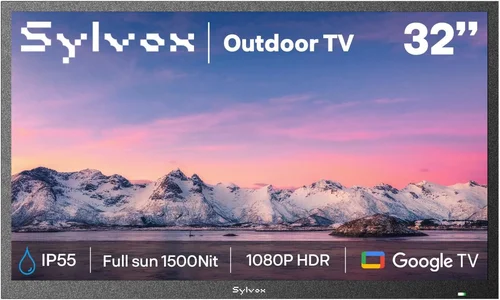
When it comes to outdoor TVs, weather resistance isn’t optional—it’s essential. Unlike indoor models, outdoor TVs must endure rain, snow, dust, humidity, and extreme temperatures without failing. The first thing to check is the TV’s Ingress Protection (IP) rating, which indicates how well the unit resists solid particles (like dust) and liquids (like rain). For patios and pergolas—especially those that are partially covered—you’ll want at least an IP55 rating, meaning the TV is protected against dust ingress and low-pressure water jets from any direction. If your TV will be fully exposed to the elements (e.g., under a simple awning or in an open-air structure), aim for IP65 or higher.
Beyond the IP rating, consider the TV’s internal components. True outdoor TVs use sealed cooling systems, corrosion-resistant materials, and thermal management to prevent overheating in summer or freezing in winter. Some models even include built-in heaters for cold climates. Avoid “outdoor enclosures” that house standard indoor TVs—these often trap heat, reduce picture quality due to glass glare, and can void warranties. Instead, opt for purpose-built outdoor models designed from the ground up for exterior use.
2. Brightness & Anti-Glare Display
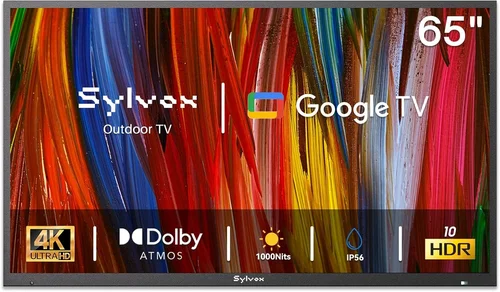
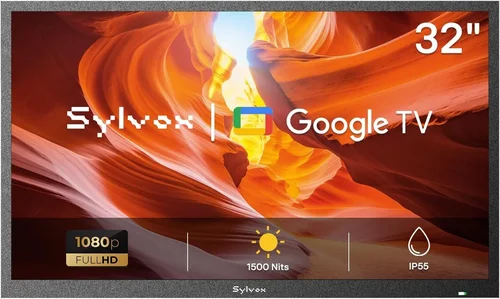
One of the biggest challenges with outdoor viewing is ambient light. Even under a pergola, sunlight reflecting off surfaces can wash out the screen, making it difficult to see details—especially during daytime hours. That’s why brightness, measured in nits, is arguably the most important spec for an outdoor TV. While indoor TVs typically range from 300 to 600 nits, outdoor models should deliver at least 700 nits, with many premium options exceeding 1,500 nits. Higher brightness ensures the image remains vivid and clear even in direct sunlight.
Equally important is anti-glare technology. Look for TVs with optically bonded screens and anti-reflective coatings. These features minimize glare from windows, water features, or nearby lighting, preserving contrast and color accuracy. Some manufacturers also use direct-lit LED backlighting instead of edge-lit systems, which provides more uniform brightness across the entire screen. Avoid TVs with glossy finishes unless they explicitly state high brightness and anti-glare capabilities—otherwise, you’ll be squinting at your own reflection instead of enjoying your favorite show.
3. Size & Viewing Distance
Choosing the right screen size isn’t just about aesthetics—it directly impacts your viewing experience. For patios and pergolas, common sizes range from 43 inches to 75 inches, though larger models are available. A good rule of thumb is to sit at a distance equal to 1.5 to 2.5 times the diagonal screen size. For example, a 55-inch TV is ideal for seating 6.9 to 11.5 feet away. Measure your space carefully, accounting for furniture layout, sightlines, and potential obstructions like posts or railings.
Don’t forget to consider mounting options. Most outdoor TVs support VESA-compatible wall mounts, but ensure your pergola or patio wall can support the weight and that cables can be routed safely. Ceiling mounts are also popular for pergolas, offering a clean, unobstructed view. If space is tight, consider ultra-thin models or those with slim bezels to maximize screen real estate without overwhelming the area. And remember: bigger isn’t always better—oversized screens can look awkward in smaller spaces and may require brighter lighting to maintain image quality.
4. Smart Features & Connectivity
Modern outdoor TVs aren’t just about picture quality—they’re also hubs for streaming, gaming, and smart home integration. Most models come with built-in Wi-Fi and support popular platforms like Android TV, webOS (LG), Tizen (Samsung), or Roku TV. This allows you to access Netflix, YouTube, Disney+, and other services directly without needing an external streaming device. Check for voice control compatibility (Google Assistant, Alexa) and app ecosystems that suit your preferences.
Connectivity is another key factor. Ensure the TV has enough HDMI ports (at least two, preferably three or more) for devices like soundbars, gaming consoles, or cable boxes. Look for USB ports for media playback, Ethernet for wired internet (more stable than Wi-Fi outdoors), and Bluetooth for wireless audio. Some premium models include weatherproof input covers to protect ports from moisture when not in use. If you plan to use a soundbar or external speakers, verify audio output options like optical or ARC (Audio Return Channel).
5. Audio Quality & Sound Solutions
While picture quality gets most of the attention, sound is equally important for an immersive outdoor experience. Unfortunately, many outdoor TVs have limited built-in speakers due to space and weatherproofing constraints. Audio output is often tinny or lacks bass, especially in open-air environments where sound dissipates quickly. If audio matters to you—and it should—consider pairing your TV with an outdoor soundbar or weather-resistant speaker system.
Look for TVs with decent built-in audio (at least 10W per channel) and support for external audio outputs. Some models include digital optical audio out or HDMI ARC, making it easy to connect to a soundbar. For larger spaces, wireless outdoor speakers with long-range connectivity (like Sonos Move or Bose SoundLink) can provide rich, room-filling sound. Avoid relying solely on the TV’s speakers unless you’re only watching casual content at close range. Investing in good audio enhances movies, sports, and music far more than a slightly larger screen ever could.
6. Build Quality & Durability
Outdoor TVs face harsher conditions than their indoor counterparts, so build quality is non-negotiable. Look for ruggedized casings made from aluminum or powder-coated steel that resist rust, UV degradation, and physical damage. Internal components should be sealed against moisture and dust, with no exposed vents that could allow water ingress. Check for reinforced glass or acrylic screens that won’t crack under thermal stress or impact.
Durability also extends to the remote control and mounting hardware. Many outdoor TVs include weatherproof remotes with rubberized coatings and long-range IR or RF signals that work through glass or light barriers. Mounts should be corrosion-resistant and rated for outdoor use—avoid cheap plastic or untreated metal brackets. Read user reviews to see how units hold up over time; some brands offer better long-term reliability than others, even within the same price range.
7. Brand Reputation & Ecosystem Compatibility
Not all outdoor TV brands are created equal. Established names like Samsung, LG, and Sony bring decades of display expertise and strong customer support, but their outdoor models can be pricey. Specialized brands like SunBriteTV (now part of SkyVue) and Seura focus exclusively on outdoor displays and often offer superior weatherproofing and brightness. Research each brand’s track record for reliability, software updates, and service availability in your region.
Also consider ecosystem compatibility. If you already own smart home devices (lights, thermostats, cameras), choose a TV that integrates seamlessly. For example, Samsung TVs work well with SmartThings, while LG’s webOS supports Google Home and Alexa. Some outdoor TVs even double as digital signage or security monitors, offering added functionality. Avoid obscure brands with no service network—you don’t want to be stuck with a broken TV and no repair options.
8. Warranty & Support
A solid warranty is your safety net when investing in an outdoor TV. Most reputable manufacturers offer at least a one-year limited warranty, but premium models often include two or three years of coverage. Pay attention to what’s covered: does it include labor, parts, and on-site service? Is accidental damage or weather-related failure included? Some brands offer extended warranties specifically for outdoor use.
Customer support matters too. Can you reach a human quickly? Are replacement parts readily available? Do they provide installation guides or certified installer networks? Brands with strong U.S.-based support (like SunBriteTV) tend to resolve issues faster than those relying on overseas centers. Before buying, check forums and review sites for real-world experiences with repairs and returns. A great TV is useless if you can’t get help when something goes wrong.
Different Types of Buying Guide

Common Buying Mistakes to Avoid
❌ Mistake: Buying a Standard Indoor TV for Outdoor Use
Why it’s bad: Indoor TVs lack weatherproofing, thermal management, and sufficient brightness for outdoor environments. Exposure to moisture can cause electrical shorts, while heat buildup may damage internal components. Even under a pergola, humidity and temperature swings can shorten the TV’s lifespan dramatically.
What to do instead: Invest in a purpose-built outdoor TV or use a certified outdoor enclosure designed for your specific model. Never assume an indoor TV will “work fine” outside—it’s a recipe for failure and potential safety hazards.
❌ Mistake: Ignoring Brightness Requirements
Why it’s bad: A dim screen looks washed out in daylight, forcing you to watch only at night. Many buyers regret choosing a TV with less than 700 nits, especially if their patio gets afternoon sun.
What to do instead: Prioritize brightness (aim for 1,000+ nits for pergolas) and look for anti-glare coatings. Test the TV in similar lighting conditions if possible, or rely on verified reviews from users in sunny climates.
❌ Mistake: Overlooking Audio Needs
Why it’s bad: Poor sound ruins the experience, especially during movies or live sports. Built-in speakers on outdoor TVs are often inadequate for open spaces.
What to do instead: Budget for a weather-resistant soundbar or wireless speaker system from day one. Consider models with audio output options and plan speaker placement during installation.
❌ Mistake: Choosing the Wrong Size for the Space
Why it’s bad: An oversized TV overwhelms a small patio, while a tiny screen strains the eyes from a distance. Both scenarios lead to dissatisfaction.
What to do instead: Use the 1.5x to 2.5x viewing distance rule. Measure your space, sketch a layout, and consult size charts before buying. When in doubt, go slightly smaller—you can always move closer.
❌ Mistake: Skipping the Warranty Check
Why it’s bad: Outdoor TVs are expensive, and repairs can be costly. A weak warranty leaves you vulnerable to unexpected failures.
What to do instead: Read the fine print. Choose brands with at least a 2-year warranty and clear coverage for weather-related issues. Consider extended protection plans if available.
❌ Mistake: Assuming All “Outdoor” TVs Are Equal
Why it’s bad: Some manufacturers label indoor TVs as “outdoor-ready” with minimal modifications. These often lack true weatherproofing and brightness.
What to do instead: Verify IP ratings, brightness specs, and whether the TV is engineered for outdoor use—not just marketed as such. Stick to reputable brands with proven outdoor models.
❌ Mistake: Neglecting Cable Management
Why it’s bad: Exposed wires are unsightly, unsafe, and prone to damage from weather or pests.
What to do instead: Plan cable routing during installation. Use weatherproof conduit, cable raceways, or in-wall solutions. Choose TVs with rear cable channels or input covers for a clean look.
Budget Guidelines: How Much Should You Spend?
Entry-Level ($800 – $1,500): This tier includes partial sun models ideal for covered patios and pergolas. Expect brightness around 700–1,000 nits, basic smart features, and decent build quality. Brands like Seura and some Samsung outdoor lines offer reliable options here. Perfect for casual viewers who prioritize affordability over extreme performance.
Mid-Range ($1,500 – $3,000): The sweet spot for most buyers. These TVs deliver 1,000–1,500 nits, robust weatherproofing (IP55+), advanced smart platforms, and better audio. Models from SunBriteTV and premium LG/Samsung outdoor series fall here. Ideal for regular use, movie nights, and sports viewing in moderately lit outdoor spaces.
Premium ($3,000 – $5,000): For enthusiasts and those with full sun exposure. Expect 1,500+ nits, all-season durability, thermal management, and top-tier smart features. These TVs often include professional installation support and extended warranties. Great for large patios, pool areas, or high-end outdoor theaters.
Luxury ($5,000+): Top-tier models with cutting-edge tech—think transparent displays, ultra-thin designs, integrated sound systems, and custom finishes. Brands like Seura’s Verona series or SkyVue’s flagship units offer these. Best for luxury homes, commercial installations, or those who want the absolute best regardless of cost.
Expert Tips for Getting the Best Deal
- Buy during off-seasons: Prices drop in late fall and winter when demand for outdoor gear slows. Look for Black Friday, Cyber Monday, or end-of-year clearance sales.
- Shop at authorized retailers: Avoid third-party sellers on marketplaces. Buy directly from brand websites or certified dealers to ensure warranty validity and authentic products.
- Bundle with accessories: Some retailers offer discounts when you purchase a TV with a mount, soundbar, or extended warranty. Compare total package costs.
- Check for rebates: Utility companies or local governments sometimes offer energy-efficiency rebates for outdoor electronics. It’s rare but worth researching.
- Read long-term reviews: Focus on reviews from users who’ve owned the TV for 6+ months. Initial impressions can be misleading; durability shows over time.
- Test return policies: Ensure you can return the TV within 30–60 days if it doesn’t meet expectations. Outdoor conditions vary—what looks good in a showroom may not work in your space.
- Consider professional installation: While DIY is possible, pros ensure proper mounting, cable management, and optimal placement. Many brands offer this service for a fee.
- Future-proof your purchase: Choose a TV with HDMI 2.1, Wi-Fi 6, and regular software updates to stay compatible with new devices and streaming services.

Frequently Asked Questions
Q: Can I use a regular TV under a pergola?
A: Technically yes, but it’s not recommended. Without proper weatherproofing, moisture and temperature changes can damage the TV within months. If you must, use a high-quality outdoor enclosure rated for your TV model and ensure adequate ventilation.
Q: Do outdoor TVs consume more power?
A: Not necessarily. While brighter screens use more energy, modern LED outdoor TVs are surprisingly efficient. Many carry ENERGY STAR ratings. Check wattage specs—most draw 100–200W during normal use.
Q: How do I clean an outdoor TV screen?
A: Use a microfiber cloth and distilled water only. Avoid ammonia-based cleaners or paper towels, which can scratch the anti-glare coating. Power off the TV and let it cool before cleaning.
Q: Will an outdoor TV work in winter?
A: Yes, if it’s rated for cold climates. Look for models with built-in heaters or operating temperatures down to -22°F. Avoid turning on a frozen TV—let it warm up gradually.
Q: Can I mount an outdoor TV on a pergola beam?
A: Only if the beam is structurally sound and treated for outdoor use. Use a heavy-duty, corrosion-resistant mount and consult a contractor if unsure. Never mount directly to lightweight wood or vinyl.
Q: Do outdoor TVs come with remotes that work in the rain?
A: Most include weather-resistant remotes with rubberized buttons and long-range signals. Some use RF instead of IR, which works through glass or light barriers.
Q: Are outdoor TVs compatible with streaming devices like Roku or Fire Stick?
A: Yes, but built-in smart platforms are usually more reliable outdoors. External devices may overheat or lose signal in extreme conditions. If using one, choose a weatherproof HDMI extender.
Q: How long do outdoor TVs last?
A: With proper care, 7–10 years is typical. Higher-end models with better components often last longer. Avoid leaving the TV on 24/7 to extend lifespan.
Q: Can I use an outdoor TV indoors?
A: Absolutely! Outdoor TVs work perfectly indoors and often outperform standard models in brightness and durability. Just note they may be heavier and lack some indoor-specific features.
Q: What’s the difference between “partial sun” and “full sun” outdoor TVs?
A: Partial sun models are designed for covered areas with minimal direct sunlight (e.g., pergolas, porches). Full sun models have extreme brightness (1,500+ nits) and enhanced cooling for open, exposed locations.
Our Final Recommendations
Best for Budget-Conscious Buyers: Seura Partial Sun 55″ Outdoor TV – At around $1,200, it offers excellent brightness (1,000 nits), solid build quality, and reliable performance under covered patios. Great value for the price.
Best Overall Value: SunBriteTV Veranda 65″ Series – Priced around $2,400, this all-season model delivers 1,500 nits, IP55 rating, and robust smart features. Ideal for most pergola setups and built to last.
Best Premium Option: SkyVue Pro 75″ All-Season Outdoor TV – With 2,000 nits, thermal management, and a 3-year warranty, this $4,500+ model is built for extreme conditions and luxury outdoor spaces.
Best for Beginners: Samsung The Terrace 55″ Partial Sun – User-friendly Tizen OS, good brightness (800 nits), and familiar brand support make this a safe, easy choice for first-time outdoor TV buyers.
Best for Advanced Users: LG OLED Outdoor TV (Custom Installation) – While not mass-produced, LG offers custom outdoor OLED solutions with perfect blacks, wide viewing angles, and stunning contrast—ideal for tech-savvy homeowners willing to invest in a bespoke setup.
Conclusion: Making the Right Choice
Choosing the right outdoor TV for your patio or pergola is about more than just picking a screen that looks good in a catalog. It’s about understanding your environment, prioritizing durability and performance, and aligning your purchase with your lifestyle and budget. From weather resistance and brightness to smart features and audio quality, every detail matters when you’re investing in an entertainment system designed to thrive outdoors.
Remember: the cheapest option isn’t always the best value, and the most expensive model may be overkill for your needs. Focus on what truly enhances your outdoor experience—whether that’s crystal-clear daytime viewing, seamless streaming, or reliable performance year-round. Use the guidelines, comparisons, and tips in this guide to narrow your choices and avoid costly mistakes.
Ultimately, the best outdoor TV is the one that fits your space, meets your expectations, and delivers joy season after season. Take your time, do your research, and don’t hesitate to consult professionals if needed. Your perfect outdoor entertainment setup is within reach—and with the right TV, every evening under the pergola can feel like a private screening under the stars.

