
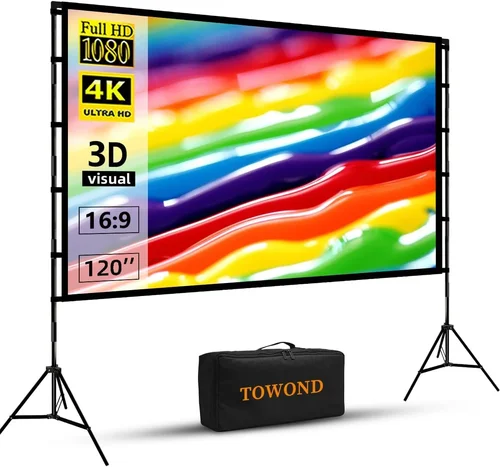
Outdoor living spaces have evolved dramatically over the past decade. What was once a simple patio or backyard has transformed into a full-fledged entertainment zone—complete with grills, fire pits, outdoor kitchens, and yes, televisions. For renters especially, the idea of bringing the comfort of indoor viewing to the great outdoors is incredibly appealing. But unlike homeowners who can invest in permanent installations, renters face unique challenges: limited installation options, portability concerns, potential damage deposits, and the need for flexibility. That’s why choosing the right outdoor TV for a rental property requires a different kind of thinking—one that balances performance, durability, ease of setup, and cost-effectiveness.
This comprehensive buying guide is designed specifically for renters and temporary outdoor setups. Whether you’re setting up a TV on your apartment balcony, a condo terrace, or a short-term rental backyard, we’ll walk you through every critical factor to consider before making your purchase. You’ll learn how to evaluate brightness, weather resistance, connectivity, and portability—all while staying within your budget and avoiding common pitfalls. By the end of this guide, you’ll have a clear roadmap to select an outdoor TV that delivers excellent performance without compromising your lease agreement or your wallet.
The market for outdoor TVs has expanded significantly in recent years, driven by advances in display technology and growing demand for outdoor entertainment. However, not all “outdoor-ready” TVs are created equal—and many marketed as such are better suited for permanent installations than temporary use. Our goal is to cut through the marketing noise and give you expert-level insights tailored to the realities of renting. From budget-friendly portable models to high-brightness displays built for direct sunlight, we’ve analyzed the full spectrum of options available in 2026. Let’s dive in.

What to Look for When Buying Buying Guide
1. Brightness & Sunlight Readability
One of the most critical factors for any outdoor TV is brightness—measured in nits. Indoor TVs typically range from 300 to 500 nits, which is fine for dimly lit living rooms but utterly inadequate under direct sunlight. For outdoor use, especially in open patios or south-facing balconies, you need a minimum of 700 nits, with 1,000+ nits being ideal for bright daylight conditions. Look for TVs explicitly rated for outdoor use with high luminance output. Some manufacturers use terms like “sunlight readable” or “high-brightness display”—these are good indicators, but always verify the nit rating in the specs.
Anti-glare coatings and matte screen finishes also play a crucial role. A glossy screen might look sharp indoors, but it will reflect sunlight like a mirror outside, making content unwatchable. Matte finishes diffuse light and reduce reflections, significantly improving visibility. Additionally, consider the viewing angle: if you’re placing the TV where viewers might be seated off-center (like around a fire pit), opt for a panel with wide viewing angles (IPS or similar) to maintain color accuracy and contrast.
2. Weather Resistance & IP Rating
Even if you’re not mounting your TV permanently, it will still be exposed to the elements—rain, humidity, dust, and temperature swings. That’s why an Ingress Protection (IP) rating is non-negotiable. For renters, an IP55 rating is the bare minimum: it protects against low-pressure water jets and limited dust ingress. However, for full outdoor reliability—especially in regions with heavy rain or coastal climates—aim for IP65 or higher. This ensures protection against water projected from a nozzle and complete dust resistance.
Note that “weather-resistant” doesn’t always mean “weatherproof.” Many TVs claim outdoor suitability but lack proper sealing around ports, vents, or the back panel. Check user reviews and manufacturer documentation to confirm whether the unit can withstand prolonged exposure. Also, consider the operating temperature range. Most outdoor TVs function between -22°F and 122°F (-30°C to 50°C), but verify this if you live in an extreme climate. Finally, never assume a TV labeled “outdoor” includes a protective cover—many don’t, so factor that into your budget if needed.
3. Portability & Ease of Setup
As a renter, you likely can’t drill into walls or run permanent cables. This makes portability and quick setup essential. Look for TVs that come with sturdy, adjustable stands or are compatible with freestanding mounts that don’t require wall anchoring. Some models include built-in handles or lightweight designs (under 30 lbs for screens up to 55 inches) for easy moving between seasons or locations.
Cable management is another often-overlooked aspect. Outdoor setups benefit from TVs with rear cable channels or hidden compartments to keep wires tidy and protected from weather. If you plan to move the TV frequently, consider models with detachable bases or those that can be mounted on rolling carts. Also, check whether the TV supports VESA mounting standards—this gives you flexibility to use third-party stands or mobile mounts designed for renters.
4. Connectivity & Smart Features
Modern outdoor entertainment isn’t just about watching broadcast TV—it’s about streaming, gaming, and smart home integration. Ensure your outdoor TV has robust connectivity: at least three HDMI ports (preferably HDMI 2.1 for future-proofing), USB ports for media playback, and reliable Wi-Fi (dual-band 2.4GHz/5GHz). Built-in smart platforms like Roku TV, Google TV, or webOS simplify access to Netflix, YouTube, and other apps without needing external devices.
For renters, wireless casting capabilities (Chromecast, AirPlay 2, Miracast) are invaluable—they let you stream content directly from your phone or laptop without cluttering your space with streaming sticks. Also, consider audio output options: if you’re using external speakers or a soundbar, ensure the TV has optical audio out or Bluetooth connectivity. Avoid models that rely solely on weak built-in speakers—outdoor acoustics demand better sound solutions.
5. Build Quality & Durability
Outdoor TVs endure more stress than their indoor counterparts. Look for robust construction materials: powder-coated aluminum frames resist rust and corrosion, while reinforced glass or polycarbonate screens offer better impact resistance than standard LCD panels. Avoid plastic-heavy builds—they degrade faster under UV exposure and can warp in heat.
Pay attention to internal components too. High-quality capacitors, sealed circuit boards, and conformal coating on electronics help prevent moisture damage. Some premium models even include internal heaters or cooling fans to regulate temperature, though these are rare in portable units. For renters, durability also means longevity—you want a TV that lasts through multiple moves and seasonal changes without performance degradation.
6. Power Efficiency & Energy Costs
Outdoor TVs often run longer hours than indoor ones—think weekend barbecues, movie nights, or background viewing during gatherings. High-brightness displays consume more power, so energy efficiency matters. Check the TV’s Energy Star rating or annual power consumption (listed in kWh/year). Models with automatic brightness sensors adjust output based on ambient light, saving energy when full brightness isn’t needed.
For renters on metered electricity or those concerned about utility bills, this can make a noticeable difference over time. LED-backlit LCDs are generally more efficient than older plasma or CCFL models. Also, consider sleep timers or motion-activated power-down features—these reduce unnecessary runtime when no one’s watching.
7. Warranty & Support
Outdoor electronics are prone to wear, and renters may not have the same access to repair services as homeowners. A strong warranty is your safety net. Look for at least a 2-year manufacturer warranty, with coverage for both parts and labor. Some brands offer extended warranties specifically for outdoor use—take advantage if available.
Customer support responsiveness is equally important. Read reviews about how companies handle out-of-warranty repairs or replacements. Brands with dedicated outdoor TV support teams (like SunBrite or Seura) tend to provide better service than general electronics retailers. Also, check if the warranty remains valid if you move the TV between locations—some require professional installation to maintain coverage, which may not suit renters.
8. User Reviews & Real-World Performance
Spec sheets tell part of the story, but real user experiences reveal the rest. Scour verified purchase reviews on Amazon, Best Buy, and specialty outdoor electronics sites. Pay attention to comments about brightness in direct sun, ease of assembly, remote control range (outdoors can interfere with IR signals), and long-term reliability.
Look for patterns: if multiple users report the same issue—like Wi-Fi dropping in humid conditions or the stand wobbling in wind—it’s likely a design flaw. Conversely, consistent praise for clarity at noon or seamless streaming in rain is a strong endorsement. Don’t rely solely on star ratings; read the detailed narratives to understand how the TV performs in scenarios similar to yours.
Different Types of Buying Guide

Common Buying Mistakes to Avoid
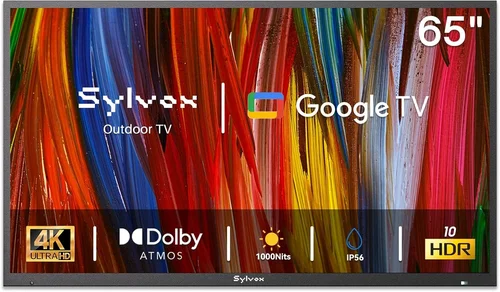
❌ Mistake: Assuming All “Outdoor” TVs Are Created Equal
Why it’s bad: Many manufacturers label regular indoor TVs as “suitable for outdoor use” if they’re placed under a covered area. These lack proper brightness, weather sealing, and thermal management—leading to poor visibility, premature failure, or even safety hazards in wet conditions.
What to do instead: Only buy TVs explicitly designed for outdoor environments with verified IP ratings, high nits, and weather-resistant construction. Check for certifications from independent testing labs if possible.
❌ Mistake: Ignoring the Importance of Brightness
Why it’s bad: A TV that looks great indoors will appear washed out or completely invisible in direct sunlight. This ruins the viewing experience and makes outdoor entertainment impractical during daytime hours.
What to do instead: Prioritize brightness above all else. Aim for at least 700 nits, and test the TV in similar lighting conditions if possible. Use a shade or awning to supplement if needed.
❌ Mistake: Overlooking Portability for Renters
Why it’s bad: Heavy, wall-mounted TVs require permanent modifications that may violate lease agreements or incur repair fees. They’re also difficult to move when relocating.
What to do instead: Choose lightweight models with freestanding stands or VESA compatibility for mobile mounts. Ensure the total weight and size fit your space and transportation needs.
❌ Mistake: Skimping on Weather Protection
Why it’s bad: Even covered areas experience humidity, condensation, and wind-driven rain. Without proper sealing, internal components corrode, leading to malfunction or fire risk.
What to do instead: Invest in an IP65-rated TV or use a high-quality outdoor enclosure. Never leave ports exposed, and consider a weatherproof cover for extended storage.
❌ Mistake: Forgetting About Audio
Why it’s bad: Built-in TV speakers are typically weak and muffled outdoors due to open space and ambient noise. This forces you to rely on external audio, which adds complexity.
What to do instead: Plan for external sound from day one. Choose a TV with optical audio out or Bluetooth, and pair it with weather-resistant speakers or a portable soundbar.
❌ Mistake: Not Checking Return Policies
Why it’s bad: Outdoor performance can vary greatly based on your specific location, angle to the sun, and shelter quality. A TV that works in a showroom might fail in your actual setup.
What to do instead: Buy from retailers with generous return windows (30+ days) and test the TV immediately in your intended environment. Document any issues for easy returns.
❌ Mistake: Buying Based Solely on Price
Why it’s bad: The cheapest option often lacks critical features like adequate brightness or weather resistance, resulting in frustration and the need to repurchase sooner.
What to do instead: Balance cost with essential features. Sometimes spending $200 more upfront saves you $500 in replacements or rental damages down the line.
Budget Guidelines: How Much Should You Spend?
Entry-Level ($400 – $700): This tier includes basic portable outdoor TVs or indoor models paired with simple enclosures. Expect brightness around 500–700 nits, limited weather resistance (IP54), and minimal smart features. Best for shaded balconies or occasional evening use. Brands like TCL and Hisense offer decent options here, but verify outdoor suitability.
Mid-Range ($700 – $1,500): The sweet spot for most renters. These TVs deliver 700–1,000+ nits, IP55 or better weatherproofing, reliable smart platforms, and solid build quality. Models like the SunBrite Veranda Series or Samsung The Terrace (portable versions) fall here. Ideal for covered patios with some sun exposure.
Premium ($1,500 – $3,000): Designed for serious outdoor entertainment. Features include 1,000+ nits brightness, IP65+ ratings, advanced thermal management, and premium materials. Often include built-in heaters/coolers and professional-grade mounts. Perfect for uncovered decks or high-end rentals where performance is paramount.
Luxury ($3,000+): Commercial-grade displays built for 24/7 operation in extreme conditions. These offer maximum brightness (2,000+ nits), full environmental sealing, and enterprise-level durability. Overkill for most renters, but justified for luxury vacation properties or commercial installations.
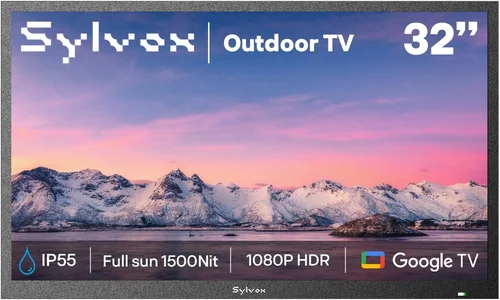
Expert Tips for Getting the Best Deal
- Shop during off-seasons: Outdoor TV prices drop significantly in late fall and winter (November–February). Retailers clear inventory before spring demand surges.
- Compare bundled deals: Some sellers include mounts, covers, or streaming devices at a discount. Calculate the total value—not just the TV price.
- Use price tracking tools: Set alerts on CamelCamelCamel (for Amazon) or Honey to catch flash sales or coupon codes.
- Consider refurbished units: Certified refurbished outdoor TVs from reputable sellers often come with full warranties at 20–30% off retail.
- Negotiate with local dealers: Independent electronics stores may price-match online retailers or throw in free delivery/installation advice.
- Check rental-specific programs: Some brands (like Seura) offer discounts for property managers or short-term rental hosts—ask even if you’re an individual renter.
- Test before committing: If buying in-store, request a demo under bright lighting. For online purchases, prioritize retailers with hassle-free returns.
- Read the fine print on warranties: Ensure coverage applies to outdoor use and isn’t voided by DIY setup—common with renter-friendly installations.

Frequently Asked Questions
Q: Can I use a regular indoor TV outdoors if it’s under a covered patio?
A: Technically yes, but it’s not recommended. Indoor TVs lack the brightness needed for daylight viewing and aren’t sealed against humidity or dust. Over time, moisture can seep into vents and damage internal components, voiding warranties and creating safety risks. For reliable performance, invest in a true outdoor model or use a certified outdoor enclosure.
Q: Do outdoor TVs need special mounting hardware?
A: It depends on the type. Portable models often include stands, while fixed-mount TVs require weatherproof brackets. Always use mounts rated for outdoor use—standard indoor mounts can rust or fail. For renters, freestanding or rolling mounts are ideal since they don’t require drilling.
Q: How do I protect my outdoor TV from theft?
A: Use security cables or locks compatible with VESA mounts. Store the TV indoors during extended absences, and consider models with built-in anti-theft features like PIN locks or GPS tracking (available on some premium units). Avoid leaving it visible through windows when not in use.
Q: Will an outdoor TV work in winter or cold climates?
A: Yes, if it’s rated for low temperatures. Most outdoor TVs operate down to -22°F (-30°C). However, LCD screens can become sluggish in extreme cold. Premium models include internal heaters to maintain optimal performance. Never power on a frozen TV—let it acclimate to room temperature first.
Q: Can I stream 4K content reliably outdoors?
A: Absolutely, provided you have strong Wi-Fi coverage. Outdoor areas often suffer from signal interference, so consider a Wi-Fi extender or mesh network. Ensure your TV supports modern codecs (HEVC, VP9) and has sufficient processing power to handle 4K streaming without buffering.
Q: Are outdoor TVs energy hogs?
A: High-brightness displays do consume more power than indoor TVs, but modern LEDs are quite efficient. Look for Energy Star certification and features like ambient light sensors that reduce brightness automatically. On average, expect 20–40% higher energy use than a comparable indoor model.
Q: What’s the difference between IP55 and IP65?
A: Both protect against dust and water, but IP65 offers complete dust resistance (“6”) and protection against low-pressure water jets from any direction (“5”). IP55 allows limited dust ingress (“5”) and only protects against water projected by a nozzle. For full outdoor exposure, IP65 is preferable.
Q: Can I leave my outdoor TV on all day?
A: Most outdoor TVs are designed for continuous operation, but check the manufacturer’s guidelines. Avoid leaving it on during thunderstorms or extreme weather. Use a smart plug with scheduling to automate power cycles and reduce wear.
Q: Do I need a surge protector for an outdoor TV?
A: Yes! Outdoor electronics are vulnerable to power surges from lightning or grid fluctuations. Use a high-quality outdoor-rated surge protector with at least 2,000 joules of protection. Hardwired installations should include whole-house surge protection.
Q: How long do outdoor TVs typically last?
A: With proper care, 7–10 years is realistic. Factors like climate, usage hours, and build quality play big roles. Premium models with sealed designs and commercial-grade components often outlast consumer versions by several years.
Our Final Recommendations
Best for Budget-Conscious Buyers: TCL 55S06 55″ Outdoor Roku TV – At under $600, this model offers 750 nits brightness, IP55 rating, and Roku’s intuitive interface. Great for shaded balconies and occasional use.
Best Overall Value: SunBrite Veranda Series 55″ 4K UHD – Priced around $1,200, it delivers 1,000 nits, IP65 protection, and excellent color accuracy. Ideal for covered patios with partial sun exposure.
Best Premium Option: Seura Shadow 65″ Ultra Bright Outdoor TV – With 2,000 nits, military-grade durability, and built-in climate control, this $2,800 TV is built for uncovered decks and luxury rentals.
Best for Beginners: Samsung The Terrace Portable 50″ – Easy setup, 800 nits, and smart features make this a plug-and-play solution for new renters wanting hassle-free outdoor viewing.
Best for Advanced Users: Peerless-AV Xtreme Outdoor 75″ Commercial Display – Designed for 24/7 operation, this $4,500 beast handles extreme weather and delivers stunning 4K HDR performance for tech-savvy renters with high-end setups.
Conclusion: Making the Right Choice
Choosing an outdoor TV for a rental home isn’t just about finding the shiniest screen or the lowest price—it’s about aligning technology with your lifestyle, space constraints, and long-term needs. We’ve covered everything from brightness and weather resistance to portability and smart features, giving you the tools to make an informed decision. Remember, the best TV for you is the one that performs reliably in your specific environment, fits your budget, and enhances your outdoor living experience without complicating your rental agreement.
Prioritize your must-haves: if you watch mostly at night, brightness matters less than smart features. If you move frequently, portability trumps screen size. And always factor in hidden costs like mounts, covers, and audio solutions. By avoiding common mistakes and leveraging expert tips, you’ll maximize value and minimize regret.
Outdoor entertainment is no longer a luxury—it’s an extension of your home. With the right TV, your balcony, patio, or terrace becomes a vibrant social hub, a peaceful retreat, or a cinematic escape—all under the open sky. So take your time, do your research, and invest wisely. Your perfect outdoor viewing experience is just a purchase away.

