
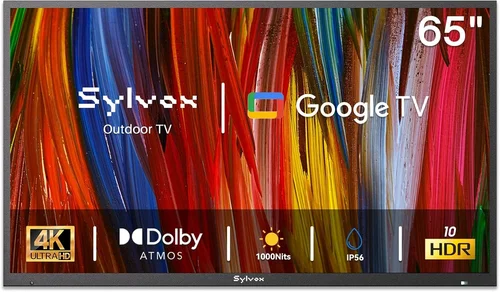
Outdoor television has evolved from a niche luxury to a must-have feature for homeowners who love entertaining, relaxing, or simply enjoying their outdoor spaces year-round. Whether you’re hosting a backyard movie night, watching the big game from your covered patio, or catching up on your favorite series while lounging by the pool, having a TV designed specifically for outdoor use can transform your experience. But not all outdoor TVs are created equal—especially when you live in a rainy climate. Constant exposure to moisture, humidity, temperature swings, and wind demands a level of durability and engineering that standard indoor TVs simply can’t provide.
This guide is designed for homeowners, outdoor living enthusiasts, and smart buyers who want to make an informed decision when investing in an outdoor television for wet or unpredictable weather conditions. You’ll learn what truly matters when selecting a TV built to withstand the elements, how to avoid common pitfalls, and which models deliver the best performance, longevity, and value. With so many options flooding the market—from weatherproof enclosures to fully integrated outdoor displays—it’s easy to get overwhelmed. Our goal is to cut through the noise and give you expert-level insights grounded in real-world performance, technical specifications, and long-term reliability.
The outdoor TV market has grown significantly in recent years, driven by advances in display technology, increased demand for outdoor living spaces, and the rise of smart home integration. Today, you can find everything from basic weather-resistant models to high-brightness 4K HDR screens with built-in heating and cooling systems. However, not all of these are suitable for rainy climates. Some are only rated for light rain or covered areas, while others are engineered to perform flawlessly under heavy downpours, coastal humidity, or even snow. This guide will help you understand the differences, prioritize the right features, and choose a TV that won’t leave you disappointed—or worse, needing a replacement after just one stormy season.

What to Look for When Buying Buying Guide
1. Weather Resistance & IP Rating
When it comes to outdoor TVs in rainy climates, weather resistance isn’t optional—it’s essential. The most critical specification to check is the Ingress Protection (IP) rating, which indicates how well a device resists dust and water. For outdoor use, especially in areas with frequent rain, you should look for a minimum IP55 rating, but IP65 or higher is strongly recommended. An IP65-rated TV is dust-tight and protected against water jets from any direction, making it ideal for uncovered patios, decks, or poolside installations.
Beyond the IP rating, consider the TV’s overall sealing. Look for models with fully sealed ports, waterproof gaskets, and corrosion-resistant materials. Some manufacturers go a step further by using marine-grade aluminum or stainless steel in their enclosures, which are especially beneficial in coastal or high-humidity areas. Avoid TVs that rely on external covers or enclosures unless they are specifically rated for outdoor use and properly installed. A TV with a high IP rating but poor build quality can still fail prematurely due to internal condensation or component corrosion.
Another factor is the operating temperature range. Rainy climates often come with fluctuating temperatures, especially in spring and fall. Ensure the TV can operate reliably between at least 32°F and 104°F (0°C to 40°C). Some premium models include internal heaters or cooling fans to maintain optimal performance in extreme conditions, which can be a game-changer in regions with cold, wet winters.
2. Display Brightness & Anti-Glare Technology
One of the biggest challenges with outdoor TVs is visibility in bright sunlight or reflective conditions. Even on overcast days, ambient light can wash out the screen, making it difficult to see details. This is where display brightness becomes crucial. For rainy climates—which often have overcast skies but still plenty of ambient light—look for a TV with a minimum brightness of 700 nits. However, for areas with partial sun exposure or large windows reflecting light, 1000 nits or higher is ideal.
High-brightness LED or OLED panels with anti-reflective coatings significantly improve visibility. Some outdoor TVs use direct-lit LED backlighting with local dimming to enhance contrast and reduce glare. Others incorporate optical bonding, a process where the glass is fused directly to the display panel, eliminating air gaps that cause reflections. This technology not only improves image clarity but also adds an extra layer of protection against moisture ingress.
Additionally, consider the screen finish. Matte or anti-glare screens are far superior to glossy finishes in outdoor environments. Glossy screens may look vibrant indoors, but they reflect sunlight and raindrops, creating distracting glare. A matte finish diffuses light, providing a clearer, more consistent image regardless of weather conditions.
For those in particularly bright or variable climates, some manufacturers offer optional sunshades or hoods that attach to the top of the TV, reducing direct sunlight exposure. While not always necessary, these accessories can make a noticeable difference in image quality during peak daylight hours.
3. Build Quality & Durability
Outdoor TVs are exposed to more than just rain—they face UV radiation, temperature extremes, wind, and even salt air in coastal regions. As such, build quality is a top priority. Start by examining the materials used in the TV’s chassis and mounting hardware. Look for powder-coated aluminum, stainless steel screws, and reinforced plastic components that resist rust and degradation.
The screen itself should be made of tempered glass, which is more resistant to scratches, impacts, and thermal stress than standard glass. Some premium models feature Gorilla Glass or similar toughened materials designed to withstand harsh environments. Avoid TVs with plastic screens, as they are prone to scratching and clouding over time.
Mounting is another critical aspect. Ensure the TV comes with a sturdy, weatherproof mounting bracket or is compatible with VESA-standard outdoor mounts. The mount should allow for tilt and swivel adjustments to optimize viewing angles while remaining secure in windy conditions. Some manufacturers offer integrated mounting systems that are pre-tested for wind resistance up to 100 mph—ideal for storm-prone areas.
Internal components also matter. High-quality capacitors, sealed circuit boards, and conformal coating on electronics help prevent moisture damage and extend the TV’s lifespan. Look for models that undergo rigorous environmental testing, such as salt fog testing for coastal durability or thermal cycling for temperature resilience.
4. Performance Specifications
While durability is paramount, you still want a TV that delivers excellent picture and sound quality. For rainy climates, where you may be watching more content during overcast or evening hours, performance shouldn’t be sacrificed. Start with resolution: 4K UHD is now the standard for outdoor TVs, offering sharp, detailed images even on larger screens. Avoid 1080p models unless you’re on a tight budget or using a small screen under a covered area.
HDR (High Dynamic Range) support is another key feature. HDR enhances contrast, color accuracy, and brightness, making scenes look more lifelike—especially important when watching sports, movies, or nature documentaries outdoors. Look for HDR10, HDR10+, or Dolby Vision compatibility, depending on your content sources.
Refresh rate matters too, particularly for fast-paced content like sports or action movies. A 120Hz refresh rate reduces motion blur and provides smoother playback. While not all outdoor TVs offer this, it’s worth prioritizing if you plan to use the TV for live events or gaming.
Audio performance is often overlooked but crucial. Most outdoor TVs have built-in speakers, but they’re typically not powerful enough for open spaces. Consider models with enhanced audio output (20W or higher) or those that support external sound systems via HDMI ARC, optical audio, or Bluetooth. For larger patios or pool areas, pairing the TV with outdoor speakers is highly recommended.
Smart functionality is another consideration. Many outdoor TVs now run on platforms like Android TV, webOS, or Roku, giving you access to streaming apps, voice control, and screen mirroring. Ensure the interface is responsive and supports your preferred services. However, be cautious with older smart TV models—software updates may be limited, and performance can degrade over time.
5. Size & Viewing Distance
Choosing the right screen size depends on your outdoor space and typical viewing distance. A common mistake is selecting a TV that’s too small for the area, resulting in a poor viewing experience. As a general rule, the optimal screen size (in inches) should be approximately one-third to one-half the distance (in feet) from the screen to the primary seating area.
For example, if your seating is 12 feet away, a 40- to 50-inch TV would be ideal. For larger spaces like backyard theaters or outdoor kitchens, consider 65-inch or larger models. However, keep in mind that larger screens require higher brightness and better resolution to maintain image quality in outdoor conditions.
Also consider the TV’s aspect ratio and bezel design. Slim bezels provide a more immersive viewing experience and make the TV look modern and sleek. Some models feature ultra-thin profiles that blend seamlessly into outdoor décor.
If space is limited or you want flexibility, consider a portable outdoor TV with a built-in stand or wheels. These are ideal for patios, balconies, or temporary setups. However, ensure they are still weather-resistant and stable in windy conditions.
6. Connectivity & Installation
Outdoor TVs need to connect to various devices—cable boxes, streaming sticks, gaming consoles, and sound systems. Ensure the TV has sufficient HDMI ports (at least three), USB ports, and audio outputs. Look for HDMI 2.1 support if you plan to use next-gen gaming consoles or 4K/120Hz content.
For rainy climates, cable management is crucial. Use weatherproof conduit or cable raceways to protect wires from moisture and UV damage. Some outdoor TVs come with built-in cable channels or rear covers to keep connections secure and hidden.
Power supply is another consideration. Outdoor TVs should be plugged into a GFCI (Ground Fault Circuit Interrupter) outlet to prevent electrical hazards in wet conditions. Avoid using extension cords outdoors unless they are specifically rated for outdoor use and properly protected.
Installation should be done by a professional, especially for wall-mounted or ceiling-mounted setups. Improper installation can lead to water leakage, structural damage, or safety risks. Many manufacturers offer certified installation services or partner with local technicians.
7. Brand Reputation & Reliability
Not all outdoor TV brands are created equal. Some specialize in rugged, weatherproof displays, while others repurpose indoor models with added enclosures. Research the manufacturer’s track record, customer reviews, and industry certifications. Brands like SunBriteTV, Seura, and Samsung’s outdoor line have established reputations for quality and reliability.
Look for companies that provide detailed technical specifications, environmental testing data, and real-world performance reports. Avoid brands that use vague terms like “all-weather” without supporting evidence. A reputable manufacturer will stand behind their product with strong warranties and responsive customer support.
Also consider the availability of replacement parts and service. Outdoor TVs are long-term investments, and you’ll want assurance that you can get repairs or upgrades down the line. Check if the brand has service centers in your region or offers remote diagnostics.
8. Warranty & Support
A comprehensive warranty is a strong indicator of a manufacturer’s confidence in their product. For outdoor TVs in rainy climates, look for at least a 2- to 3-year warranty that covers both parts and labor. Some premium brands offer up to 5 years of coverage, including protection against weather-related damage.
Read the fine print: some warranties exclude damage from improper installation, power surges, or extreme weather events. Ensure the warranty is transferable if you sell your home, and check if it includes on-site service or requires you to ship the unit for repairs.
Customer support should be accessible and knowledgeable. Look for brands with 24/7 phone support, live chat, or dedicated outdoor TV specialists. Online resources like installation guides, troubleshooting videos, and FAQs are also valuable.
Finally, consider extended warranty options or service plans, especially if you live in a high-risk area for storms or flooding. While an added cost, these can provide peace of mind and protect your investment.
Different Types of Buying Guide

Common Buying Mistakes to Avoid
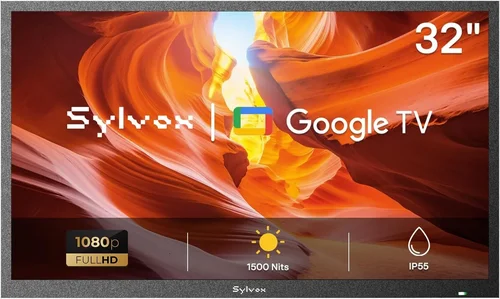
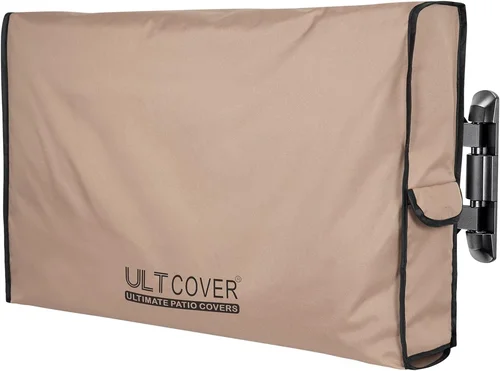
❌ Mistake: Buying an Indoor TV with a Weatherproof Cover
Why it’s bad: Indoor TVs are not designed to handle moisture, temperature changes, or UV exposure. Even with a cover, condensation can build up inside, leading to mold, corrosion, and electrical failure. Covers also trap heat, which can damage internal components.
What to do instead: Invest in a TV specifically engineered for outdoor use or a certified outdoor enclosure. These are designed to manage heat, moisture, and airflow properly.
❌ Mistake: Ignoring the IP Rating
Why it’s bad: A low or missing IP rating means the TV isn’t truly protected against rain or dust. You might save money upfront, but you’ll likely face costly repairs or replacements after the first storm.
What to do instead: Always check the IP rating and choose a model with at least IP65 for uncovered areas. Verify the rating with the manufacturer if it’s not clearly stated.
❌ Mistake: Overlooking Brightness Requirements
Why it’s bad: A dim screen will be unwatchable in daylight, even on cloudy days. You’ll end up watching a dark, washed-out image, defeating the purpose of having an outdoor TV.
What to do instead: Prioritize TVs with 700+ nits brightness and anti-glare technology. Test the screen in similar lighting conditions if possible.
❌ Mistake: Skimping on Mounting Hardware
Why it’s bad: Weak or indoor-rated mounts can fail in wind or rain, causing the TV to fall and potentially injure someone or damage property.
What to do instead: Use a VESA-compatible outdoor mount rated for your TV’s weight and wind load. Consider professional installation for added safety.
❌ Mistake: Neglecting Audio Quality
Why it’s bad: Built-in speakers on outdoor TVs are often underpowered. In open spaces, sound dissipates quickly, making dialogue hard to hear.
What to do instead: Pair your TV with weatherproof outdoor speakers or a soundbar. Look for models with audio output options and consider wireless setups for flexibility.
❌ Mistake: Not Planning for Power and Cables
Why it’s bad: Exposed cables can degrade, short out, or become tripping hazards. Improper power sources increase the risk of electrical shock.
What to do instead: Use GFCI outlets, weatherproof conduit, and cable management systems. Hire an electrician if needed to ensure safe, code-compliant installation.
❌ Mistake: Choosing Based on Price Alone
Why it’s bad: The cheapest option often lacks durability, brightness, or proper weather sealing. You may end up replacing it within a year.
What to do instead: Focus on value—balance price with features, build quality, and warranty. A mid-range outdoor TV often outperforms a budget model in the long run.
Budget Guidelines: How Much Should You Spend?
Outdoor TVs represent a significant investment, but understanding the price tiers can help you set realistic expectations and avoid overspending or underbuying.
Entry-Level ($800 – $1,500): These are typically indoor TVs housed in basic weatherproof enclosures or lower-end outdoor models. They may have limited brightness (500-700 nits), basic IP ratings (IP54), and shorter warranties. Best for covered patios or occasional use in mild climates. Expect shorter lifespans and fewer smart features.
Mid-Range ($1,500 – $3,000): This is the sweet spot for most homeowners. These TVs offer full weatherproofing (IP65+), 700-1000 nits brightness, 4K HDR, and solid build quality. Brands like SunBriteTV and Seura dominate this category. They include smart platforms, multiple HDMI ports, and 2-3 year warranties. Ideal for uncovered decks, pool areas, and rainy climates.
Premium ($3,000 – $5,000): Designed for enthusiasts and high-end outdoor living spaces. These models feature ultra-bright displays (1000+ nits), advanced anti-glare technology, internal climate control, and premium materials. Often include extended warranties, professional installation support, and integration with home automation systems. Perfect for luxury homes, outdoor theaters, or coastal properties.
Luxury ($5,000+): Top-tier commercial-grade displays built for 24/7 operation in extreme conditions. Used in resorts, stadiums, and high-end residences. Features include 2000+ nits brightness, full IP67 rating, redundant cooling systems, and custom mounting solutions. These are overkill for most homeowners but offer unmatched durability and performance.
Expert Tips for Getting the Best Deal
Buying an outdoor TV doesn’t have to break the bank. With the right strategy, you can get top-tier performance at a fair price.
- Shop During Off-Season: Prices drop significantly in late fall and winter when demand is low. Many retailers offer discounts on outdoor electronics between November and February.
- Compare Retailers: Check specialty outdoor electronics stores, home improvement chains, and online marketplaces. Some offer bundle deals with mounts or speakers.
- Look for Refurbished Models: Certified refurbished outdoor TVs from reputable brands can save you 20-30% and often come with the same warranty as new units.
- Negotiate Installation: Some retailers include free or discounted installation with purchase. Don’t hesitate to ask—especially for higher-priced models.
- Check for Rebates: Utility companies or local governments sometimes offer rebates for energy-efficient outdoor electronics. SunBriteTV models, for example, are often ENERGY STAR certified.
- Read Return Policies: Ensure you can return or exchange the TV if it doesn’t meet expectations. Some retailers offer 30- to 60-day trial periods.
- Test Before You Buy: If possible, visit a showroom to see the TV in person. Check brightness, color accuracy, and menu responsiveness under lighting similar to your outdoor space.
- Consider Long-Term Costs: Factor in energy usage, warranty extensions, and potential repair costs. A slightly more expensive TV with lower operating costs may save money over time.

Frequently Asked Questions
Q: Can I use a regular TV outdoors if it’s under a covered patio?
A: It’s not recommended. Even under cover, moisture, humidity, and temperature swings can damage indoor TVs over time. For covered areas, consider a weatherproof enclosure or a TV with at least IP55 rating.
Q: How do I protect my outdoor TV from lightning?
A: Use a surge protector rated for outdoor use and consider installing a lightning arrester on your electrical line. Unplug the TV during severe storms if possible.
Q: Do outdoor TVs consume more power?
A: Not necessarily. Many outdoor TVs are designed to be energy-efficient, especially models with LED backlighting. Check the ENERGY STAR rating for comparison.
Q: Can I mount an outdoor TV on a brick or concrete wall?
A: Yes, but you’ll need masonry anchors and a mount rated for the surface. Professional installation is recommended to ensure stability and prevent water intrusion.
Q: How often should I clean my outdoor TV?
A: Clean the screen and exterior every 1-2 months with a microfiber cloth and mild cleaner. Avoid abrasive materials or harsh chemicals that can damage the anti-glare coating.
Q: Are outdoor TVs compatible with streaming devices?
A: Most are. Look for HDMI ports and smart platform support. You can also use external devices like Roku, Apple TV, or Fire Stick, but ensure they’re protected from moisture.
Q: What’s the average lifespan of an outdoor TV?
A: With proper care, a quality outdoor TV can last 7-10 years or more. Lower-end models may need replacement sooner, especially in harsh climates.
Q: Can I use an outdoor TV in the winter?
A: Yes, if it’s rated for low temperatures. All-season models with internal heaters can operate in freezing conditions, but avoid turning on a cold TV suddenly—let it acclimate first.
Q: Do I need a special remote for outdoor use?
A: Most outdoor TVs come with standard IR remotes. For better performance in bright light, consider models with RF remotes or use a smartphone app for control.
Q: Can I connect multiple outdoor TVs to one source?
A: Yes, using an HDMI splitter or matrix switch. Ensure the splitter is rated for outdoor use or housed in a weatherproof enclosure.
Our Final Recommendations
Best for Budget-Conscious Buyers: SunBriteTV Veranda Series – Offers excellent weather resistance, 700 nits brightness, and 4K HDR at a competitive price. Ideal for covered patios in rainy climates.
Best Overall Value: Seura Outdoor TV – Combines premium build quality, 1000+ nits brightness, and smart features with a 3-year warranty. Perfect balance of performance and durability.
Best Premium Option: Samsung The Terrace – Features ultra-bright QLED display, IP55 rating, and seamless smart integration. Built for luxury outdoor entertainment.
Best for Beginners: Aviditi Outdoor TV Enclosure – A cost-effective way to protect an existing indoor TV. Easy to install and suitable for semi-covered areas.
Best for Advanced Users: Peerless-AV Xtreme – Commercial-grade display with 2000+ nits brightness, IP67 rating, and 24/7 operation. Ideal for tech-savvy users with demanding environments.
Conclusion: Making the Right Choice
Choosing the right outdoor television for a rainy climate is about more than just picking a screen that looks good—it’s about investing in a product that can withstand the elements, deliver exceptional performance, and provide years of reliable service. From weather resistance and brightness to build quality and smart features, every detail matters when you’re exposing your TV to the unpredictability of nature.
Remember, the cheapest option isn’t always the best value. Prioritize durability, proper IP ratings, and proven brand reliability. Consider your specific environment—whether you’re in a coastal area, a region with heavy rainfall, or a place with extreme temperature swings—and choose a TV that’s engineered for those conditions. Don’t overlook installation, audio, and long-term support, as these factors significantly impact your overall experience.
By following the guidance in this comprehensive buying guide, you’ll be equipped to make a confident, informed decision. Whether you’re upgrading your backyard oasis or building a new outdoor entertainment space, the right TV will enhance your lifestyle and withstand the test of time—and weather. Take your time, do your research, and invest wisely. Your perfect outdoor viewing experience is just a purchase away.

