
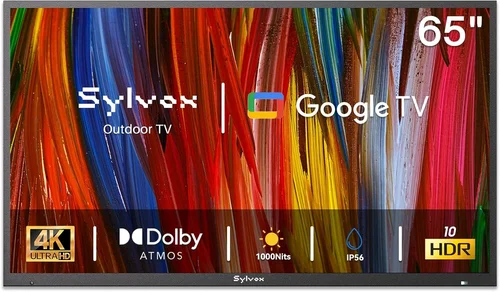
Outdoor living spaces have evolved far beyond simple patios and decks. Today’s homeowners are transforming screened porches into fully functional entertainment zones—complete with weather-resistant furniture, outdoor kitchens, and yes, even televisions. But not just any TV will do. Standard indoor models simply aren’t built to withstand the unique environmental challenges of a screened porch: fluctuating temperatures, humidity, dust, insects, and filtered sunlight that still demands high visibility. Choosing the right outdoor television for your screened porch isn’t just about picture quality—it’s about durability, longevity, and getting the most value from your investment.
This comprehensive buying guide is designed to help you navigate the often-confusing world of outdoor TVs with confidence. Whether you’re upgrading from an indoor set that’s seen better days or installing your first dedicated outdoor display, we’ll walk you through every critical factor—from display technology and weatherproofing to smart features and budget considerations. By the end of this guide, you’ll know exactly what to look for, which brands deliver real performance, and how to avoid costly mistakes. The market for outdoor televisions has matured significantly in recent years, with more options than ever before—but not all are created equal. Some are glorified indoor TVs in plastic shells; others are purpose-built for year-round outdoor use. Our goal is to help you distinguish between marketing hype and real engineering.
We’ll also break down the different types of outdoor TVs available, compare key specifications side-by-side, and share expert tips on timing your purchase for maximum savings. You’ll learn why brightness matters more than resolution in bright daylight, how cooling and heating systems protect internal components, and why warranty coverage can make or break your experience. Whether you’re watching the big game under the stars or catching up on your favorite series during a summer rain shower, the right outdoor TV can elevate your screened porch from a seasonal retreat to a true extension of your home. Let’s dive in.

What to Look for When Buying Buying Guide
1. Weather Resistance & IP Rating
When it comes to outdoor TVs, weather resistance isn’t optional—it’s essential. Screened porches offer partial protection from direct rain and snow, but they’re still exposed to humidity, temperature swings, dust, pollen, and even condensation from morning dew. That’s why you need a television specifically engineered for outdoor conditions. The first thing to check is the TV’s Ingress Protection (IP) rating, which indicates how well it resists solids (like dust) and liquids (like moisture). For screened porches, look for at least an IP55 rating—this means the TV is protected against dust ingress (limited to no harmful deposits) and low-pressure water jets from any direction. Higher-end models may offer IP65 or even IP66 ratings, providing even greater protection against powerful water jets and total dust resistance.
But don’t stop at the IP rating. Examine the materials used in the TV’s construction. Premium outdoor TVs use powder-coated aluminum or marine-grade stainless steel for the chassis and mounting hardware, which resist rust and corrosion far better than standard steel or plastic. Sealed ventilation systems prevent moisture from entering while allowing heat to escape, and internal components are often conformal-coated to guard against corrosion. Avoid TVs that rely solely on a “weatherproof cover”—these are typically indoor models with add-on shields that trap heat and reduce airflow, leading to premature failure. A truly outdoor-rated TV integrates weather protection into its core design, not as an afterthought.
2. Display Brightness & Anti-Glare Technology
One of the biggest challenges with outdoor viewing—even on a screened porch—is ambient light. Sunlight filtering through screens can create glare and wash out colors, making it difficult to see details, especially during daytime hours. This is why brightness, measured in nits (cd/m²), is arguably more important than resolution for outdoor TVs. While a typical indoor TV might deliver 300–500 nits, outdoor models should offer at least 700 nits, with premium options reaching 1,500–2,000 nits or more. Higher brightness ensures the image remains vivid and legible even in bright daylight.
Equally important is anti-glare technology. Look for TVs with optically bonded glass or matte-finish screens that diffuse reflections rather than reflecting them directly into your eyes. Some manufacturers use proprietary coatings like “Sunread” or “Anti-Reflective Layer” to minimize glare without sacrificing color accuracy. Additionally, consider the screen’s viewing angle. OLED panels offer excellent off-axis viewing but are rarely used in outdoor TVs due to burn-in risks and cost. Instead, most outdoor models use high-brightness LCD panels with advanced backlighting (such as direct-lit LED or mini-LED) to maintain image quality from wide angles. If you plan to watch from multiple seating positions around your porch, prioritize TVs with wide viewing angles (at least 178 degrees horizontal and vertical).
3. Thermal Management & Operating Temperature Range
Outdoor environments are thermally dynamic—your screened porch might be 50°F on a cool spring morning and 95°F by mid-afternoon. Standard TVs aren’t designed for such extremes and can overheat or shut down when internal temperatures rise too high. That’s why thermal management is a critical feature in outdoor televisions. High-quality models include built-in cooling fans, heat sinks, and passive ventilation systems that maintain safe operating temperatures without exposing internal components to the elements.
Check the manufacturer’s specified operating temperature range. For most U.S. climates, a range of -22°F to 122°F (-30°C to 50°C) is ideal. Some premium models even extend down to -40°F, making them suitable for unheated porches in colder regions. Avoid TVs that rely solely on passive cooling (no fans) unless they’re explicitly rated for your climate—passive systems work well in moderate temperatures but struggle in sustained heat. Also, ensure the TV has automatic thermal throttling: if internal temps rise too high, the system should reduce brightness or power down temporarily to prevent damage. This protects both the display and internal electronics, extending the TV’s lifespan significantly.
4. Smart Features & Connectivity
Just because your TV lives outdoors doesn’t mean it should lack modern conveniences. Most outdoor TVs now come with integrated smart platforms like Android TV, Roku TV, or proprietary systems that support popular streaming apps (Netflix, YouTube, Disney+, etc.). This eliminates the need for external streaming devices and simplifies setup. However, not all smart systems are created equal. Look for models with regular firmware updates, responsive interfaces, and support for voice assistants like Google Assistant or Amazon Alexa.
Connectivity is another key consideration. Ensure the TV has enough HDMI ports (at least two, preferably three) for devices like gaming consoles, soundbars, or cable boxes. USB ports are useful for media playback or firmware updates. Wi-Fi 5 (802.11ac) or Wi-Fi 6 support ensures stable streaming, especially if your porch is far from your router. Some models include Ethernet ports for wired connections, which can improve reliability in areas with weak wireless signals. Also, check for Bluetooth support if you plan to use wireless headphones or speakers. Keep in mind that outdoor TVs often have fewer ports than indoor models due to space and sealing constraints, so plan your device connections carefully.
5. Audio Performance & External Speaker Support
Outdoor acoustics are inherently challenging. Sound dissipates quickly in open or semi-open spaces, and background noise from wind, birds, or nearby traffic can drown out dialogue. Most outdoor TVs include built-in speakers, but they’re often underpowered—designed more for basic sound than immersive audio. If you’re serious about entertainment, consider pairing your TV with external weather-resistant speakers or a soundbar. Many outdoor TVs support optical audio output, HDMI ARC (Audio Return Channel), or Bluetooth for connecting external audio systems.
That said, some models do offer surprisingly good built-in audio. Look for TVs with at least 20W of total power output and features like dialogue enhancement or virtual surround sound. Brands like SunBriteTV and Seura often include tuned speaker systems that account for outdoor acoustics. If you’re mounting the TV high on a wall, ensure the speakers are front-firing rather than bottom- or rear-firing, which can muffle sound. For larger porches or outdoor movie nights, investing in a dedicated outdoor audio system (like those from Polk, Bose, or Sonos) will dramatically improve your experience.
6. Mounting Options & Installation Flexibility
How and where you mount your TV affects both viewing comfort and long-term durability. Screened porches vary widely in layout—some have solid walls, others open beams or columns. Your mounting solution must accommodate these variables while keeping the TV secure and properly ventilated. Most outdoor TVs are VESA-compatible (standard mounting patterns like 200×200, 400×400, etc.), allowing you to use third-party outdoor mounts. However, always verify compatibility before purchasing.
Look for mounts specifically rated for outdoor use. These are typically made from corrosion-resistant materials and include features like tilt, swivel, or full-motion articulation for optimal viewing angles. Fixed mounts are cheaper but less flexible; full-motion mounts let you adjust the screen based on seating or sun position. Ensure the mount is rated for your TV’s weight and size—outdoor TVs are often heavier due to reinforced chassis. Also, consider cable management: outdoor-rated conduit or raceways can protect wires from moisture and pests. Professional installation is recommended for complex setups, especially if drilling into exterior walls or running power lines.
7. Brand Reputation & Real-World Reliability
Not all outdoor TV brands are equal. Some are specialists with decades of experience in ruggedized displays; others are consumer electronics companies repackaging indoor models. Research brand reputation carefully. Established names like SunBriteTV (a subsidiary of LG), Seura, and Peerless-AV have proven track records in the outdoor market. They invest in R&D, rigorous testing, and customer support tailored to outdoor environments.
Read user reviews from verified purchasers, especially those with similar setups (e.g., “screened porch in Florida” or “covered deck in Colorado”). Pay attention to comments about longevity, customer service responsiveness, and real-world performance in heat or humidity. Avoid brands that offer “outdoor” TVs with vague specifications or no clear IP rating. A reputable manufacturer will provide detailed technical documentation, clear warranty terms, and accessible support. Also, check if the brand offers local dealers or certified installers—this can simplify setup and troubleshooting.
8. Warranty & Support Services
Given the investment involved, warranty coverage is non-negotiable. Outdoor TVs are expensive—often 2–3 times the price of comparable indoor models—and they operate in harsh conditions that can accelerate wear. A strong warranty reflects manufacturer confidence in their product. Look for at least a 2-year comprehensive warranty that covers parts, labor, and on-site service if possible. Some premium brands offer 3- or even 5-year warranties, including accidental damage protection.
Read the fine print: does the warranty require professional installation? Are there exclusions for “acts of nature” or improper mounting? Can you get service in your area, or must you ship the unit back? Brands like SunBriteTV offer nationwide service networks, while lesser-known brands may leave you stranded. Also, check if the warranty is transferable—this adds value if you sell your home. Finally, consider extended warranty options, especially if you live in an extreme climate. A few hundred dollars extra could save thousands in replacement costs down the line.
Different Types of Buying Guide

Common Buying Mistakes to Avoid
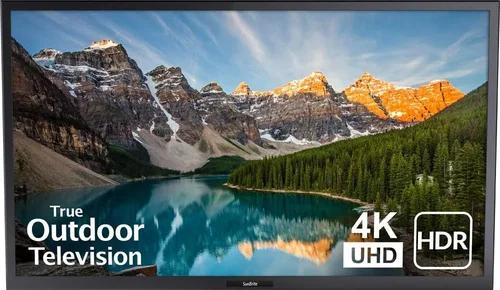
❌ Mistake: Buying an Indoor TV and Assuming It Will Work Outdoors
Why it’s bad: Indoor TVs lack the necessary weatherproofing, thermal management, and brightness required for outdoor use. Even on a screened porch, they’re vulnerable to humidity, temperature swings, and dust. Over time, internal components corrode, fans fail, and the display dims prematurely. Many users report failure within 6–18 months.
What to do instead: Invest in a purpose-built outdoor TV or use a high-quality weatherproof enclosure designed for your specific model. If budget is tight, choose a partial-cover outdoor TV rated for screened environments—it’s still far more reliable than an indoor set.
❌ Mistake: Ignoring Brightness Requirements
Why it’s bad: A dim screen turns your outdoor viewing experience into a frustrating guessing game. Even moderate daylight can wash out colors and blur details on a standard 400-nit TV. You’ll constantly adjust seating or draw curtains, defeating the purpose of an outdoor setup.
What to do instead: Prioritize TVs with at least 700 nits of brightness, and aim for 1,000+ nits if your porch gets direct morning or afternoon sun. Check real-world reviews that mention daytime visibility—spec sheets alone can be misleading.
❌ Mistake: Overlooking Thermal Management
Why it’s bad: Without proper cooling, your TV’s internal temperature can soar on hot days, triggering shutdowns or permanent damage to the panel and circuitry. Passive cooling works only in mild climates and low-usage scenarios.
What to do instead: Choose a model with active cooling (quiet fans) and a wide operating temperature range. Verify that the TV has automatic thermal protection and isn’t reliant solely on passive heat dissipation.
❌ Mistake: Skimping on the Mount and Installation
Why it’s bad: A poorly mounted TV can vibrate, tilt, or even fall—especially in windy conditions. Indoor mounts aren’t rated for outdoor corrosion or weight distribution. DIY installations without proper sealing can void warranties.
What to do instead: Use a VESA-compatible outdoor mount from a reputable brand (e.g., Peerless-AV, Sanus). Hire a certified installer if you’re unsure about wiring, sealing, or structural support. Ensure all cables are routed through waterproof conduits.
❌ Mistake: Neglecting Audio Needs
Why it’s bad: Built-in speakers on outdoor TVs are often weak and muffled. In an open space, dialogue gets lost, and action scenes lack impact. You end up straining to hear or constantly adjusting volume.
What to do instead: Plan for external audio from day one. Pair your TV with weather-resistant speakers or a soundbar. Use optical or HDMI ARC for clean connections, and position speakers strategically for even coverage.
❌ Mistake: Choosing Based Solely on Price
Why it’s bad: The cheapest “outdoor” TV is often a rebranded indoor model with minimal upgrades. You save upfront but pay more in replacements, repairs, and frustration. Premium models offer better longevity and support.
What to do instead: View outdoor TVs as long-term investments. Calculate cost per year of expected use. A $3,000 TV lasting 8 years costs $375/year—far less than replacing a $1,200 indoor TV every 2 years.
❌ Mistake: Not Checking Warranty Details
Why it’s bad: Many warranties exclude “outdoor use” or require professional installation to be valid. If your TV fails and the warranty is voided, you’re stuck with a costly repair or replacement.
What to do instead: Read the warranty terms carefully before buying. Confirm coverage for outdoor environments, required installation methods, and service availability in your area. Choose brands with transparent, customer-friendly policies.
Budget Guidelines: How Much Should You Spend?
Entry-Level ($800–$1,800): This tier includes indoor TVs paired with third-party weatherproof enclosures or basic partial-cover outdoor models. Expect limited brightness (500–700 nits), minimal thermal management, and shorter lifespans (3–5 years). Best for mild climates, occasional use, or temporary setups. Brands like Sylvans and some generic enclosure kits fall here. Proceed with caution—these are stopgap solutions, not long-term investments.
Mid-Range ($1,800–$3,500): The sweet spot for most screened porch owners. These TVs offer true outdoor engineering: IP55+ ratings, 700–1,200 nits brightness, active cooling, and robust smart platforms. Expect 5–7 years of reliable service with proper care. Models from SunBriteTV (Veranda series), Seura (Outdoor), and Peerless-AV (Xtreme) dominate this category. You get excellent value without overspending on features you may not need.
Premium ($3,500–$6,000): For enthusiasts and those in extreme climates. These TVs deliver 1,200–2,000+ nits, commercial-grade durability, extended temperature ranges, and advanced audio/video processing. Ideal for large porches, high-end homes, or users who demand flawless performance year-round. SunBriteTV’s Pro Series and Seura’s Luxury line exemplify this tier. Expect 7–10+ year lifespans with comprehensive warranties.
Luxury ($6,000+): Top-tier commercial displays built for 24/7 operation. Features include 2,000+ nits brightness, modular designs, remote monitoring, and custom finishes. Typically used in outdoor bars, luxury resorts, or ultra-high-end residences. Overkill for most homeowners but unmatched in performance and prestige. Brands like Planar and Samsung’s The Terrace lead here.
Expert Tips for Getting the Best Deal
1. Time Your Purchase Around Seasonal Sales: Outdoor TVs see the biggest discounts in late winter and early spring (February–April) as retailers clear inventory for new models. Black Friday and Memorial Day also offer solid deals, but selection may be limited. Avoid summer months when demand peaks and prices rise.
2. Buy Direct from Manufacturers or Authorized Dealers: Brands like SunBriteTV and Seura often offer exclusive bundles, extended warranties, or free shipping when you buy directly. Avoid unauthorized resellers—they may sell refurbished units as new or void your warranty.
3. Bundle with Installation Services: Many dealers offer discounted or free installation when you purchase a TV and mount together. This saves money and ensures proper setup, which is critical for warranty validity.
4. Negotiate on Accessories: Ask for discounts on mounts, cables, or soundbars. Retailers often markup accessories significantly—politely negotiating can save $100–$300.
5. Check for Trade-In or Upgrade Programs: Some brands offer credit for old TVs or previous models. While not common, it’s worth asking—especially if you’re upgrading within the same brand.
6. Read Return Policies Carefully: Outdoor TVs are large, heavy, and expensive to return. Ensure the seller offers at least a 30-day return window and covers return shipping. Test the TV thoroughly upon delivery.
7. Consider Refurbished or Open-Box Units: Certified refurbished models from reputable brands can save 20–30% off retail. These are typically inspected, tested, and come with full warranties. Just verify the condition and return policy.
8. Join Outdoor Living Forums: Communities like Reddit’s r/outdoorliving or Houzz discussion boards often share exclusive promo codes, dealer recommendations, and real-user deals. Members frequently post about local sales or group buys.

Frequently Asked Questions
Q: Can I use a regular indoor TV on my screened porch?
A: Technically yes, but it’s not recommended for long-term use. Indoor TVs lack weatherproofing, thermal management, and sufficient brightness for outdoor conditions. Even on a screened porch, humidity, temperature swings, and dust can cause premature failure. If you must, use a high-quality weatherproof enclosure and limit usage to mild weather.
Q: How bright should my outdoor TV be for a screened porch?
A: Aim for at least 700 nits, but 1,000+ nits is ideal if your porch gets direct sunlight. Brightness ensures the image remains clear and vibrant during daytime viewing. Check reviews that mention real-world visibility—spec sheets can be optimistic.
Q: Do outdoor TVs need special mounts?
A: Yes. Use VESA-compatible mounts specifically rated for outdoor use. These are made from corrosion-resistant materials and designed to handle wind, weight, and environmental stress. Indoor mounts will rust and fail over time.
Q: Will an outdoor TV work in winter?
A: It depends on the model’s operating temperature range. Most quality outdoor TVs function down to -22°F (-30°C). Avoid using them in extreme cold unless rated for it—condensation can form when bringing a cold TV into a warm space.
Q: Can I leave my outdoor TV on all the time?
A: Most outdoor TVs are designed for intermittent use (a few hours daily). Continuous 24/7 operation requires commercial-grade models with industrial components. Check the manufacturer’s usage guidelines to avoid voiding the warranty.
Q: How do I clean my outdoor TV screen?
A: Use a microfiber cloth and distilled water only. Avoid ammonia-based cleaners, paper towels, or abrasive materials. For stubborn spots, lightly dampen the cloth—never spray liquid directly on the screen.
Q: Are outdoor TVs energy efficient?
A: Generally yes, especially newer LED models. However, high-brightness modes consume more power. Look for Energy Star ratings or check power consumption specs (usually listed in watts). Most draw 100–200W under normal use.
Q: Can I connect my outdoor TV to Wi-Fi reliably?
A: Yes, but signal strength matters. If your porch is far from your router, consider a Wi-Fi extender or mesh network. Some outdoor TVs include Ethernet ports for wired connections, which are more stable for streaming.
Q: What’s the difference between IP55 and IP65?
A: IP55 protects against dust (limited ingress) and low-pressure water jets. IP65 offers total dust protection and resistance to powerful water jets. For screened porches, IP55 is usually sufficient unless you expect heavy wind-driven rain.
Q: How long do outdoor TVs last?
A: With proper care, 7–10 years is typical for premium models. Mid-range units may last 5–7 years. Factors like climate, usage frequency, and maintenance significantly impact lifespan.
Our Final Recommendations
Best for Budget-Conscious Buyers: SunBriteTV Veranda Series (55″) – At around $2,200, it offers true outdoor engineering, 700 nits brightness, IP55 rating, and reliable smart features. A solid entry into dedicated outdoor viewing without breaking the bank.
Best Overall Value: Seura Outdoor TV (65″) – Priced around $3,200, it delivers 1,000 nits brightness, excellent anti-glare performance, and a sleek design. Ideal for screened porches with moderate sun exposure and a focus on aesthetics.
Best Premium Option: SunBriteTV Pro Series (75″) – At $5,500, this is built for performance: 1,500 nits, extreme temp tolerance, and commercial-grade durability. Perfect for large porches or users in harsh climates who demand reliability.
Best for Beginners: Peerless-AV Xtreme (50″) – Around $2,800, it’s user-friendly, well-supported, and includes helpful installation guides. Great for first-time outdoor TV owners who want hassle-free setup.
Best for Advanced Users: Samsung The Terrace (65″ Full Sun) – At $4,500, it combines Samsung’s QLED technology with outdoor ruggedness. Offers 2,000 nits brightness, AI upscaling, and seamless smart integration for tech-savvy viewers.
Conclusion: Making the Right Choice
Choosing the right outdoor television for your screened porch is about more than just picking the shiniest screen or the lowest price. It’s about understanding your environment, prioritizing durability and visibility, and investing in a product designed to thrive where indoor TVs fail. From weather resistance and brightness to thermal management and smart features, every detail matters when you’re bringing entertainment outdoors.
Remember: your screened porch is an extension of your home—a place for relaxation, connection, and enjoyment. The right TV enhances that experience, turning casual evenings into memorable moments. Don’t cut corners on critical features like IP rating, thermal protection, or warranty coverage. And always consider the total cost of ownership, including installation and audio.
Take the time to assess your specific needs: How much sun does your porch get? What’s your typical usage pattern? Do you plan to watch sports, movies, or casual streaming? Answering these questions will guide you toward the perfect match. With the insights from this guide, you’re now equipped to make a confident, informed decision.
So go ahead—upgrade your outdoor living space with a television that’s built to last, perform, and impress. Your future self (and your guests) will thank you every time you press play under the open sky.

