
Outdoor living spaces have evolved far beyond simple patios with a grill and a few folding chairs. Today’s homeowners are transforming their covered patios into full-fledged entertainment zones—complete with outdoor kitchens, fire pits, sound systems, and yes, even televisions. Whether you’re watching the big game under the pergola, enjoying a movie night with family, or catching up on your favorite series while sipping morning coffee, an outdoor TV can elevate your alfresco experience. But here’s the catch: traditional indoor TVs aren’t built to withstand the elements—even under cover. Moisture, temperature swings, dust, and direct sunlight can quickly damage standard displays, leading to costly repairs or replacements.
That’s where outdoor TVs come in. Designed specifically for exterior use, these units are engineered to resist humidity, operate in extreme temperatures, and deliver bright, clear images even in ambient light. However, many people assume that “outdoor-ready” automatically means “expensive.” While premium models from brands like Samsung and SunBrite can cost thousands, there are now plenty of affordable options that offer solid performance without breaking the bank. This guide is designed to help you navigate the growing market of budget-friendly outdoor TVs for covered patios—helping you find a reliable, high-performing display that fits your space, needs, and wallet.
In this comprehensive buyer’s guide, you’ll learn everything you need to know to make a smart, informed decision. We’ll break down the key factors to consider—from brightness and weather resistance to smart features and installation requirements. You’ll discover the different types of outdoor TVs available, understand common pitfalls to avoid, and get expert tips on how to stretch your dollar further. Whether you’re a first-time buyer or upgrading from an older model, this guide will equip you with the knowledge to choose a TV that delivers great picture quality, durability, and value—all while staying comfortably within your budget.

What to Look for When Buying Buying Guide
1. Brightness & Screen Visibility
One of the most critical factors when choosing an outdoor TV—especially for a covered patio—is screen brightness. Unlike indoor environments where lighting is controlled, outdoor spaces are subject to natural light, glare from windows or skylights, and reflections off nearby surfaces. Even under cover, ambient light can wash out an image if the TV isn’t bright enough.
Look for a TV with a minimum brightness rating of 500 nits, but ideally 700 nits or higher for optimal visibility in daylight. Some budget outdoor TVs advertise “high brightness,” but be sure to check the actual nit rating—not just marketing terms. TVs with anti-glare coatings or matte finishes also perform better in bright conditions by reducing reflections. Additionally, consider models with local dimming or HDR support, which enhance contrast and make colors pop even in challenging lighting.
2. Weather Resistance & IP Rating
Even under a covered patio, your TV will be exposed to humidity, temperature fluctuations, dust, and occasional splashes—especially if you have an outdoor kitchen or fire feature nearby. That’s why weather resistance is non-negotiable.
Check the TV’s Ingress Protection (IP) rating, which indicates how well it resists dust and moisture. For covered patios, an IP55 rating is generally sufficient—this means the TV is protected against dust (not fully sealed, but enough for most outdoor use) and low-pressure water jets from any direction. Some budget models may only have an IP44 rating, which protects against splashing water but not sustained exposure. Avoid TVs without any IP rating—they’re not truly outdoor-safe.
Also, ensure the TV is built to operate in a wide temperature range. Most outdoor TVs function between -22°F to 122°F (-30°C to 50°C), which covers nearly all climates. Cheaper models may have narrower operating ranges, so verify this spec if you live in an area with extreme winters or summers.
3. Build Quality & Durability
A TV’s durability goes beyond its IP rating. The materials used in the chassis, screen, and internal components all affect how well it holds up over time. Budget outdoor TVs often use plastic casings instead of metal, which can be less durable but also lighter and more affordable. However, look for reinforced frames and sealed ventilation systems to prevent moisture buildup.
Pay attention to the screen type. Many affordable outdoor TVs use LCD panels with LED backlighting, which are cost-effective and energy-efficient. Avoid models with exposed cooling fans—these can suck in dust and moisture. Instead, opt for fanless designs that rely on passive cooling, which are quieter and more reliable long-term.
Also, consider the mounting system. A sturdy, weather-resistant mount is essential. Some budget TVs come with basic mounts, but investing in a high-quality outdoor-rated mount (like those from Sanus or Peerless) can prevent sagging or corrosion over time.
4. Smart Features & Connectivity
Today’s outdoor TVs aren’t just about picture quality—they’re also entertainment hubs. Most budget models now include built-in smart platforms like Roku TV, Android TV, or webOS, giving you access to streaming apps like Netflix, Hulu, Disney+, and YouTube without needing an external device.
Check for Wi-Fi compatibility (dual-band 2.4GHz and 5GHz is ideal) and Ethernet ports for wired connections, which offer more stable streaming in areas with weak wireless signals. HDMI ports are essential for connecting gaming consoles, soundbars, or cable boxes—aim for at least three HDMI inputs, with one being HDMI 2.0 or higher for 4K content.
Some budget outdoor TVs also include Bluetooth for wireless audio streaming to outdoor speakers or headphones. While not a dealbreaker, this feature adds convenience, especially for private listening during early morning or late-night viewing.
5. Size & Viewing Distance
Choosing the right screen size is crucial for both comfort and cost. A TV that’s too small will be hard to see from a distance, while one that’s too large can overwhelm your space and blow your budget.
As a general rule:
– For viewing distances of 6–8 feet, a 43-inch to 50-inch TV is ideal.
– For 8–10 feet, go with 55-inch to 65-inch.
– For larger patios over 10 feet, consider 70-inch or larger.
Keep in mind that outdoor TVs are often viewed from multiple angles, so look for models with wide viewing angles (178° horizontal and vertical). IPS (In-Plane Switching) panels offer better off-axis color accuracy than VA panels, which can wash out when viewed from the side.
Also, consider the physical dimensions of the TV, including bezel size. Some budget models have thick bezels that make the screen feel smaller than advertised. Measure your mounting space carefully—especially if you’re placing the TV under a beam or near a wall.
6. Audio Quality & Sound Solutions
Most budget outdoor TVs have underwhelming built-in speakers—thin, tinny, and easily drowned out by wind, traffic, or outdoor appliances. While this is a common limitation, it’s important to plan for audio from the start.
If you’re on a tight budget, look for TVs with decent wattage output (at least 10W per channel) and virtual surround sound features. However, for the best experience, plan to connect external speakers. Many outdoor TVs support optical audio output or 3.5mm audio jack, allowing you to link to weatherproof Bluetooth speakers or a soundbar.
Consider investing in a dedicated outdoor audio system—wireless speakers like the Bose Free or JBL Charge 5 are portable and weather-resistant. For permanent setups, in-ground or wall-mounted speakers (like those from Polk or Sonos) provide immersive sound without cluttering your space.
7. Brand Reputation & Reliability
Not all budget outdoor TVs are created equal. Some lesser-known brands cut corners on components, software updates, or customer support. Stick with manufacturers that have a proven track record in outdoor electronics or consumer TVs.
Brands like TCL, Hisense, and Vizio offer affordable indoor TVs with outdoor-ready variants or compatible enclosures. While not traditional “outdoor TV” brands, their models are often used in DIY outdoor setups with weatherproof cabinets. More specialized brands like Seura, Avidwood, and Outdoor TV focus exclusively on exterior displays and tend to offer better build quality—though at a higher price.
Research customer reviews on platforms like Amazon, Best Buy, and Reddit. Look for consistent feedback about longevity, brightness, and customer service. A brand that offers responsive support and regular firmware updates is more likely to stand behind its product.
8. Warranty & Return Policy
Outdoor electronics are a significant investment, so protection matters. Most budget outdoor TVs come with a 1-year limited warranty, but some brands offer extended coverage for outdoor use—sometimes up to 3 years.
Check what the warranty covers: Does it include damage from moisture or temperature? Is accidental damage covered? Can you get a replacement unit shipped quickly? Avoid brands with vague or restrictive warranty terms.
Also, review the return policy of the retailer. A 30-day return window gives you time to test the TV in your actual environment. Some online sellers offer free returns, while others charge restocking fees—factor this into your decision.
Different Types of Buying Guide
Common Buying Mistakes to Avoid
❌ Mistake: Buying a Regular Indoor TV for Outdoor Use
Why it’s bad: Indoor TVs lack weatherproofing, have lower brightness, and aren’t built to handle temperature swings. Even under cover, moisture and dust can seep into vents, causing corrosion or short circuits. The screen will also appear dim and washed out in daylight.
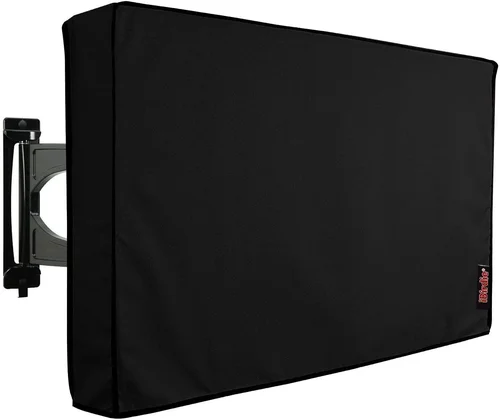
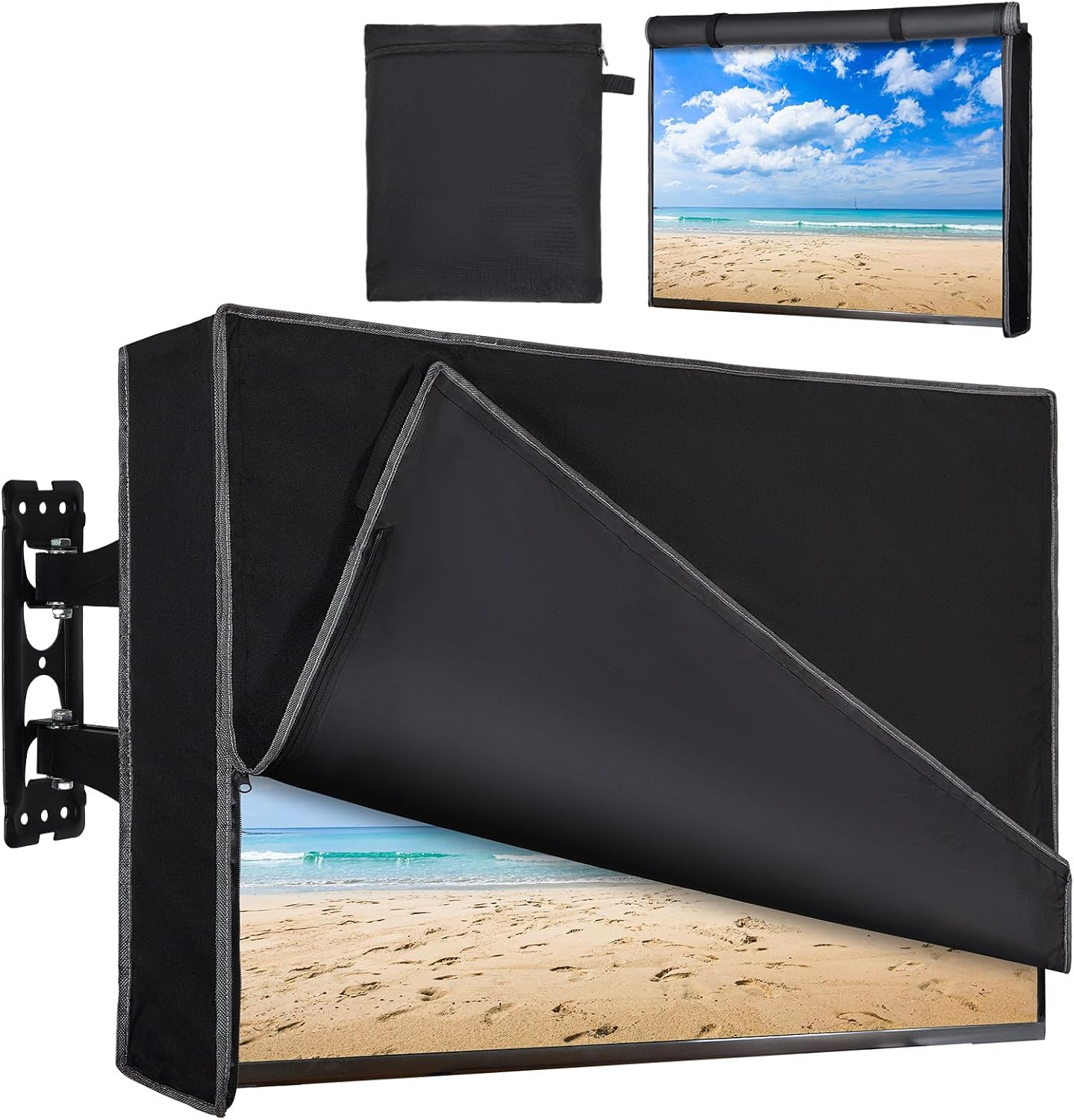
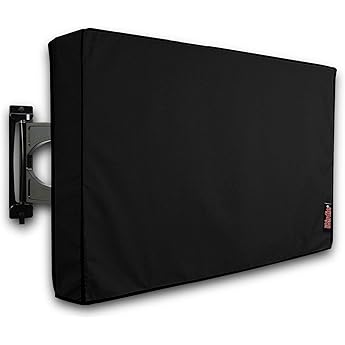
What to do instead: Invest in a TV specifically designed for outdoor use—or use a weatherproof enclosure if you’re on a tight budget. Never assume an indoor TV will “just work” outside.
❌ Mistake: Ignoring the IP Rating
Why it’s bad: Without a proper IP rating, your TV is vulnerable to dust and water damage. Even minor splashes from a nearby grill or sprinkler can ruin internal components over time.
What to do instead: Always check the IP rating. For covered patios, aim for at least IP55. If your area gets wind-driven rain, consider IP65.
❌ Mistake: Overlooking Brightness Requirements
Why it’s bad: A dim screen makes outdoor viewing frustrating, especially during the day. You’ll constantly adjust seating or curtains just to see the image.
What to do instead: Prioritize brightness (700+ nits) over resolution. A bright 1080p TV beats a dim 4K model in real-world outdoor conditions.
❌ Mistake: Skimping on the Mount
Why it’s bad: A flimsy or non-weatherproof mount can rust, bend, or fail, risking damage to your TV and safety hazards.
What to do instead: Use a heavy-duty, powder-coated outdoor mount rated for your TV’s weight. Consider tilt or full-motion mounts for better viewing angles.
❌ Mistake: Forgetting About Audio
Why it’s bad: Built-in speakers on budget outdoor TVs are often weak and muffled. You’ll end up straining to hear dialogue over outdoor noise.
What to do instead: Plan for external audio from day one. Pair your TV with weather-resistant Bluetooth speakers or a soundbar.
❌ Mistake: Not Checking Return Policies
Why it’s bad: Outdoor conditions vary widely. A TV that looks great in a showroom might perform poorly in your specific environment.
What to do instead: Buy from retailers with generous return windows (30 days or more) and free return shipping.
❌ Mistake: Assuming All “Outdoor” TVs Are Equal
Why it’s bad: Some brands label indoor TVs as “outdoor-ready” with minimal modifications. These may lack proper sealing or thermal management.
What to do instead: Read detailed specs and reviews. Look for fanless cooling, sealed ports, and verified IP ratings.
Budget Guidelines: How Much Should You Spend?
Entry-Level ($300–$500): This tier includes portable outdoor TVs and basic weatherproof models. Expect 32-inch to 43-inch screens, 500–600 nits brightness, and limited smart features. Ideal for small patios or occasional use. Brands like Sceptre and RCA offer budget options, but build quality may vary.
Mid-Range ($500–$800): The sweet spot for most buyers. These TVs offer 50-inch to 65-inch screens, 700+ nits brightness, IP55 rating, and built-in smart platforms (Roku or Android TV). Models from TCL and Hisense often fall here, delivering excellent value. You’ll also find better audio and more HDMI ports.
Premium ($800–$1,200): For those who want reliability and performance. These TVs feature 65-inch to 75-inch screens, 800+ nits brightness, advanced HDR, and robust weatherproofing. Brands like Avidwood and Seura offer models in this range with superior build quality and longer warranties.
Luxury ($1,200+): Top-tier outdoor displays designed for commercial use or luxury homes. These include 85-inch+ screens, 1000+ nits brightness, 24/7 operation capability, and full IP65 or IP66 ratings. Often used in restaurants, hotels, or high-end residences.
Expert Tips for Getting the Best Deal
1. Shop During Seasonal Sales: The best time to buy an outdoor TV is during spring and early summer (March–June), when retailers promote outdoor living products. Black Friday and Cyber Monday also offer deep discounts, though selection may be limited.
2. Compare Online and In-Store Prices: Online retailers like Amazon, Best Buy, and Walmart often have lower prices and better return policies than local stores. However, in-store purchases let you inspect the TV and ask questions.
3. Look for Refurbished or Open-Box Deals: Certified refurbished outdoor TVs from reputable sellers can save you 20–30% off retail. These units are tested, cleaned, and usually come with a warranty.
4. Bundle with Accessories: Some retailers offer discounts when you buy a TV with a mount, soundbar, or streaming device. These bundles can add value without inflating the total cost.
5. Check for Manufacturer Rebates: Brands like TCL and Hisense occasionally offer mail-in rebates or instant savings on outdoor-ready models. Visit the manufacturer’s website before purchasing.
6. Read Real User Reviews: Skip the 5-star hype and focus on reviews from users who’ve owned the TV for 6+ months. Look for comments about brightness, durability, and customer service.
7. Test Before Committing: If possible, visit a store to see the TV in person. Check the screen in bright lighting and test the interface for responsiveness.
8. Consider Long-Term Costs: A cheaper TV may cost more over time if it fails prematurely. Factor in warranty length, repair costs, and energy efficiency.
Frequently Asked Questions
Q: Can I use a regular TV under a covered patio?
A: Technically yes, but it’s not recommended. Indoor TVs lack weatherproofing and aren’t built for temperature extremes. Even under cover, humidity and dust can damage internal components. For safety and longevity, use an outdoor-rated TV or a weatherproof enclosure.
Q: Do outdoor TVs need special installation?
A: Not necessarily, but proper mounting is crucial. Use a heavy-duty, weather-resistant wall or ceiling mount. Ensure all cables are routed through sealed conduits to prevent moisture ingress. Professional installation is advised for hard-to-reach areas.
Q: How long do budget outdoor TVs last?
A: With proper care, most budget outdoor TVs last 5–7 years. Factors like climate, usage frequency, and build quality affect lifespan. Models with fanless cooling and sealed designs tend to last longer.
Q: Can I leave my outdoor TV on all the time?
A: Most outdoor TVs are designed for continuous use, but check the manufacturer’s guidelines. Avoid leaving it on during storms or extreme weather unless it’s rated for 24/7 operation.
Q: Do outdoor TVs come with remotes that work in sunlight?
A: Yes, most include standard IR remotes. However, direct sunlight can interfere with the signal. Consider using a Bluetooth remote or a smartphone app for better reliability.
Q: Are outdoor TVs energy efficient?
A: Many budget models are ENERGY STAR certified, meaning they use less power than older TVs. LED-backlit LCDs are generally more efficient than plasma or older CCFL models.
Q: Can I connect a soundbar to an outdoor TV?
A: Absolutely. Most outdoor TVs have optical audio, HDMI ARC, or 3.5mm outputs. Just ensure the soundbar is placed in a dry location or use a weatherproof model.
Q: What’s the difference between partial and full sun outdoor TVs?
A: Partial sun TVs (like those for covered patios) are designed for areas with indirect light and some shade. Full sun TVs are built for direct sunlight and have higher brightness (1000+ nits) and enhanced cooling. For covered patios, partial sun models are sufficient.
Q: Do I need a surge protector for my outdoor TV?
A: Yes. Outdoor electronics are vulnerable to power surges from lightning or grid fluctuations. Use a high-quality outdoor-rated surge protector with at least 2000 joules of protection.
Our Final Recommendations
Best for Budget-Conscious Buyers: TCL 50S5400 50-inch Outdoor Roku TV – At under $600, this model offers 700 nits brightness, IP55 rating, and Roku smart platform. Great for covered patios with moderate sun exposure.
Best Overall Value: Hisense 55A7H 55-inch Outdoor Android TV – Priced around $700, it delivers 800 nits brightness, Dolby Vision, and robust weatherproofing. Excellent picture quality and smart features.
Best Premium Option: Avidwood 65-inch All-Weather Smart TV – At $1,100, this fanless, IP65-rated TV is built for harsh conditions. Ideal for those who want reliability and top-tier performance.
Best for Beginners: Sceptre 43-inch Outdoor LED TV – A simple, affordable option under $400. Easy to set up and suitable for small patios or balconies.
Best for Advanced Users: Seura 55-inch Shade Series Outdoor TV – Though pricier ($1,300+), it’s engineered for extreme durability and includes advanced thermal management and anti-glare technology.
Conclusion: Making the Right Choice
Choosing the right outdoor TV for your covered patio doesn’t have to be overwhelming—or expensive. By focusing on key factors like brightness, weather resistance, and smart features, you can find a model that delivers excellent performance without overspending. Remember, the cheapest option isn’t always the best value. Prioritize durability, visibility, and ease of use to ensure your investment lasts for years.
Take the time to assess your space, lighting conditions, and entertainment needs. Read reviews, compare specs, and don’t hesitate to ask questions before buying. Whether you’re watching the sunrise with coffee or hosting a backyard movie night, the right outdoor TV can transform your patio into a true extension of your home.
Now that you’re armed with expert knowledge, it’s time to make your choice. Start by setting a realistic budget, then explore the models that fit your criteria. With the right TV, your covered patio will become the favorite spot in the house—rain or shine.

