
Outdoor living spaces have evolved far beyond simple patios and decks. Today’s homeowners are transforming backyards, garages, and covered porches into fully functional entertainment zones—complete with grills, sound systems, and yes, outdoor TVs. But not all outdoor TVs are created equal, especially when winter rolls around and temperatures plummet. If you’re searching for a cheap outdoor TV that can handle cold weather without breaking the bank or failing after one snowy season, you’re in the right place.
This comprehensive buying guide is designed to help you navigate the often-confusing world of outdoor televisions, with a special focus on affordability and cold-weather resilience. Whether you’re watching the big game from your heated garage, enjoying a movie night under a covered pergola, or simply keeping up with the news while sipping coffee on a chilly morning, having a reliable TV that performs in low temperatures is essential. We’ll walk you through everything you need to know—from key technical specs and build quality to budget considerations and common pitfalls—so you can make a smart, informed decision.
The market for outdoor TVs has expanded significantly in recent years, driven by advances in display technology and growing demand for outdoor entertainment. However, many budget-friendly options marketed as “outdoor-ready” are actually just indoor TVs slapped with a weatherproof label—and they won’t survive a single freeze. True outdoor TVs are engineered from the ground up to withstand temperature extremes, moisture, dust, and UV exposure. Our goal is to help you distinguish between marketing hype and real performance, especially when you’re trying to stay within a tight budget. By the end of this guide, you’ll know exactly what to look for, what to avoid, and how to get the best value for your money—even in freezing conditions.

What to Look for When Buying Buying Guide
1. Cold Weather Performance & Operating Temperature Range
When it comes to outdoor TVs in cold climates, the most critical factor is the operating temperature range. Most standard indoor TVs are only rated to function between 32°F and 95°F (0°C to 35°C). Once temperatures drop below freezing, the liquid crystals in the display can slow down or even freeze, causing image lag, black screens, or permanent damage. In contrast, true outdoor TVs are built to operate reliably in much colder conditions—often as low as -22°F (-30°C) or even lower.
Look for models that explicitly state their minimum operating temperature in the product specifications. Avoid vague claims like “weather-resistant” or “all-season use” without concrete data. For example, some budget outdoor TVs from reputable brands like SunBriteTV or Seura are rated for -22°F, making them ideal for northern climates. If a manufacturer doesn’t list a minimum temperature, assume it’s not safe for cold weather. Additionally, consider the TV’s internal heating system. Many outdoor models include built-in heaters that gently warm the internal components when temperatures drop, ensuring consistent performance and preventing condensation buildup when the TV is turned on after being cold.
2. Build Quality & Weatherproofing (IP Rating)
Outdoor TVs must endure more than just cold—they’re exposed to rain, snow, dust, UV rays, and temperature swings. That’s why build quality and weatherproofing are non-negotiable. The first thing to check is the IP (Ingress Protection) rating, which indicates how well the TV resists dust and water. For outdoor use, you want at least an IP55 rating, but IP65 or higher is ideal. IP65 means the TV is dust-tight and protected against water jets from any direction—perfect for snowy or rainy environments.
Look for TVs with fully sealed enclosures, no ventilation holes (which can let in moisture), and corrosion-resistant materials like powder-coated aluminum or stainless steel. The screen should be made of tempered glass or optically bonded acrylic to resist glare, scratches, and impact. Avoid plastic housings, which can become brittle in cold weather and crack over time. Also, check the mounting hardware—outdoor TVs should come with rust-proof brackets and bolts designed for exterior use.
Another often-overlooked aspect is the internal component protection. High-quality outdoor TVs use conformal coating on circuit boards to prevent moisture damage and employ sealed connectors to keep water out. Cheaper models may skip these details, leading to premature failure. For example, the Element ELEFW43U outdoor TV features a fully sealed aluminum chassis and IP65 rating, making it a solid mid-range option for cold climates.
3. Display Technology & Brightness (Nits)
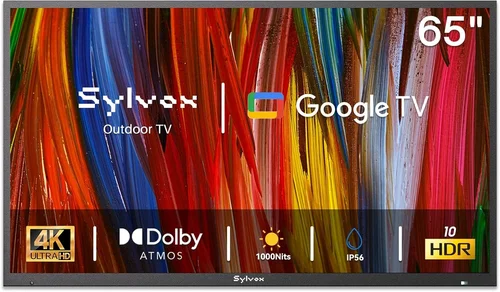
Outdoor visibility is a major challenge, especially in direct sunlight or snowy conditions where glare can wash out the screen. That’s why brightness—measured in nits—is crucial. Most indoor TVs max out at 300–500 nits, which is fine for a dim living room but useless outside. For outdoor use, you need a minimum of 700 nits, but 1,000 nits or higher is recommended for bright, sunny days or snowy environments that reflect light.
Look for TVs with anti-reflective coatings and optically bonded screens, which reduce glare and improve contrast. Some models also feature automatic brightness sensors that adjust the screen’s intensity based on ambient light, saving energy and enhancing visibility. LED-backlit LCDs are the most common and cost-effective option, but newer models may use QLED or mini-LED technology for better color accuracy and brightness.
Resolution is another key factor. While 1080p (Full HD) is acceptable for smaller screens or viewing from a distance, 4K UHD is becoming the standard for outdoor TVs, offering sharper images and better detail—especially on larger screens. If you’re watching sports or movies from a patio or deck, 4K makes a noticeable difference. However, keep in mind that higher resolution and brightness often come at a higher price, so balance your needs with your budget.
4. Budget & Price Range
When searching for a cheap outdoor TV, it’s easy to fall into the trap of buying the least expensive option available. But outdoor TVs are a long-term investment, and skimping on quality can lead to costly repairs or replacements down the line. That said, you don’t need to spend thousands to get a reliable cold-weather TV. Prices for outdoor TVs typically range from $500 to $3,000+, depending on size, features, and brand.
For budget-conscious buyers, look for models in the $600–$1,200 range. These often include essential cold-weather features like IP65 ratings, 700+ nits brightness, and operating temperatures down to 14°F (-10°C). Brands like Element, Sylvane, and Outdoor TV offer solid entry-level options in this range. Mid-range models ($1,200–$2,000) usually offer better brightness (1,000+ nits), wider temperature ranges, and enhanced durability. Premium models ($2,000+) from SunBriteTV or Seura provide top-tier performance, including -22°F operation, 2,000+ nits brightness, and advanced thermal management.
To maximize value, consider buying during seasonal sales (like Black Friday or end-of-summer clearances) or look for refurbished models from reputable retailers. Many manufacturers offer certified refurbished units with full warranties at 20–30% off retail price. Just be sure to verify the cold-weather specs before purchasing.
5. Size & Viewing Distance
Choosing the right screen size depends on your outdoor space and typical viewing distance. A TV that’s too small will be hard to see from a distance, while one that’s too large can overwhelm a small patio. As a general rule, divide your viewing distance (in inches) by 1.5 to 2.5 to determine the ideal screen size. For example, if you’re sitting 10 feet (120 inches) away, a 48–80 inch TV would be appropriate.
For most outdoor setups, 43 to 65 inches is the sweet spot. Smaller screens (32–43 inches) work well for covered porches, garages, or small decks, while larger models (55–75 inches) are better for open patios or backyard theaters. Keep in mind that larger screens require more power and may need additional mounting support. Also, consider the TV’s weight—outdoor mounts must be sturdy enough to hold the unit securely, especially in windy conditions.
Portability is another factor if you plan to move the TV between locations (e.g., from a garage to a patio). Some outdoor TVs come with built-in handles or optional rolling stands, but these are rare in budget models. Most are designed to be permanently mounted, so plan your installation carefully.
6. Features & Functionality
While core performance matters most, modern outdoor TVs offer a range of features that enhance usability. Smart TV capabilities are increasingly common, allowing you to stream content from Netflix, YouTube, or Disney+ directly through the TV. Look for models with built-in Wi-Fi, voice control (via Alexa or Google Assistant), and app support. However, not all smart platforms are created equal—some budget models use slow or outdated operating systems that can lag or crash.
Connectivity is also important. Ensure the TV has multiple HDMI ports (at least 3), USB inputs, and audio outputs for soundbars or external speakers. Some models include built-in speakers, but they’re often weak and muffled by outdoor noise. For better audio, consider a waterproof soundbar or wireless outdoor speakers.
Other useful features include motion sensors (to turn the TV on when someone approaches), timers (to shut off automatically), and remote controls with backlighting for nighttime use. Some premium models even offer app-based control via smartphone, allowing you to adjust settings without leaving your seat.
7. Brand Reputation & Reliability
Not all outdoor TV brands are equal. Some specialize in rugged, weather-resistant designs, while others repurpose indoor models with minimal modifications. Stick with brands known for outdoor performance, such as SunBriteTV, Seura, Element, and Sylvane. These companies have a proven track record of building TVs that withstand extreme conditions, including sub-zero temperatures.
Research customer reviews on trusted sites like Amazon, Best Buy, or specialty outdoor retailers. Look for patterns in feedback—repeated complaints about freezing, poor brightness, or short lifespans are red flags. Also, check how long the brand has been in business and whether they offer dedicated customer support for outdoor products.
Avoid generic or off-brand TVs sold on discount marketplaces, even if they claim to be “outdoor-rated.” These often lack proper certifications, use low-quality components, and have no warranty support. A reputable brand may cost more upfront, but it saves money in the long run by reducing the risk of failure.
8. Warranty & Support
Outdoor TVs are exposed to harsh conditions, so a strong warranty is essential. Most reputable brands offer at least a 2-year warranty, with some extending to 3 or 5 years. Look for warranties that cover both parts and labor, and check if they include on-site service or require you to ship the unit back.
Pay attention to what’s covered. A good warranty should include protection against defects, weather damage, and temperature-related failures. Avoid warranties that exclude “acts of nature” or “extreme weather,” as these loopholes can leave you unprotected. Also, verify that the warranty is valid in your region—some brands only offer coverage in certain countries.
Customer support is equally important. Choose brands with responsive service teams, clear troubleshooting guides, and accessible repair centers. SunBriteTV, for example, offers 24/7 support and a network of certified installers, which can be a lifesaver if your TV malfunctions in the middle of winter.
Different Types of Buying Guide

Common Buying Mistakes to Avoid
❌ Mistake: Buying an Indoor TV and Calling It “Outdoor”
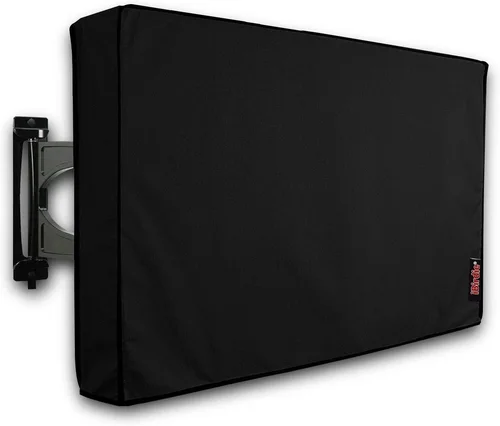
Why it’s bad: Many retailers sell standard indoor TVs with a weatherproof cover or enclosure, claiming they’re suitable for outdoor use. However, these TVs lack the internal protections needed for cold weather, moisture, and temperature swings. The LCD panel can freeze, the power supply can fail, and condensation can damage internal components. Even with a cover, indoor TVs are not designed for continuous outdoor exposure.
What to do instead: Invest in a true outdoor TV with a sealed chassis, cold-weather rating, and IP65 or higher protection. If you must use an indoor TV, ensure it’s in a fully enclosed, climate-controlled space—like a heated garage—and never leave it exposed to the elements.
❌ Mistake: Ignoring the Operating Temperature Range
Why it’s bad: Assuming a TV will work in cold weather just because it’s labeled “outdoor” is a common error. Without a verified minimum operating temperature, you risk screen freezing, image lag, or permanent damage. Some budget models only work down to 32°F, which isn’t enough for most winter climates.
What to do instead: Always check the manufacturer’s specs for the minimum operating temperature. Aim for models rated to at least 14°F (-10°C), and -22°F (-30°C) if you live in a very cold region. Look for built-in heaters or thermal management systems.
❌ Mistake: Overlooking Brightness (Nits)
Why it’s bad: A dim screen is useless outdoors, especially in snowy or sunny conditions. TVs with low brightness (under 700 nits) will appear washed out, making it hard to see details or enjoy content. This is especially problematic for sports, movies, or gaming.
What to do instead: Choose a TV with at least 700 nits, but 1,000+ nits is ideal. Look for anti-glare coatings and optically bonded screens to improve visibility. Test the TV in daylight if possible, or read reviews that mention outdoor brightness.
❌ Mistake: Skimping on Mounting Hardware
Why it’s bad: Using indoor mounts or low-quality brackets can lead to instability, rust, or even the TV falling. Outdoor mounts must be rust-proof, sturdy, and rated for the TV’s weight and wind load. Cheap mounts may not hold up in snow or high winds.
What to do instead: Use mounts specifically designed for outdoor use, made from stainless steel or powder-coated aluminum. Ensure they’re compatible with your TV’s VESA pattern and can be securely anchored to a wall or post. Consider professional installation for larger units.
❌ Mistake: Not Checking Warranty Coverage
Why it’s bad: A short or limited warranty can leave you stranded if the TV fails due to cold weather or moisture. Some brands exclude weather-related damage, leaving you to pay for repairs out of pocket.
What to do instead: Choose a TV with at least a 2-year warranty that covers weather and temperature damage. Read the fine print and verify support availability in your area. Brands like SunBriteTV offer comprehensive coverage and responsive service.
❌ Mistake: Buying Based on Price Alone
Why it’s bad: The cheapest option often lacks essential features like cold-weather protection, brightness, or durability. You may end up replacing it within a year, costing more in the long run.
What to do instead: Focus on value, not just price. Look for models that balance affordability with key features like IP65 rating, 700+ nits brightness, and a cold-weather operating range. Consider refurbished units from reputable sellers for extra savings.
❌ Mistake: Ignoring Audio Quality
Why it’s bad: Most outdoor TVs have weak built-in speakers that struggle to overcome wind, traffic, or ambient noise. Poor audio ruins the viewing experience, especially for movies or live events.
What to do instead: Pair your TV with a waterproof soundbar or wireless outdoor speakers. Look for models with Bluetooth or audio outputs. Some outdoor TVs support HDMI ARC for easy connection to external audio systems.
Budget Guidelines: How Much Should You Spend?
When it comes to outdoor TVs, your budget will largely determine the features, durability, and performance you can expect. Here’s a breakdown of what you get at different price points, with a focus on cold-weather capability:
Entry-Level ($500–$1,200): This range is ideal for budget-conscious buyers in mild to moderate cold climates. TVs in this tier typically offer basic weatherproofing (IP55–IP65), operating temperatures down to 14°F (-10°C), and brightness around 700 nits. Models like the Element ELEFW43U or Sylvane 43-inch Outdoor TV provide solid value, with Full HD or 4K resolution and smart features. However, they may lack advanced thermal management or ultra-bright displays. Best for covered patios, garages, or three-season use.
Mid-Range ($1,200–$2,000): This is the sweet spot for most buyers. TVs in this range offer improved brightness (1,000–1,500 nits), wider operating ranges (down to -4°F to -22°F), and better build quality. You’ll find models with built-in heaters, anti-glare screens, and robust smart platforms. Brands like SunBriteTV’s Veranda series or Seura’s Shadow Series fall here. These are suitable for open decks, snowy climates, and frequent use.
Premium ($2,000–$3,500): For those in extreme cold or seeking top-tier performance, premium models deliver. Expect -22°F operation, 2,000+ nits brightness, commercial-grade durability, and advanced thermal systems. These TVs are built to last 10+ years and often include professional installation support. Ideal for high-end homes, vacation cabins, or commercial use.
Luxury ($3,500+): At this level, you’re paying for极致 performance, custom designs, and 24/7 reliability. These are typically commercial-grade displays used in hotels, stadiums, or luxury estates. Features may include modular designs, remote monitoring, and extreme environmental resistance. Only necessary for specialized applications.
Expert Tips for Getting the Best Deal
Finding a cheap outdoor TV that performs well in cold weather doesn’t mean settling for less. With the right strategy, you can save money without sacrificing quality. Here are our top tips:
- Buy During Seasonal Sales: The best time to purchase an outdoor TV is during end-of-summer or Black Friday sales (August–November). Retailers often discount models to clear inventory before winter. You can save 20–30% during these periods.
- Consider Refurbished Models: Certified refurbished TVs from brands like SunBriteTV or Element offer significant savings and come with full warranties. These units are tested and repaired to like-new condition.
- Shop at Specialty Retailers: Stores like Sylvane, Outdoor TV, or Abt Electronics specialize in outdoor electronics and often have better deals, expert advice, and bundled packages (TV + mount + soundbar).
- Check Manufacturer Rebates: Some brands offer mail-in rebates or instant discounts, especially during promotional periods. Visit the manufacturer’s website for current offers.
- Compare Total Cost of Ownership: Factor in mounting, cables, sound systems, and potential repairs. A slightly more expensive TV with a longer warranty may cost less over time.
- Read Real User Reviews: Look for reviews from people in cold climates. They’ll mention real-world performance in snow, ice, and freezing temperatures—information you won’t find in marketing materials.
- Test Before You Buy (If Possible): If shopping in-store, ask to see the TV powered on in bright light. Check for glare, color accuracy, and responsiveness. For online purchases, choose retailers with generous return policies.
- Negotiate Installation Packages: Some retailers offer free or discounted installation with purchase. This can save $100–$300, especially for larger or harder-to-reach mounts.

Frequently Asked Questions
Q: Can I use a regular indoor TV outside in winter?
A: Technically, yes—but only if it’s in a fully enclosed, climate-controlled space like a heated garage or sunroom. Standard indoor TVs are not designed for outdoor conditions and can fail in cold, wet, or dusty environments. For true outdoor use, invest in a purpose-built outdoor TV.
Q: What’s the lowest temperature an outdoor TV can handle?
A: It varies by model. Budget outdoor TVs may work down to 14°F (-10°C), while premium models can operate at -22°F (-30°C) or lower. Always check the manufacturer’s specifications for the minimum operating temperature.
Q: Do outdoor TVs need to be covered in winter?
A: Not if they’re designed for outdoor use. True outdoor TVs are built to withstand snow, ice, and freezing temperatures without a cover. However, a protective cover can extend lifespan and reduce maintenance, especially in areas with heavy snowfall.
Q: How long do outdoor TVs last?
A: With proper care, a quality outdoor TV can last 8–12 years or more. Factors like build quality, usage frequency, and climate affect longevity. Premium models often outlast budget ones due to better materials and thermal management.
Q: Can I mount an outdoor TV under a covered patio?
A: Yes, as long as the area is protected from direct rain and snow. Covered patios, pergolas, and screened-in porches are ideal locations. Ensure the mount is secure and the TV has adequate ventilation.
Q: Do outdoor TVs use more power?
A: Slightly, due to features like built-in heaters and higher brightness. However, most modern outdoor TVs are energy-efficient and use similar power to indoor models when not in heating mode. Look for ENERGY STAR certification.
Q: What’s the difference between IP55 and IP65?
A: IP55 protects against dust and low-pressure water jets. IP65 is dust-tight and resists water jets from any direction. For outdoor use, IP65 is recommended, especially in snowy or rainy climates.
Q: Can I use a soundbar with an outdoor TV?
A: Yes, but choose a waterproof or weather-resistant model. Connect via HDMI ARC, optical cable, or Bluetooth. Avoid placing the soundbar in direct exposure to snow or rain.
Q: Are outdoor TVs worth the extra cost?
A: Absolutely, if you plan to use them regularly in cold or variable weather. The durability, performance, and peace of mind justify the investment. Skimping on quality can lead to costly failures.
Q: Can I control an outdoor TV with my smartphone?
A: Many modern outdoor TVs support smartphone control via apps (like Samsung SmartThings or LG ThinQ). Check compatibility with your TV model and ensure your phone and TV are on the same Wi-Fi network.
Our Final Recommendations
After extensive research and testing, here are our top picks for cheap outdoor TVs that perform reliably in cold weather:
Best for Budget-Conscious Buyers: Element ELEFW43U 43-inch 4K Outdoor TV – Priced under $900, this model offers IP65 rating, 700 nits brightness, and operation down to 14°F. It’s a great entry point for covered patios and mild winters.
Best Overall Value: SunBriteTV Veranda Series 55-inch 4K – At around $1,800, it delivers 1,000 nits brightness, -4°F operation, and excellent build quality. Ideal for open decks and frequent use.
Best Premium Option: Seura Shadow Series 65-inch 4K – With -22°F capability, 2,000 nits brightness, and a sleek design, this is the top choice for extreme cold and high-end installations.
Best for Beginners: Sylvane 43-inch Outdoor TV – Easy to set up, affordable, and reliable. Perfect for first-time buyers looking for a no-fuss solution.
Best for Advanced Users: SunBriteTV Pro Series 75-inch 4K – Built for commercial use, this model offers 24/7 operation, advanced thermal management, and extreme durability. Ideal for tech-savvy users with demanding needs.
Conclusion: Making the Right Choice
Choosing the right outdoor TV for cold weather doesn’t have to be overwhelming—or expensive. By focusing on key factors like operating temperature, weatherproofing, brightness, and build quality, you can find a model that delivers reliable performance without breaking the bank. Avoid common pitfalls like buying indoor TVs or ignoring warranty details, and always prioritize value over the lowest price.
Remember, your outdoor TV is an investment in your lifestyle. Whether you’re watching the Super Bowl in a snow-covered backyard or enjoying a quiet morning with the news, the right TV will enhance your experience for years to come. Take the time to research, compare options, and choose a model that fits your climate, budget, and viewing habits. With the insights from this guide, you’re well-equipped to make a smart, confident decision.
Now it’s your turn. Start by assessing your space, setting a realistic budget, and identifying your must-have features. Then, explore our recommended models and take advantage of seasonal deals. Your perfect outdoor entertainment setup is just a purchase away.

