
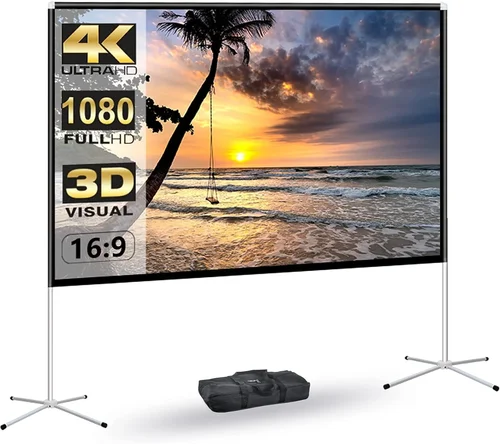
If you’ve ever tried to enjoy a movie night under the stars only to squint at a dim, washed-out screen or battle glare from the setting sun, you know how frustrating it can be to get backyard entertainment right. A quality outdoor TV doesn’t have to break the bank—but finding a truly affordable option that still delivers solid performance, durability, and visibility in bright conditions is easier said than done. That’s where this guide comes in. Whether you’re hosting summer barbecues, watching the big game with friends, or simply unwinding after a long day with your favorite show, having a reliable TV on your large patio transforms your outdoor space into a true extension of your living room.
In this comprehensive buying guide, we’ll walk you through everything you need to know to choose the best cheap backyard TV for your needs—without sacrificing essential features or longevity. We’ll cover key specs like brightness, weather resistance, screen size, and connectivity, compare different types of outdoor TVs, highlight common pitfalls to avoid, and even share expert tips for scoring the best deals. By the end, you’ll have a clear roadmap to make a smart, informed purchase that fits both your budget and your lifestyle. The market for outdoor TVs has evolved significantly in recent years, with more brands offering budget-friendly models that don’t skimp on core functionality. However, not all “cheap” options are created equal, and understanding what truly matters will save you time, money, and disappointment.

What to Look for When Buying Buying Guide
1. Brightness & Visibility in Sunlight
One of the most critical factors for any outdoor TV is brightness—especially if your patio gets direct sunlight during parts of the day. Standard indoor TVs typically range from 200 to 400 nits (a unit measuring luminance), which is fine for dimly lit rooms but utterly inadequate outdoors. For patios exposed to daylight, you’ll want a minimum of 700 nits, with 1000+ nits being ideal. This ensures the image remains visible even when the sun is high. Look for terms like “high-brightness,” “sunlight-readable,” or “outdoor-optimized” in product descriptions. Some budget models use anti-glare coatings or matte finishes to reduce reflections, which can help—but nothing beats raw brightness when it comes to visibility.
2. Weather Resistance & IP Rating
Outdoor electronics must withstand rain, dust, humidity, and temperature swings. This is where the Ingress Protection (IP) rating becomes essential. An IP55 rating means the TV is protected against dust (limited ingress) and water jets from any direction—sufficient for most covered patios. For fully exposed areas, aim for IP65 or higher, which offers complete dust protection and resistance to low-pressure water streams. Keep in mind that “weather-resistant” doesn’t always mean “weatherproof.” Many cheap outdoor TVs are only suitable for semi-covered spaces like screened-in porches or under eaves. Always check the manufacturer’s installation guidelines—some void warranties if used in direct rain or extreme temperatures.
3. Screen Size & Viewing Distance
For a large patio, screen size matters—but bigger isn’t always better. A 55-inch TV might look tiny from 15 feet away, while a 75-inch model could overwhelm a smaller seating area. As a rule of thumb, your viewing distance (in inches) should be about 1.5 to 2.5 times the screen’s diagonal size. So for a 65-inch TV, ideal viewing is between 8 and 14 feet. Also consider mounting height: screens should be positioned so the center is at or slightly below eye level when seated. Many budget outdoor TVs come in standard sizes (50″, 55″, 65″), but availability can vary. Don’t forget to measure your space—including clearance for ventilation and cable routing—before committing.
4. Build Quality & Durability
Cheap doesn’t have to mean flimsy, but it often does. Pay close attention to materials: aluminum or powder-coated steel enclosures resist rust and corrosion far better than plastic. Check hinge quality if the TV tilts or swivels, and ensure ports are sealed or covered. Internal components should also be rated for outdoor use—some manufacturers use modified indoor TVs with external weatherproof shells, which may not handle temperature extremes as well as purpose-built models. Look for reinforced corners, sealed speaker grilles, and minimal gaps where moisture could seep in. A well-built budget TV might cost $50–$100 more upfront but will last years longer than a poorly constructed alternative.
5. Smart Features & Connectivity
Even on a budget, you’ll want modern conveniences like Wi-Fi, Bluetooth, and streaming apps. Most affordable outdoor TVs now include built-in platforms like Roku, Android TV, or webOS, giving you access to Netflix, YouTube, Disney+, and more without needing a separate streaming box. HDMI ports (at least two) are essential for connecting gaming consoles, soundbars, or cable boxes. USB ports allow for media playback or firmware updates. Some models even offer voice control via Alexa or Google Assistant. Avoid TVs that rely solely on external streaming devices—this adds cost, clutter, and potential points of failure. Also verify that the remote works reliably in bright conditions; some budget remotes struggle with line-of-sight issues outdoors.
6. Audio Performance
Don’t overlook sound quality. Most budget outdoor TVs have underpowered built-in speakers—often just 10W total—that struggle to fill a large patio, especially with ambient noise like wind, traffic, or chatter. While you can always add a wireless outdoor soundbar or Bluetooth speakers, integrated audio should still be decent. Look for TVs with at least 20W output and features like Dolby Audio or DTS Virtual:X for better clarity. Some models include audio-out ports (optical or 3.5mm) for easy external speaker integration. If audio is a priority, consider allocating part of your budget to a separate sound system rather than relying solely on the TV’s speakers.
7. Brand Reputation & Reliability
Not all budget brands are equal. Established names like Samsung, LG, and Sony offer outdoor-compatible models (often labeled “commercial” or “hospitality”) that balance affordability and reliability. Emerging brands like SunBriteTV (now part of Sylvane), Seura, and Peerless offer dedicated outdoor TVs at various price points. Be cautious with unknown brands selling extremely low-priced “outdoor” TVs on Amazon or eBay—many are repackaged indoor units with minimal weatherproofing. Read professional reviews and user feedback carefully. A brand with a history of supporting outdoor displays is more likely to provide accurate specs and responsive customer service.
8. Warranty & Support
Outdoor use inherently increases wear and tear, so warranty coverage is crucial. Most reputable brands offer 1–2 years of limited warranty, but some extend coverage for outdoor-specific issues like moisture damage or UV degradation. Check what’s included: does it cover labor? Are replacement parts readily available? Is there U.S.-based support? Avoid products with no warranty or vague terms like “as-is.” Also note that improper installation (e.g., mounting in direct rain) often voids coverage—so follow the manual precisely. A strong warranty can turn a slightly pricier model into a smarter long-term investment.
Different Types of Buying Guide

Common Buying Mistakes to Avoid
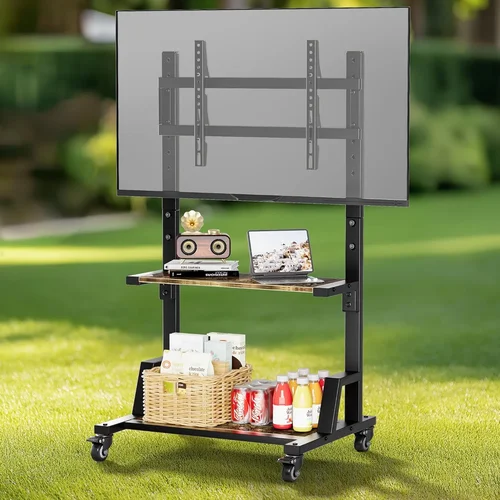
❌ Mistake: Buying an Indoor TV for Outdoor Use
Why it’s bad: Indoor TVs lack the brightness, weather resistance, and thermal management needed for outdoor environments. They can overheat, suffer screen burn-in from UV exposure, or short-circuit in humid conditions—often within months.
What to do instead: Only purchase TVs explicitly rated for outdoor or semi-outdoor use. If you must use an indoor model, pair it with a certified outdoor enclosure and ensure it’s never exposed to direct elements.
❌ Mistake: Ignoring the IP Rating
Why it’s bad: Without proper ingress protection, dust and moisture will degrade internal components over time. Even light rain or morning dew can cause corrosion, leading to flickering screens or complete failure.
What to do instead: Match the IP rating to your climate and installation location. For covered patios, IP55 is sufficient; for open areas, insist on IP65 or higher.
❌ Mistake: Overlooking Brightness Needs
Why it’s bad: A dim screen turns movie night into a guessing game. You’ll constantly adjust seating or shade, ruining the experience and straining your eyes.
What to do instead: Measure your patio’s typical daylight levels. If it’s sunny for more than 2 hours a day, choose a TV with at least 700 nits. Use a lux meter app on your phone to estimate ambient light if unsure.
❌ Mistake: Skimping on Mounting Hardware
Why it’s bad: Cheap mounts may not support the TV’s weight, lack tilt/swivel for optimal viewing angles, or fail to seal against the wall—allowing water intrusion.
What to do instead: Invest in a VESA-compatible outdoor mount with weatherproof gaskets and corrosion-resistant bolts. Many reputable TV brands sell matching mounts designed for their models.
❌ Mistake: Neglecting Audio Setup
Why it’s bad: Poor sound makes dialogue unintelligible and action scenes underwhelming. You’ll end up shouting over the TV or missing key moments.
What to do instead: Budget for a wireless outdoor soundbar or weatherproof speakers. Many budget TVs support Bluetooth audio output, making this upgrade simple and cost-effective.
❌ Mistake: Not Checking Return Policies
Why it’s bad: Outdoor TVs are expensive to ship back, and some retailers charge restocking fees or refuse returns on “used” items—even if defective.
What to do instead: Buy from retailers with generous return windows (30+ days), free return shipping, and clear policies on defective units. Amazon, Best Buy, and Crutchfield are generally reliable.
❌ Mistake: Assuming All “Outdoor” TVs Are Equal
Why it’s bad: Marketing terms like “outdoor-ready” or “weather-resistant” are loosely regulated. Some products barely meet minimum standards while charging premium prices.
What to do instead: Read third-party reviews, check spec sheets for exact IP ratings and brightness, and verify warranty terms before purchasing.
Budget Guidelines: How Much Should You Spend?
– Entry-Level ($400–$700): Ideal for shaded or evening-only use. Expect 50–55″ screens, 500–700 nits brightness, IP55 rating, and basic smart features. Great for small patios or temporary setups. Brands like TCL and Hisense offer compatible models in this range when paired with enclosures.
– Mid-Range ($700–$1,200): The sweet spot for most homeowners. You’ll find 55–65″ TVs with 700–1000+ nits, IP65 ratings, robust builds, and full smart platforms. Models from SunBriteTV’s Veranda series or Samsung’s commercial displays often fall here. Perfect for large patios with mixed lighting.
– Premium ($1,200–$2,000): For those who want reliability and performance. These include larger screens (65–75″), ultra-high brightness (1000–2000 nits), advanced cooling systems, and extended warranties. Ideal for commercial use or extreme climates.
– Luxury ($2,000+): Top-tier all-weather TVs with 4K HDR, anti-reflective coatings, integrated sound systems, and 5-year warranties. Best for luxury homes, resorts, or users who demand flawless performance in any condition.
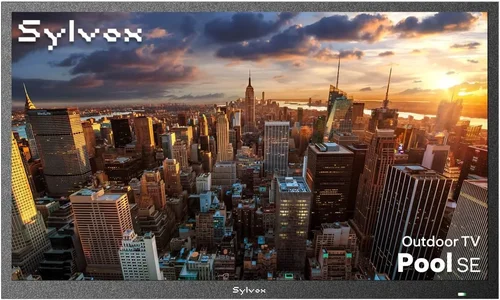
Expert Tips for Getting the Best Deal
– Buy During Off-Seasons: Prices drop significantly in late fall and winter (October–February) when demand for outdoor gear declines. Retailers often clear inventory before spring.
– Check Manufacturer Refurbished Programs: Brands like Samsung and LG sell certified refurbished outdoor-compatible models at 20–30% off with full warranties.
– Use Price Tracking Tools: Set alerts on CamelCamelCamel (for Amazon) or Honey to notify you when prices dip on specific models.
– Bundle with Accessories: Some retailers offer discounts when you buy a TV + mount + soundbar together. Compare bundled vs. individual pricing.
– Consider Open-Box Deals: Best Buy and Micro Center often have open-box outdoor TVs in “excellent” condition at steep discounts—just verify the warranty still applies.
– Negotiate with Local Installers: If hiring a professional, ask if they have partnership deals with TV brands for discounted hardware.
– Read the Fine Print on “Free Shipping”: Some companies charge restocking fees or require you to pay return shipping if you change your mind—factor this into total cost.
– Test Before Finalizing: If buying in-store, ask to see the TV powered on in bright lighting. Check for dead pixels, color accuracy, and remote responsiveness.

Frequently Asked Questions
Q: Can I use a regular TV outside if it’s under cover?
A: Technically yes—but it’s risky. Even under cover, humidity, temperature swings, and indirect moisture can damage internal components. Most indoor TVs aren’t designed for 24/7 operation or outdoor thermal cycles. For anything beyond occasional, fully protected use, invest in a proper outdoor or semi-outdoor model.
Q: Do outdoor TVs need special cables?
A: Standard HDMI and power cables work, but for longevity, use outdoor-rated cables with UV-resistant jackets and waterproof connectors. Avoid running cables through walls without conduit.
Q: How do I clean an outdoor TV screen?
A: Use a microfiber cloth and distilled water only. Never spray liquid directly on the screen. For stubborn grime, lightly dampen the cloth—not the screen—and wipe gently. Avoid ammonia-based cleaners.
Q: Will an outdoor TV work in winter?
A: Most are rated for temperatures from -22°F to 122°F (-30°C to 50°C). However, extreme cold can temporarily reduce brightness. Allow the TV to acclimate indoors before first winter use if stored in an unheated space.
Q: Can I leave my outdoor TV on all the time?
A: Commercial-grade models are built for 24/7 operation, but consumer outdoor TVs aren’t. Continuous use generates heat and wears out components faster. Turn it off when not in use to extend lifespan.
Q: Do I need a surge protector?
A: Absolutely. Outdoor electronics are vulnerable to lightning-induced power surges. Use a high-quality outdoor surge protector with at least 2000 joules of protection and connect it to a grounded outlet.
Q: Are outdoor TVs energy efficient?
A: Modern LED-backlit models are quite efficient, typically using 100–200 watts depending on size and brightness. Look for ENERGY STAR certification if power consumption is a concern.
Q: Can I stream 4K content outdoors?
A: Yes—if your TV supports 4K and you have strong Wi-Fi. However, high brightness modes can increase bandwidth usage. Ensure your router covers the patio area or use a Wi-Fi extender.
Q: What’s the difference between “outdoor” and “commercial” TVs?
A: Commercial TVs are built for public spaces (hotels, bars) and often include features like lockable controls, 24/7 operation, and remote management. Many are also outdoor-rated, making them great for home use if you need extra durability.
Q: How long do outdoor TVs last?
A: With proper care, 5–8 years is typical. Harsh climates or poor installation can shorten this. Regular cleaning, surge protection, and avoiding extreme temps help maximize longevity.
Our Final Recommendations
– Best for Budget-Conscious Buyers: TCL 55S555 55″ QLED (paired with a Peerless outdoor enclosure) – Delivers 700+ nits, Roku OS, and excellent color for under $600 total. Perfect for covered patios.
– Best Overall Value: SunBriteTV Veranda Series 55″ – Purpose-built for outdoors with IP55 rating, 1000 nits brightness, and robust aluminum chassis. Priced around $900, it balances cost and performance.
– Best Premium Option: Samsung QMB 65″ Commercial Display – 2000 nits, IP55, 24/7 operation, and stunning 4K HDR. Ideal for large, sunny patios where visibility is paramount.
– Best for Beginners: Hisense 50A6H + Outdoor TV Cover – Affordable 50″ 4K TV with decent brightness; use with a high-quality cover for basic protection. Great for learning the ropes.
– Best for Advanced Users: Seura 65″ Shadow Series – Ultra-thin design, 1500 nits, IP65, and integrated ambient light sensor that auto-adjusts brightness. A sleek, high-performance choice for tech-savvy homeowners.
Conclusion: Making the Right Choice
Choosing a cheap backyard TV for your large patio doesn’t mean compromising on quality—it means being smart about what truly matters. Prioritize brightness, weather resistance, and build quality over flashy extras you may never use. Remember, the goal isn’t just to save money upfront, but to invest in a device that enhances your outdoor lifestyle for years to come. Use the factors, comparisons, and tips in this guide to narrow your options, avoid common traps, and find a model that fits both your space and your budget.
Every patio is unique, and so are your viewing habits. Whether you’re watching sunset movies with family or hosting game-day gatherings, the right TV will make those moments more immersive and enjoyable. Don’t rush the decision—take time to measure your space, assess lighting conditions, and read real user reviews. And when you do buy, protect your investment with proper mounting, surge protection, and regular maintenance.
Your backyard deserves more than a compromised viewing experience. With the right TV, it becomes a true entertainment hub—one that brings people together under open skies. So go ahead, upgrade your outdoor living space, and start enjoying every season to the fullest. Happy watching!

