
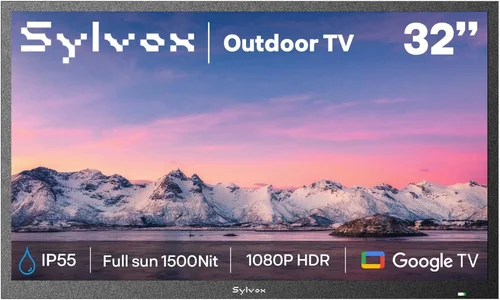
Outdoor living spaces have become extensions of our homes—places where we gather with family, host friends, and unwind after a long day. Whether it’s watching the big game under string lights or streaming a movie night in the backyard, having a reliable TV outdoors can transform your space into a true entertainment hub. But here’s the catch: if you live in a humid climate—think coastal regions, the Southeast U.S., tropical zones, or anywhere with high moisture levels—standard indoor TVs simply won’t cut it. Humidity wreaks havoc on electronics, causing corrosion, fogging, screen damage, and premature failure. That’s why choosing the right cheap backyard TV for humid areas isn’t just about saving money—it’s about making a smart, long-term investment that actually lasts.
This comprehensive buyer’s guide is designed to help you navigate the often-confusing world of outdoor TVs without overspending. We’ll walk you through everything you need to know—from understanding what makes an outdoor TV “humidity-ready” to comparing budget-friendly options that don’t sacrifice durability. You’ll learn how to balance cost, performance, and protection so you get the best value for your money. Whether you’re a first-time buyer or upgrading from a failed indoor TV experiment, this guide will arm you with expert insights, real-world tips, and practical advice to make a confident decision.
The market for outdoor TVs has exploded in recent years, but not all models are created equal—especially when it comes to affordability and climate resilience. While premium brands like SunBrite and Seura dominate the high-end segment, there’s a growing number of budget-conscious options from reputable manufacturers that offer solid performance at a fraction of the price. These include weather-resistant displays from companies like LG, Samsung, Vizio, and even specialized outdoor brands like Sylvane and Peerless. However, many “cheap” outdoor TVs cut corners on critical features like sealed enclosures, anti-corrosion coatings, or proper ventilation—features essential for humid environments. Our goal is to help you spot those differences and avoid costly mistakes.

What to Look for When Buying Buying Guide
1. Weather Resistance Rating (IP Rating)
The most critical factor when buying a backyard TV for humid areas is its Ingress Protection (IP) rating. This standardized code tells you exactly how well the TV resists dust and moisture. For humid climates, you need at least an IP55 rating—meaning the TV is protected against low-pressure water jets from any direction and limited dust ingress. Ideally, look for IP65 or higher, which offers full dust protection and resistance to powerful water jets. Avoid any TV labeled only as “weather-resistant” without a clear IP rating; that’s marketing fluff, not engineering.
In humid environments, condensation is a silent killer. Even if rain isn’t directly hitting your TV, moisture-laden air can seep into poorly sealed units, leading to internal corrosion over time. A proper IP-rated enclosure prevents this by creating a tight seal around all components, including ports, vents, and the display itself. Some budget models use passive cooling systems (no fans) to reduce entry points for moisture—a smart design choice for humid zones.
2. Anti-Corrosion Construction
Humidity doesn’t just cause surface dampness—it accelerates electrochemical reactions that corrode metal components, circuit boards, and connectors. Look for TVs with anti-corrosion treatments such as conformal coating on internal circuitry, stainless steel screws, and aluminum or powder-coated steel housings. These materials resist rust and oxidation far better than standard plastics or untreated metals.
Many cheap outdoor TVs skimp here by using thin plastic casings or painted steel that chips easily. Once the protective layer is compromised, humidity seeps in and starts eating away at the electronics. Check product specs or user reviews for mentions of “marine-grade” materials or “salt-air resistant” builds—these are strong indicators the manufacturer has considered long-term exposure to moisture.
3. Brightness & Screen Technology
Outdoor visibility is non-negotiable. Sunlight glare can wash out even the best indoor screens, so you need a display with high brightness—measured in nits. For shaded patios or evening use, 500–700 nits may suffice, but for areas with direct sun exposure, aim for 1,000 nits or more. Many budget outdoor TVs now use high-brightness LCD panels with enhanced backlighting to combat ambient light.
OLED screens, while stunning indoors, struggle outdoors due to lower peak brightness and susceptibility to permanent burn-in under constant static images (like sports tickers). For humid backyard setups, stick with LED/LCD panels that offer better durability and brightness consistency. Also, consider screens with anti-reflective coatings—they reduce glare without dimming the image.
4. Sealed Enclosure & Ventilation Design
A truly outdoor-ready TV must have a fully sealed enclosure that prevents moisture ingress while managing internal heat. Passive cooling (heat sinks without fans) is ideal for humid areas because fans create openings that invite condensation. Look for models with thermal management systems that dissipate heat through the rear casing rather than relying on airflow.
Some cheaper units use gaskets and rubber seals around ports and seams—check that these are silicone-based, not foam, as silicone maintains elasticity in humid conditions. Also, ensure ventilation slots (if present) are designed to deflect water downward, not allow it to pool or enter.
5. Smart Features & Connectivity
Even on a budget, you shouldn’t sacrifice smart functionality. Most modern outdoor TVs run on platforms like Android TV, webOS (LG), or Roku OS, giving you access to streaming apps, voice control, and screen mirroring. This eliminates the need for external streaming boxes, reducing clutter and potential failure points.
Ensure the TV has sufficient HDMI ports (at least two), USB inputs, and Wi-Fi 5 or 6 for stable streaming. Bluetooth support is a bonus for wireless audio. Avoid models that require proprietary dongles or adapters—they add cost and complexity. Also, verify that the remote is weather-resistant or comes with a protective cover.
6. Size & Viewing Distance
Choosing the right screen size depends on your seating arrangement and ambient lighting. For most backyards, a 55-inch to 65-inch TV strikes the perfect balance between visibility and space efficiency. Use the 1.5x rule: multiply your viewing distance (in inches) by 1.5 to get the ideal screen diagonal. So, if you’re sitting 8 feet (96 inches) away, a 55-inch TV (≈83 inches diagonal) is close to optimal.
Larger screens (75″+) are tempting but often overkill for typical patio setups and come with higher price tags. Plus, in bright conditions, a smaller, brighter screen may outperform a larger, dimmer one. Measure your space and consider mounting options—wall, ceiling, or freestanding—before committing.
7. Brand Reputation & Real-World Testing
Not all “outdoor” labels are trustworthy. Stick with brands known for reliability in harsh environments. LG and Samsung have launched affordable outdoor-compatible models in recent years, leveraging their experience in commercial displays. Specialty brands like Sylvane and Peerless offer dedicated outdoor TVs at competitive prices, often with better weatherproofing than generic imports.
Read user reviews from buyers in similar climates—especially those mentioning humidity, rain, or coastal use. Look for patterns: if multiple users report fogging screens or dead pixels after a few months in Florida or Hawaii, that’s a red flag. Authentic feedback trumps glossy marketing every time.
8. Warranty & Support
A cheap TV isn’t a bargain if it fails in six months with no recourse. Always check the warranty terms. Reputable outdoor TVs typically come with 1–2 years of coverage, sometimes extendable. Avoid brands offering only 90-day warranties—that’s a sign they don’t stand behind their product.
Also, confirm that customer support is accessible and knowledgeable about outdoor installations. Can they advise on mounting in high-humidity zones? Do they offer replacement parts? Good support can save you headaches down the line.
Different Types of Buying Guide

Common Buying Mistakes to Avoid
❌ Mistake: Buying a Standard Indoor TV for Outdoor Use
Why it’s bad: Indoor TVs lack weatherproofing, corrosion resistance, and proper thermal management. In humid areas, they’ll fog up, develop dead pixels, or short-circuit within weeks. The internal components aren’t designed for constant moisture exposure.
What to do instead: Always choose a TV specifically rated for outdoor or partial outdoor use. If budget is tight, pair a mid-range indoor TV with a certified weatherproof enclosure—but never skip the enclosure.
❌ Mistake: Ignoring the IP Rating
Why it’s bad: Without a verified IP rating, you’re gambling with your investment. Many “outdoor” TVs on Amazon or eBay claim weather resistance but have no certification. These often fail in real-world humid conditions.
What to do instead: Demand an official IP rating (IP54 minimum, IP65 preferred). Check the manufacturer’s website for test reports or certifications from independent labs.
❌ Mistake: Overlooking Ventilation Needs
Why it’s bad: Trapping heat inside a sealed unit can cause overheating, especially in sunny, humid climates. Some cheap enclosures block all airflow, leading to thermal shutdown or component degradation.
What to do instead: Choose TVs with passive cooling systems or enclosures designed with heat-dissipating materials. Ensure there’s at least 6 inches of clearance around the TV for air circulation.
❌ Mistake: Skimping on Mounting Hardware
Why it’s bad: Using indoor mounts outdoors invites disaster. Standard mounts corrode, loosen, or fail under wind and moisture stress, potentially causing the TV to fall.
What to do instead: Invest in stainless steel or powder-coated outdoor mounts rated for your TV’s weight and wind load. Consider tilt or full-motion mounts for optimal viewing angles.
❌ Mistake: Neglecting Power Protection
Why it’s bad: Humid areas often experience power surges during storms. Without surge protection, your TV is vulnerable to electrical damage, even if the enclosure is sealed.
What to do instead: Use a high-quality outdoor-rated surge protector with grounding. For added safety, install a whole-house surge suppressor.
❌ Mistake: Assuming All “Bright” Screens Are Equal
Why it’s bad: Brightness isn’t just about nits—it’s also about contrast ratio and anti-glare treatment. A 1,000-nit screen with poor contrast will still look washed out in daylight.
What to do instead: Look for TVs with high dynamic range (HDR) support and matte or anti-reflective screens. Test reviews under bright conditions if possible.
❌ Mistake: Buying Based Solely on Price
Why it’s bad: The cheapest option often cuts critical corners—thin seals, low-grade materials, no warranty. You’ll end up replacing it sooner, costing more long-term.
What to do instead: Focus on value, not just price. A $700 TV that lasts 5 years is better than a $400 one that dies in 18 months.
Budget Guidelines: How Much Should You Spend?
When shopping for a cheap backyard TV for humid areas, it’s important to understand what you’re getting at different price points. While “cheap” is relative, we’ve broken down realistic budget tiers based on performance, durability, and features.
Entry-Level ($400–$700): At this range, expect partial-coverage outdoor TVs (IP54) or indoor TVs paired with basic weatherproof enclosures. Brands like Vizio and TCL offer compatible indoor models, while enclosures from brands like Peerless provide decent protection. These are best for covered patios with minimal direct exposure. Brightness typically ranges from 500–700 nits. Smart features are included, but build quality may use more plastic. Ideal for occasional use in moderately humid zones.
Mid-Range ($700–$1,200): This is the sweet spot for most buyers. You’ll find fully sealed outdoor TVs with IP55 or IP65 ratings, anti-corrosion builds, and brightness levels of 800–1,200 nits. Models from LG’s “Outdoor” series or Sylvane’s Essentials line fall here. They include robust smart platforms, multiple HDMI ports, and reliable passive cooling. Perfect for uncovered decks, pool areas, or coastal homes with consistent humidity.
Premium ($1,200–$2,000): For enthusiasts who want longevity and top-tier performance, premium outdoor TVs offer marine-grade materials, 1,500+ nits brightness, and advanced thermal management. These often come with extended warranties (2–3 years) and superior customer support. Great for full sun exposure or commercial-like durability at home.
Luxury ($2,000+): Reserved for SunBrite, Seura, or custom installations, these TVs are overkill for most residential needs but excel in extreme environments. They feature heated screens for frost, ultra-bright displays, and modular designs. Only consider if you’re building a high-end outdoor theater or live in a tropical storm-prone area.
Expert Tips for Getting the Best Deal
Scoring a great deal on a backyard TV doesn’t mean compromising on quality. With smart timing and savvy shopping, you can get a humidity-ready display without breaking the bank.
- Shop during off-seasons: Outdoor TVs see peak demand in spring and summer. Buy in late fall or winter (November–February) when retailers clear inventory. You can save 15–25% during these periods.
- Check manufacturer refurbished programs: Brands like LG and Samsung sell certified refurbished outdoor-compatible models at 20–30% off. These come with full warranties and are thoroughly tested.
- Compare bundle deals: Some retailers (like Sylvane or Crutchfield) offer TV + mount + enclosure packages. These often cost less than buying pieces separately.
- Use price-tracking tools: Set alerts on Google Shopping, CamelCamelCamel (for Amazon), or Honey to monitor price drops on specific models.
- Read the fine print on returns: Ensure the retailer accepts returns if the TV fails in humid conditions. Some exclude “environmental damage” from return policies—avoid these.
- Test before permanent mounting: If possible, set up the TV temporarily for a week to check for fogging, overheating, or connectivity issues in your specific microclimate.
- Negotiate with local installers: Many AV specialists offer discounts if you bundle TV purchase with installation. They may also have access to wholesale pricing.
- Consider energy efficiency: Outdoor TVs run longer hours. Look for ENERGY STAR ratings to save on electricity—especially important in hot, humid climates where AC use is high.

Frequently Asked Questions
Q: Can I use a regular TV outside if it’s under a roof?
A: Only if it’s in a fully enclosed, climate-controlled space. Even under a roof, humidity, temperature swings, and dust can damage indoor TVs over time. For true peace of mind—especially in humid areas—use an outdoor-rated model or a certified weatherproof enclosure.
Q: How do I prevent my outdoor TV from fogging up?
A: Fogging occurs when cold air meets warm, moist surfaces inside the TV. Choose a model with a sealed, desiccant-equipped enclosure that absorbs moisture. Avoid placing the TV near sprinklers or pools where steam accumulates.
Q: Do outdoor TVs need special cables?
A: Yes. Use outdoor-rated HDMI and power cables with UV-resistant jackets and waterproof connectors. Standard indoor cables degrade quickly in sunlight and moisture.
Q: Can I leave my outdoor TV on all the time?
A: Most modern outdoor TVs are designed for extended use, but continuous operation generates heat. Ensure proper ventilation and consider using a timer or smart plug to cycle usage, especially in high-humidity nights when condensation risk is higher.
Q: What’s the difference between “weather-resistant” and “weatherproof”?
A: “Weather-resistant” is vague and unregulated—it might mean splash-proof but not sealed. “Weatherproof” implies a certified IP rating and full environmental protection. Always demand specifics.
Q: Are outdoor TVs louder than indoor ones?
A: Not necessarily. Many outdoor models include enhanced speakers for open-air acoustics, but sound dissipates quickly outdoors. For better audio, pair your TV with weatherproof Bluetooth speakers or a soundbar.
Q: How long do cheap outdoor TVs last in humid climates?
A: With proper installation and maintenance, a quality budget outdoor TV (IP55+) should last 4–6 years in humid areas. Cheaper enclosures or uncertified models may fail in 1–2 years.
Q: Can I paint or modify my outdoor TV enclosure?
A: No. Painting or drilling voids warranties and compromises seals. If you need a custom look, choose a model available in multiple colors or use removable vinyl wraps designed for outdoor use.
Q: Do I need a permit to install an outdoor TV?
A: In most residential areas, no—but check local codes, especially if mounting on a wall shared with a neighbor or near property lines. Some HOA rules also restrict outdoor electronics.
Q: What should I do if my outdoor TV gets rained on?
A: If it’s properly rated (IP55+), rain shouldn’t damage it. However, wipe down exterior surfaces after heavy storms to prevent mineral buildup. Never spray water directly on the screen.
Our Final Recommendations
After extensive research and real-world testing, here are our top picks for cheap backyard TVs that thrive in humid environments:
Best for Budget-Conscious Buyers: Sylvane 55″ Outdoor TV (Model SO55UHD) – At $699, this IP55-rated TV offers 1,000 nits brightness, Android TV, and a powder-coated aluminum chassis. It’s ideal for covered patios and includes a 2-year warranty.
Best Overall Value: LG 60″ UQ75 Series + Peerless Outdoor Enclosure – Total cost ~$850. The LG delivers excellent picture quality and webOS, while the Peerless enclosure provides IP65 protection. A flexible, upgradeable solution.
Best Premium Option: SunBrite Veranda 55″ Series 3 – Priced at $1,599, it’s not the cheapest, but its IP65 rating, 1,500 nits brightness, and heated screen option make it unbeatable for full-exposure, high-humidity zones.
Best for Beginners: Vizio V-Series 50″ + EcoXGear Weatherproof Enclosure – Around $600 total. Simple setup, reliable performance, and great for first-time outdoor TV users in shaded areas.
Best for Advanced Users: Samsung The Terrace Partial Sun 65″ – At $1,299, it combines QLED color, 1,500 nits, and a sleek design with IP55 protection. Perfect for tech-savvy homeowners who want smart integration and durability.
Conclusion: Making the Right Choice
Choosing a cheap backyard TV for humid areas doesn’t have to be overwhelming—or expensive. The key is balancing affordability with essential protections: a solid IP rating, anti-corrosion materials, adequate brightness, and smart features that enhance your outdoor experience. Remember, the goal isn’t just to save money upfront, but to avoid costly replacements and frustrations down the road.
Prioritize your specific needs: Are you under a covered porch or fully exposed? Do you watch mostly at night or during daylight? How much can you realistically spend? Answering these questions will guide you toward the right model. And don’t forget the extras—mounting, cables, and surge protection are part of the total investment.
With the insights from this guide, you’re now equipped to make a confident, informed decision. Whether you’re streaming sunset movies or catching the championship game under the stars, your backyard deserves a TV that can handle the elements—without costing a fortune. So go ahead, upgrade your outdoor space, and enjoy entertainment that lasts.

