
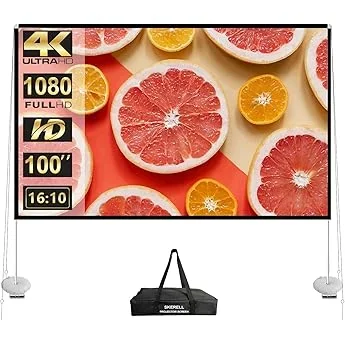
Outdoor entertaining has evolved far beyond simple grilling and casual conversation. Today’s backyard spaces are fully realized extensions of the home—complete with outdoor kitchens, fire pits, lounge areas, and yes, dedicated entertainment zones. One of the most transformative additions to any outdoor bar setup is a reliable outdoor TV. Whether you’re watching the big game with friends, streaming a movie under the stars, or simply keeping up with the news while tending the grill, having a TV that can withstand the elements makes all the difference.
But here’s the catch: not all TVs are built for the great outdoors. Standard indoor models may look tempting due to their lower price tags, but they’re not designed to handle humidity, temperature swings, direct sunlight, or dust—all common in backyard environments. That’s why investing in a purpose-built outdoor TV (or a well-protected alternative) is essential for longevity and performance. This guide cuts through the marketing noise and helps you find a cheap backyard TV that delivers solid value without sacrificing durability or picture quality. You’ll learn exactly what to prioritize, how to avoid costly mistakes, and where to find the best deals in 2026.
By the end of this comprehensive buying guide, you’ll have a clear roadmap for choosing the right outdoor TV for your space, budget, and lifestyle. We’ll cover everything from key technical specs and build considerations to real-world usage scenarios and expert shopping tips. Whether you’re outfitting a compact patio bar or a sprawling backyard oasis, this guide ensures you won’t overspend on unnecessary features—or worse, end up replacing a cheap indoor TV after just one rainy season. Let’s dive into the essentials every smart buyer needs to know.
What to Look for When Buying Buying Guide
1. Budget & Price Range
Setting a realistic budget is the first and most crucial step in your outdoor TV purchase. Unlike indoor TVs, which can start as low as $150 for basic models, outdoor TVs typically command a premium due to their weather-resistant construction, enhanced brightness, and specialized components. However, “cheap” doesn’t have to mean “low-quality”—you can find excellent value in the $500–$1,200 range if you know what to look for.
Start by defining your total project cost, including the TV, mounting hardware, cables, and any necessary protective accessories like sunshades or enclosures. A common mistake is allocating too little for the TV itself and then being forced to compromise on critical features like brightness or IP rating. For a functional outdoor bar setup, aim for at least a 43-inch screen with 1080p or 4K resolution. Anything below $400 is likely an indoor TV repackaged with minimal outdoor claims—avoid these unless you plan to install it in a fully covered, climate-controlled area.
Remember: spending slightly more upfront often saves money long-term. A $700 outdoor-rated TV that lasts five years will cost less per year than a $300 indoor model that fails after one summer. Look for seasonal sales (especially around Memorial Day, July 4th, and Black Friday) when reputable brands like SunBrite, Samsung, and LG often discount their outdoor lines.
2. Performance Specifications
Outdoor viewing demands higher performance standards than indoor use. Brightness is arguably the most important spec—measured in nits—because ambient light (especially direct sunlight) can wash out images on standard displays. For shaded patios or evening use, a minimum of 500 nits is acceptable, but for areas exposed to daylight, you’ll need at least 700–1,000 nits. Premium outdoor TVs often exceed 2,500 nits, making them visible even at noon.
Resolution matters too. While 1080p is sufficient for screens under 50 inches viewed from 6+ feet away, 4K UHD is strongly recommended for larger displays or closer seating. HDR support (HDR10, Dolby Vision) enhances color depth and contrast, which is especially noticeable in outdoor settings where lighting conditions vary. Refresh rate (60Hz vs. 120Hz) affects motion smoothness—important for sports and action content—but isn’t as critical outdoors where viewing distances are typically greater.
Audio is another often-overlooked spec. Most outdoor TVs have modest built-in speakers, so consider pairing your TV with weatherproof Bluetooth speakers or a soundbar designed for outdoor use. Check HDMI and USB port availability; you’ll likely want to connect streaming devices, gaming consoles, or external storage.
3. Build Quality & Durability
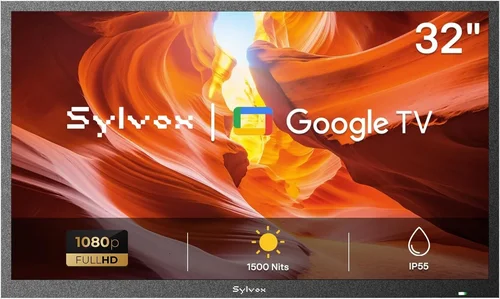
This is where outdoor TVs earn their keep. Unlike indoor models with plastic casings and unsealed electronics, true outdoor TVs feature robust, weatherproof enclosures rated by the Ingress Protection (IP) system. Look for at least an IP55 rating—meaning protection against dust and low-pressure water jets from any direction. For coastal areas or regions with heavy rain, IP65 or higher is ideal.
The chassis should be made of corrosion-resistant materials like powder-coated aluminum or stainless steel. Internal components are often conformal-coated to prevent moisture damage, and ventilation systems are designed to manage heat without allowing water ingress. Avoid TVs with exposed ports or flimsy back panels—these are red flags for poor durability.
Temperature tolerance is equally vital. Quality outdoor TVs operate reliably from -30°F to 120°F (-34°C to 49°C), accommodating everything from winter chill to summer heatwaves. Cheaper alternatives may claim “outdoor use” but lack thermal management, leading to overheating or shutdowns during peak sun hours.
4. Features & Functionality
Modern outdoor TVs come packed with smart features, but not all are equally useful in an outdoor bar context. Built-in Wi-Fi and streaming apps (like Roku, Android TV, or webOS) are convenient, allowing direct access to Netflix, YouTube, or live sports without extra hardware. However, ensure the interface remains responsive in bright conditions—some touch-sensitive remotes or menus become hard to see in daylight.
Consider connectivity options: HDMI ARC simplifies audio routing to external speakers, while optical audio outputs offer compatibility with older sound systems. USB ports let you play media files directly, and some models include RS-232 or IP control for integration with home automation systems.
Anti-glare and anti-reflective coatings are non-negotiable for daytime viewing. These coatings reduce screen reflections without dimming the image, a common issue with cheaper “outdoor” TVs that rely solely on increased brightness. Also, check if the TV includes a sunshade or bezel—these accessories minimize direct light hitting the screen and improve perceived contrast.
5. Brand Reputation
Not all brands are created equal when it comes to outdoor electronics. Established names like SunBriteTV (a leader in the outdoor display market), Samsung (with its The Terrace line), and LG (featuring OLED outdoor models) have proven track records for reliability and customer support. These companies invest heavily in R&D to address the unique challenges of outdoor environments.
Avoid no-name brands or generic “outdoor-ready” TVs sold on discount marketplaces. While they may appear identical to premium models, they often use lower-grade components, lack proper certifications, and offer minimal warranty coverage. Reading professional reviews from trusted sources (like CNET, RTINGS.com, or Outdoor Electronics Review) can reveal hidden flaws not apparent in product descriptions.
Brand reputation also affects long-term ownership. A reputable manufacturer is more likely to provide firmware updates, replacement parts, and responsive customer service if issues arise. This matters especially for outdoor gear, where repairs can be complex and downtime impacts your entertainment plans.
6. Warranty & Support
A solid warranty is a strong indicator of a manufacturer’s confidence in their product. Most reputable outdoor TVs come with at least a 2-year limited warranty, covering defects, screen burn-in, and weather-related failures. Some premium models offer 3–5 years, sometimes extendable with registration.
Pay attention to what’s included: does the warranty cover labor and shipping? Is accidental damage or power surge protection offered? SunBriteTV, for example, provides comprehensive coverage including on-site service in many areas—a huge advantage over brands that require you to ship the entire unit for repair.
Support quality varies widely. Before buying, check if the brand offers phone, email, or live chat support, and read user forums to see how quickly issues are resolved. A TV that’s difficult to get help for defeats the purpose of investing in durability.
7. Size & Portability
Screen size should match your viewing distance and space constraints. For an outdoor bar, 43–55 inches is typically ideal—large enough for group viewing but not overwhelming in a casual setting. Use the 1.5x rule: multiply your seating distance (in inches) by 1.5 to get the recommended screen diagonal. So, if guests sit 8 feet (96 inches) away, a 50–55 inch TV is optimal.
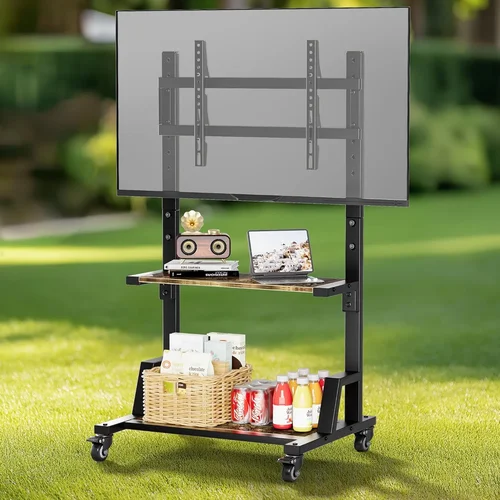
Portability matters if you plan to move the TV between indoor and outdoor use or rearrange your patio frequently. Some outdoor TVs are surprisingly lightweight (under 30 lbs for 50-inch models), while others are built like tanks and require permanent mounting. If mobility is a priority, look for models with handles or compatible with universal outdoor mounts that allow easy removal.
Don’t forget about weight distribution and mounting compatibility. Ensure your chosen wall or ceiling mount is rated for outdoor use and can support the TV’s weight and VESA pattern. Many outdoor TVs include reinforced mounting points to prevent stress fractures in windy conditions.
8. User Reviews & Ratings
While specs and marketing materials provide a baseline, real-world user feedback reveals how a TV performs over time. Focus on reviews from buyers who’ve used the TV in similar conditions—outdoor bars, patios, or pool decks. Look for patterns: do multiple users report overheating? Is the remote unreliable in sunlight? Are colors washed out at certain angles?
Be wary of overly positive or vague reviews (“Great TV!”)—they often lack detail. Instead, prioritize detailed accounts that mention specific features, installation experiences, and long-term reliability. Sites like Amazon, Best Buy, and specialized forums (e.g., AVS Forum) tend to have more authentic feedback than manufacturer websites.
Also check return rates and common complaints. A high return rate for a particular model may indicate design flaws or unmet expectations. If many users mention difficulty with setup or poor customer service, it’s a sign to proceed cautiously.
Different Types of Buying Guide

Common Buying Mistakes to Avoid
❌ Mistake: Buying an Indoor TV for Outdoor Use
Why it’s bad: Indoor TVs lack weatherproofing, have lower brightness, and aren’t built to handle temperature extremes. Even under a covered patio, humidity and dust can seep into vents, causing corrosion, screen fogging, or electrical failure within months.
What to do instead: Invest in a true outdoor TV or use a high-quality weatherproof enclosure rated for your climate. If budget is tight, choose a mid-tier outdoor model during a sale rather than risking a cheap indoor TV.
❌ Mistake: Ignoring Brightness (Nits) Ratings
Why it’s bad: A TV with only 300–400 nits will appear dim and washed out in daylight, making it unusable for daytime sports or casual viewing. You’ll end up watching everything at night, defeating the purpose of an outdoor bar.
What to do instead: Prioritize brightness—aim for 700+ nits for partial shade and 1,000+ nits for full sun. Check professional reviews for real-world brightness tests, as manufacturer claims can be exaggerated.
❌ Mistake: Overlooking Mounting and Installation Costs
Why it’s bad: Many buyers focus only on the TV price and forget that outdoor mounting requires specialized hardware, possibly professional installation, and additional cables (which must also be weatherproof). These costs can add $200–$500 to your total.
What to do instead: Factor in mounting, cabling, and labor from the start. Choose a TV with flexible VESA patterns and consider all-in-one outdoor mounting kits that include cable management.
❌ Mistake: Choosing Based Solely on Screen Size
Why it’s bad: A massive 75-inch TV might look impressive, but if your bar area is small or seating is close, it can cause eye strain and look unbalanced. Conversely, a tiny screen defeats the social aspect of outdoor viewing.
What to do instead: Use the 1.5x viewing distance rule and measure your space. For most backyard bars, 43–55 inches is the sweet spot.
❌ Mistake: Skipping the Warranty Check
Why it’s bad: Outdoor electronics are prone to environmental stress. Without a solid warranty, a single storm or power surge could leave you with a $1,000 paperweight and no recourse.
What to do instead: Always verify warranty terms before purchasing. Prefer brands that offer at least 2 years of coverage and include weather-related damage.
❌ Mistake: Assuming All “Outdoor” Labels Are Equal
Why it’s bad: Some manufacturers slap “outdoor” on indoor TVs with minor modifications. These often lack proper IP ratings, thermal management, or UV-resistant coatings.
What to do instead: Look for specific certifications (IP55 or higher), detailed spec sheets, and third-party reviews. If the product description is vague, it’s likely not truly outdoor-rated.
❌ Mistake: Neglecting Audio Needs
Why it’s bad: Built-in TV speakers are usually weak and muffled outdoors due to open space and ambient noise (wind, traffic, chatter). Poor audio ruins the viewing experience.
What to do instead: Pair your TV with weather-resistant Bluetooth speakers or an outdoor soundbar. Look for models with optical or HDMI ARC outputs for easy connection.
Budget Guidelines: How Much Should You Spend?
Entry-Level ($400–$700): This tier includes basic outdoor TVs or indoor models in weatherproof enclosures. Expect 1080p resolution, 500–700 nits brightness, and limited smart features. Best for covered patios with minimal sun exposure. Examples: Vizio V-Series in a Peerless outdoor enclosure.
Mid-Range ($700–$1,500): The sweet spot for most backyard bars. These TVs offer 4K resolution, 700–1,200 nits brightness, IP55+ ratings, and reliable smart platforms. Brands like SunBriteTV Veranda series or Samsung The Terrace (refurbished) fall here. Ideal for partial shade to moderate sun.
Premium ($1,500–$3,000): For enthusiasts who want top-tier performance. Features include 1,500+ nits brightness, OLED or QLED panels, advanced anti-glare coatings, and robust build quality. Perfect for full-sun areas or luxury outdoor kitchens. Examples: SunBriteTV Pro Series, LG OLED Outdoor.
Luxury ($3,000+): Commercial-grade displays built for 24/7 operation. These are overkill for most homes but ideal for high-end resorts or permanent outdoor entertainment zones. Expect modular designs, extreme durability, and professional installation support.
Expert Tips for Getting the Best Deal
- Shop During Off-Seasons: Prices drop significantly in late fall and winter when demand for outdoor gear declines. Retailers often clear inventory before spring.
- Consider Refurbished Models: Certified refurbished outdoor TVs from manufacturers like Samsung or SunBrite offer near-new performance at 20–40% off, often with full warranties.
- Bundle with Accessories: Some retailers offer discounts when you buy a TV, mount, and cables together. Check package deals on sites like Crutchfield or Abt Electronics.
- Use Price Tracking Tools: Set alerts on CamelCamelCamel (for Amazon) or Honey to notify you when prices drop on your desired model.
- Check Local Classifieds: Occasionally, homeowners sell barely-used outdoor TVs after moving or upgrading. Verify condition and warranty status before buying.
- Negotiate with Installers: If hiring a professional, ask if they offer discounts on TV purchases made through them—many have partnerships with brands.
- Read Return Policies Carefully: Outdoor TVs are bulky and expensive to return. Ensure the retailer offers at least 30 days for returns and covers return shipping.
- Test Before Finalizing: If possible, visit a showroom to view the TV in bright lighting. Compare side-by-side with indoor models to see the difference in glare and brightness.

Frequently Asked Questions
Q: Can I use a regular TV outdoors if it’s under a covered patio?
A: Technically yes, but it’s risky. Even covered areas experience humidity, temperature swings, and dust. Without proper ventilation and sealing, moisture can damage internal components. For reliable long-term use, an outdoor-rated TV or a certified weatherproof enclosure is strongly recommended.
Q: Do outdoor TVs consume more power?
A: Not necessarily. While they may have brighter backlights, modern outdoor TVs use energy-efficient LED panels. Many are ENERGY STAR certified. Power consumption is comparable to similarly sized indoor models when adjusted for brightness.
Q: How do I protect my outdoor TV from theft?
A: Use security mounts with locking mechanisms, install motion-sensor lighting, and consider a GPS tracker. Some high-end models include built-in security features like tamper alerts.
Q: Can outdoor TVs be used in winter?
A: Yes, most are rated for temperatures as low as -30°F. However, avoid turning them on immediately after exposure to extreme cold—allow them to acclimate indoors first to prevent condensation.
Q: Do I need a special remote for outdoor use?
A: Standard IR remotes can struggle in bright light. Look for TVs with RF remotes (which work through walls and in sunlight) or use a smartphone app for control.
Q: How long do outdoor TVs typically last?
A: With proper installation and maintenance, 5–7 years is common. Premium models can last 8+ years. Avoid placing them in direct ground contact or areas prone to flooding.
Q: Are outdoor TVs compatible with streaming devices?
A: Absolutely. Most have HDMI ports for Roku, Fire Stick, Apple TV, or Chromecast. Some even include built-in streaming platforms for convenience.
Q: What’s the difference between partial sun and full sun outdoor TVs?
A: Partial sun models (like SunBrite Veranda) are for covered or shaded areas and cost less. Full sun models (like SunBrite Pro) have higher brightness, better cooling, and enhanced anti-glare for direct sunlight exposure.
Q: Can I mount an outdoor TV on a ceiling?
A: Yes, but ensure the mount is rated for outdoor ceiling use and can handle wind loads. Tilt mounts are preferable to reduce glare from overhead lights.
Q: Do outdoor TVs come with built-in heaters or coolers?
A: Many do. Internal thermal management systems automatically adjust fan speed or activate heaters based on ambient temperature, ensuring stable operation year-round.
Our Final Recommendations
Best for Budget-Conscious Buyers: SunBriteTV Veranda Series (43″ 4K) – At around $900, it offers excellent brightness (700 nits), IP55 rating, and reliable smart features. Perfect for covered patios and delivers far better value than indoor TVs in enclosures.
Best Overall Value: Samsung The Terrace (55″ 4K, refurbished) – Priced around $1,200–$1,400, this model boasts 1,500+ nits brightness, anti-reflective coating, and seamless integration with Samsung’s ecosystem. Ideal for mixed indoor/outdoor use.
Best Premium Option: SunBriteTV Pro Series (65″ 4K) – For those who want the ultimate outdoor experience, this TV handles full sun with 2,500 nits brightness, military-grade durability, and whisper-quiet operation. Worth the $2,800 investment for serious entertainers.
Best for Beginners: Vizio M-Series + Peerless Paramount Outdoor Enclosure – A smart combo under $700 that lets you start with a quality indoor TV and add weather protection. Great for renters or those testing outdoor viewing.
Best for Advanced Users: LG OLED Outdoor (55″) – Combines stunning picture quality with outdoor resilience. Features self-lit pixels for perfect blacks, even in daylight, and supports Dolby Vision IQ for dynamic HDR adjustment.
Conclusion: Making the Right Choice
Choosing the right cheap backyard TV for your outdoor bar isn’t just about finding the lowest price—it’s about balancing durability, performance, and value to match your specific environment and usage habits. We’ve covered the critical factors: from brightness and build quality to budget tiers and common pitfalls. Remember, the goal isn’t to buy the fanciest TV on the market, but the one that will reliably deliver great viewing experiences season after season without constant worry or replacement costs.
Prioritize your needs: if you entertain mostly at night under cover, a mid-range outdoor TV or enclosed indoor model may suffice. But if your bar sees daytime action or full sun exposure, investing in a higher-brightness, fully weatherproof unit pays off in usability and longevity. Don’t let marketing hype sway you—focus on verified specs, real user feedback, and reputable brands.
Ultimately, the best outdoor TV is the one that disappears into the background, letting you and your guests enjoy the moment—whether that’s a thrilling overtime goal, a classic film under the stars, or just relaxing with a drink in hand. Use this guide as your compass, shop wisely, and soon you’ll be the envy of the neighborhood with a backyard entertainment setup that’s both affordable and built to last. Happy viewing!

