
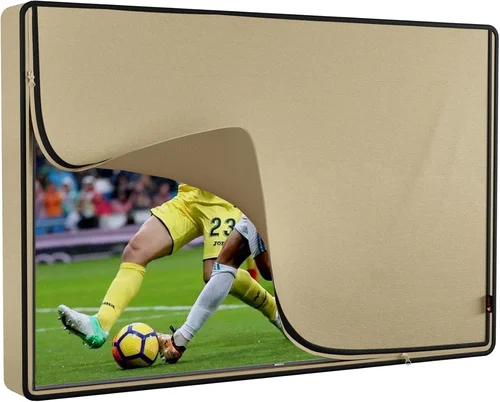
If you’re thinking about installing a TV by your pool, you’re not alone. Outdoor entertainment has evolved dramatically over the past decade, and poolside TVs are now a staple in luxury backyards, vacation rentals, and even suburban homes looking to elevate their outdoor living experience. Whether you’re hosting summer barbecues, watching the big game under the stars, or simply relaxing with a movie after a swim, having a television near your pool adds convenience, comfort, and a touch of modern sophistication. But here’s the catch—most people assume that outdoor TVs are only for warm climates. What happens when temperatures drop? Can you really use a poolside TV in cold weather?
The short answer is: yes, but with important caveats. Not all outdoor TVs are created equal, and cold weather performance varies significantly depending on the model, build quality, and installation. This comprehensive buying guide is designed to help you navigate the complex world of outdoor televisions, especially if you live in a region with chilly winters or frequent temperature swings. We’ll explore what makes a TV truly cold-weather capable, how to choose the right model for your climate, and what features to prioritize to ensure longevity and performance year-round.
By the end of this guide, you’ll understand exactly what to look for when shopping for a poolside TV that can withstand cold conditions. You’ll learn how to evaluate key factors like temperature ratings, weatherproofing, display technology, and mounting options. We’ll also break down the different types of outdoor TVs available, compare top models across price ranges, and share expert tips to help you get the best value for your investment. Whether you’re a first-time buyer or upgrading from an older model, this guide will equip you with the knowledge to make a smart, informed decision—no matter the forecast.
The outdoor TV market has grown rapidly, driven by advances in display technology, increased demand for outdoor living spaces, and the rise of smart home integration. Today’s poolside TVs are no longer just weather-resistant screens—they’re full-featured entertainment systems built to endure rain, snow, dust, and extreme temperatures. However, not all manufacturers are transparent about their products’ cold-weather capabilities. Some TVs claim to be “outdoor-rated” but fail to specify operating temperature ranges, leaving buyers vulnerable to malfunctions in winter months. That’s why it’s essential to dig deeper than marketing claims and focus on technical specifications, real-world performance, and user feedback.
In this guide, we’ll cut through the noise and give you a clear, expert-backed roadmap to finding the best poolside TV for cold weather. We’ll cover everything from budget considerations and build quality to installation best practices and warranty protections. You’ll also learn how to avoid common pitfalls—like buying a TV that looks great but can’t handle frost—and discover which brands consistently deliver reliable performance in harsh conditions. Whether you’re in Minnesota, Colorado, or the Pacific Northwest, this guide will help you find a TV that stays on, stays clear, and stays durable, even when the mercury dips below freezing.

What to Look for When Buying Buying Guide
1. Operating Temperature Range
One of the most critical factors when choosing a poolside TV for cold weather is its operating temperature range. This specification tells you the minimum and maximum temperatures at which the TV can safely function without damage. For cold climates, look for models rated to operate at or below 32°F (0°C), with some premium outdoor TVs capable of functioning in temperatures as low as -22°F (-30°C). These extended ranges are especially important if your TV will be exposed to winter conditions, such as snow, ice, or prolonged sub-freezing nights.
Why does this matter? Standard indoor TVs are typically rated for temperatures between 50°F and 95°F (10°C to 35°C). When exposed to colder environments, their internal components—especially the liquid crystal display (LCD) panel and backlight—can become sluggish or fail to turn on. In extreme cases, condensation can form inside the screen when the TV warms up, leading to permanent damage. Outdoor TVs designed for cold weather use specialized materials and heating elements to prevent these issues. For example, some models include built-in heaters that gently warm the display when temperatures drop, ensuring quick startup and consistent performance.
When comparing models, always check the manufacturer’s official specifications. Avoid vague claims like “weather-resistant” or “all-season use” without supporting data. Instead, look for clear statements such as “operates from -4°F to 122°F” or “certified for outdoor use in temperatures down to -22°F.” These details are your best indicator of real-world cold-weather reliability.
2. Weatherproofing & IP Rating
Weatherproofing is non-negotiable for any outdoor TV, but it becomes even more important in cold climates where moisture from snow, ice, and freezing rain can seep into vulnerable components. The Ingress Protection (IP) rating is a standardized measure of how well a device resists dust and water. For poolside use, look for a minimum IP55 rating, but ideally aim for IP65 or higher.
An IP65 rating means the TV is dust-tight and protected against water jets from any direction—perfect for poolside environments where splashing is common. Some high-end models go even further with IP66 or IP67 ratings, offering protection against powerful water jets or temporary immersion. These ratings are especially valuable in winter, when melting snow and ice can create unexpected water exposure.
Beyond the IP rating, examine the TV’s construction. Look for sealed enclosures, corrosion-resistant materials (like aluminum or powder-coated steel), and gaskets around ports and seams. These features prevent moisture from entering the internal circuitry, which is critical in cold weather when temperature fluctuations can cause condensation. A well-sealed TV will also resist damage from salt air if you live near the coast—a common concern for pool owners in beachfront areas.
Don’t forget about the power supply and connectivity ports. Many outdoor TVs come with weatherproof covers for HDMI, USB, and power inputs. These covers should snap securely into place and include rubber seals to block out moisture. If the TV you’re considering lacks these, you may need to purchase additional protective accessories or install a weatherproof enclosure.
3. Display Technology & Brightness
Not all outdoor TVs are created equal when it comes to display performance, especially in cold weather. The type of display technology used—LED, OLED, or QLED—can significantly impact how well your TV performs in low temperatures and bright sunlight.
LED-backlit LCD TVs are the most common choice for outdoor use due to their durability, brightness, and cost-effectiveness. However, standard LED TVs can suffer from reduced brightness and slower response times in cold weather. To combat this, many outdoor-specific models use high-brightness LEDs (often 1,000 nits or higher) and advanced thermal management systems to maintain performance.
OLED TVs, while offering superior contrast and color accuracy, are generally not recommended for outdoor use—especially in cold climates. OLED panels are more sensitive to temperature extremes and can experience image retention or permanent damage when exposed to freezing conditions. Additionally, their peak brightness is typically lower than LED models, making them harder to see in direct sunlight.
QLED TVs, which use quantum dot technology, offer a middle ground with excellent color reproduction and higher brightness than standard LEDs. Some outdoor QLED models are engineered for all-weather use and include anti-glare coatings to improve visibility in bright conditions. These can be a great option if you want vibrant visuals without sacrificing durability.
Brightness is another key consideration. For poolside viewing, you’ll need a TV with at least 700 nits of brightness, but 1,000 nits or more is ideal. This ensures the screen remains visible even on sunny days or when reflected light bounces off the water. Some models include ambient light sensors that automatically adjust brightness based on surrounding conditions, which can help conserve energy and reduce glare.
4. Build Quality & Durability
Outdoor TVs must withstand more than just temperature swings—they’re exposed to UV rays, humidity, wind, and physical impacts. That’s why build quality is a top priority, especially in cold climates where materials can become brittle or degrade over time.
Start by examining the chassis. High-quality outdoor TVs use powder-coated aluminum or stainless steel frames that resist rust and corrosion. Avoid plastic enclosures, which can crack in freezing temperatures or warp under prolonged sun exposure. The screen itself should be made of tempered glass with an anti-reflective coating to reduce glare and protect against scratches.
Internal components also matter. Look for TVs with sealed circuit boards, conformal coatings on electronics, and vibration-resistant mounting systems. These features help prevent damage from thermal expansion and contraction, which can loosen connections or crack solder joints over time.
Another durability factor is the mounting system. A sturdy, weatherproof wall mount or ceiling bracket is essential for securing your TV in place. Many outdoor TVs come with compatible mounts designed to handle wind loads and prevent water ingress at the attachment points. If you’re installing the TV under a covered patio or pergola, ensure the mount allows for proper ventilation to avoid overheating in summer while still protecting against snow and ice in winter.
Finally, consider the overall design. A slim profile may look sleek, but it can limit space for internal heating elements or cooling fans. Bulkier models often include better thermal management, which is crucial for maintaining performance in extreme temperatures. Don’t sacrifice functionality for aesthetics—your TV needs to work reliably year-round.
5. Smart Features & Connectivity
Modern outdoor TVs are more than just screens—they’re smart entertainment hubs. But not all smart features are created equal, and some may not perform well in cold weather. When evaluating connectivity and smart capabilities, focus on reliability and ease of use.
Most outdoor TVs run on popular platforms like Android TV, webOS, or Roku. These systems allow you to stream content from Netflix, YouTube, Disney+, and other services directly through the TV. However, software performance can degrade in cold temperatures if the internal processor isn’t designed for outdoor use. Look for models with dedicated outdoor-certified chipsets that maintain responsiveness even in freezing conditions.
Wi-Fi connectivity is another concern. Weak signals or interference from metal structures can disrupt streaming, especially in large outdoor spaces. Choose a TV with dual-band Wi-Fi (2.4GHz and 5GHz) and consider adding a weatherproof Wi-Fi extender near your pool area to boost coverage.
HDMI and USB ports should be easily accessible but protected by weatherproof covers. If you plan to connect a soundbar, gaming console, or streaming device, ensure the TV has enough ports and supports the latest HDMI standards (like HDMI 2.1 for 4K/120Hz). Some models also include built-in Bluetooth for wireless audio, which can simplify setup and reduce cable clutter.
Voice control is a nice-to-have feature, but it’s less reliable outdoors due to background noise and distance. If you want voice commands, pair your TV with a smart speaker placed nearby rather than relying on the TV’s built-in microphone.
6. Brand Reputation & Reliability
Not all outdoor TV brands are equal. Some specialize in rugged, weather-resistant designs, while others repurpose indoor models with minimal modifications. Choosing a reputable brand can make the difference between a TV that lasts a decade and one that fails after one winter.
Top-tier outdoor TV manufacturers like SunBriteTV, Samsung Terrace, and Seura have built their reputations on rigorous testing and real-world performance. These companies design their products from the ground up for outdoor use, with extensive testing in extreme temperatures, humidity, and UV exposure. They also offer comprehensive warranties and customer support tailored to outdoor installations.
In contrast, generic or off-brand TVs may look similar but often cut corners on materials, sealing, and thermal management. While they might save you money upfront, they’re more likely to fail in cold weather or require frequent repairs. Always research the brand’s history, read customer reviews, and check for third-party certifications like UL Listed or ETL认证.
Another advantage of trusted brands is access to replacement parts and service. If a component fails—say, a heater element or power supply—you’ll want to know that support is available. Some manufacturers even offer on-site repair services for outdoor TVs, which can be a lifesaver if you’re not comfortable troubleshooting electrical issues yourself.
7. Warranty & Support
A strong warranty is your safety net when investing in a poolside TV, especially one exposed to harsh weather. Most reputable outdoor TV brands offer warranties ranging from 2 to 5 years, covering defects, performance issues, and sometimes even accidental damage.
When comparing warranties, pay attention to what’s included. Does it cover cold-weather operation? Are labor and parts both protected? Is the warranty valid only if installed by a certified technician? Some brands require professional installation to maintain warranty coverage, so factor that into your budget.
Customer support is equally important. Look for companies with responsive service teams, detailed installation guides, and online troubleshooting resources. If you run into an issue during a cold snap, you don’t want to wait days for a callback.
Extended warranty options are also worth considering, particularly if you live in a region with severe winters. These plans can cover additional years of protection and may include perks like free replacements or priority service.
8. Size & Viewing Distance
Choosing the right screen size isn’t just about aesthetics—it affects how well you can see the picture from your seating area. For poolside viewing, a 55-inch to 75-inch TV is typically ideal, depending on how far away your loungers or outdoor furniture are placed.
A general rule of thumb is to sit at a distance of 1.5 to 2.5 times the screen’s diagonal size. So, for a 65-inch TV, aim for a viewing distance of 8 to 13 feet. If your pool area is larger, consider a 75-inch model or install the TV on a swivel mount so it can be angled toward different seating zones.
Keep in mind that larger screens require more power and generate more heat, which can be a concern in enclosed spaces. If you’re mounting the TV under a covered patio, ensure there’s adequate ventilation to prevent overheating in summer while still protecting it from snow and ice in winter.
Portability is another factor if you plan to move the TV seasonally. Some outdoor TVs come with wheeled stands or lightweight designs for easy relocation. However, these models may sacrifice some durability, so weigh convenience against long-term reliability.
Different Types of Buying Guide
Common Buying Mistakes to Avoid
❌ Mistake: Assuming All “Outdoor” TVs Are Cold-Weather Ready
Why it’s bad: Many TVs marketed as “outdoor” are only designed for covered areas and lack the thermal management needed for freezing temperatures. Using them in cold weather can lead to startup failures, screen damage, or permanent malfunction.
What to do instead: Always check the operating temperature range and look for models with cold-start capabilities or built-in heaters. Stick to brands that specialize in all-weather designs.
❌ Mistake: Ignoring the IP Rating
Why it’s bad: A low or missing IP rating means the TV isn’t fully protected against moisture, which is especially risky in winter when snow and ice melt can seep into seams and ports.
What to do instead: Choose a TV with at least an IP65 rating and ensure all ports have weatherproof covers. Consider adding a protective enclosure if the TV will be fully exposed.
❌ Mistake: Overlooking Mounting and Ventilation
Why it’s bad: Improper mounting can lead to water pooling, restricted airflow, or structural failure. In cold weather, trapped moisture can freeze and crack components.
What to do instead: Use a certified outdoor mount with tilt and swivel options. Ensure there’s space behind the TV for airflow and that the mounting surface is level and secure.
❌ Mistake: Buying Based on Price Alone
Why it’s bad: Cheaper TVs often use inferior materials and lack critical cold-weather features. You may save upfront but spend more on repairs or replacements.
What to do instead: Prioritize value over price. Invest in a mid-range or premium model from a reputable brand that offers long-term reliability and support.
❌ Mistake: Neglecting Power and Connectivity Planning
Why it’s bad: Running extension cords or using indoor-rated cables outdoors is a safety hazard and can lead to electrical failures in wet or cold conditions.
What to do instead: Hire a licensed electrician to install a dedicated outdoor outlet with GFCI protection. Use weatherproof conduits and cables rated for outdoor use.
❌ Mistake: Skipping the Warranty Check
Why it’s bad: Without a solid warranty, you’re on the hook for repair costs if the TV fails due to cold weather or manufacturing defects.
What to do instead: Read the warranty terms carefully. Choose a brand that covers cold-weather operation and offers at least a 3-year warranty with accessible support.
Budget Guidelines: How Much Should You Spend?
Entry-Level ($800 – $1,500): These TVs are suitable for covered patios or mild climates. They often have basic weather resistance (IP55) and limited cold-weather performance. Expect smaller screen sizes (50-55 inches) and fewer smart features. Best for occasional use or seasonal setups.
Mid-Range ($1,500 – $3,000): This is the sweet spot for most buyers. These TVs offer full outdoor durability, IP65+ ratings, and reliable cold-weather operation. You’ll get larger screens (65-75 inches), high brightness (1,000+ nits), and robust smart platforms. Ideal for year-round poolside entertainment.
Premium ($3,000 – $5,000): Designed for extreme conditions, these models include advanced thermal management, commercial-grade materials, and extended warranties. Perfect for harsh winters, coastal areas, or high-end installations. Expect superior brightness, sound, and connectivity.
Luxury ($5,000+): Top-tier models with custom finishes, ultra-bright displays, and integrated sound systems. Often used in luxury resorts or high-end homes. These TVs are built to last decades with minimal maintenance.
Expert Tips for Getting the Best Deal
- Buy in Spring or Fall: Retailers often discount outdoor TVs during off-peak seasons. Look for sales around Memorial Day, Labor Day, or Black Friday.
- Shop Direct from Manufacturers: Brands like SunBriteTV and Seura often offer exclusive deals, free shipping, or extended warranties when you buy directly.
- Bundle with Accessories: Some retailers offer discounts when you purchase a TV with a mount, soundbar, or Wi-Fi extender.
- Check for Rebates: Utility companies sometimes offer rebates for energy-efficient outdoor electronics.
- Read Real User Reviews: Look for feedback from buyers in cold climates to see how the TV performs in winter.
- Test Before Finalizing: If possible, visit a showroom to see the TV’s brightness and clarity in person.
- Consider Refurbished Models: Certified refurbished outdoor TVs can save you 20-30% and often come with the same warranty as new units.

Frequently Asked Questions
Q: Can I use a regular indoor TV outdoors in cold weather?
A: No. Indoor TVs are not designed for outdoor conditions and can be damaged by moisture, temperature extremes, and UV exposure. Even in mild climates, they lack the sealing and thermal management needed for safe outdoor use.
Q: Will a poolside TV work in snow or ice?
A: Yes, if it’s rated for cold weather. Look for models with operating temperatures below freezing and built-in heaters to prevent ice buildup on the screen.
Q: Do outdoor TVs need special installation?
A: Yes. Professional installation is recommended to ensure proper mounting, wiring, and ventilation. This also helps maintain warranty coverage.
Q: Can I leave my outdoor TV on during winter?
A: It’s not recommended. While many outdoor TVs can handle cold temperatures, prolonged exposure to snow and ice can still cause issues. Use a weatherproof cover when not in use.
Q: How do I clean an outdoor TV in winter?
A: Use a soft, dry microfiber cloth. Avoid water or cleaning sprays, which can freeze on the screen. For stubborn grime, lightly dampen the cloth with distilled water.
Q: Are outdoor TVs energy efficient?
A: Modern outdoor TVs are designed to be energy efficient, especially models with ambient light sensors that adjust brightness automatically.
Q: Can I use a soundbar with an outdoor TV?
A: Yes, but choose a weather-resistant soundbar or place it under cover. Wireless models with Bluetooth connectivity are ideal for reducing cable clutter.
Q: What’s the lifespan of an outdoor TV?
A: With proper care, a high-quality outdoor TV can last 8-12 years or more, even in cold climates.
Our Final Recommendations
Best for Budget-Conscious Buyers: Seura 55″ Outdoor TV – Offers excellent value with IP65 rating, 1,000-nit brightness, and reliable cold-weather performance under $2,000.
Best Overall Value: SunBriteTV Veranda 3 Series 65″ – Combines durability, smart features, and all-weather design at a mid-range price. Ideal for most pool owners.
Best Premium Option: Samsung Terrace 75″ QLED – Top-tier brightness, color accuracy, and cold-weather resilience. Perfect for luxury installations.
Best for Beginners: LG Outdoor 55″ – User-friendly interface, solid build quality, and good customer support. Great first outdoor TV.
Best for Advanced Users: Peerless-AV Xtreme 86″ – Commercial-grade durability, extreme temperature range, and customizable mounting. Built for professionals.
Conclusion: Making the Right Choice
Choosing the right poolside TV for cold weather isn’t just about finding a screen that works—it’s about investing in a system that will deliver reliable performance, stunning visuals, and peace of mind year after year. By focusing on key factors like operating temperature, weatherproofing, display technology, and brand reputation, you can avoid costly mistakes and find a TV that truly enhances your outdoor lifestyle.
Remember, not all outdoor TVs are created equal. What works in Florida may fail in Minnesota. Take the time to research, compare models, and prioritize features that matter most for your climate and usage. Whether you’re watching a winter sports event or enjoying a summer movie night, your poolside TV should be a source of joy—not frustration.
Use this guide as your roadmap. Evaluate your needs, set a realistic budget, and don’t compromise on quality. With the right TV, your pool area can become the ultimate entertainment destination, no matter the season. So go ahead—make the investment, enjoy the view, and turn every day into a staycation.

