
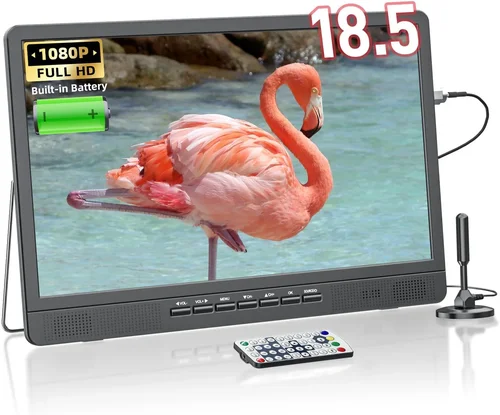
Summer is the season of backyard barbecues, pool parties, outdoor movie nights, and long evenings spent under the stars with friends and family. As outdoor living spaces become extensions of our homes, the demand for durable, high-performing technology that can withstand the elements has never been higher. One of the most transformative additions to any patio setup is an outdoor TV—specifically designed to deliver crisp visuals, rich sound, and reliable performance in open-air environments. But can you really use a patio TV for summer parties? The short answer is yes—but only if you choose the right one.
This comprehensive buying guide is designed to help you navigate the growing world of outdoor televisions and make an informed decision that enhances your summer gatherings. Whether you’re hosting a Fourth of July cookout, streaming the big game for a crowd, or setting up a cozy outdoor cinema experience, the right patio TV can elevate your event from ordinary to unforgettable. In this guide, we’ll explore everything you need to know—from key performance specs and weather resistance to budget considerations and top brand recommendations. You’ll learn how to evaluate models based on real-world use, avoid common pitfalls, and ultimately select a TV that delivers both durability and entertainment value.
The outdoor TV market has evolved significantly in recent years. What once consisted of bulky, expensive, and limited-display options has transformed into a competitive landscape featuring sleek designs, 4K HDR capabilities, smart platforms, and even portable models. Brands like Samsung, LG, SunBriteTV, and Seura have stepped up their game, offering products tailored specifically for outdoor use. However, not all outdoor TVs are created equal. Some are built for full sun exposure, while others are better suited for covered patios. Some come with built-in heaters for cooler nights, and others prioritize energy efficiency and quiet operation. With so many variables, it’s easy to feel overwhelmed. That’s why this guide breaks down the essential factors you need to consider, compares different types of outdoor TVs, and provides expert-backed advice to ensure you get the best value for your investment.

What to Look for When Buying Buying Guide
1. Weather Resistance & IP Rating
When it comes to outdoor electronics, weather resistance isn’t just a nice-to-have—it’s a necessity. Unlike indoor TVs, patio TVs are exposed to rain, humidity, dust, pollen, and extreme temperatures. That’s why the Ingress Protection (IP) rating is one of the most critical specs to check. The IP rating consists of two numbers: the first indicates protection against solid particles (like dust), and the second refers to protection against liquids (like rain or splashes). For outdoor use, look for a minimum rating of IP55, which means the TV is dust-protected and can withstand low-pressure water jets from any direction. For full sun exposure or areas with heavy rainfall, aim for IP65 or higher.
Beyond the IP rating, consider the TV’s internal components. High-quality outdoor TVs often feature sealed cooling systems, anti-corrosion coatings, and UV-resistant casings to prevent sun damage. Some models also include thermal management systems that regulate internal temperature, preventing overheating on hot summer days. For example, SunBriteTV’s Veranda series uses a fanless design with passive cooling, making it ideal for quiet operation during evening gatherings. Always check the manufacturer’s environmental specifications—look for operating temperature ranges that cover your local climate, especially if you live in regions with high summer heat or sudden thunderstorms.
2. Display Brightness & Anti-Glare Technology
One of the biggest challenges with outdoor viewing is screen glare from sunlight. Even on a cloudy day, ambient light can wash out colors and reduce visibility. That’s why brightness—measured in nits—is a crucial factor. For patios with partial shade or covered areas, a brightness of 500 to 700 nits may suffice. However, for full sun exposure, you’ll need a TV with at least 1,000 nits, and ideally 1,500 nits or more. High-brightness displays use advanced backlighting and anti-reflective coatings to maintain image clarity even in direct sunlight.
Look for TVs with anti-glare or anti-reflective screens, which diffuse incoming light rather than reflecting it. Some premium models, like the Samsung The Terrace, feature Quantum Dot technology combined with a high-brightness LED backlight, delivering vibrant colors and deep blacks even in bright conditions. Additionally, consider the screen’s viewing angle. Outdoor setups often involve viewers sitting at various angles, so a wide viewing angle (178 degrees or more) ensures everyone gets a clear picture. OLED screens, while stunning indoors, typically struggle with brightness outdoors and are less common in outdoor TVs. Instead, LED or QLED panels are the standard for their superior brightness and durability.
3. Build Quality & Durability
An outdoor TV isn’t just exposed to weather—it’s also subject to physical wear and tear. Kids playing nearby, accidental bumps, or even strong winds can affect stability and longevity. That’s why build quality matters. Look for TVs with robust, powder-coated aluminum or stainless-steel frames that resist rust and corrosion. The screen should be made of tempered glass or reinforced acrylic to prevent scratches and shattering. Some models, like the Seura Outdoor TV, feature a fully sealed chassis with no vents, eliminating the risk of moisture or insects entering the unit.
Mounting is another durability consideration. Ensure the TV comes with a compatible outdoor-rated wall mount or stand that can securely hold the weight and withstand wind loads. VESA mounting compatibility is standard, but verify that the mount is rated for outdoor use and includes weatherproofing features like rubber gaskets or silicone seals. Also, consider the TV’s weight—heavier models tend to be more stable, but they require stronger mounting hardware. If you live in a hurricane-prone area, consult local building codes for wind resistance requirements.
4. Smart Features & Connectivity
Today’s outdoor TVs aren’t just about picture quality—they’re also entertainment hubs. Most modern models come with built-in smart platforms like Android TV, webOS, or Tizen, allowing you to stream content from Netflix, YouTube, Disney+, and more without needing an external device. This is especially useful during summer parties when you want to switch from music to a movie or live sports broadcast seamlessly. Look for models with voice control support (via Alexa, Google Assistant, or built-in mics) for hands-free operation—perfect when your hands are full with food or drinks.
Connectivity is equally important. Ensure the TV has multiple HDMI ports (at least three), USB inputs, and support for Wi-Fi 5 or Wi-Fi 6 for stable streaming. Some models include Bluetooth for wireless audio output to outdoor speakers. If you plan to connect a soundbar or external audio system, check for optical audio output or ARC (Audio Return Channel) support. For gaming enthusiasts, low input lag and support for HDMI 2.1 features like Variable Refresh Rate (VRR) can make a big difference during multiplayer sessions. Also, consider future-proofing: USB-C ports and support for 8K upscaling may not be essential now, but they add longevity to your investment.
5. Audio Performance & Sound Quality
While picture quality grabs the headlines, sound is just as important for an immersive outdoor experience. Unfortunately, many outdoor TVs have underpowered built-in speakers due to space and weatherproofing constraints. If you’re hosting a party with background music or watching a movie with dialogue, you’ll likely need external audio. However, some models, like the LG Outdoor Smart TV, feature enhanced speakers with Dolby Atmos support and upward-firing drivers to create a more expansive sound field.
For the best audio experience, pair your TV with a weather-resistant soundbar or a set of outdoor speakers. Look for audio systems with IPX5 or higher ratings and Bluetooth connectivity for wireless streaming. Some TVs include a dedicated audio output mode that bypasses internal speakers, directing sound directly to external devices. If you’re setting up a multi-zone audio system (e.g., speakers near the pool and another near the grill), ensure your TV supports multi-room audio protocols like Chromecast built-in or AirPlay 2.
6. Size & Viewing Distance
Choosing the right screen size depends on your patio layout and typical viewing distance. A common rule of thumb is that the optimal viewing distance is 1.5 to 2.5 times the diagonal screen size. For example, a 55-inch TV is best viewed from 6.5 to 11 feet away. On a large patio with seating spread out, a 65-inch or 75-inch model may be more appropriate. However, larger screens require more brightness to maintain image quality in daylight, so balance size with performance.
Consider the TV’s placement. Will it be mounted above a fireplace, on a wall, or on a stand? Measure the available space and account for ventilation clearance (usually 2–4 inches on all sides). Also, think about portability. Some outdoor TVs, like the SunBriteTV Pro Series, are designed to be moved between locations, while others are built for permanent installation. If you plan to use the TV in different areas—like the deck in summer and the garage in winter—look for lightweight models with carry handles or optional rolling stands.
7. Energy Efficiency & Power Consumption
Outdoor TVs often run for extended periods during parties or movie nights, so energy efficiency can impact your electricity bill. Look for models with ENERGY STAR certification, which indicates lower power consumption without sacrificing performance. LED-backlit TVs are generally more efficient than older LCD or plasma models. Some TVs include eco modes that reduce brightness and disable unused features to save power.
Also, consider the TV’s standby power usage. Even when off, some models consume energy to maintain smart features or remote connectivity. Look for TVs with low standby power (under 0.5 watts) or physical power switches to cut off electricity completely. If you’re using a solar-powered setup or off-grid system, energy efficiency becomes even more critical. Check the manufacturer’s power specifications in watts (W) and compare annual energy use estimates.
8. Warranty & Customer Support
Outdoor electronics are a significant investment, so a strong warranty is essential. Most reputable brands offer at least a one-year limited warranty, but some provide up to three years, especially for commercial or premium models. Check what the warranty covers: does it include labor, parts, and on-site service? Is accidental damage or weather-related failure included? SunBriteTV, for example, offers a three-year warranty with optional extended coverage, while Samsung provides a one-year warranty with optional protection plans.
Customer support is equally important. Look for brands with responsive service teams, online troubleshooting guides, and local repair centers. Read user reviews to see how quickly issues are resolved. Some companies offer free installation support or remote diagnostics. Also, verify that replacement parts (like remote controls or mounting brackets) are readily available. A good warranty and support network can save you time, money, and frustration down the line.
Different Types of Buying Guide

Common Buying Mistakes to Avoid
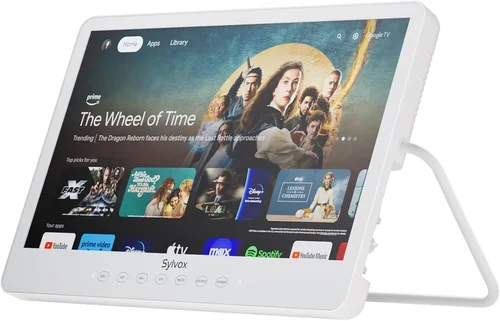
❌ Mistake: Buying an Indoor TV for Outdoor Use
Why it’s bad: Indoor TVs are not designed to handle moisture, dust, or temperature fluctuations. Even with a weatherproof cover, they can overheat, suffer from condensation, or fail prematurely. The internal components lack proper sealing, and the screen brightness is too low for daylight viewing.
What to do instead: Invest in a TV specifically engineered for outdoor use. These models have sealed chassis, enhanced cooling, and higher brightness. If budget is a concern, consider a partial-shade model or a portable option that can be brought indoors when not in use.
❌ Mistake: Ignoring the IP Rating
Why it’s bad: Without a proper IP rating, your TV is vulnerable to water damage, even from light rain or sprinkler spray. A low or missing IP rating increases the risk of electrical failure and short circuits.
What to do instead: Always check the IP rating before purchasing. For uncovered areas, choose IP65 or higher. For covered patios, IP55 may suffice. Verify the rating with the manufacturer, as some brands use marketing terms like “weather-resistant” without official certification.
❌ Mistake: Overlooking Brightness Requirements
Why it’s bad: A dim screen makes it difficult to see content in daylight, especially during afternoon parties. Viewers will strain their eyes, and the experience will feel subpar compared to indoor viewing.
What to do instead: Match the TV’s brightness to your environment. Use a brightness meter app to measure ambient light on your patio. Aim for at least 1,000 nits for full sun and 500–700 nits for shaded areas. Consider models with automatic brightness adjustment based on ambient light sensors.
❌ Mistake: Skimping on Audio
Why it’s bad: Poor sound quality ruins the atmosphere, especially during music playback or dialogue-heavy content. Built-in speakers on outdoor TVs are often weak and lack bass.
What to do instead: Plan for external audio from the start. Invest in weather-resistant speakers or a soundbar. Use Bluetooth or wired connections to sync audio with the TV. For large gatherings, consider a multi-zone audio system with separate volume controls.
❌ Mistake: Choosing the Wrong Size
Why it’s bad: A TV that’s too small forces viewers to squint, while one that’s too large can overwhelm the space and look out of place. Improper sizing affects both comfort and aesthetics.
What to do instead: Measure your viewing distance and use a screen size calculator. Consider the seating layout—will people be sitting close or far? Test with a temporary setup using a projector or large monitor to gauge the ideal size.
❌ Mistake: Neglecting Mounting and Installation
Why it’s bad: Improper mounting can lead to instability, vibration, or even the TV falling. Using indoor mounts outdoors can corrode or fail under weather stress.
What to do instead: Use outdoor-rated mounts with corrosion-resistant hardware. Hire a professional installer if needed, especially for wall-mounted setups. Ensure the mount allows for tilt and swivel to optimize viewing angles and reduce glare.
❌ Mistake: Not Checking Warranty Details
Why it’s bad: A short or limited warranty leaves you unprotected against defects or weather damage. Some warranties exclude outdoor use, even if the TV is marketed as outdoor-ready.
What to do instead: Read the warranty terms carefully. Look for coverage of parts, labor, and on-site service. Consider extended warranties for high-end models. Register your product promptly to activate coverage.
Budget Guidelines: How Much Should You Spend?
Entry-Level ($800 – $1,500): These are typically indoor TVs housed in weatherproof enclosures or basic partial-shade models. They offer decent picture quality for covered areas but may lack high brightness, smart features, or long-term durability. Best for occasional use or small patios with minimal sun exposure.
Mid-Range ($1,500 – $3,000): This is the sweet spot for most homeowners. These TVs are specifically designed for outdoor use, with IP55 ratings, 700–1,000 nits brightness, and smart platforms. Models like the SunBriteTV Veranda series or Samsung The Terrace (partial shade) offer excellent value, balancing performance, features, and price.
Premium ($3,000 – $5,000): For full sun exposure and high-end performance, premium models deliver 1,500+ nits brightness, advanced anti-glare coatings, and robust build quality. These are ideal for large patios, pool areas, or commercial settings. Expect longer warranties, better audio, and support for 4K HDR and gaming features.
Luxury ($5,000+): Top-tier models like the Seura Outdoor TV or commercial-grade units offer 24/7 operation, vandal resistance, and custom installation options. These are best for luxury homes, resorts, or public venues where reliability and aesthetics are paramount. Features may include built-in heaters, remote management, and ultra-thin designs.

Expert Tips for Getting the Best Deal
- Buy During Off-Season: Prices drop significantly in fall and winter when demand is low. Look for end-of-season sales from retailers like Best Buy, Costco, or specialty outdoor electronics stores.
- Compare Retailers: Check prices at multiple outlets, including online (Amazon, Crutchfield) and in-store (Home Depot, Lowe’s). Some retailers offer price matching or bundle deals with mounts and cables.
- Look for Open-Box or Refurbished Models: Certified refurbished outdoor TVs from reputable sellers often come with warranties and can save you 20–30% off retail.
- Negotiate Installation Packages: Many retailers offer free or discounted installation with purchase. Ask about bundled services, especially for wall mounting and cable management.
- Check for Rebates and Incentives: Some manufacturers or utility companies offer rebates for energy-efficient outdoor electronics. Search online or contact customer service.
- Test Before You Buy: If possible, visit a showroom to see the TV in person. Check brightness, color accuracy, and smart features under simulated outdoor lighting.
- Read User Reviews: Focus on reviews from buyers in similar climates and usage scenarios. Look for comments on durability, customer service, and real-world performance.
- Consider Total Cost of Ownership: Factor in installation, audio upgrades, and potential repairs. A cheaper TV may cost more long-term if it requires frequent maintenance.

Frequently Asked Questions
Q: Can I use a regular TV outside if I cover it?
A: While you can place an indoor TV in a weatherproof enclosure, it’s not recommended for long-term use. Indoor TVs lack proper ventilation, leading to overheating, and their components aren’t designed for humidity or temperature swings. For reliable performance, choose a TV built specifically for outdoor use.
Q: Do outdoor TVs work in the rain?
A: Yes, but only if they have a high IP rating (IP65 or higher). These TVs are sealed against water ingress and can withstand rain, splashes, and even hose-down cleaning. However, avoid spraying water directly into ports or vents.
Q: How do I clean an outdoor TV screen?
A: Use a microfiber cloth and a mild cleaning solution (like diluted isopropyl alcohol). Avoid ammonia-based cleaners or abrasive materials. Turn off the TV and let it cool before cleaning. For dust, a soft brush or compressed air works well.
Q: Can I leave my outdoor TV on all summer?
A: Most outdoor TVs are designed for continuous use, but it’s best to turn them off when not in use to save energy and extend lifespan. Use a smart plug or timer to automate power cycles.
Q: Do outdoor TVs need special cables?
A: Standard HDMI and power cables work, but for outdoor use, choose weather-resistant or in-wall rated cables. Use conduit or cable covers to protect connections from moisture and UV damage.
Q: Can I use streaming devices like Roku or Apple TV with an outdoor TV?
A: Yes, most outdoor TVs have HDMI ports for external devices. However, ensure the streaming device is protected from weather or placed in a weatherproof box nearby.
Q: Are outdoor TVs worth the cost?
A: If you frequently entertain outdoors or enjoy outdoor movie nights, yes. The durability, brightness, and reliability justify the investment. For occasional use, consider a portable or partial-shade model.
Q: Can I mount an outdoor TV on a pole or stand?
A: Yes, many models support freestanding mounts or pole installations. Ensure the mount is rated for outdoor use and can handle wind loads. Anchor it securely to prevent tipping.
Q: Do outdoor TVs come with remotes?
A: Most do, but some high-end models use RF remotes that don’t require line-of-sight, which is helpful in bright conditions. Check compatibility and battery life.
Our Final Recommendations
Best for Budget-Conscious Buyers: SunBriteTV Veranda Series (55″) – Offers excellent weather resistance, 700 nits brightness, and smart features at a mid-range price. Ideal for covered patios and occasional use.
Best Overall Value: Samsung The Terrace (65″, Partial Shade) – Combines QLED color, 1,000 nits brightness, and a sleek design. Great for shaded outdoor spaces and delivers a premium viewing experience.
Best Premium Option: Seura Outdoor TV (75″) – Ultra-bright (1,500+ nits), fully sealed, and designed for full sun exposure. Perfect for luxury patios and commercial use.
Best for Beginners: LG Outdoor Smart TV (55″) – User-friendly interface, good audio, and reliable performance. Easy to set up and ideal for first-time outdoor TV owners.
Best for Advanced Users: SunBriteTV Pro Series (75″) – Fanless cooling, 2,000 nits brightness, and support for 4K HDR and gaming. Built for extreme conditions and tech-savvy users.
Conclusion: Making the Right Choice
Choosing the right patio TV for your summer parties is about more than just picture quality—it’s about creating a reliable, enjoyable, and weather-resistant entertainment experience. From understanding IP ratings and brightness requirements to avoiding common pitfalls and selecting the right size, every decision impacts how well your TV performs in the great outdoors. Whether you’re hosting a casual BBQ or a full-scale outdoor cinema night, the right TV can transform your space into a vibrant social hub.
Remember, not all outdoor TVs are built for the same conditions. Assess your environment, prioritize your needs, and invest in a model that matches your usage patterns and budget. Don’t sacrifice durability for price—cheaper options may save money upfront but cost more in repairs and replacements. Take advantage of seasonal sales, read real user reviews, and consider the total cost of ownership, including audio upgrades and installation.
Ultimately, the best patio TV is one that delivers consistent performance, withstands the elements, and enhances your summer gatherings year after year. With the insights from this guide, you’re now equipped to make a confident, informed decision. So go ahead—set up that outdoor screen, fire up the grill, and enjoy the season in style. Your perfect summer party setup is just a purchase away.

