
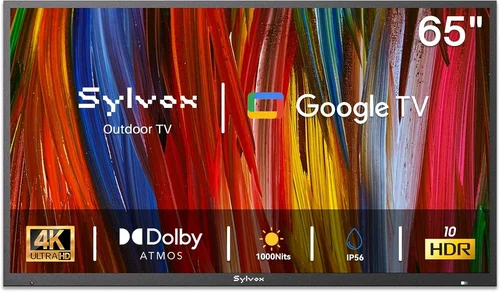
If you’ve ever dreamed of watching your favorite show under the stars, catching the big game while sipping lemonade on a breezy summer evening, or enjoying a movie night surrounded by the peaceful sounds of nature—then you’ve probably considered installing a TV on your screened porch. But here’s the million-dollar question: Can you actually use a patio TV for a screened porch? The short answer is yes—but not just any TV will do. And that’s exactly why this comprehensive buying guide exists.
Screened porches offer a unique blend of indoor comfort and outdoor ambiance, but they also present specific environmental challenges that standard indoor TVs simply aren’t built to handle. From fluctuating temperatures and humidity to dust, insects, and even occasional rain exposure, your TV needs to be tough enough to withstand these conditions without sacrificing picture quality or longevity. This guide cuts through the marketing noise and delivers expert-level insights to help you choose the right TV for your screened porch—whether you’re a casual viewer, a sports fanatic, or a home theater enthusiast looking to extend your entertainment space outdoors.
In the following pages, you’ll learn everything you need to know about selecting, installing, and maintaining a TV designed for semi-outdoor spaces like screened porches. We’ll break down critical factors such as weather resistance, brightness, durability, connectivity, and smart features. You’ll discover the key differences between indoor, outdoor, and “patio-ready” TVs, understand common pitfalls to avoid, and get actionable tips to maximize your investment. By the end, you’ll have the confidence to make an informed decision that matches your lifestyle, budget, and viewing habits—so you can finally enjoy seamless entertainment in your favorite outdoor retreat.
The market for outdoor and semi-outdoor televisions has exploded in recent years, driven by rising demand for outdoor living spaces and advancements in display technology. Major brands like Samsung, LG, Sony, and specialized manufacturers such as SunBriteTV and Seura now offer models specifically engineered for environments like patios, gazebos, and screened porches. These aren’t just regular TVs shoved into weatherproof boxes—they’re purpose-built with enhanced brightness, anti-glare coatings, sealed components, and robust enclosures to resist moisture, heat, and cold. However, with so many options flooding the market, it’s easy to get overwhelmed. Some products claim “outdoor compatibility” but fall short in real-world performance, while others come with premium price tags that may not align with your actual needs. This guide demystifies the choices, helping you distinguish between marketing hype and genuine functionality.

What to Look for When Buying a Patio TV for Your Screened Porch
1. Weather Resistance & Environmental Protection
When it comes to using a TV on a screened porch, weather resistance isn’t optional—it’s essential. Even though your porch is covered and screened, it’s still exposed to outdoor elements like humidity, temperature swings, dust, pollen, and occasional wind-driven rain. A standard indoor TV lacks the protection needed to survive these conditions long-term. Look for TVs specifically rated for outdoor or semi-outdoor use, often labeled as “weather-resistant,” “all-weather,” or “outdoor-rated.” These models feature sealed casings, corrosion-resistant internal components, and gaskets that prevent moisture and debris from entering the unit.
Key certifications to watch for include IP (Ingress Protection) ratings. An IP55 rating, for example, means the TV is protected against dust and low-pressure water jets—ideal for a screened porch where direct rain exposure is unlikely but humidity and splashes are possible. Higher ratings like IP65 offer even greater protection, suitable for fully exposed patios. Additionally, check if the TV is designed to operate in a wide temperature range (typically -22°F to 122°F or -30°C to 50°C). This ensures reliable performance whether you’re watching in winter chill or summer heat.
2. Brightness & Anti-Glare Performance
One of the biggest challenges of outdoor viewing is ambient light. Even on a screened porch, sunlight reflecting off surfaces or filtering through screens can wash out the image on a standard TV. That’s why brightness—measured in nits—is a critical factor. Most indoor TVs range from 300 to 600 nits, which is fine for dimly lit rooms but inadequate for bright outdoor settings. For a screened porch, aim for a minimum of 700 nits, with 1000+ nits being ideal for areas with direct sun exposure during parts of the day.
Equally important is the screen’s anti-reflective coating. Look for TVs with matte or anti-glare finishes that reduce reflections from windows, screens, or nearby light sources. Some premium outdoor models use optical bonding technology, where the glass is fused directly to the display panel, minimizing air gaps that cause glare and improving clarity in bright conditions. Brands like SunBriteTV and Samsung’s The Terrace series excel in this area, offering screens that remain visible even under partial sunlight.
3. Build Quality & Durability
A patio TV isn’t just about surviving the weather—it’s about lasting for years without performance degradation. Build quality directly impacts longevity, especially in environments where temperature fluctuations can cause materials to expand and contract. High-quality outdoor TVs use powder-coated aluminum or stainless steel enclosures that resist rust and corrosion. Internal components are often potted or sealed to prevent moisture damage, and fans (if present) are designed to resist clogging from dust and insects.
Pay attention to the overall construction: Are the ports covered with rubber grommets? Is the stand or mounting hardware sturdy and weatherproof? Can the TV withstand vibrations from wind or nearby activity? A well-built TV should feel solid, with no loose parts or flimsy materials. Additionally, consider the weight—outdoor TVs tend to be heavier due to reinforced casings, which can affect mounting requirements.
4. Size & Viewing Distance
Choosing the right screen size for your screened porch depends on several factors: the size of the space, seating arrangement, and typical viewing distance. A common mistake is selecting a TV that’s too large for the area, leading to eye strain or an overwhelming visual experience. Conversely, a TV that’s too small may feel underwhelming and fail to deliver an immersive experience.
As a general rule, measure the distance from your primary seating area to where the TV will be mounted. For every foot of viewing distance, aim for about 1.5 to 2 inches of screen diagonal. So, if you’re sitting 8 feet away, a 55- to 65-inch TV would be ideal. However, outdoor viewing often benefits from larger screens due to ambient light and the desire for a cinematic feel. If your porch is spacious and you plan to host gatherings, consider a 75-inch or larger model.
Also, consider the TV’s depth and bezel size. Outdoor TVs are often bulkier than indoor models, so ensure there’s enough wall or ceiling space for mounting without obstructing walkways or views.
5. Smart Features & Connectivity
Modern outdoor TVs aren’t just about durability—they’re also packed with smart features that enhance convenience and functionality. Most premium patio models come with built-in Wi-Fi, streaming apps (like Netflix, YouTube, and Disney+), and voice control via Alexa or Google Assistant. This eliminates the need for external streaming devices, reducing cable clutter and potential points of failure.
Check the available ports: HDMI, USB, optical audio, and Ethernet are essential for connecting soundbars, gaming consoles, or cable boxes. Some models even include weatherproof external media bays or wireless connectivity options like Bluetooth for audio streaming. If you plan to use the TV for gaming or high-bandwidth content, ensure it supports HDMI 2.1 and features like Variable Refresh Rate (VRR) and Auto Low Latency Mode (ALLM).
6. Audio Quality & Sound Solutions
Outdoor environments are inherently noisy—birds, wind, distant traffic, and conversation can drown out TV audio. Most outdoor TVs have decent built-in speakers, but they’re rarely sufficient for immersive sound. For the best experience, plan to pair your TV with external audio solutions.
Options include weather-resistant soundbars, outdoor speakers, or wireless audio systems. Some TVs come with audio output ports or Bluetooth connectivity for easy pairing. If you’re mounting the TV high on a wall, consider upward-firing speakers or a soundbar that projects sound downward toward seating areas. For larger porches, a multi-zone audio system with ceiling or wall-mounted speakers can create a surround-sound experience.
Keep in mind that audio equipment must also be rated for outdoor use. Look for speakers with IP ratings and UV-resistant materials to prevent degradation over time.
7. Installation & Mounting Requirements
Proper installation is just as important as the TV itself. A poorly mounted TV can be unsafe, especially in windy conditions or if it’s placed on a high wall. Most outdoor TVs are designed for wall mounting, but some models include stands or can be ceiling-mounted for unique layouts.
Use a heavy-duty, weatherproof mounting bracket rated for the TV’s weight and size. Ensure the wall or ceiling structure can support the load—concrete, brick, or studded walls are ideal. Avoid mounting on vinyl siding or flimsy materials. If you’re unsure, consult a professional installer.
Cable management is another consideration. Use conduit or weatherproof raceways to protect power and signal cables from the elements. Some TVs come with built-in cable channels or external media bays to keep connections tidy and protected.
8. Brand Reputation & Warranty Support
Not all outdoor TV brands are created equal. Established names like Samsung, LG, and Sony offer reliable performance and strong customer support, but they may not specialize in outdoor models. Brands like SunBriteTV, Seura, and Peerless-AV focus exclusively on outdoor displays and often provide better durability and service for semi-outdoor applications.
Warranty coverage is crucial. Look for at least a 2- to 3-year warranty that includes parts, labor, and on-site service if possible. Some manufacturers offer extended warranties or service plans for outdoor use. Read the fine print: many warranties are voided if the TV is installed in an unapproved environment or without proper mounting.
Customer reviews and professional ratings (from sources like CNET, Wirecutter, or Outdoor Living Today) can provide real-world insights into reliability and performance. Pay attention to feedback about long-term durability, customer service responsiveness, and ease of setup.
Different Types of Patio TVs for Screened Porches

Common Buying Mistakes to Avoid
❌ Mistake: Using a Standard Indoor TV Outdoors
Why it’s bad: Indoor TVs are not designed to handle humidity, temperature changes, or dust. Over time, moisture can seep into the internal components, causing corrosion, screen fogging, or complete failure. Even on a screened porch, the risk of damage is high, especially during rainy or humid seasons.
What to do instead: Invest in a TV specifically rated for outdoor or semi-outdoor use. If budget is a concern, consider a high-quality indoor TV paired with a certified weatherproof enclosure—but never use an indoor TV alone.
❌ Mistake: Ignoring Brightness Requirements
Why it’s bad: A dim TV will look washed out in daylight, making it difficult to see details, especially during sports or action scenes. You’ll end up squinting or watching only at night, defeating the purpose of an outdoor setup.
What to do instead: Choose a TV with at least 700 nits of brightness, and opt for an anti-glare screen. Test the viewing angle and lighting conditions on your porch before purchasing.
❌ Mistake: Overlooking Audio Needs
Why it’s bad: Built-in TV speakers are often weak and directional, making it hard to hear dialogue over outdoor noise. You may end up turning the volume too high, which can distort sound or disturb neighbors.
What to do instead: Plan for external audio from the start. Invest in weather-resistant speakers or a soundbar, and position them for optimal sound distribution.
❌ Mistake: Poor Mounting or Installation
Why it’s bad: An improperly mounted TV can fall, causing injury or damage. Loose cables can short out or become tripping hazards. DIY installations without proper tools or knowledge often lead to frustration and rework.
What to do instead: Use a certified outdoor mount and consider hiring a professional installer. Ensure all cables are protected and routed safely.
❌ Mistake: Buying Based on Price Alone
Why it’s bad: The cheapest option may save money upfront but cost more in repairs, replacements, or poor performance. Conversely, the most expensive model may include features you don’t need.
What to do instead: Focus on value—balance price with durability, features, and warranty. Read reviews and compare long-term costs.
❌ Mistake: Neglecting Warranty and Support
Why it’s bad: Outdoor TVs are complex and expensive. If something goes wrong, poor customer service or a limited warranty can leave you stranded with a broken unit.
What to do instead: Choose brands with strong reputations for support. Check warranty terms and consider extended coverage.
Budget Guidelines: How Much Should You Spend?
– Entry-Level ($600 – $1,200): This range typically includes indoor TVs paired with basic weatherproof enclosures. Suitable for fully covered, low-exposure porches with minimal humidity. Expect limited brightness (400-600 nits) and basic smart features. Best for occasional use or smaller screens (43-50 inches).
– Mid-Range ($1,200 – $2,500): The sweet spot for most screened porch owners. Includes semi-outdoor TVs with 700+ nits brightness, IP55 ratings, and solid build quality. Models like the Samsung The Terrace (smaller sizes) or SunBriteTV Veranda series offer excellent value. Ideal for 55-65 inch screens with full smart functionality.
– Premium ($2,500 – $4,500): For enthusiasts who want top-tier performance and durability. Features include 1000+ nits brightness, advanced anti-glare, commercial-grade cooling, and extended warranties. Perfect for large porches, frequent use, or areas with partial sun exposure.
– Luxury ($4,500+): Top-tier all-weather or commercial displays with 2000+ nits, 24/7 operation capability, and custom installation support. Best for high-end homes, commercial spaces, or extreme climates.
Expert Tips for Getting the Best Deal
– Buy during off-seasons: Prices on outdoor TVs often drop in late fall and winter when demand is lower. Look for holiday sales around Black Friday or end-of-year clearances.
– Compare retailers: Check specialty outdoor electronics stores (like Outdoor TV Direct or Seura) alongside major retailers (Best Buy, Amazon). Some offer free installation or extended warranties.
– Bundle with accessories: Some sellers offer discounts when you buy a TV, mount, and sound system together. This can save hundreds compared to purchasing separately.
– Check for rebates: Manufacturers occasionally offer mail-in rebates or trade-in programs for old TVs.
– Read the fine print: Ensure the warranty covers outdoor use and that return policies allow for testing in your environment.
– Test before finalizing: If possible, visit a showroom or request a demo. Pay attention to brightness, sound, and ease of use.
– Consider refurbished models: Certified refurbished outdoor TVs from reputable sellers can offer significant savings with full warranties.

Frequently Asked Questions
Q: Can I use a regular TV on my screened porch?
A: Technically yes, but it’s not recommended. Without proper weather protection, an indoor TV is likely to fail within a year due to moisture, dust, or temperature damage. Use a weatherproof enclosure or choose a purpose-built outdoor model.
Q: Do I need a special mount for an outdoor TV?
A: Yes. Standard mounts aren’t designed for the weight and environmental stresses of outdoor TVs. Use a heavy-duty, weatherproof mount rated for your TV’s size and weight.
Q: How do I protect cables from the weather?
A: Use conduit, raceways, or outdoor-rated cable sleeves. Route cables through walls or under trim when possible, and seal all connections with silicone or weatherproof tape.
Q: Can I leave my patio TV on all the time?
A: Most outdoor TVs are designed for extended use, but continuous operation can reduce lifespan. Use a timer or smart plug to turn it off when not in use.
Q: What’s the difference between a patio TV and an outdoor TV?
A: “Patio TV” often refers to semi-outdoor models for covered spaces like screened porches, while “outdoor TV” typically means fully weatherproof units for exposed areas. Check the IP rating and operating environment specs.
Q: Do outdoor TVs use more power?
A: Yes, due to higher brightness and cooling systems. Look for Energy Star ratings or models with eco modes to reduce consumption.
Q: Can I use a projector instead of a TV?
A: Projectors can work on screened porches but require very dark conditions and a clear wall or screen. They’re less durable and harder to maintain than TVs.
Q: How long do outdoor TVs last?
A: With proper care, a quality outdoor TV can last 7-10 years or more. Indoor TVs in enclosures may last 3-5 years depending on conditions.
Our Final Recommendations
– Best for Budget-Conscious Buyers: TCL 55″ 4-Series with Peerless-AV Outdoor Enclosure – Affordable, reliable, and easy to set up for covered porches.
– Best Overall Value: Samsung The Terrace 55″ – Excellent brightness, smart features, and sleek design, ideal for most screened porches.
– Best Premium Option: SunBriteTV Veranda 3 65″ – Built for semi-outdoor use with superior durability, 1000+ nits, and top-tier support.
– Best for Beginners: LG OLED Flex (with outdoor enclosure) – User-friendly interface, great picture quality, and flexible mounting options.
– Best for Advanced Users: Seura 75″ Shadow Series – Ultra-bright, anti-glare, and designed for high-end outdoor entertainment with custom installation support.
Conclusion: Making the Right Choice
Choosing the right TV for your screened porch is about more than just picture quality—it’s about creating a reliable, enjoyable outdoor entertainment space that lasts. By prioritizing weather resistance, brightness, build quality, and proper installation, you can avoid common pitfalls and enjoy years of seamless viewing under the open sky. Remember, your screened porch is an extension of your home, and the right TV can transform it into a true outdoor living room.
Don’t rush the decision. Take time to assess your space, lighting conditions, and viewing habits. Compare models, read real user reviews, and consult with experts if needed. Whether you’re watching a sunset movie night or the championship game with friends, the right patio TV will enhance every moment. So go ahead—bring the screen outside, and make your porch the heart of your home.

