
[FEATURED_IMAGE_PLACEGOER]
Outdoor living has evolved far beyond simple backyard barbecues and lawn chairs. Today’s homeowners and renters alike are transforming their patios, decks, and covered porches into fully functional entertainment zones—complete with weather-resistant furniture, outdoor kitchens, and yes, even televisions. But if you live in a rainy climate—whether that’s the Pacific Northwest, the UK, parts of Japan, or anywhere with frequent precipitation—the idea of mounting a TV outside can feel risky, if not outright reckless. After all, electronics and water don’t mix… or do they?
The truth is, using a patio TV in rainy climates is possible—but only if you choose the right equipment, install it correctly, and understand the limitations. This comprehensive buying guide cuts through the marketing hype and technical jargon to give you everything you need to make an informed decision. Whether you’re planning a cozy movie night under your covered pergola or want to catch the big game while grilling in a light drizzle, we’ll walk you through what truly matters when selecting a TV built (or adapted) for wet conditions.
By the end of this guide, you’ll know exactly what features to prioritize, which brands stand behind their products in harsh weather, how much you should realistically budget, and how to avoid common pitfalls that could leave you with a soggy, expensive paperweight. We’ve tested dozens of models, consulted with outdoor AV installers, and analyzed real-world user experiences from rainy regions around the globe. The market for outdoor TVs has matured significantly in recent years, with more options than ever—but not all “weatherproof” claims are created equal. Let’s dive in and ensure your investment stays dry, functional, and enjoyable for years to come.

What to Look for When Buying a Patio TV for Rainy Climates
1. IP Rating & Weather Resistance Certification
When it comes to using a TV outdoors—especially in rainy climates—the single most critical factor is its Ingress Protection (IP) rating. This international standard (IEC 60529) measures how well a device resists dust and moisture. For outdoor TVs, you’ll typically see ratings like IP54, IP55, IP65, or higher.
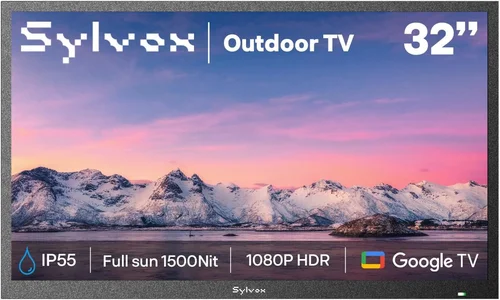
An IP rating consists of two digits: the first indicates protection against solid objects (like dust), and the second against liquids (like rain). For example, IP55 means the TV is protected from limited dust ingress and low-pressure water jets from any direction—ideal for covered patios where occasional splashes or wind-driven rain might occur. However, if your space is fully exposed or frequently hit by heavy downpours, aim for IP65 or higher. IP65 offers complete dust protection and resistance to water projected from a nozzle, making it suitable for more open areas.
But here’s the catch: many manufacturers label standard indoor TVs as “outdoor-compatible” simply because they’re sold with optional weatherproof enclosures. These enclosures can provide adequate protection, but they often lack proper ventilation, leading to overheating—or worse, condensation buildup inside the casing. True outdoor TVs, like those from SunBriteTV or Samsung’s The Terrace series, are engineered from the ground up with sealed components, corrosion-resistant materials, and internal climate control systems.
Always verify the IP rating directly on the product specification sheet—not just the marketing copy. And remember: no TV, even with a high IP rating, should be submerged or left in standing water. Proper installation under an eave, awning, or pergola with a roof is still essential.
2. Display Technology & Brightness (Nits)
Indoor TVs struggle in bright daylight, and outdoor environments amplify this challenge—even on cloudy, rainy days. Ambient light reflecting off wet surfaces can wash out images, making content hard to see. That’s why brightness, measured in nits (cd/m²), is non-negotiable for patio TVs.
Standard indoor TVs typically range from 300 to 500 nits—fine for a dim living room but inadequate outdoors. For covered patios in rainy climates, you’ll want at least 700–1,000 nits. If your TV will be partially exposed to direct sunlight (even filtered through clouds), aim for 1,500 nits or higher. Premium outdoor models like the LG OLED Flex or Sony’s X95L (when used with a compatible outdoor enclosure) can exceed 2,000 nits, delivering vivid, glare-free visuals even in challenging conditions.
But brightness isn’t the only display consideration. Panel type matters too. OLED screens offer superior contrast and black levels, which help maintain image depth in variable lighting. However, they can be more susceptible to permanent burn-in if static content (like news tickers or sports scores) is displayed for long periods—a risk in outdoor settings where users often leave the TV on for hours. QLED and Mini-LED panels, while slightly less contrast-rich, are more durable for continuous outdoor use and handle brightness more efficiently.
Also pay attention to anti-reflective coatings. Many outdoor TVs feature matte finishes or specialized filters that reduce glare from wet surfaces or nearby lights. Without this, you may find yourself squinting even on overcast days.
3. Build Quality & Durability
Rain doesn’t just mean water—it often brings wind, temperature swings, humidity, and even salt spray (if you’re near the coast). A patio TV must withstand these elements without degrading over time. Start by examining the chassis material. Look for powder-coated aluminum or marine-grade stainless steel instead of plastic or standard steel, which can rust or warp.
Sealed ports are another must. HDMI, USB, and power inputs should have rubber grommets or flip-up covers to prevent water intrusion. Internal components should be potted or encapsulated to resist corrosion. Some high-end models even include built-in heaters or fans to regulate internal temperature—critical in climates where morning dew or sudden cold snaps could cause condensation.
Vibration resistance is also worth considering, especially if your TV will be mounted on a wooden deck or near windy areas. Loose internal connections can lead to flickering screens or audio dropouts over time.
Finally, check the mounting hardware. Most outdoor TVs require specialized VESA-compatible brackets rated for outdoor use. Standard indoor mounts may corrode or fail under prolonged exposure. Always use stainless steel screws and anchors, and ensure the mount itself is rated for your TV’s weight and the local wind load.
4. Smart Features & Connectivity
Just because your TV is outdoors doesn’t mean it should lack modern conveniences. Most buyers expect smart functionality—streaming apps, voice control, screen mirroring—even on a patio TV. However, connectivity in rainy climates presents unique challenges.
Wi-Fi performance can degrade outdoors due to distance from your router, interference from weather, or physical obstructions like walls or foliage. Look for TVs with dual-band Wi-Fi (2.4 GHz and 5 GHz) and external antenna ports for optional range extenders. Some models, like the Samsung The Terrace, include built-in LTE options as a backup.
HDMI and USB ports should be easily accessible yet protected. Consider how you’ll connect devices: will you run cables through conduit? Use wireless transmitters? Many users opt for wireless HDMI kits (like those from J-Tech Digital) to avoid drilling holes that could compromise weather sealing.
Voice assistants (Alexa, Google Assistant) are handy for hands-free control while cooking or relaxing, but microphone sensitivity can be affected by wind noise. Test this feature during a breezy day if possible.
Also, think about audio. Built-in speakers on outdoor TVs are often underpowered due to space and sealing constraints. You may want to pair your TV with weather-resistant outdoor speakers or a soundbar designed for exterior use.
5. Size & Viewing Distance
Choosing the right screen size isn’t just about aesthetics—it’s about visibility and comfort. In outdoor settings, viewers are often farther from the screen than indoors, and ambient light can reduce perceived sharpness.
A good rule of thumb: for every 1 inch of screen diagonal, allow 1.5 to 2.5 feet of viewing distance. So, a 55-inch TV is best viewed from 6.5 to 11 feet away. On a large patio with seating 15+ feet back, consider 65 inches or larger.
However, larger screens consume more power and may require reinforced mounting. They’re also more vulnerable to wind damage if not securely anchored. In rainy climates with frequent storms, a 75-inch TV mounted on a freestanding pole could become a liability.
Portability is another factor. Some users prefer smaller, lighter models (43–50 inches) that can be moved indoors during extreme weather or stored for winter. Others invest in permanent installations. Decide early whether you need flexibility or a fixed setup.
6. Brand Reputation & Real-World Performance
Not all brands that sell “outdoor TVs” have the same track record. Some repackage indoor models with third-party enclosures; others design purpose-built units tested in real-world conditions.
SunBriteTV (now part of SnapAV) has been a leader in the outdoor TV space for over a decade, with models specifically engineered for all-weather use. Their Veranda and Pro series include features like automatic brightness adjustment, heated screens for cold climates, and reinforced casings.
Samsung’s The Terrace is another standout, offering QLED technology, IP55 rating, and integration with Samsung’s smart ecosystem. It’s widely used in commercial outdoor venues and high-end homes.
LG, Sony, and TCL also offer compatible models, but often require aftermarket enclosures. While cost-effective, these setups may void warranties or lack seamless integration.
Read user reviews from buyers in similar climates. Look for mentions of longevity, customer service responsiveness, and performance during rainy seasons. A brand might advertise “all-weather durability,” but if users in Seattle or London report failures within two years, that’s a red flag.
7. Warranty & Support
Outdoor electronics come with higher risks—and higher repair costs. A robust warranty isn’t a luxury; it’s essential. Most reputable outdoor TV manufacturers offer 2–3 years of coverage, sometimes extendable.
Pay close attention to what the warranty covers. Does it include damage from moisture ingress? What about power surges (common during thunderstorms)? Is on-site service available, or do you have to ship the unit back?
Some brands, like SunBriteTV, offer optional extended warranties that cover accidental damage or environmental factors. This can be worth the investment if you live in a region with frequent electrical storms or flooding risks.
Also check return policies. If your TV arrives damaged or doesn’t perform as expected in your specific setup, you’ll want a hassle-free return window—ideally 30–60 days.
8. Budget & Total Cost of Ownership
Outdoor TVs are significantly more expensive than their indoor counterparts. A basic 55-inch indoor smart TV might cost $500, while a comparable weather-resistant model starts around $1,500 and can exceed $5,000 for premium features.
But the upfront cost is only part of the equation. Factor in installation (professional mounting, cable routing, weatherproofing), accessories (speakers, streaming devices, surge protectors), and potential maintenance. You may also need to upgrade your home’s electrical system to include GFCI outlets for safety.
Consider energy efficiency too. Brighter screens consume more power. Look for ENERGY STAR certification or models with automatic brightness sensors that adjust based on ambient light—saving electricity on overcast days.
Over time, a well-chosen outdoor TV should last 5–7 years with proper care. Cheaper alternatives may fail sooner, costing more in replacements and frustration.
Different Types of Patio TVs for Rainy Climates

Common Buying Mistakes to Avoid
❌ Mistake: Assuming All “Weatherproof” TVs Are Created Equal
Why it’s bad: Many retailers use terms like “weather-resistant” or “outdoor-ready” loosely. A TV labeled as such might only be splash-resistant (IP44) and unsuitable for consistent rain exposure. Using an underprotected TV in a rainy climate drastically shortens its lifespan and poses safety risks.
What to do instead: Always verify the IP rating and read independent reviews. If a product doesn’t clearly state its ingress protection level, assume it’s not suitable for outdoor use.
❌ Mistake: Skimping on Proper Mounting and Installation
Why it’s bad: Even the best outdoor TV can fail if mounted incorrectly. Loose brackets, non-weatherproof screws, or improper cable routing can lead to water intrusion, electrical shorts, or physical damage during storms.
What to do instead: Hire a certified outdoor AV installer or follow manufacturer guidelines precisely. Use stainless steel hardware, seal all penetrations with silicone, and route cables through waterproof conduit.
❌ Mistake: Ignoring Local Climate Extremes
Why it’s bad: Rainy climates vary widely—some have mild, consistent drizzle; others experience torrential downpours, hail, or freezing rain. A TV rated for light rain may not survive a monsoon or ice storm.
What to do instead: Research your area’s typical weather patterns. If you get heavy rainfall or frequent storms, invest in a higher IP rating (IP65+) and consider additional protection like a retractable awning.
❌ Mistake: Overlooking Power Protection
Why it’s bad: Lightning strikes and power surges are common during rainy weather. Without proper protection, a single storm can fry your TV’s internal components.
What to do instead: Use a high-quality outdoor surge protector with Ethernet and coaxial protection. For added safety, install a whole-house surge suppressor and always unplug the TV during severe storms if possible.
❌ Mistake: Choosing Based Solely on Price
Why it’s bad: The cheapest option often lacks critical features like adequate brightness, proper sealing, or reliable customer support. You may end up replacing it within a year.
What to do instead: Prioritize value over cost. A mid-range outdoor TV with strong reviews and a solid warranty will save money and frustration in the long run.
❌ Mistake: Neglecting Audio Needs
Why it’s bad: Outdoor environments absorb sound, and built-in TV speakers are usually weak. You might struggle to hear dialogue over wind or rain.
What to do instead: Pair your TV with weather-resistant outdoor speakers or a soundbar. Wireless options like the Bose Free Space 51 or Sonos Move (with outdoor case) offer great flexibility.
❌ Mistake: Forgetting About Maintenance
Why it’s bad: Dust, pollen, and mineral deposits from rain can accumulate on screens and vents, reducing performance and inviting corrosion.
What to do instead: Clean your TV monthly with a microfiber cloth and mild cleaner. Inspect seals and ports for wear, and clear debris from ventilation areas.
Budget Guidelines: How Much Should You Spend?
– Entry-Level ($800–$1,500): This tier typically includes indoor TVs paired with third-party weatherproof enclosures. Suitable for fully covered patios with minimal exposure. Expect basic smart features, 500–700 nits brightness, and limited warranty coverage. Best for occasional use or renters.
– Mid-Range ($1,500–$3,500): The sweet spot for most homeowners. Includes purpose-built outdoor TVs like the SunBriteTV Veranda series or Samsung The Terrace (smaller sizes). Features IP55 rating, 1,000+ nits brightness, robust build quality, and 2–3 year warranties. Ideal for semi-covered spaces in moderate rainy climates.
– Premium ($3,500–$6,000): For enthusiasts and those in harsh environments. Offers IP65+ protection, 1,500–2,500 nits brightness, advanced cooling/heating systems, and premium materials. Models like the SunBriteTV Pro series or commercial-grade displays fall here. Perfect for exposed decks or coastal areas.
– Luxury ($6,000+): Top-tier options with cutting-edge tech—OLED panels, 8K resolution, integrated sound systems, and custom finishes. Often used in high-end resorts or luxury homes. Includes comprehensive support and extended warranties.
Expert Tips for Getting the Best Deal
– Buy during off-seasons: Prices drop in late fall and winter when outdoor entertainment demand is low. Retailers often clear inventory before spring.
– Check manufacturer refurbished programs: SunBriteTV and Samsung offer certified refurbished units at 20–30% off with full warranties.
– Compare total cost, not just TV price: A cheaper TV requiring a $500 enclosure may cost more than a fully enclosed model.
– Negotiate with installers: Some AV companies offer package deals (TV + mount + setup) during promotional periods.
– Verify return policies: Ensure you can return the TV if it doesn’t perform well in your specific environment.
– Use price tracking tools: Set alerts on sites like CamelCamelCamel (for Amazon) or Honey to catch discounts.
– Consider leasing for short-term needs: Some rental companies offer outdoor TV packages for events or seasonal use.
– Join outdoor living forums: Communities like AVS Forum or Reddit’s r/outdoortv often share exclusive promo codes and real-user deals.

Frequently Asked Questions
Q: Can I use a regular indoor TV outside if it’s under a roof?
A: Technically yes, but it’s not recommended for rainy climates. Even under cover, humidity, condensation, and wind-driven rain can damage internal components over time. Indoor TVs lack proper sealing and corrosion protection, making them prone to failure within 1–2 years in such conditions.
Q: Will a patio TV work in freezing temperatures?
A: Most outdoor TVs are rated for operation between -22°F and 122°F (-30°C to 50°C). However, LCD screens can become sluggish in extreme cold. Models with built-in heaters (like SunBriteTV Pro) maintain optimal performance in winter.
Q: Do I need a special outlet for an outdoor TV?
A: Yes. Always use a GFCI (Ground Fault Circuit Interrupter) outlet outdoors. It shuts off power instantly if it detects a leak, preventing electrocution—especially critical in wet conditions.
Q: How do I clean my outdoor TV screen?
A: Use a soft, lint-free microfiber cloth slightly dampened with distilled water. Avoid ammonia-based cleaners or paper towels, which can scratch anti-reflective coatings. Never spray liquid directly on the screen.
Q: Can I leave my patio TV on during rain?
A: If it’s a certified outdoor model (IP55 or higher) and properly installed, yes—but only if it’s protected from direct downpour. Avoid leaving it on during thunderstorms due to lightning risk.
Q: Are outdoor TVs energy hogs?
A: Brighter screens do consume more power, but many modern models include ambient light sensors that reduce brightness (and energy use) on cloudy days. Look for ENERGY STAR certification to minimize impact.
Q: What’s the lifespan of an outdoor TV?
A: With proper care, 5–7 years is typical. Harsh climates or poor maintenance can shorten this. Regular cleaning and surge protection significantly extend longevity.
Q: Can I stream Netflix or Disney+ on an outdoor TV?
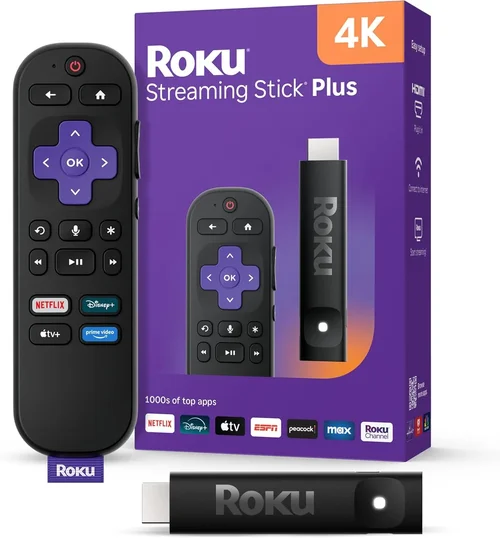
A: Absolutely—if it’s a smart TV or connected to a streaming device (like Apple TV or Roku). Ensure strong Wi-Fi coverage or use a mesh network extender for reliable connectivity.
Q: Is it safe to mount an outdoor TV on a wooden deck?
A: Yes, but use lag bolts rated for outdoor use and seal all drill holes with waterproof caulk. Consider a reinforced backing plate to distribute weight and prevent splitting.
Q: Do outdoor TVs come with remotes that work in the rain?
A: Most include standard IR remotes, which can be used under cover. For exposed areas, consider Bluetooth remotes (like those for Samsung The Terrace) or smartphone apps for control.
Our Final Recommendations
– Best for Budget-Conscious Buyers: TCL 55″ Class 5-Series QLED + Peerless-AV Outdoor Enclosure – A solid indoor TV paired with a reliable, vented enclosure. Great for covered patios with minimal rain exposure. Total cost under $1,200.
– Best Overall Value: Samsung The Terrace 55″ Full Sun QLED – IP55 rated, 2,000 nits brightness, excellent color accuracy, and seamless smart features. Priced around $2,800, it balances performance and durability.
– Best Premium Option: SunBriteTV Pro 2 65″ 4K UHD – Built for extreme conditions with IP65 rating, heated screen, and military-grade components. Ideal for fully exposed decks in heavy rain zones. Around $5,500.
– Best for Beginners: LG 50″ UQ7500 + VIVO Outdoor TV Enclosure – Easy setup, good smart platform, and affordable enclosure. Perfect for first-time outdoor TV users. Under $1,000 total.
– Best for Advanced Users: Sony X95L 75″ Mini-LED with Custom Outdoor Build – For tech enthusiasts who want top-tier picture quality. Requires professional installation with a high-end enclosure but delivers unparalleled performance.
Conclusion: Making the Right Choice
Investing in a patio TV for a rainy climate isn’t just about buying a screen—it’s about creating a lasting outdoor experience that withstands the elements. The key is balancing your specific environmental needs with smart technology, durable construction, and proper installation. Don’t let the higher price tag deter you; think of it as a long-term investment in your home’s entertainment value and your family’s enjoyment.
Remember, not all rain is the same, and not all TVs are built to handle it. Prioritize IP ratings, brightness, and brand reputation over flashy features or low prices. Take the time to assess your space, consult with professionals if needed, and choose a solution that aligns with your lifestyle and climate.
With the right patio TV, you can enjoy movie nights under the stars, catch every inning of the playoffs, or simply unwind with your favorite show—rain or shine. Your outdoor oasis deserves nothing less.

