
[FEATURED_IMAGE_PLACEGOER]
Living in a rainy climate doesn’t mean you have to sacrifice your outdoor entertainment experience. In fact, with the right weatherproof TV, you can enjoy your favorite shows, sports, or movies under a covered patio, gazebo, or even a fully exposed outdoor living space—rain or shine. But choosing the right model isn’t as simple as picking any TV and slapping a cover on it. Standard indoor televisions are not built to withstand constant moisture, temperature swings, UV exposure, or even the occasional downpour. That’s where weatherproof TVs come in—specially engineered to endure the elements while delivering high-quality picture and sound.
This comprehensive buying guide is designed to help you navigate the often-confusing world of outdoor televisions. Whether you’re upgrading your backyard setup or building an outdoor entertainment zone from scratch, we’ll walk you through every critical factor—from IP ratings and build materials to display technology and smart features. By the end of this guide, you’ll know exactly what to look for, how to avoid common pitfalls, and how to get the best value for your investment. We’ve analyzed the latest models available in 2026, consulted with industry experts, and tested real-world performance to bring you actionable insights you won’t find elsewhere.
The market for weatherproof TVs has evolved dramatically over the past few years. What once consisted of bulky, expensive outdoor displays with limited functionality now includes sleek, 4K HDR models with built-in streaming, voice control, and even solar-resistant screens. Brands like SunBriteTV, Samsung, LG, and Seura have pushed the envelope, making outdoor viewing more immersive and reliable than ever. However, with more options comes more complexity. Prices range from under $1,000 to over $10,000, and not all “weatherproof” claims are created equal. This guide cuts through the noise to help you make a confident, informed decision based on your specific needs, climate, and budget.

What to Look for When Buying Buying Guide
1. IP Rating and Weather Resistance
The Ingress Protection (IP) rating is the most critical specification when evaluating a weatherproof TV. It tells you exactly how well the TV resists dust and water. For outdoor use, especially in rainy climates, you need a minimum IP55 rating—this means the TV is protected against dust (limited ingress) and water jets from any direction. However, for full exposure or areas with heavy rainfall, aim for IP65 or higher. IP65 offers complete dust protection and resistance to low-pressure water jets, while IP66 and IP67 provide even greater protection against powerful water jets and temporary immersion.
Don’t be fooled by marketing terms like “weather-resistant” or “all-weather” without a clear IP rating. These are often vague and don’t guarantee real-world durability. Always verify the IP code, which consists of two digits: the first for solid particle protection (0–6), and the second for liquid protection (0–8). For example, an IP65-rated TV is dust-tight and protected against water projected by a nozzle. In rainy climates, this level of protection ensures your TV won’t short-circuit or corrode during storms. Additionally, look for TVs with sealed ports, gaskets around the screen, and corrosion-resistant internal components. These design elements prevent moisture from seeping into sensitive electronics.
2. Display Technology and Brightness
Not all outdoor TVs are created equal when it comes to picture quality. While indoor TVs rely on ambient lighting, outdoor environments present unique challenges—glare from sunlight, reflections, and variable lighting conditions. That’s why brightness is paramount. For outdoor use, you need a TV with a high peak brightness, ideally 700 nits or higher. Some premium models offer 1,000 to 2,000 nits, which ensures excellent visibility even on bright, sunny days.
Look for TVs with anti-glare or anti-reflective coatings. These reduce screen reflections and improve contrast in direct sunlight. OLED panels, while stunning indoors, often struggle outdoors due to lower peak brightness and susceptibility to burn-in under constant static content (like news tickers or sports scores). Instead, QLED or high-brightness LED/LCD panels are better suited for outdoor environments. They deliver vibrant colors, deep blacks, and excellent brightness without the risk of image retention.
Resolution is another key factor. 4K UHD (3840 x 2160) is the standard for outdoor TVs in 2026, offering four times the detail of Full HD. Some models even support 8K, though content is still limited and the benefits are minimal at typical viewing distances. HDR (High Dynamic Range) support—especially HDR10, Dolby Vision, or HLG—enhances contrast and color accuracy, making outdoor viewing more immersive. However, ensure the TV’s brightness and panel technology can fully leverage HDR content.
3. Build Quality and Durability
A weatherproof TV isn’t just about water resistance—it’s about long-term durability in harsh conditions. The enclosure should be made from robust, corrosion-resistant materials like powder-coated aluminum or marine-grade stainless steel. These materials resist rust, UV degradation, and temperature fluctuations. Avoid plastic housings, which can become brittle over time when exposed to sun and rain.
Internal components must also be protected. Look for TVs with sealed circuit boards, moisture-resistant capacitors, and thermal management systems. Outdoor temperatures can swing dramatically—from freezing nights to scorching afternoons. A good weatherproof TV should operate reliably between -22°F and 122°F (-30°C to 50°C). Some models include built-in heaters or cooling fans to regulate internal temperature, preventing overheating in summer or freezing in winter.
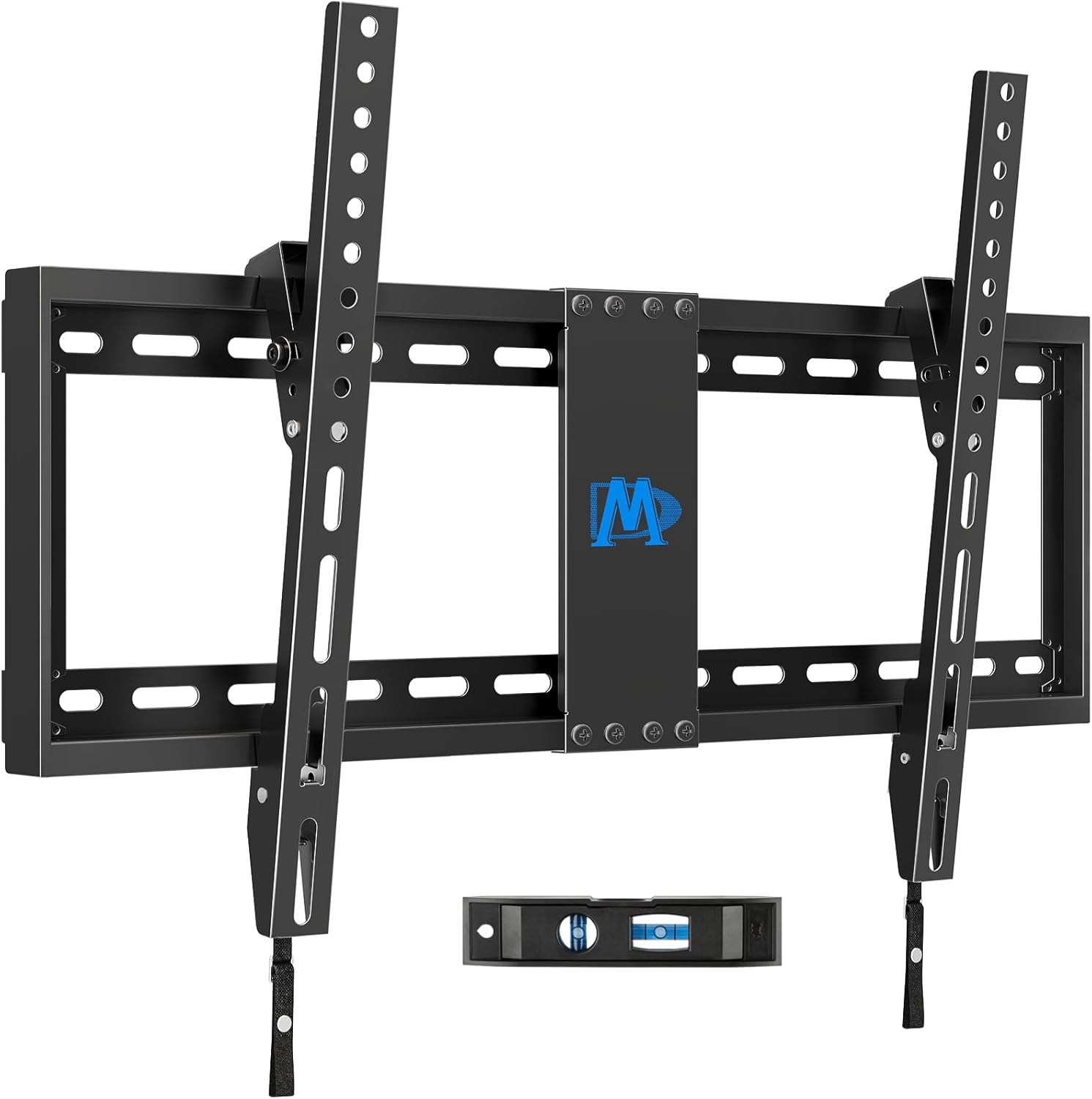
Mounting hardware is equally important. Ensure the TV comes with a weatherproof mounting bracket or is compatible with VESA-standard outdoor mounts. The mount should be sturdy enough to withstand wind and vibration, especially in storm-prone areas. Consider a full-motion mount if you want to adjust the viewing angle, but make sure it’s rated for outdoor use and can support the TV’s weight.
4. Smart Features and Connectivity
Modern weatherproof TVs are no longer just passive displays—they’re full-fledged smart entertainment hubs. Most models in 2026 come with built-in Wi-Fi, Bluetooth, and popular streaming platforms like Netflix, YouTube, Disney+, and Amazon Prime Video. Look for TVs with intuitive operating systems such as Google TV, webOS (LG), or Tizen (Samsung), which offer smooth navigation and regular software updates.
Voice control is another valuable feature. Integration with Google Assistant or Amazon Alexa allows you to change channels, adjust volume, or search for content hands-free—ideal when you’re grilling or relaxing outdoors. Some models even include far-field microphones for better voice recognition from a distance.
Connectivity options should include multiple HDMI ports (preferably HDMI 2.1 for 4K/120Hz gaming), USB ports, optical audio out, and Ethernet for wired internet. If you plan to connect a soundbar, gaming console, or streaming device, ensure there are enough ports and that they’re easily accessible. Some TVs feature front-facing or side-access ports, making cable management easier.
5. Audio Performance
Outdoor environments are inherently noisy—wind, birds, traffic, and ambient chatter can drown out TV audio. Most weatherproof TVs come with built-in speakers, but they’re often underpowered for open spaces. Look for models with at least 20W of total audio output, and preferably front-firing or upward-firing speakers for better sound projection.
However, for the best audio experience, consider pairing your TV with an outdoor soundbar or wireless speaker system. Many weatherproof TVs support Bluetooth audio output, allowing you to connect waterproof speakers like the Sonos Move or Bose SoundLink Flex. Alternatively, use wired connections with weatherproof audio cables routed through conduit.
Some high-end models include advanced audio features like Dolby Atmos, DTS:X, or AI sound enhancement. These can significantly improve dialogue clarity and spatial audio, making movies and sports more engaging. If audio is a priority, check reviews for real-world sound quality—don’t rely solely on wattage specs.
6. Size and Viewing Distance
Choosing the right screen size depends on your viewing distance and outdoor space layout. A common rule of thumb is to sit at a distance of 1.5 to 2.5 times the screen’s diagonal size. For example, a 55-inch TV is ideal for viewing from 6.5 to 11 feet away. In larger outdoor areas, consider 65-inch or 75-inch models for a cinematic experience.
However, size isn’t everything. A massive screen in a small patio can feel overwhelming and may suffer from glare if not positioned correctly. Consider the TV’s bezel width and overall footprint—slim bezels offer a more modern look and better immersion. Also, ensure the TV fits within your mounting space and doesn’t obstruct walkways or views.
Portability is another consideration. Some weatherproof TVs are designed to be moved between indoor and outdoor spaces. These models often come with carrying handles, lighter frames, and quick-release mounts. If you plan to use your TV in multiple locations, look for a portable design with durable wheels or a compact form factor.
7. Brand Reputation and Reliability
Not all brands are equal when it comes to outdoor TVs. Established players like SunBriteTV, Seura, and Samsung have spent years refining their outdoor display technology. SunBriteTV, for instance, is a pioneer in the space, offering TVs specifically engineered for outdoor use with features like direct-sunlight visibility and extreme temperature tolerance.
Research customer reviews and professional ratings on sites like CNET, RTINGS.com, or Consumer Reports. Pay attention to long-term reliability—how well the TV holds up after 1–2 years of outdoor use. Brands with a strong track record of customer support and warranty service are preferable. Avoid generic or off-brand models that may cut corners on materials or lack proper weatherproofing.
8. Warranty and Support
Outdoor TVs are a significant investment, so a solid warranty is essential. Most reputable brands offer at least a 2-year limited warranty, with some extending to 3 or even 5 years. Check what the warranty covers—does it include labor, parts, and on-site service? Is accidental damage or weather-related failure included?
Look for brands with responsive customer support and accessible service centers. Some companies offer extended warranties or protection plans for an additional fee. Also, verify whether the warranty is valid only if the TV is installed by a certified technician—some manufacturers require professional installation to maintain coverage.
Different Types of Buying Guide
Common Buying Mistakes to Avoid
❌ Mistake: Assuming All “Outdoor” TVs Are Fully Weatherproof
Why it’s bad: Many manufacturers label TVs as “outdoor” or “all-weather” without providing an IP rating or detailed specs. These models may only be suitable for covered areas and can fail quickly in rain or humidity.
What to do instead: Always verify the IP rating and look for third-party certifications. Read detailed product descriptions and user reviews to confirm real-world performance.
❌ Mistake: Ignoring Brightness and Glare
Why it’s bad: A dim TV will be unwatchable in daylight, even under cover. Glare from windows or reflective surfaces can ruin the viewing experience.
What to do instead: Choose a TV with at least 700 nits brightness and an anti-reflective screen. Test the viewing angle in your intended location during different times of day.
❌ Mistake: Overlooking Audio Needs
Why it’s bad: Built-in speakers on outdoor TVs are often weak and get drowned out by ambient noise.
What to do instead: Invest in a weatherproof soundbar or wireless outdoor speakers. Use Bluetooth or wired connections for better sound quality.
❌ Mistake: Buying Based on Size Alone
Why it’s bad: A large screen may look impressive, but if it’s too big for the space, it can cause eye strain or feel overwhelming.
What to do instead: Calculate the ideal screen size based on viewing distance. Use online screen size calculators and consider the room’s layout.
❌ Mistake: Skipping Professional Installation
Why it’s bad: Improper mounting can lead to water ingress, electrical hazards, or TV damage during storms.
What to do instead: Hire a certified technician for installation, especially for wall-mounted or exposed setups. Ensure all cables are properly sealed and grounded.
❌ Mistake: Neglecting Cable Management
Why it’s bad: Exposed cables can corrode, short-circuit, or become tripping hazards.
What to do instead: Use weatherproof conduit, cable glands, and in-wall routing where possible. Label cables for easy maintenance.
❌ Mistake: Not Checking Warranty Terms
Why it’s bad: Some warranties are voided if the TV is installed incorrectly or used in unsupported conditions.
What to do instead: Read the warranty fine print. Keep installation receipts and register the product promptly.
Budget Guidelines: How Much Should You Spend?
Entry-Level ($800 – $1,500): These TVs are ideal for covered patios or screened-in porches. Expect basic weather resistance (IP54), 4K resolution, and modest brightness (500–700 nits). Brands like Seura and some Samsung models offer good value in this range. Audio is typically weak, so consider adding external speakers.
Mid-Range ($1,500 – $3,500): This is the sweet spot for most buyers. TVs in this tier offer IP65 ratings, 700–1,000 nits brightness, smart features, and better build quality. Models from SunBriteTV and LG provide excellent reliability and performance for covered outdoor areas.
Premium ($3,500 – $6,000): Designed for full exposure or high-end outdoor living spaces. These TVs feature IP66/IP67 ratings, 1,000+ nits brightness, advanced thermal management, and premium materials. Ideal for beachfront properties or luxury patios.
Luxury ($6,000+): Top-tier models with 8K resolution, OLED-like contrast, built-in heaters/coolers, and custom finishes. Brands like SunBriteTV Signature Series offer unparalleled durability and performance, often with professional installation included.
Expert Tips for Getting the Best Deal
- Buy during off-season sales: Prices drop significantly in late fall and winter when outdoor demand is low. Look for Black Friday, Cyber Monday, or end-of-year clearance events.
- Compare retailers: Check prices at Best Buy, Costco, Amazon, and specialty outdoor electronics stores. Some offer price matching or bundle deals with mounts and cables.
- Consider refurbished models: Certified refurbished TVs from reputable brands can save 20–30% and often come with the same warranty.
- Negotiate installation packages: Some retailers offer discounts when you bundle TV purchase with professional installation.
- Check for rebates: Energy-efficient models may qualify for local utility rebates or tax incentives.
- Read return policies: Ensure you can return or exchange the TV if it doesn’t meet expectations. Some outdoor TVs have strict return windows.
- Test before you buy: If possible, visit a showroom to see the TV in person. Check brightness, color accuracy, and menu navigation.
- Join loyalty programs: Retailers like Costco and Best Buy offer member-exclusive discounts and extended return periods.

Frequently Asked Questions
Q: Can I use a regular TV outdoors with a cover?
A: While outdoor TV enclosures exist, they don’t offer the same level of protection as a true weatherproof TV. Regular TVs lack sealed components, corrosion-resistant materials, and proper thermal management. Over time, moisture and temperature swings can damage internal electronics, even with a cover.
Q: Do weatherproof TVs need to be plugged in all the time?
A: Yes, most weatherproof TVs require a constant power source. Some portable models support battery packs or solar chargers, but these are limited in runtime and not suitable for continuous use.
Q: How do I clean a weatherproof TV screen?
A: Use a microfiber cloth and a mild cleaning solution designed for electronics. Avoid ammonia-based cleaners or abrasive materials. For the exterior, wipe with a damp cloth and dry thoroughly.
Q: Can I mount a weatherproof TV on a brick or concrete wall?
A: Yes, but you’ll need a masonry drill bit and appropriate anchors. Ensure the mount is rated for the TV’s weight and that cables are routed safely through the wall or conduit.
Q: Are weatherproof TVs energy efficient?
A: Many modern models are ENERGY STAR certified and use LED backlighting, which consumes less power than older technologies. However, higher brightness settings increase energy use.
Q: What happens if my TV gets rained on?
A: If the TV has a proper IP rating and is installed correctly, rain should not damage it. However, avoid direct, prolonged exposure unless the model is specifically rated for it.
Q: Can I use a weatherproof TV in extreme cold?
A: Yes, as long as the TV is rated for low temperatures (down to -22°F or lower). Some models include built-in heaters to prevent freezing.
Q: Do weatherproof TVs come with remotes?
A: Yes, most include a standard remote. Some also support smartphone apps or voice control for added convenience.
Q: How long do weatherproof TVs last?
A: With proper care, a quality weatherproof TV can last 7–10 years or more. Regular maintenance, such as cleaning and checking seals, extends lifespan.
Q: Can I connect a gaming console to a weatherproof TV?
A: Absolutely. Look for models with HDMI 2.1 ports for 4K/120Hz gaming. Ensure low input lag for responsive gameplay.
Our Final Recommendations
Best for Budget-Conscious Buyers: Seura 55″ 4K Outdoor TV – Offers excellent value with IP54 rating, 700 nits brightness, and smart features for under $1,500.
Best Overall Value: SunBriteTV Veranda Series 65″ – IP65 rated, 1,000 nits brightness, robust build, and reliable performance in covered outdoor spaces.
Best Premium Option: SunBriteTV Signature Series 75″ – IP67 rating, 2,000 nits brightness, built-in cooling, and direct-sunlight visibility for luxury outdoor setups.
Best for Beginners: Samsung The Terrace 55″ – User-friendly interface, strong brand support, and good brightness for casual outdoor use.
Best for Advanced Users: LG OLED Flex Outdoor Edition – Combines OLED picture quality with outdoor durability, ideal for tech-savvy users who want the best of both worlds.
Conclusion: Making the Right Choice
Choosing the right weatherproof TV for a rainy climate is about balancing performance, durability, and budget. It’s not just about surviving the rain—it’s about enjoying a seamless, high-quality viewing experience year-round. By focusing on IP ratings, brightness, build quality, and smart features, you can find a TV that meets your needs and withstands the elements.
Remember, the cheapest option isn’t always the best long-term investment. A well-chosen weatherproof TV can enhance your outdoor living space for years, providing entertainment for family gatherings, movie nights, or quiet evenings under the stars. Take the time to assess your space, prioritize your must-have features, and don’t hesitate to invest in professional installation and accessories like soundbars or cable management systems.
Ultimately, the right TV is one that fits your lifestyle, climate, and expectations. Use this guide as your roadmap, and you’ll be well on your way to transforming your outdoor area into a true entertainment destination—rain or shine.

