
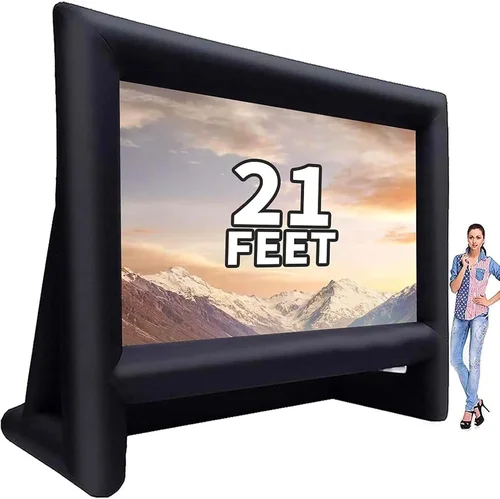
Outdoor movie nights have evolved from a quirky backyard novelty into a full-blown lifestyle trend. Whether you’re hosting friends for a summer blockbuster, enjoying a cozy family evening under the stars, or transforming your patio into a personal drive-in theater, having the right equipment makes all the difference. A weatherproof TV isn’t just a luxury—it’s the centerpiece of a reliable, long-lasting outdoor entertainment system. Unlike indoor TVs, these specialized displays are engineered to withstand rain, humidity, dust, extreme temperatures, and even direct sunlight. But with so many options flooding the market in 2026, choosing the right one can feel overwhelming. That’s where this guide comes in.
In this comprehensive buying guide, we’ll walk you through everything you need to know to make a smart, informed decision. You’ll learn how to evaluate key performance specs, understand build quality and durability ratings, compare different types of outdoor TVs, and avoid common purchasing pitfalls. We’ll also break down budget considerations, share expert tips for getting the best deal, and answer frequently asked questions based on real user experiences. By the end, you’ll have a clear roadmap to find the perfect weatherproof TV that fits your space, lifestyle, and entertainment goals—whether you’re setting up a small balcony cinema or a full-scale backyard theater.
The outdoor TV market has matured significantly over the past few years. What once consisted of bulky, expensive commercial-grade displays has now expanded to include sleek, consumer-friendly models from trusted brands like Samsung, LG, Sony, and specialized outdoor manufacturers such as SunBriteTV and Seura. These TVs now offer 4K resolution, HDR support, smart platforms, and even voice control—all while being built to endure the elements. With prices ranging from under $1,000 to well over $5,000, there’s an option for nearly every budget and use case. Our goal is to help you navigate this evolving landscape with confidence, so you can enjoy crystal-clear visuals and immersive sound season after season, rain or shine.

What to Look for When Buying a Weatherproof TV
1. IP Rating and Weather Resistance
The most critical factor when choosing a weatherproof TV is its Ingress Protection (IP) rating—a standardized measure of how well the unit resists dust and water. For outdoor use, look for a minimum IP55 rating, which means the TV is protected against low-pressure water jets from any direction and limited dust ingress. However, for full exposure to rain, snow, or coastal environments, aim for IP65 or higher. An IP65-rated TV is dust-tight and can withstand powerful water jets, making it ideal for uncovered patios or poolside setups. Some premium models even boast IP66 or IP67 ratings, offering near-total protection against dust and temporary immersion.
Beyond the IP rating, consider the TV’s internal climate control. High-end outdoor TVs often include built-in heaters and cooling fans to regulate internal temperature, preventing overheating in summer or freezing in winter. This is especially important if you live in regions with extreme seasonal swings. Without proper thermal management, LCD panels can suffer from image retention, slow response times, or permanent damage. Always check the manufacturer’s operating temperature range—most quality outdoor TVs function reliably between -22°F and 122°F (-30°C to 50°C).
2. Display Brightness and Anti-Glare Technology
Outdoor viewing presents a unique challenge: ambient light. Even on cloudy days, natural sunlight can wash out images on standard TVs. That’s why brightness—measured in nits—is arguably more important outdoors than resolution or color accuracy. For shaded areas like covered patios or pergolas, a minimum of 700 nits is recommended. But if your TV will be exposed to direct sunlight, you’ll need at least 1,500 to 2,500 nits for a watchable picture. Premium outdoor TVs often exceed 3,000 nits, rivaling commercial digital signage.
Equally important is anti-glare technology. Look for TVs with optically bonded glass and anti-reflective coatings. Optically bonded displays eliminate the air gap between the screen and protective glass, reducing internal reflections and improving contrast in bright conditions. Some models also feature automatic brightness sensors that adjust output based on ambient light, ensuring consistent visibility from dawn to dusk. Avoid TVs with glossy, non-coated screens—they’ll turn into mirrors on sunny afternoons.
3. Build Quality and Enclosure Design
A weatherproof TV’s exterior is just as important as its internal components. The enclosure should be made from corrosion-resistant materials like powder-coated aluminum or marine-grade stainless steel, especially if you’re near saltwater or in humid climates. Pay attention to seam sealing—gaps around buttons, ports, or ventilation can allow moisture to seep in over time. Top-tier models use fully sealed designs with no external vents, relying instead on passive heat dissipation or internal fans with waterproof filters.
Mounting compatibility is another key consideration. Most outdoor TVs support VESA mounting patterns (e.g., 200×200, 400×400), but verify that your chosen wall or ceiling mount is rated for outdoor use and can support the TV’s weight. Some manufacturers offer proprietary mounting systems designed specifically for their models, which can simplify installation and enhance stability. Also, check port accessibility—HDMI, USB, and antenna inputs should be easily reachable yet protected by rubberized covers or rear-facing layouts to prevent water ingress.
4. Smart Features and Connectivity
Just because a TV lives outside doesn’t mean it should lack modern conveniences. In 2026, most weatherproof TVs come equipped with full smart platforms like Android TV, webOS, or Tizen, giving you access to streaming apps such as Netflix, Disney+, YouTube, and Prime Video. This eliminates the need for external streaming devices and keeps your setup clean and cable-free. Voice control via Google Assistant or Alexa is also common, allowing you to change channels or adjust volume without stepping inside.
Connectivity options matter too. Ensure the TV has multiple HDMI 2.1 ports (for future-proofing with gaming consoles or 8K devices), USB-A/USB-C for media playback, and Wi-Fi 6 or Ethernet for stable internet. Some models include built-in Bluetooth for wireless audio to outdoor speakers or soundbars. If you plan to use cable or over-the-air broadcasts, confirm the presence of a tuner and coaxial input. For advanced users, look for support for HDMI-CEC (Consumer Electronics Control) to sync power and input switching across devices.
5. Audio Performance and Speaker Quality
While many outdoor enthusiasts opt for external sound systems, the built-in speakers on a weatherproof TV should still deliver clear, robust audio—especially for casual viewing or when guests are seated close to the screen. Most outdoor TVs feature downward-firing or side-firing speakers with enhanced bass response to compensate for open-air acoustics. Look for models with at least 20W of total output power; premium units may offer 40W or more with dedicated subwoofer outputs.
However, don’t rely solely on internal audio for large gatherings. Outdoor environments lack the reflective surfaces that amplify sound indoors, so even high-wattage speakers can struggle to fill a spacious yard. Consider pairing your TV with weather-resistant wireless speakers or a waterproof soundbar. Many modern outdoor TVs support optical audio output or Bluetooth pairing, making integration seamless. If audio quality is a top priority, prioritize models with Dolby Atmos or DTS:X support for immersive surround sound when used with compatible external systems.
6. Size and Viewing Distance
Choosing the right screen size depends on your available space and typical seating arrangement. As a general rule, multiply your viewing distance (in inches) by 0.84 to determine the ideal diagonal screen size. For example, if viewers will sit 10 feet (120 inches) away, a 100-inch TV (120 × 0.84 ≈ 101) would provide an immersive experience. However, outdoor settings often allow for larger screens due to expansive sightlines—many homeowners opt for 65-inch to 85-inch models even at moderate distances.
Keep in mind that larger screens require more powerful mounting solutions and may need additional structural support, especially on walls or ceilings. Also, consider the TV’s physical dimensions—not just the screen size but the total bezel width and depth. Some outdoor TVs are thicker than indoor counterparts due to protective casings, which can affect placement flexibility. If space is tight, look for ultra-thin outdoor models or consider a portable outdoor projector as an alternative.
7. Brand Reputation and Ecosystem Compatibility
Not all outdoor TV brands are created equal. Established names like Samsung, LG, and Sony bring decades of display expertise and reliable customer service, while specialists like SunBriteTV (a subsidiary of Sylvane) and Seura focus exclusively on outdoor viewing solutions. Research brand reputation by reading professional reviews, checking BBB ratings, and exploring user forums. Brands with strong track records in outdoor electronics typically offer better long-term reliability and firmware updates.
Ecosystem compatibility is another hidden benefit. If you already own smart home devices from a particular brand (e.g., Samsung SmartThings or Google Nest), choosing a TV from the same ecosystem can simplify integration. You might gain features like automatic scene activation (e.g., dimming lights when the TV turns on) or unified voice control. Additionally, some brands offer bundled packages with mounts, covers, or sound systems at a discount—worth considering if you’re outfitting a complete outdoor theater.
8. Warranty and Customer Support
Outdoor TVs represent a significant investment, so robust warranty coverage is non-negotiable. Most reputable manufacturers offer at least a 2-year limited warranty, with some extending to 3 or even 5 years for commercial-grade models. Pay close attention to what’s covered: does it include accidental damage, corrosion, or firmware issues? Is on-site service available, or must you ship the unit back? Premium brands often provide expedited replacement programs or loaner units during repairs.
Customer support quality varies widely. Before buying, test the responsiveness of the brand’s support team via email or phone. Check if they offer live chat, detailed installation guides, or video tutorials. User communities and third-party repair networks can also be valuable resources. Avoid brands with vague warranty terms or those that require you to register within 30 days—these are red flags for poor post-purchase service.
Different Types of Weatherproof TVs

Common Buying Mistakes to Avoid
❌ Mistake: Assuming All “Outdoor” TVs Are Created Equal
Why it’s bad: Many retailers market standard indoor TVs as “outdoor-ready” simply because they sell optional weatherproof covers. These covers often lack proper ventilation, leading to overheating, and don’t protect internal components from humidity or condensation. Using an indoor TV outside voids most warranties and drastically shortens its lifespan.
What to do instead: Only purchase TVs explicitly designed for outdoor use with verified IP ratings, sealed enclosures, and thermal management. Check the manufacturer’s website for outdoor certification—not just marketing claims.
❌ Mistake: Ignoring Viewing Angle and Sunlight Exposure
Why it’s bad: Placing a TV in direct sunlight without sufficient brightness or anti-glare treatment results in a washed-out, unwatchable image. Even high-nit displays can struggle if mounted at a poor angle relative to the sun’s path.
What to do instead: Assess your space throughout the day. Use a compass app to track sun movement. Mount the TV under an eave, pergola, or awning whenever possible. If full shade isn’t feasible, invest in a TV with 2,500+ nits and optically bonded glass.
❌ Mistake: Overlooking Audio Needs
Why it’s bad: Outdoor acoustics dissipate sound quickly. Relying solely on built-in TV speakers leads to muffled dialogue and weak bass, forcing viewers to crank the volume—which can disturb neighbors.
What to do instead: Plan your audio setup from day one. Pair your TV with weather-resistant wireless speakers, a waterproof soundbar, or in-ground subwoofers. Test audio levels during your first movie night and adjust placement accordingly.
❌ Mistake: Skimping on Mounting Hardware
Why it’s bad: Standard indoor mounts aren’t built to handle wind loads, moisture, or the weight of larger outdoor TVs. A failed mount can damage property or cause injury.
What to do instead: Use mounts specifically rated for outdoor use with corrosion-resistant hardware (stainless steel bolts, galvanized brackets). For windy areas, consider tilt-and-swivel mounts that allow you to angle the TV away from prevailing winds.
❌ Mistake: Not Planning for Cable Management
Why it’s bad: Exposed cables are tripping hazards, attract pests, and degrade faster when exposed to UV rays and rain. Poor cable routing also makes future upgrades or repairs difficult.
What to do instead: Run cables through conduit or use in-wall rated (CL2/CL3) wiring hidden behind siding or trim. Use waterproof cable glands at entry points and label each wire for easy identification.
❌ Mistake: Forgetting About Power Supply and Surge Protection
Why it’s bad: Outdoor outlets are prone to voltage spikes from lightning or grid fluctuations. Without protection, these surges can fry your TV’s internal electronics.
What to do instead: Install a dedicated outdoor GFCI outlet with a weatherproof cover. Use a high-quality surge protector rated for outdoor use (look for UL listing and joule rating of 2,000+). Consider a UPS (uninterruptible power supply) for added stability.
❌ Mistake: Buying Without Testing Return Policies
Why it’s bad: Outdoor TVs are expensive, and what looks good on paper may not perform well in your specific environment. Some retailers impose restocking fees or short return windows.
What to do instead: Choose sellers with at least a 30-day return policy and free return shipping. Test the TV during different times of day and weather conditions before finalizing your purchase.
Budget Guidelines: How Much Should You Spend?
Entry-Level ($800 – $1,500): This tier includes portable outdoor TVs or indoor TVs paired with basic enclosures. Expect smaller screens (32″–50″), lower brightness (500–700 nits), and limited smart features. Ideal for covered patios, RVs, or occasional use. Brands like RCA, Insignia, and some generic enclosure kits fall here. While affordable, these options may lack long-term durability and warranty support.
Mid-Range ($1,500 – $3,500): The sweet spot for most homeowners. These TVs offer 55″–75″ screens, 1,000–2,000 nits brightness, IP55–IP65 ratings, and full smart platforms. Models from SunBriteTV’s Veranda series or LG’s outdoor-ready OLEDs deliver excellent value with reliable performance in partial-coverage areas. Expect 2–3 year warranties and decent audio output.
Premium ($3,500 – $6,000): Designed for full outdoor exposure, these TVs feature 2,500+ nits brightness, IP66 ratings, advanced thermal management, and premium materials. Samsung’s The Terrace and Sony’s professional outdoor displays dominate this space. You’ll get larger sizes (75″–85″), superior color accuracy, and robust mounting systems. Ideal for pool decks, open yards, or coastal homes.
Luxury ($6,000+): Reserved for commercial installations or discerning enthusiasts, luxury outdoor TVs offer 24/7 operation, 3,500+ nits, vandal-resistant casings, and custom integration options. Think of them as digital signage-grade displays for private use. Brands like Peerless-AV and Planar cater to this niche with bespoke solutions and global support networks.
Expert Tips for Getting the Best Deal
- Shop During Off-Season: Prices drop significantly in late fall and winter (October–February) when demand for outdoor electronics declines. Retailers often clear inventory to make room for spring models.
- Bundle with Accessories: Many manufacturers offer discounts when you buy a TV with a mount, cover, or sound system. SunBriteTV, for example, frequently runs “complete outdoor theater” packages.
- Check Manufacturer Refurbished Programs: Certified refurbished outdoor TVs from reputable brands can save you 20–30% off retail while including full warranties. These units are thoroughly tested and often indistinguishable from new.
- Negotiate with Local Installers: Some AV integrators carry outdoor TVs and may offer better pricing than big-box stores, especially if you’re bundling installation services.
- Monitor Price Tracking Tools: Use browser extensions like Honey or CamelCamelCamel to track price history and receive alerts when your desired model goes on sale.
- Verify Return and Exchange Policies: Ensure you can return the TV if it doesn’t perform as expected in your environment. Some retailers charge restocking fees—avoid these when possible.
- Consider Energy Efficiency: Higher brightness means higher power consumption. Look for ENERGY STAR-certified models to reduce long-term electricity costs, especially if you plan to use the TV frequently.
- Read Professional Reviews, Not Just User Ratings: Sites like RTINGS.com, CNET, and Outdoor Electronics Review provide hands-on testing data on brightness, color accuracy, and durability that user reviews often miss.

Frequently Asked Questions
Q: Can I use a regular indoor TV outside with a cover?
A: Technically yes, but it’s not recommended for long-term or exposed use. Indoor TVs lack proper sealing, thermal regulation, and UV-resistant components. Condensation can form inside the cover, leading to mold or electrical failure. Most warranties are voided if used outdoors. For anything beyond temporary, shaded use, invest in a true weatherproof TV.
Q: How do I clean my outdoor TV screen?
A: Use a microfiber cloth slightly dampened with distilled water or a screen-safe cleaner (never ammonia or alcohol-based products). Gently wipe in circular motions. Avoid spraying liquid directly on the screen. For the enclosure, use a soft brush to remove dust and a mild soap solution for stubborn grime. Always power off the TV before cleaning.
Q: Will my outdoor TV work in winter?
A: Yes, if it’s rated for low temperatures. Most quality outdoor TVs operate down to -22°F (-30°C). However, LCD response time may slow slightly in extreme cold. Built-in heaters (common in premium models) prevent this issue. Never power on a frozen TV—let it acclimate to room temperature first.
Q: Do outdoor TVs need special antennas?
A: Not necessarily. Most outdoor TVs include standard ATSC tuners compatible with traditional over-the-air antennas. However, for better reception in rural areas, consider an amplified outdoor antenna mounted high on your roof or wall. Ensure all coaxial connections are sealed with dielectric grease to prevent moisture ingress.
Q: Can I mount my outdoor TV on a ceiling?
A: Yes, but only with a ceiling mount rated for outdoor use and the TV’s weight. Ensure the ceiling structure (e.g., pergola beam) can support the load. Use stainless steel hardware and check local building codes. Some manufacturers offer angled ceiling brackets to improve viewing angles.
Q: How long do outdoor TVs last?
A: With proper care, a quality outdoor TV can last 7–10 years or more. Factors affecting lifespan include climate exposure, usage frequency, and maintenance. Models with sealed designs and commercial-grade components tend to outlast consumer versions.
Q: Are outdoor TVs worth the extra cost?
A: Absolutely—if you plan to use your outdoor space regularly. The durability, brightness, and reliability justify the premium over indoor TVs. Think of it as investing in a permanent backyard feature rather than a disposable gadget. Over time, the cost per use becomes minimal.
Q: Can I use streaming devices like Roku or Fire Stick with an outdoor TV?
A: Yes, but only if the TV has accessible HDMI ports protected from the elements. For best results, use a weatherproof media box enclosure or choose a TV with built-in smart features to avoid external device vulnerabilities.
Q: What’s the difference between OLED and QLED for outdoor use?
A: OLED offers perfect blacks and wide viewing angles but can suffer from burn-in and lower peak brightness—making it less ideal for sunny environments. QLED (used by Samsung) delivers higher brightness and better color volume,更适合 outdoor settings. In 2026, some hybrid QD-OLED models bridge the gap, but QLED remains the safer choice for full sun exposure.
Our Final Recommendations
Best for Budget-Conscious Buyers: SunBriteTV Veranda Series (55″) – At around $1,800, this model delivers 1,000 nits brightness, IP55 rating, and full smart functionality. Perfect for covered patios and screened-in porches.
Best Overall Value: Samsung The Terrace (65″) – Priced near $3,200, it combines 2,500 nits brightness, IP66 rating, and Samsung’s Tizen OS. Ideal for full outdoor exposure with stunning picture quality.
Best Premium Option: Sony X95L Outdoor Display (75″) – With 3,000+ nits, anti-reflective coating, and professional-grade build, this $5,500 TV is built for luxury backyard theaters and commercial use.
Best for Beginners: LG 55″ Outdoor OLED (Partial Coverage) – Easy setup, intuitive webOS interface, and excellent contrast make this a great entry point for first-time outdoor TV owners.
Best for Advanced Users: Peerless-AV Xtreme Outdoor Display (86″) – A commercial-grade beast with 4,000 nits, 24/7 operation, and custom calibration options. Ideal for tech-savvy homeowners who want maximum control.
Conclusion: Making the Right Choice
Choosing the right weatherproof TV for your backyard movie nights isn’t just about picking the shiniest screen—it’s about matching technology to your environment, lifestyle, and long-term goals. From understanding IP ratings and brightness requirements to avoiding common installation pitfalls, every decision shapes your outdoor entertainment experience. Remember: a great outdoor TV should disappear into the background, letting the movie—and the moment—take center stage.
Prioritize your needs. If you’re hosting weekly gatherings under the stars, invest in a premium all-weather model. If you’re testing the waters with occasional use, a mid-range partial-coverage TV offers excellent balance. And always plan for the full ecosystem—audio, mounting, power, and connectivity—not just the display itself.
With the insights from this guide, you’re now equipped to navigate the 2026 outdoor TV market with confidence. Take your time, compare options, and don’t hesitate to reach out to manufacturers or local installers for personalized advice. Your perfect backyard cinema awaits—rain or shine, summer or winter, year after year.

