
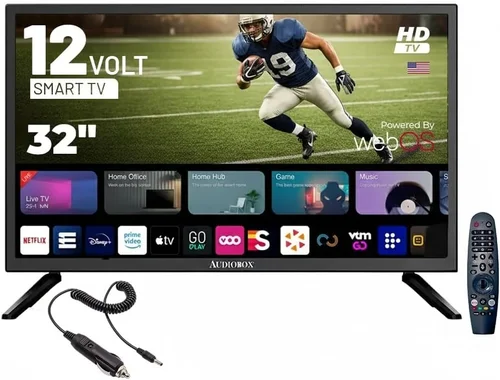
Outdoor living spaces have become an extension of our homes—especially in apartments where private patios, balconies, and shared rooftop terraces offer precious square footage for relaxation and entertainment. As more urban dwellers seek to maximize their outdoor time, the demand for durable, high-performing weatherproof TVs has surged. Whether you’re sipping coffee on your fifth-floor balcony at sunrise or hosting friends for a movie night under the stars, a reliable outdoor TV can transform your space into a true living area. But with so many options flooding the market—from budget-friendly enclosures to fully integrated all-weather displays—choosing the right one can feel overwhelming.
This comprehensive buying guide is designed to cut through the noise and help you make an informed decision tailored to your apartment lifestyle. You’ll learn how to evaluate critical factors like weather resistance ratings, screen brightness, installation requirements, and connectivity options—all while staying within your budget. We’ll also compare different types of weatherproof TVs, highlight common pitfalls to avoid, and share expert tips for getting the best value. By the end, you’ll have a clear roadmap to select a TV that not only survives the elements but enhances your outdoor experience year-round.
The market for weatherproof TVs has evolved rapidly over the past few years. What once required bulky, expensive custom installations now includes sleek, plug-and-play models from trusted consumer electronics brands. Innovations in display technology, materials science, and smart integration mean today’s outdoor TVs deliver indoor-quality picture and sound—even in direct sunlight or light rain. However, not all “weatherproof” claims are created equal. Some products are merely splash-resistant enclosures, while others are purpose-built for extreme conditions. Understanding these distinctions is key to avoiding disappointment and ensuring long-term satisfaction.

What to Look for When Buying Buying Guide
1. IP Rating & Weather Resistance
The most fundamental consideration when buying a weatherproof TV is its Ingress Protection (IP) rating—a two-digit code that tells you exactly how well the unit resists dust and water. For apartment balconies or covered patios, look for a minimum rating of IP54 (protected against splashing water and limited dust ingress). If your space is partially exposed to rain or snow, aim for IP55 or higher. Fully exposed rooftops or coastal areas demand IP65 or IP66 ratings, which offer protection against powerful water jets and total dust sealing.
Don’t confuse “weather-resistant” with “weatherproof.” Many indoor TVs sold with outdoor enclosures only claim resistance to light moisture—not sustained exposure. Always verify the IP rating on the manufacturer’s spec sheet, not just marketing copy. Also, check whether the rating applies to the entire unit (including ports and vents) or just the screen itself. A true weatherproof TV will have sealed cable glands, corrosion-resistant screws, and internal airflow systems that prevent condensation buildup.
2. Screen Brightness & Anti-Glare Technology
Outdoor visibility is arguably more important than resolution when it comes to enjoying your TV in natural light. Standard indoor TVs typically peak at 300–500 nits of brightness—far too dim for daylight viewing. Weatherproof TVs designed for outdoor use should deliver at least 700 nits, with premium models hitting 1,000–2,000 nits or more. This ensures vibrant colors and readable text even under midday sun.
Equally crucial is anti-reflective coating and optical bonding. Optical bonding fuses the glass directly to the LCD panel, eliminating the air gap that causes glare and reduces contrast. Combined with matte-finish screens and wide viewing angles (178° horizontal/vertical), these features make a dramatic difference in real-world usability. Test this by looking for demo units at retailers or reading detailed user reviews that mention daytime performance—not just nighttime picture quality.
3. Build Quality & Durability
A weatherproof TV isn’t just about surviving rain—it must endure temperature swings, UV exposure, humidity, and even salt air if you live near the coast. Look for housings made from powder-coated aluminum or marine-grade stainless steel, which resist rust and fading. Avoid plastic enclosures unless they’re explicitly rated for outdoor use and reinforced with UV stabilizers.
Internal components matter too. High-quality capacitors, sealed circuit boards, and thermal management systems prevent overheating in summer and freezing in winter. Some manufacturers include built-in heaters or cooling fans to maintain optimal operating temperatures (-22°F to 122°F or wider). Check the operating temperature range in the specs—many budget models fail below 32°F or above 95°F, limiting seasonal use.
4. Smart Features & Connectivity
Today’s outdoor TVs aren’t just dumb displays—they often come with full smart platforms like Android TV, webOS, or Roku built-in. This lets you stream Netflix, YouTube, or Disney+ without needing a separate streaming box. However, verify that the OS receives regular security updates and app support, as some budget models use outdated software that becomes obsolete quickly.
Connectivity is equally important. Ensure the TV has multiple HDMI 2.0 or 2.1 ports (for gaming consoles, soundbars, or set-top boxes), USB ports for media playback, and reliable Wi-Fi (preferably dual-band 5GHz for faster streaming). Ethernet ports are a bonus for stable connections in areas with weak wireless signals. Also, check if the remote control is weather-resistant or if the TV supports voice assistants like Alexa or Google Assistant for hands-free operation outdoors.
5. Size & Viewing Distance
Unlike living room TVs, outdoor screens need to be larger to compensate for ambient light and longer viewing distances. For a typical apartment balcony (6–10 feet from seating), a 43–55-inch screen is ideal. Rooftop terraces or larger patios may benefit from 65-inch models. Use the “1.5x rule” as a guideline: multiply your viewing distance (in inches) by 1.5 to get the recommended screen diagonal.
Portability matters too. If you plan to move the TV between indoor and outdoor spaces seasonally, consider lighter models with integrated handles or optional rolling stands. Fixed installations require wall mounts rated for outdoor use—ensure the VESA pattern matches your mount and that all hardware is stainless steel or galvanized to prevent corrosion.
6. Audio Performance
Most outdoor TVs have underpowered built-in speakers due to space and weatherproofing constraints. While acceptable for casual listening, they often lack bass and clarity—especially in open-air environments where sound dissipates quickly. If audio quality is important, look for models with higher wattage (20W or more), front-firing speakers, or audio output options (optical, RCA, or Bluetooth) to connect external weatherproof speakers or a soundbar.
Some premium outdoor TVs include acoustic chambers or passive radiators to enhance low-end response. Alternatively, consider a wireless outdoor speaker system that pairs seamlessly with your TV. Just ensure compatibility and low latency to avoid audio-video sync issues during movies or sports.
7. Brand Reputation & Ecosystem Compatibility
Stick with established brands known for outdoor electronics—such as SunBriteTV, Samsung Terrace, LG Pro:Idiom, or Seura. These companies invest in R&D for harsh environments and offer better long-term support. Avoid no-name brands with vague specifications or missing certifications (like UL Listed or ETL certification for electrical safety).
Also consider ecosystem integration. If you already own smart home devices (lights, thermostats, security cameras), choose a TV that works with your existing platform (e.g., Apple HomeKit, Google Home, or Amazon Alexa). This enables voice control, automation scenes (“Movie Night” dims lights and turns on the TV), and remote monitoring via smartphone apps.
8. Warranty & Customer Support
Outdoor TVs are a significant investment, so robust warranty coverage is non-negotiable. Look for at least a 2–3 year limited warranty that covers both parts and labor, including damage from environmental factors. Some premium brands offer 5-year warranties or extended service plans. Read the fine print: many exclude “acts of nature” or require professional installation for validity.
Customer support quality varies widely. Check online forums, Reddit communities, and review sites for real-user experiences with repair times, replacement parts availability, and responsiveness. Brands with U.S.-based support teams tend to resolve issues faster than those relying on overseas call centers.
Different Types of Weatherproof TVs

Common Buying Mistakes to Avoid
❌ Mistake: Assuming All “Outdoor” TVs Are Equal
Why it’s bad: Many retailers sell indoor TVs in generic weatherproof boxes and label them as “outdoor-ready.” These often lack proper ventilation, UV protection, or thermal management, leading to premature failure or fire hazards.
What to do instead: Verify the product is specifically engineered for outdoor use—not just an enclosure. Look for certifications, detailed IP ratings, and manufacturer documentation confirming full weatherproof design.
❌ Mistake: Ignoring Sunlight Readability
Why it’s bad: A TV that looks great indoors will appear washed out and unwatchable in direct sunlight, ruining your outdoor entertainment plans.
What to do instead: Prioritize brightness (700+ nits) and anti-glare features. Read hands-on reviews that test daytime performance, not just spec sheets.
❌ Mistake: Overlooking Installation Requirements
Why it’s bad: Improper mounting can void warranties, cause water intrusion, or even lead to the TV falling—especially on high-rise balconies.
What to do instead: Use only outdoor-rated mounts and consult your building management if drilling into exterior walls. Consider hiring a certified installer for complex setups.
❌ Mistake: Buying Based Solely on Price
Why it’s bad: The cheapest option often lacks essential features like adequate brightness, proper sealing, or smart functionality, resulting in frustration and early replacement.
What to do instead: Set a realistic budget based on your usage (seasonal vs. year-round) and prioritize value over rock-bottom pricing. Mid-range models often offer the best balance.
❌ Mistake: Neglecting Audio Needs
Why it’s bad: Weak built-in speakers make dialogue hard to hear outdoors, especially with wind or traffic noise.
What to do instead: Plan for external audio from day one—either via Bluetooth speakers or wired outdoor sound systems. Factor this into your total budget.
❌ Mistake: Skipping the Warranty Fine Print
Why it’s bad: Some warranties exclude weather-related damage or require proof of professional installation, leaving you unprotected.
What to do instead: Read the warranty terms carefully before purchasing. Opt for extended coverage if available, and keep all installation receipts.
❌ Mistake: Forgetting About Power and Cable Management
Why it’s bad: Exposed cords create tripping hazards, attract pests, and degrade faster when left unprotected outdoors.
What to do instead: Use waterproof conduit, cable raceways, or in-wall solutions (if permitted). Ensure your outlet is GFCI-protected for safety.
Budget Guidelines: How Much Should You Spend?
- Entry-Level ($500–$1,200): This tier includes basic outdoor enclosures paired with mid-range indoor TVs or budget semi-outdoor models. Expect decent weather resistance (IP54) and moderate brightness (500–700 nits), but limited smart features and shorter lifespans. Best for covered patios with minimal sun exposure or seasonal use.
- Mid-Range ($1,200–$2,500): The sweet spot for most apartment dwellers. These TVs offer full weatherproofing (IP55+), 700–1,000 nits brightness, robust smart platforms, and reliable build quality. Ideal for balconies with partial sun and year-round enjoyment.
- Premium ($2,500–$4,000): Designed for enthusiasts and those with fully exposed spaces. Features include 1,000+ nits brightness, optical bonding, advanced thermal management, and premium audio. Often from brands like SunBriteTV or Samsung Terrace.
- Luxury ($4,000+): Top-tier commercial-grade or custom solutions with 24/7 operation capability, extreme temperature tolerance, and professional installation support. Suited for luxury apartments, shared rooftop amenities, or coastal properties.
Expert Tips for Getting the Best Deal
- Buy During Off-Seasons: Prices drop significantly in late fall and winter (October–February) when demand is low. Retailers often clear inventory before spring launches.
- Check Manufacturer Refurbished Programs: Brands like SunBriteTV and Seura sell certified refurbished units with full warranties at 20–40% off retail.
- Compare Total Cost of Ownership: A cheaper TV may cost more long-term if it fails after one season. Factor in expected lifespan, repair costs, and energy efficiency.
- Negotiate with Local Installers: Many AV specialists offer package deals (TV + mount + installation) that beat online prices—especially if you bundle with other smart home upgrades.
- Use Price Tracking Tools: Set alerts on CamelCamelCamel (for Amazon) or Honey to catch flash sales or coupon codes.
- Verify Return Policies: Ensure you can return the TV if it doesn’t perform as expected outdoors—some retailers only allow returns for defective units, not dissatisfaction.
- Test Before Committing: If possible, visit a showroom or borrow a friend’s unit to assess real-world brightness and usability in similar lighting conditions.
- Join Owner Communities: Forums like AVS Forum or Reddit’s r/outdoortv share exclusive discount codes, troubleshooting tips, and user reviews you won’t find elsewhere.

Frequently Asked Questions
Q: Can I use a regular TV outdoors if it’s under a covered balcony?
A: Technically yes—but only if it’s fully shielded from rain, humidity, and direct sunlight. Even then, temperature swings and UV exposure can degrade components over time. For reliable, long-term use, invest in a purpose-built outdoor TV or high-quality enclosure.
Q: Do weatherproof TVs consume more power?
A: Not necessarily. While brighter screens do use more energy, modern LED-backlit outdoor TVs are quite efficient. Look for ENERGY STAR certification to minimize electricity costs. Many models also include ambient light sensors that adjust brightness automatically.
Q: How do I clean my outdoor TV screen?
A: Use a microfiber cloth and distilled water only. Avoid ammonia-based cleaners (like Windex), which can damage anti-reflective coatings. For stubborn grime, lightly dampen the cloth—never spray liquid directly on the screen.
Q: Will my apartment HOA allow an outdoor TV?
A: Check your lease or HOA guidelines first. Some buildings restrict exterior modifications, antenna visibility, or noise levels. Opt for low-profile mounts and wireless audio to minimize visual and auditory impact.
Q: Can I leave my outdoor TV on during a storm?
A: No. While weatherproof TVs resist rain and moisture, they are not lightning-proof. Always unplug during thunderstorms to protect against power surges. Use a surge protector with outdoor rating if leaving plugged in.
Q: Do outdoor TVs work in cold climates?
A: Yes—if they’re rated for low temperatures. Most quality models operate down to -22°F. Avoid turning on the TV if it’s been exposed to freezing temps; let it acclimate indoors first to prevent condensation.
Q: Are outdoor TVs compatible with streaming devices like Apple TV or Fire Stick?
A: Absolutely. Most have HDMI ports and support popular streaming sticks. However, ensure the stick is also protected from the elements—use a weatherproof HDMI extender or place the device in a sealed junction box.
Q: How long do weatherproof TVs typically last?
A: With proper care, 7–10 years is common. Cheaper enclosures may need replacement every 3–5 years due to UV degradation. Premium integrated models often exceed a decade.
Q: Can I mount an outdoor TV on a concrete balcony wall?
A: Yes, but use concrete anchors and a mount rated for masonry. Consider consulting a professional to avoid cracking the wall or compromising structural integrity.
Q: Do I need special internet for outdoor streaming?
A: A strong Wi-Fi signal is essential. If your balcony has weak coverage, install a weatherproof Wi-Fi extender or use a mesh network system with an outdoor node.
Our Final Recommendations
- Best for Budget-Conscious Buyers: SunBriteTV Veranda Series (43″) – Offers solid IP55 rating, 700 nits brightness, and Android TV at under $1,500. Great for covered patios.
- Best Overall Value: Samsung The Terrace (55″) – Combines QLED color, 1,500 nits brightness, and robust build quality around $2,200. Excellent for sunny balconies.
- Best Premium Option: Seura Ultra Bright Shade (65″) – Delivers 2,000 nits, optical bonding, and luxury design for $3,800. Perfect for high-end rooftop entertaining.
- Best for Beginners: Peerless-AV Outdoor Enclosure + LG C3 OLED – Flexible, removable solution (~$1,000 total) ideal for renters or seasonal use.
- Best for Advanced Users: SunBriteTV Pro Series (75″) – Commercial-grade durability, 24/7 operation, and customizable mounting for tech-savvy homeowners.
Conclusion: Making the Right Choice
Choosing a weatherproof TV for your apartment isn’t just about buying a screen—it’s about investing in a lifestyle upgrade that extends your living space into the great outdoors. By focusing on critical factors like IP rating, brightness, build quality, and smart features, you’ll avoid costly mistakes and find a model that delivers years of reliable performance. Remember to match the TV to your specific environment: a shaded balcony has different needs than a sun-drenched rooftop.
Don’t let budget constraints force you into a compromise that leads to disappointment. Instead, prioritize value—spending a little more upfront for a well-built, properly rated TV often saves money in the long run. And always consider the full ecosystem: audio, mounting, connectivity, and support matter just as much as the display itself.
Ultimately, the best weatherproof TV is the one that fits your space, meets your usage patterns, and enhances your outdoor moments without constant worry. Take your time, do your research, and don’t hesitate to reach out to manufacturers or installers with questions. Your perfect outdoor entertainment setup is within reach—ready to turn every sunset into movie night.

