
Living in a coastal home means enjoying breathtaking ocean views, salty breezes, and endless sunshine—but it also means facing unique environmental challenges that can quickly degrade electronics not built to withstand them. If you’re thinking about installing a TV on your patio, you’re not just buying another screen for indoor use. You’re investing in a piece of technology that must survive high humidity, salt spray, intense UV exposure, and potentially extreme weather conditions. Standard indoor TVs simply aren’t engineered for these elements—and using one outdoors could result in premature failure, safety hazards, or costly replacements within months.
That’s why this comprehensive buying guide exists: to help you make an informed, confident decision when selecting the right patio TV for your coastal lifestyle. Whether you’re setting up a cozy outdoor living room, hosting sunset movie nights, or simply wanting to catch the game while grilling, choosing the wrong TV can turn a dream setup into a maintenance nightmare. In this guide, we’ll walk you through every critical factor—from weather resistance and brightness to smart features and long-term durability—so you can find a TV that delivers stunning picture quality without sacrificing reliability. We’ll also compare top categories, highlight common pitfalls, break down budget expectations, and share expert-backed tips to ensure you get the best value for your investment.
The outdoor TV market has evolved dramatically over the past few years. Once dominated by bulky, expensive all-weather enclosures, today’s options include fully sealed, purpose-built outdoor TVs from trusted brands like Samsung, LG, SunBriteTV, and Seura. These models are specifically engineered for year-round outdoor use, with features like anti-glare screens, corrosion-resistant materials, and internal cooling systems. At the same time, hybrid solutions—such as weatherproof covers paired with high-brightness indoor TVs—have become more accessible and affordable. With so many choices available, it’s easy to feel overwhelmed. But by focusing on your specific needs—your climate zone, viewing habits, budget, and desired features—you can narrow down the field and choose a TV that enhances your outdoor space for years to come.
What to Look for When Buying Buying Guide
1. Weather Resistance & IP Rating
When it comes to coastal patio TVs, weather resistance isn’t optional—it’s essential. Salt air, humidity, rain, and even morning dew can corrode internal components, fog screens, or short-circuit electronics if the TV isn’t properly protected. The first thing to check is the TV’s Ingress Protection (IP) rating, which indicates how well it resists dust and moisture. For outdoor use, look for a minimum rating of IP55 (protects against low-pressure water jets and limited dust ingress), but ideally aim for IP65 or higher—especially in coastal environments where salt corrosion is a major concern.
True outdoor TVs are sealed units with gaskets, rust-proof aluminum chassis, and conformal coatings on circuit boards to prevent salt damage. Brands like SunBriteTV and Seura build their entire product lines around these principles. Avoid using standard indoor TVs outdoors, even under covered patios, unless they’re paired with a certified outdoor enclosure. Even then, long-term exposure to coastal air can compromise seals and degrade performance over time.
2. Screen Brightness & Anti-Glare Technology
Outdoor viewing means battling ambient light—especially on sunny coastal days when reflections off water or sand can wash out your picture. Standard indoor TVs typically offer 300–500 nits of brightness, which is insufficient for bright patios. For comfortable daytime viewing, you’ll need a display with at least 700 nits, but ideally 1,000 nits or more. High-brightness LED or QLED panels are your best bet, as they maintain color accuracy and contrast even in direct sunlight.
Equally important is anti-glare or anti-reflective coating. Many outdoor TVs feature matte finishes or specialized optical filters that diffuse ambient light rather than reflecting it. Some premium models even include automatic brightness sensors that adjust screen output based on ambient lighting conditions. If you plan to watch during golden hour or under partial shade, a TV with local dimming and high dynamic range (HDR) support will deliver deeper blacks and more vivid colors, enhancing the overall viewing experience.
3. Build Quality & Durability
Coastal homes demand rugged construction. Look for TVs with powder-coated aluminum frames, stainless steel hardware, and reinforced mounting points. Avoid plastic-heavy designs, as UV exposure can cause plastics to yellow, crack, or become brittle over time. The internal components should also be rated for extended temperature ranges—typically from -30°F to 140°F—to handle both chilly ocean mornings and hot summer afternoons.
Pay attention to venting and cooling systems. Unlike indoor TVs that rely on passive airflow, outdoor models often include sealed cooling fans or passive heat sinks to prevent overheating without allowing moisture ingress. Check whether the TV is designed for partial or full sun exposure—some units are only rated for shaded or covered areas, while others can handle direct sunlight. Always verify the manufacturer’s environmental specifications before purchasing.
4. Smart Features & Connectivity
Just because your TV is outdoors doesn’t mean it should lack modern conveniences. Most premium outdoor TVs now come with built-in smart platforms like Android TV, webOS (LG), or Tizen (Samsung), giving you access to streaming apps like Netflix, YouTube, and Disney+. This eliminates the need for external streaming devices, reducing clutter and potential failure points.
Connectivity is another key consideration. Ensure the TV has multiple HDMI ports (preferably HDMI 2.1 for future-proofing), USB inputs, and Wi-Fi/Bluetooth support. If you plan to connect a soundbar, gaming console, or cable box, confirm compatibility and cable routing options. Some outdoor TVs include hidden cable management channels or rear-access panels to keep wires organized and protected from the elements. Also, check if the remote control is weather-resistant or if the TV supports voice assistants like Alexa or Google Assistant for hands-free operation.
5. Size & Viewing Distance
Choosing the right screen size depends on your patio layout and typical viewing distance. A general rule of thumb: for every foot of viewing distance, aim for about 6–8 inches of screen diagonal. So, if you’re sitting 8 feet away, a 55″ to 65″ TV would be ideal. However, outdoor spaces often have larger seating areas, so don’t hesitate to go bigger—especially if you host gatherings.
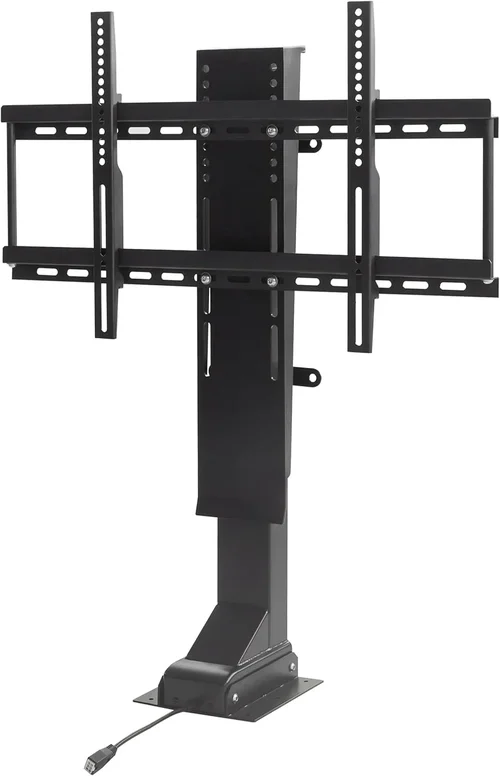
Keep in mind that larger screens require more robust mounting solutions. Wall mounts for outdoor TVs must be rated for both the TV’s weight and wind load. Tilt or full-motion mounts offer flexibility for adjusting the angle based on sun position, but ensure they’re made from corrosion-resistant materials. If space is limited, consider a compact 43″ or 50″ model, but verify that text and UI elements remain legible from your seating area.
6. Brand Reputation & Ecosystem Compatibility
Not all outdoor TV brands are created equal. Established names like Samsung (with its Terrace series), LG (OLED Flex for semi-outdoor use), SunBriteTV, and Seura have spent years refining their outdoor-specific designs. These companies offer better customer support, longer warranties, and proven track records in harsh environments. Lesser-known brands may offer lower prices, but often cut corners on sealing, materials, or firmware updates.
Also consider ecosystem compatibility. If you already own smart home devices from Apple, Google, or Amazon, choose a TV that integrates seamlessly. For example, Samsung TVs work well with SmartThings, while LG’s webOS supports AirPlay 2 and Google Cast. This ensures smoother control and automation, especially useful when managing outdoor lighting, speakers, or climate systems alongside your TV.
7. Warranty & Support
Outdoor electronics come with higher risks, so a strong warranty is non-negotiable. Look for at least a 2-year manufacturer warranty, with some premium brands offering 3–5 years. Pay close attention to what’s covered: does it include salt corrosion? What about accidental damage or power surges from nearby lightning? Some companies even provide on-site service for large installations.
Customer support quality matters too. Can you easily reach a technician familiar with coastal installations? Are replacement parts readily available? Read user reviews to see how responsive the brand is when issues arise. A longer warranty means little if claims take weeks to process or require shipping the unit back to a distant facility.
8. User Reviews & Real-World Performance
Spec sheets tell part of the story—but real users tell the rest. Before finalizing your purchase, read verified buyer reviews on retailer sites, forums like AVS Forum, or YouTube unboxing videos. Look for comments about long-term durability, brightness consistency, remote responsiveness, and how the TV holds up after storms or high-humidity periods.
Be wary of overly positive reviews that lack detail. Genuine feedback often mentions minor quirks, such as slight fan noise during cooling cycles or occasional Wi-Fi dropouts in remote areas. These insights help set realistic expectations and reveal whether a model truly suits coastal living.
Different Types of Buying Guide

Common Buying Mistakes to Avoid

❌ Mistake: Using a Standard Indoor TV Outdoors
Why it’s bad: Indoor TVs lack weather sealing, corrosion protection, and sufficient brightness for outdoor use. In coastal environments, salt air can destroy internal components within months, leading to costly repairs or replacement.
What to do instead: Invest in a purpose-built outdoor TV or pair a high-brightness indoor model with a certified weatherproof enclosure. Always verify IP ratings and environmental specs.
❌ Mistake: Ignoring Viewing Angle and Sun Position
Why it’s bad: Placing your TV where it faces direct afternoon sun or reflective surfaces (like pools or white walls) causes glare and eye strain, ruining the viewing experience.
What to do instead: Choose a shaded or north-facing wall if possible. Use tilt mounts to adjust the screen angle away from glare sources. Consider installing an awning or pergola for added protection.
❌ Mistake: Overlooking Audio Needs
Why it’s bad: Most outdoor TVs have limited built-in speakers due to space and sealing constraints. Relying on them results in tinny, quiet audio that gets drowned out by ocean waves or wind.
What to do instead: Pair your TV with weather-resistant outdoor speakers or a soundbar. Look for models with optical or Bluetooth audio output for easy connectivity.
❌ Mistake: Skimping on Mounting Hardware
Why it’s bad: Standard indoor mounts aren’t designed for wind loads or corrosion. A poorly mounted TV can detach during storms, causing property damage or injury.
What to do instead: Use marine-grade stainless steel mounts rated for your TV’s size and weight. Consult a professional installer if your patio is elevated or exposed to high winds.
❌ Mistake: Forgetting About Power and Surge Protection
Why it’s bad: Coastal areas are prone to lightning storms and power fluctuations. Without proper surge protection, your TV is vulnerable to electrical damage.
What to do instead: Install a whole-home surge protector and use a high-quality outdoor-rated power strip with EMI/RFI filtering. Consider a UPS (uninterruptible power supply) for critical setups.
❌ Mistake: Not Planning for Cable Management
Why it’s bad: Exposed cables attract moisture, pests, and UV damage. Tangled wires also create tripping hazards and make future upgrades difficult.
What to do instead: Use conduit raceways or in-wall cable channels designed for outdoor use. Label all connections and keep spare lengths coiled neatly behind the TV.
Budget Guidelines: How Much Should You Spend?
- Entry-Level ($800–$1,500): This tier includes basic indoor TVs paired with affordable outdoor enclosures (e.g., Peerless or VIVO brands). Picture quality is decent in shade, but brightness and durability are limited. Best for covered patios with minimal sun exposure and short-term use.
- Mid-Range ($1,500–$3,500): The sweet spot for most coastal homeowners. You’ll find high-brightness QLED TVs (like Samsung’s The Terrace Lite) or well-sealed outdoor models from SunBriteTV. These offer excellent glare reduction, smart features, and solid weather resistance for partial-sun areas.
- Premium ($3,500–$6,000): For enthusiasts and full-sun installations. Models like the Samsung Terrace Pro or Seura Outdoor TV deliver 2,000+ nits brightness, OLED-like contrast, and military-grade durability. Ideal for expansive decks, beachfront properties, or commercial use.
- Luxury ($6,000+): Top-tier commercial displays with 24/7 operation capability, modular designs, and custom integration options. These are overkill for most residential users but perfect for luxury resorts, yacht docks, or high-end vacation rentals.
Expert Tips for Getting the Best Deal
- Buy during off-seasons: Retailers often discount outdoor TVs in late fall and winter when demand drops. Look for Black Friday, Cyber Monday, or end-of-summer sales.
- Compare bundled packages: Some dealers offer TV + mount + soundbar bundles at a discount. These can save you 10–20% versus buying separately.
- Check for local rebates: Coastal municipalities sometimes offer energy-efficiency rebates for outdoor electronics. Ask your utility provider.
- Test before you commit: If possible, visit a showroom to compare brightness and color accuracy under simulated daylight conditions.
- Negotiate extended warranties: Many retailers will include a free extra year of coverage if you ask—especially on premium models.
- Consider refurbished units: Certified refurbished outdoor TVs from manufacturers like SunBriteTV come with full warranties and can save you 20–30%.
- Read the fine print on returns: Ensure the return window covers at least 30 days and includes return shipping for defective units.

Frequently Asked Questions
Q: Can I use my regular indoor TV on a covered patio?
A: Technically yes, but it’s not recommended for long-term use—especially in coastal areas. Even under cover, salt air and humidity can damage internal components. If you must, use a high-quality outdoor enclosure and limit exposure to rainy or foggy days.
Q: Do outdoor TVs consume more power?
A: Not necessarily. Modern outdoor TVs use efficient LED backlighting and often include power-saving modes. However, higher brightness settings will increase energy use. Look for ENERGY STAR-certified models to minimize impact.
Q: How do I clean my outdoor TV screen?
A: Use a microfiber cloth slightly dampened with distilled water. Never spray liquid directly on the screen. Avoid ammonia-based cleaners, as they can degrade anti-reflective coatings.
Q: Will my outdoor TV work in winter?
A: Yes—if it’s rated for cold temperatures. Most outdoor TVs operate down to -30°F. Just ensure the mounting area isn’t prone to ice buildup, which could block vents or damage seals.
Q: Can I install an outdoor TV myself?
A: If you’re experienced with electrical work and mounting hardware, yes. However, for coastal homes with high winds or complex wiring, hiring a certified installer is safer and may be required for warranty validation.
Q: Do outdoor TVs support 4K and HDR?
A: Absolutely. Most premium outdoor models offer 4K resolution, HDR10, Dolby Vision, and even 120Hz refresh rates for smooth sports and gaming.
Q: What happens if my outdoor TV gets rained on?
A: A properly sealed outdoor TV (IP65 or higher) is designed to withstand rain. However, avoid directing high-pressure water jets at the screen or ports, as this can compromise seals over time.
Q: Are there solar-powered outdoor TV options?
A: While rare, some portable models support 12V DC input and can run off solar generators. Full-sized outdoor TVs typically require AC power, but you can use solar inverters for off-grid setups.
Our Final Recommendations
- Best for Budget-Conscious Buyers: Samsung The Terrace Lite (55″) – Offers 1,500 nits brightness, IP55 rating, and smart features at a mid-range price. Great for covered patios.
- Best Overall Value: SunBriteTV Veranda Series (65″) – Fully sealed, 1,000+ nits, excellent color accuracy, and robust build quality. Ideal for partial-sun coastal decks.
- Best Premium Option: Samsung The Terrace Pro (75″) – 2,000+ nits, anti-glare OLED-like display, and commercial-grade durability. Perfect for full-sun luxury installations.
- Best for Beginners: LG OLED Flex (48″) with Outdoor Enclosure – Combines stunning picture quality with flexibility. Easy to set up and ideal for shaded patios.
- Best for Advanced Users: Seura Outdoor TV (65″) – Modular design, customizable bezels, and whisper-quiet operation. Built for tech-savvy homeowners who want seamless integration.
Conclusion: Making the Right Choice
Choosing the right patio TV for your coastal home is about more than just screen size or brand name—it’s about aligning your investment with the realities of your environment. Salt, sun, wind, and humidity demand a TV engineered to thrive, not just survive. By prioritizing weather resistance, brightness, build quality, and smart features, you’ll enjoy crystal-clear entertainment year-round without constant worry or repair bills.
Remember: the cheapest option today may cost you more tomorrow. Invest wisely, read real user experiences, and don’t hesitate to consult professionals for installation. Your outdoor oasis deserves a TV that enhances—not detracts from—the beauty of coastal living. So take your time, weigh your priorities, and choose a model that fits your lifestyle, budget, and view. With the right TV, every sunset, game night, or movie marathon becomes an unforgettable experience under the open sky.

