
Outdoor living spaces have evolved dramatically over the past decade. What was once just a place to sip coffee in the morning or grill on weekends has transformed into fully functional extensions of our homes—complete with lighting, sound systems, and yes, even televisions. Whether you’re relaxing on a covered balcony, hosting friends on a sun-drenched patio, or enjoying a quiet evening under the stars, an outdoor TV can elevate your experience from ordinary to extraordinary. But unlike indoor TVs, outdoor models face unique challenges: intense sunlight, humidity, temperature swings, dust, and even pests. That’s why choosing the right TV for your balcony or patio isn’t just about screen size or resolution—it’s about finding a display built to thrive in the elements.
This comprehensive buying guide is designed to help you navigate the often-confusing world of outdoor televisions with confidence. We’ll walk you through every critical factor—from brightness and weather resistance to smart features and installation considerations—so you can make an informed decision that matches both your lifestyle and your space. Whether you’re a first-time buyer or upgrading from an older model, you’ll learn how to avoid common pitfalls, understand what truly matters in performance specs, and find the best value for your budget. The market for outdoor TVs has grown significantly, with more brands and options than ever before, but not all are created equal. Our goal is to cut through the marketing noise and give you expert-level insight grounded in real-world use.
You’ll discover the key differences between indoor TVs used outdoors (a risky shortcut) and purpose-built outdoor displays, learn how to assess build quality and durability, and understand why features like anti-glare coatings and sealed components are non-negotiable. We’ll also compare different types of outdoor TVs—from fully weatherproof models to partial-sun solutions—and provide clear budget guidelines so you know exactly what to expect at every price point. By the end of this guide, you’ll be equipped with the knowledge to choose a TV that delivers stunning picture quality, stands up to the elements, and enhances your outdoor living for years to come.

What to Look for When Buying an Outdoor TV
1. Weather Resistance & IP Rating
When it comes to outdoor TVs, weather resistance isn’t optional—it’s essential. Unlike indoor models, outdoor televisions must withstand rain, snow, dust, humidity, and extreme temperatures without failing. The first thing to check is the TV’s Ingress Protection (IP) rating, which indicates how well the device resists solid particles (like dust) and liquids (like water). For outdoor use, look for a minimum IP55 rating, but ideally aim for IP65 or higher. An IP65-rated TV is dust-tight and protected against low-pressure water jets from any direction, making it suitable for most uncovered patios and balconies.
However, IP ratings only tell part of the story. True outdoor TVs go beyond basic sealing by using fully enclosed chassis designs, corrosion-resistant materials, and internal climate control systems. Some premium models even include built-in heaters and cooling fans to maintain optimal operating temperatures in freezing winters or scorching summers. For example, if you live in a region with heavy rainfall or coastal humidity, a TV with marine-grade aluminum housing and conformal-coated circuit boards will last significantly longer than a standard model. Always verify that the manufacturer explicitly states the TV is designed for outdoor use—don’t assume an indoor TV with a weatherproof cover will suffice.
2. Brightness & Anti-Glare Performance
One of the biggest challenges with outdoor viewing is glare from direct sunlight. Even the best 4K image looks washed out if the screen can’t overcome ambient light. This is where brightness—measured in nits—becomes critical. While most indoor TVs range from 300 to 600 nits, outdoor models typically start at 700 nits and can exceed 2,500 nits for full-sun applications. For a shaded balcony or covered patio, 700–1,000 nits may be sufficient, but if your TV will be exposed to direct sunlight for part of the day, aim for at least 1,500 nits.
Equally important is the anti-reflective coating. High-brightness alone won’t help if sunlight bounces off the screen and blinds you. Look for TVs with optically bonded glass and advanced anti-glare layers that diffuse reflections without sacrificing color accuracy or contrast. Some manufacturers, like SunBrite and Samsung’s The Terrace series, use proprietary technologies such as “Direct Sunlight Readable” panels or “Anti-Reflection Nano Coating” to enhance visibility. Test the TV in person if possible—stand in front of it under bright conditions and see how readable the image remains. A truly outdoor-ready display should remain clear and vibrant even when the sun is shining directly on the screen.
3. Display Technology & Picture Quality
Not all outdoor TVs use the same display technology, and your choice here affects everything from color reproduction to energy efficiency. The two most common types are LED-LCD and OLED, but OLED is rarely used in outdoor models due to its susceptibility to burn-in and lower peak brightness. Instead, most outdoor TVs use high-brightness LED-LCD panels with full-array local dimming (FALD) for improved contrast and black levels.
For most buyers, a 4K UHD resolution is the sweet spot—offering sharp detail without the premium cost of 8K. HDR support (HDR10, HLG, or Dolby Vision) is also valuable, as it enhances dynamic range and makes colors pop, especially during daytime viewing. However, keep in mind that HDR performance depends heavily on brightness and local dimming capability. A TV with weak local dimming zones may struggle to deliver true HDR impact outdoors. Additionally, consider refresh rate: a 120Hz panel provides smoother motion for sports and action content, which is especially noticeable in bright conditions where motion blur is more apparent. While picture quality matters, remember that outdoor viewing often prioritizes visibility over cinematic precision—so balance aesthetics with practicality.
4. Build Quality & Durability
An outdoor TV isn’t just exposed to weather—it’s also subject to physical stress from wind, vibrations, and accidental bumps. That’s why build quality is paramount. Look for robust construction with powder-coated aluminum or stainless-steel frames, reinforced glass, and sealed ports. Internal components should be protected against moisture ingress, and all screws and connectors should be corrosion-resistant.
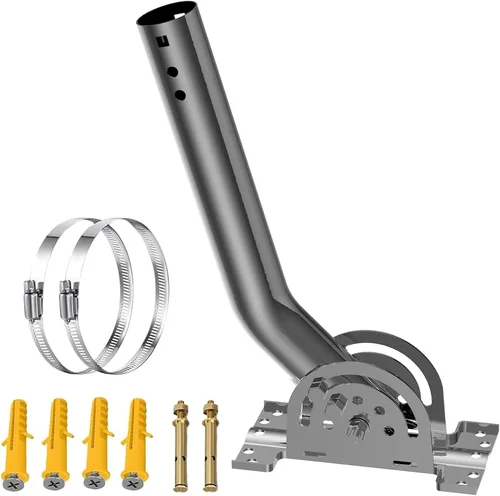
Pay attention to the mounting system as well. Outdoor TVs often come with specialized wall or ceiling mounts designed to handle wind loads and provide secure attachment. Some models include integrated cable management to keep wires hidden and protected from the elements. Also, check the operating temperature range—most outdoor TVs function between -22°F and 122°F (-30°C to 50°C), but verify this matches your local climate. A TV that shuts down in extreme heat or cold defeats the purpose of having it outside. Finally, consider weight and size: larger screens may require additional structural support, especially on balconies with weight limits.
5. Smart Features & Connectivity
Just because your TV is outdoors doesn’t mean it should lack modern conveniences. Most outdoor TVs now come with built-in smart platforms like Android TV, webOS, or Roku, allowing you to stream Netflix, YouTube, or Disney+ without needing an external device. However, Wi-Fi performance can be tricky outdoors due to distance from your router or interference from walls and metal structures. Look for dual-band Wi-Fi (2.4GHz and 5GHz) and consider a mesh network extender if your signal is weak.
Connectivity options are equally important. Ensure the TV has enough HDMI ports (at least two, preferably three) for devices like streaming sticks, gaming consoles, or soundbars. USB ports are useful for media playback or firmware updates. Some models include weatherproof input covers to protect ports when not in use. Audio is another consideration: while many outdoor TVs have decent built-in speakers, they often lack the power and clarity needed for open spaces. Plan to pair your TV with outdoor-rated speakers or a soundbar for a richer experience.
6. Size & Viewing Distance
Choosing the right screen size depends on your available space and typical viewing distance. For a small balcony, a 43-inch to 55-inch TV is usually ideal, while larger patios can accommodate 65-inch or even 75-inch models. As a rule of thumb, your viewing distance should be about 1.5 to 2.5 times the screen’s diagonal measurement. So for a 55-inch TV, sit 6.5 to 11 feet away for optimal immersion.
But don’t forget about placement constraints. Measure the wall or mounting area carefully, including clearance for ventilation and cable routing. Some outdoor TVs are thicker than indoor models due to added insulation and sealing, which can affect how flush they sit against the wall. Also, consider sun path and seating arrangement—position the TV to minimize direct glare and ensure everyone has a clear view. If your space is narrow or oddly shaped, a smaller, brighter screen may perform better than a large one that’s hard to see from certain angles.
7. Brand Reputation & Ecosystem Compatibility
Not all brands are equal when it comes to outdoor TVs. Established players like SunBriteTV, Samsung, LG, and Seura have invested heavily in R&D for outdoor displays and offer reliable, well-supported products. These brands often provide detailed installation guides, compatible accessories, and strong customer service. In contrast, lesser-known or generic brands may cut corners on materials or lack long-term software updates.
Ecosystem compatibility is another factor. If you already own smart home devices (like Amazon Echo, Google Nest, or Apple HomeKit), choose a TV that integrates seamlessly. For example, Samsung’s The Terrace works with SmartThings, while LG’s outdoor models support ThinQ AI. This allows voice control, automation, and unified management through a single app. Avoid brands that lock you into proprietary ecosystems unless you’re fully committed. Also, check for compatibility with popular streaming services and gaming platforms—especially if you plan to use the TV for more than just movies.
8. Warranty & Support
Outdoor TVs are a significant investment, so robust warranty coverage is non-negotiable. Most reputable brands offer 2- to 3-year limited warranties that cover defects, but some go further with extended plans or on-site service. SunBriteTV, for instance, provides a 3-year warranty with optional 5-year extensions and includes free technical support. Avoid models with only 1-year coverage or vague terms.
Support matters beyond the warranty period. Look for brands with responsive customer service, accessible repair centers, and readily available replacement parts. Check online forums and reviews to see how quickly issues are resolved. Also, ensure the TV comes with clear documentation for installation, maintenance, and troubleshooting. A good support ecosystem can save you time, money, and frustration down the line—especially if something goes wrong after a storm or power surge.
Different Types of Outdoor TVs
Common Buying Mistakes to Avoid
❌ Mistake: Using an Indoor TV Outdoors
Why it’s bad: Indoor TVs aren’t designed to handle moisture, dust, or temperature extremes. Even with a cover, condensation can form inside the panel, leading to corrosion, electrical shorts, or permanent damage. Most indoor models also lack sufficient brightness for daylight viewing.
What to do instead: Invest in a purpose-built outdoor TV or use a high-quality outdoor enclosure specifically rated for your climate. If budget is tight, consider a partial-sun model for covered areas only.
❌ Mistake: Ignoring Sun Exposure
Why it’s bad: Placing a low-brightness TV in direct sunlight results in a washed-out, unwatchable image. You’ll end up squinting or watching only at night, defeating the purpose of an outdoor setup.
What to do instead: Assess your space’s sun patterns throughout the day. Choose a TV with appropriate brightness (nits) for the level of exposure—partial sun vs. full sun makes a huge difference.
❌ Mistake: Overlooking Mounting Requirements
Why it’s bad: Improper mounting can lead to instability, especially in windy areas. Balconies often have weight limits, and standard indoor mounts may not withstand outdoor conditions.
What to do instead: Use manufacturer-recommended outdoor mounts and consult a professional if needed. Ensure the wall or ceiling can support the TV’s weight and that cables are properly routed and protected.
❌ Mistake: Skimping on Audio
Why it’s bad: Built-in TV speakers are usually weak and muffled outdoors due to open space and ambient noise. You’ll miss dialogue and sound effects, reducing enjoyment.
What to do instead: Pair your TV with weather-resistant outdoor speakers or a soundbar. Look for models with Bluetooth or wired connectivity and sufficient power output for your area.
❌ Mistake: Not Planning for Power & Connectivity
Why it’s bad: Running extension cords across a patio is unsafe and unsightly. Weak Wi-Fi signals can cause buffering or disconnections.
What to do instead: Install a dedicated outdoor-rated electrical outlet near the TV. Use a Wi-Fi extender or mesh network to boost signal strength. Consider wired Ethernet if possible.
❌ Mistake: Choosing Based on Price Alone
Why it’s bad: The cheapest outdoor TV may lack critical features like proper sealing or brightness, leading to premature failure or poor performance.
What to do instead: Prioritize value over price. A mid-range TV with strong build quality and adequate specs will outperform a budget model in the long run.
❌ Mistake: Neglecting Maintenance
Why it’s bad: Dust, pollen, and bird droppings can accumulate on the screen and vents, affecting performance and longevity.
What to do instead: Clean the screen regularly with a microfiber cloth and mild cleaner. Inspect seals and ports periodically for debris or wear.
Budget Guidelines: How Much Should You Spend?
Outdoor TVs span a wide price range, and understanding what you get at each tier helps set realistic expectations.
Entry-Level ($600 – $1,200): These are typically partial-sun models or portable displays with basic weather resistance (IP54–IP55) and brightness around 700–900 nits. Picture quality is decent but may lack advanced HDR or local dimming. Ideal for shaded balconies or occasional use. Brands like Element and some Vizio outdoor lines fall here.
Mid-Range ($1,200 – $3,000): This is the sweet spot for most homeowners. You’ll find full 4K HDR support, 1,000–1,500 nits brightness, better build quality, and improved smart features. Models like Samsung’s The Terrace (partial sun) or SunBriteTV’s Veranda series offer excellent balance. Suitable for covered patios with some sun exposure.
Premium ($3,000 – $6,000): Designed for full-sun environments, these TVs deliver 1,500–2,500+ nits, robust thermal management, and marine-grade construction. Expect top-tier picture quality, extensive connectivity, and strong warranties. Perfect for uncovered decks, pool areas, or coastal homes.
Luxury ($6,000+): Reserved for commercial installations or ultra-high-end residential setups. These include features like 24/7 operation, anti-vandal designs, custom calibration, and integration with smart building systems. Often used in hotels, resorts, or luxury estates.
Expert Tips for Getting the Best Deal
- Buy during off-season: Prices often drop in late fall and winter when demand is lower. Retailers may offer discounts to clear inventory before spring.
- Compare retailers: Check specialty outdoor electronics stores (like Outdoor TV Direct or Seura) alongside major retailers (Best Buy, Amazon). Sometimes smaller dealers offer better bundles or support.
- Look for refurbished or open-box deals: Certified pre-owned models from reputable brands can save 20–30% with full warranty coverage.
- Negotiate installation: Some sellers include free or discounted mounting services with purchase—ask before buying.
- Check return policies: Ensure you can return the TV if it doesn’t perform as expected in your specific environment.
- Test in person if possible: Visit a showroom to evaluate brightness and glare resistance under simulated outdoor conditions.
- Bundle with other outdoor tech: Some retailers offer discounts when you buy a TV, speakers, and lighting together.
- Subscribe to brand newsletters: Manufacturers often send exclusive promo codes or early access to sales.

Frequently Asked Questions
Q: Can I use a regular TV outside if I cover it?
A: Technically yes, but it’s not recommended. Indoor TVs lack proper sealing, brightness, and thermal regulation. Covers can trap moisture and cause overheating. For reliable, long-term use, choose a purpose-built outdoor model.
Q: Do outdoor TVs use more power?
A: Yes, due to higher brightness and internal cooling/heating systems. Expect 20–50% higher energy consumption than similar-sized indoor TVs. Look for Energy Star-rated models to minimize impact.
Q: How do I protect my outdoor TV from theft?
A: Use security locks, install in well-lit areas, and consider motion-sensor lighting. Some mounts include tamper-resistant screws. For high-risk areas, choose a portable model you can store indoors.
Q: Will an outdoor TV work in winter?
A: Most are rated for temperatures as low as -22°F (-30°C). However, extreme cold can slow startup times. Models with built-in heaters perform better in freezing conditions.
Q: Can I mount an outdoor TV on a balcony railing?
A: Only if the railing is structurally sound and the mount is specifically designed for railings. Check weight limits and local building codes. Wall mounting is generally safer.
Q: Do outdoor TVs come with remotes?
A: Yes, but consider upgrading to a weather-resistant remote or using a smartphone app for convenience. Some models support voice control via Alexa or Google Assistant.
Q: How long do outdoor TVs last?
A: With proper care, 7–10 years is typical. Higher-end models with better materials and sealing often exceed 10 years. Avoid exposing them to saltwater unless rated for marine use.
Q: Can I connect gaming consoles to an outdoor TV?
A: Absolutely. Most outdoor TVs have HDMI 2.0 or 2.1 ports supporting 4K/60Hz or 120Hz. Just ensure low input lag for responsive gameplay.
Q: What’s the difference between “outdoor” and “weatherproof”?
A: “Outdoor” implies full environmental resilience—brightness, sealing, thermal management. “Weatherproof” usually refers only to water/dust resistance. Always check full specifications.
Q: Do I need a special antenna for outdoor TV?
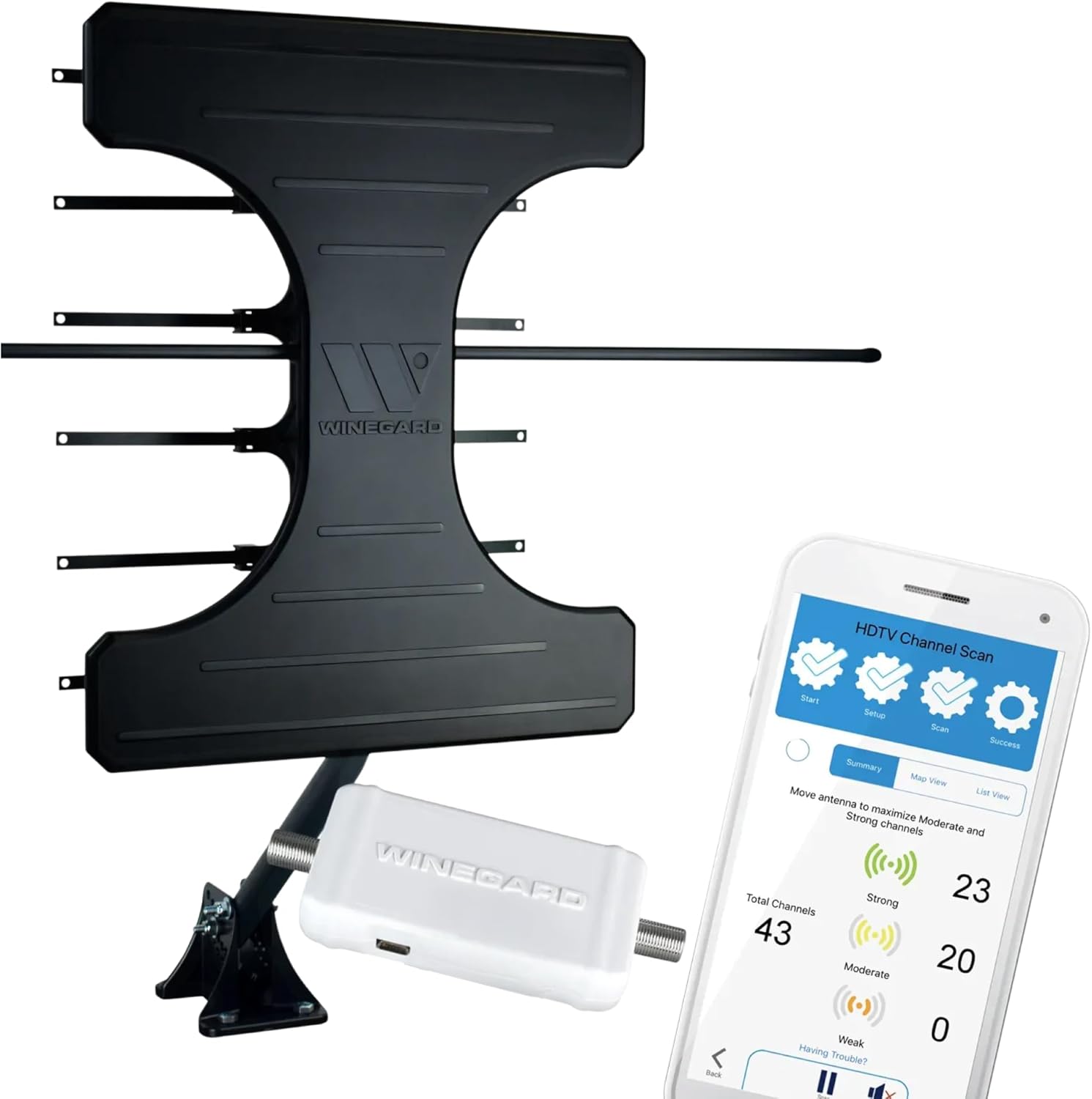
A: Not necessarily. Most outdoor TVs support standard over-the-air (OTA) antennas. For better reception, use an amplified outdoor antenna mounted high and away from obstructions.
Our Final Recommendations
Best for Budget-Conscious Buyers: Element 55″ Outdoor Partial Sun TV – Offers solid 4K performance, 800 nits brightness, and IP55 rating at under $1,000. Great for covered balconies.
Best Overall Value: Samsung The Terrace 65″ Partial Sun – Combines excellent picture quality, 1,000 nits brightness, SmartThings integration, and reliable build for around $2,500.
Best Premium Option: SunBriteTV Veranda 3 Series 75″ – Full-sun capable with 2,000 nits, FALD, and marine-grade construction. Ideal for uncovered patios and harsh climates.
Best for Beginners: Seura 55″ Shade Outdoor TV – User-friendly setup, strong anti-glare coating, and excellent customer support. Perfect for first-time outdoor TV owners.
Best for Advanced Users: LG 75″ UltraBright Outdoor Display – Features webOS, Dolby Vision, 2,500 nits, and advanced calibration tools. Suited for tech-savvy users wanting top-tier performance.
Conclusion: Making the Right Choice
Choosing an outdoor TV for your balcony or patio is about more than just entertainment—it’s about enhancing your lifestyle and creating a space where you love to spend time. By focusing on weather resistance, brightness, build quality, and smart features, you can find a display that delivers exceptional performance year-round. Avoid the temptation to cut corners with indoor models or overlook critical specs like IP rating and nits. Instead, invest in a purpose-built solution that matches your environment and usage patterns.
Remember, the best TV is the one that fits your specific needs, not the one with the most features or the lowest price. Take the time to assess your space, consider your budget, and prioritize durability and visibility. With the insights from this guide, you’re now equipped to make a confident, informed decision. Whether you’re streaming a movie under the stars or catching the big game with friends, your outdoor TV should be a reliable, joyful centerpiece—not a source of frustration. So go ahead, upgrade your outdoor living, and enjoy every moment in the open air.

