
Outdoor entertaining has evolved far beyond simple backyard barbecues and string lights. Today’s savvy homeowners are transforming their gardens into fully functional, year-round living spaces—complete with outdoor kitchens, cozy seating areas, fire pits, and yes, even televisions. A garden TV isn’t just a luxury; for many, it’s the centerpiece of an outdoor entertainment zone where friends gather for game nights, families enjoy movie evenings under the stars, or couples unwind with a glass of wine while catching up on their favorite shows. But choosing the right outdoor TV for your bar or patio isn’t as simple as buying an indoor model and mounting it outside. The elements—sun, rain, humidity, dust, and temperature swings—demand specialized engineering, weatherproofing, and thoughtful design.
This comprehensive buying guide is designed to help you navigate the often-overwhelming world of outdoor TVs with confidence. Whether you’re building a high-end outdoor bar, upgrading your existing setup, or simply dreaming of al fresco viewing, we’ll walk you through every critical decision point. From understanding key performance specs and durability requirements to comparing types, avoiding common pitfalls, and maximizing your budget, this guide delivers expert-level insights grounded in real-world use. By the end, you’ll know exactly what to look for, what questions to ask, and how to get the best value for your investment—without falling for marketing hype or overspending on features you don’t need.
The market for outdoor televisions has grown significantly in recent years, driven by advances in display technology, increased demand for outdoor living spaces, and the rise of “staycation” culture. Brands like Samsung, LG, SunBriteTV, Seura, and Peerless have stepped up with purpose-built models that can withstand harsh conditions while delivering stunning picture quality. However, not all outdoor TVs are created equal. Some are designed for partial shade, others for full sun exposure; some prioritize brightness, others focus on smart features or slim profiles. With prices ranging from under $1,000 to well over $5,000, making an informed choice is essential. This guide cuts through the noise to give you a clear, actionable roadmap tailored specifically to garden and outdoor bar environments.
What to Look for When Buying a Garden TV
1. Weather Resistance & IP Rating
One of the most critical factors when selecting a garden TV is its ability to resist environmental damage. Unlike indoor TVs, outdoor models must endure rain, snow, dust, pollen, humidity, and even salt air if you live near the coast. Look for televisions with an official Ingress Protection (IP) rating—specifically IP55, IP65, or higher. An IP55 rating means the TV is protected against low-pressure water jets from any direction and limited dust ingress, which is sufficient for covered patios or pergolas. For fully exposed areas or regions with heavy rainfall, opt for IP65 or IP66, which offer complete dust protection and resistance to powerful water jets.
Beyond the IP rating, check if the TV uses sealed cooling systems instead of fans (which can suck in moisture), corrosion-resistant materials like powder-coated aluminum, and UV-resistant screens that won’t yellow or degrade over time. Many premium outdoor TVs also include internal heaters or thermal management systems to prevent condensation in cold or humid climates. Never assume an “outdoor-rated” label guarantees full weatherproofing—always verify the IP code and read detailed spec sheets.
2. Display Brightness & Anti-Glare Technology
Sunlight is the enemy of screen visibility outdoors. Even on cloudy days, ambient light can wash out an indoor TV’s image, making it nearly unwatchable. That’s why outdoor TVs must deliver significantly higher brightness—measured in nits—than their indoor counterparts. For shaded or covered outdoor bars, a minimum of 700 nits is recommended, but for areas exposed to direct sunlight, you’ll want at least 1,000–2,500 nits. Top-tier models like the SunBriteTV Veranda or Samsung The Terrace boast peak brightness levels exceeding 2,000 nits, ensuring crisp, vibrant images even at noon.
Equally important is anti-glare or anti-reflective coating. These specialized screen treatments reduce mirror-like reflections from the sun or nearby lights, allowing you to see the picture clearly without adjusting your seating position. Some models also feature optically bonded glass, which minimizes air gaps between layers to enhance contrast and reduce internal reflections. Avoid TVs with glossy, non-treated screens—they may look sleek indoors but will be practically useless in bright outdoor settings.
3. Size & Viewing Distance
Choosing the right screen size depends on your outdoor bar’s layout, seating arrangement, and typical viewing distance. A general rule of thumb: for every 1.5 to 2.5 feet of viewing distance, you should have 1 inch of screen diagonal. So, if your bar stools or lounge chairs are 8 feet from the TV, a 43- to 55-inch screen is ideal. For larger patios or open gardens where viewers might be 12–15 feet away, consider 65-inch or even 75-inch models.
However, don’t go oversized just because you can. A massive screen crammed into a small space can overwhelm the area and strain your eyes. Also, factor in mounting options: will the TV be wall-mounted above a bar counter, placed on a weatherproof stand, or installed in a custom cabinet? Ensure there’s enough clearance for ventilation and access to ports. And remember—larger screens consume more power and may require dedicated electrical circuits, especially if paired with soundbars or streaming devices.
4. Smart Features & Connectivity
Modern outdoor TVs come packed with smart capabilities, but not all are equally suited for garden use. Look for models running established platforms like webOS (LG), Tizen (Samsung), or Android TV, which offer access to Netflix, YouTube, Disney+, and other streaming services. Built-in Wi-Fi (preferably dual-band 2.4GHz/5GHz) ensures stable connectivity, though for reliability, consider running an Ethernet cable to your outdoor TV location during installation.
Connectivity ports are equally vital. Ensure the TV has multiple HDMI inputs (at least 3–4), USB ports for media playback or firmware updates, and audio outputs for external speakers or soundbars. Some premium models include weatherproof input covers to protect ports when not in use. If you plan to connect gaming consoles, cable boxes, or streaming sticks, verify compatibility and port placement—rear-facing ports can be tricky to reach once mounted.
Voice control via Alexa, Google Assistant, or built-in microphones adds convenience, especially when your hands are full with drinks or grilling tools. However, test voice responsiveness in outdoor environments, as wind or background noise can interfere with commands.
5. Build Quality & Durability
Outdoor TVs aren’t just about weatherproofing—they must also withstand physical stress, temperature fluctuations, and long-term wear. High-quality models use robust chassis materials like reinforced aluminum or stainless steel, which resist rust and bending. Internal components should be rated for extended operation in temperatures ranging from -22°F to 122°F (-30°C to 50°C), though exact tolerances vary by brand.
Pay attention to the mounting system. Many outdoor TVs require specialized VESA-compatible mounts rated for outdoor use, often sold separately. These mounts should allow tilt, swivel, and secure locking to prevent theft or accidental dislodging in high winds. Some manufacturers, like Seura, offer integrated mounting solutions that simplify installation and enhance aesthetics.
Durability also extends to the remote control. Look for remotes with rubberized coatings, backlighting, and long-range infrared or Bluetooth connectivity. A lost or damaged remote can be frustrating, so consider models with app-based control via smartphone as a backup.
6. Audio Performance & Sound Solutions
While picture quality grabs headlines, sound is equally important for an immersive outdoor experience. Most outdoor TVs have slim profiles that limit speaker size and bass response, resulting in tinny or weak audio—especially in open spaces where sound dissipates quickly. Built-in speakers may suffice for quiet background viewing, but for parties, sports, or movie nights, you’ll likely need external audio.
Consider pairing your garden TV with weather-resistant outdoor speakers, a wireless soundbar, or a multi-zone audio system. Many outdoor TVs support Bluetooth audio output or have optical/HDMI ARC ports for connecting amplifiers or receivers. For a seamless look, choose speakers that match your outdoor décor—rock speakers, in-ground subwoofers, or sleek wall-mounted units. Avoid relying solely on the TV’s internal audio unless you’re in a small, sheltered area with minimal ambient noise.
7. Brand Reputation & Ecosystem Compatibility
Not all brands specialize in outdoor displays. While mainstream manufacturers like Samsung and LG offer outdoor models, companies like SunBriteTV, Seura, and Peerless-XT are laser-focused on weatherproof entertainment and often deliver superior durability and support. Research customer reviews, professional installer feedback, and third-party testing results before committing.
Also consider ecosystem compatibility. If you already own smart home devices (e.g., Philips Hue lights, Ring cameras, or Sonos speakers), choose a TV that integrates smoothly with your existing setup. Samsung’s SmartThings platform, for example, allows centralized control of lights, thermostats, and TVs from one app. Compatibility reduces friction and enhances the overall user experience.
8. Warranty & Customer Support
Outdoor TVs represent a significant investment, so robust warranty coverage is non-negotiable. Look for at least a 2-year manufacturer warranty, with some premium brands offering 3–5 years. Pay close attention to what’s covered: does it include accidental damage, power surges, or corrosion? Is on-site service available, or must you ship the unit back?
Customer support quality varies widely. Read user forums and review sites to see how responsive brands are to issues like firmware bugs, remote failures, or screen burn-in. Brands with dedicated outdoor product lines typically provide better technical assistance than general electronics retailers. Also, check if extended warranties or protection plans are available through third-party providers like SquareTrade.
Different Types of Garden TVs
Common Buying Mistakes to Avoid
❌ Mistake: Buying an Indoor TV for Outdoor Use
Why it’s bad: Indoor TVs lack weatherproofing, have low brightness, and aren’t designed to handle temperature swings. Mounting one outside voids the warranty and risks electrical hazards, screen damage, or fire from moisture ingress.
What to do instead: Always choose a TV specifically engineered for outdoor use. If budget is tight, consider a convertible model or invest in a high-quality outdoor enclosure—but never assume an indoor TV will “work fine” with a cover.
❌ Mistake: Ignoring Viewing Angle and Glare
Why it’s bad: Even with high brightness, poor viewing angles or intense glare can ruin the experience. Seated viewers may see a washed-out or distorted image if the TV isn’t optimized for off-axis viewing.
What to do instead: Choose TVs with wide viewing angles (178° horizontal/vertical) and anti-reflective coatings. Test the placement during different times of day—morning sun vs. afternoon shade can drastically affect visibility.
❌ Mistake: Overlooking Audio Needs
Why it’s bad: Weak built-in speakers make dialogue hard to hear over wind, traffic, or party noise, forcing you to raise the volume to uncomfortable levels.
What to do instead: Plan your audio setup from day one. Budget for weatherproof speakers or a soundbar, and ensure the TV has the necessary audio outputs. Wireless options reduce cable clutter.
❌ Mistake: Skimping on Mounting Hardware
Why it’s bad: Using standard indoor mounts outdoors can lead to rust, instability, or theft. Improper installation may also block ventilation, causing overheating.
What to do instead: Purchase mounts specifically rated for outdoor use, preferably from the TV manufacturer. Ensure they support the TV’s weight and allow for secure, adjustable positioning.
❌ Mistake: Not Planning for Power and Connectivity
Why it’s bad: Running extension cords across your patio is unsafe and unsightly. Weak Wi-Fi signals lead to buffering and frustration.
What to do instead: Hire an electrician to install a dedicated outdoor outlet near the TV location. Use weatherproof conduit for cables and consider a mesh Wi-Fi extender or Ethernet drop for reliable connectivity.
❌ Mistake: Choosing Based Solely on Price
Why it’s bad: The cheapest outdoor TV may lack essential features like adequate brightness, proper sealing, or smart functionality, leading to premature failure or poor performance.
What to do instead: Focus on value, not just cost. A mid-range TV with strong reviews and solid specs often outperforms a budget model that cuts corners on durability.
❌ Mistake: Neglecting Long-Term Maintenance
Why it’s bad: Dust, pollen, and bird droppings can accumulate on screens and vents, reducing performance and inviting pests.
What to do instead: Clean the screen monthly with a microfiber cloth and mild cleaner. Inspect seals and ports seasonally. Some models include removable filters for easy maintenance.
Budget Guidelines: How Much Should You Spend?
- Entry-Level ($800 – $1,500): These are typically convertible indoor/outdoor TVs or basic partial-shade models. Expect lower brightness (500–700 nits), limited smart features, and shorter warranties. Best for covered areas with minimal sun exposure and occasional use.
- Mid-Range ($1,500 – $3,000): The sweet spot for most homeowners. These TVs offer 700–1,500 nits brightness, solid weatherproofing (IP55), reliable smart platforms, and decent audio. Ideal for pergolas, screened patios, or shaded garden bars.
- Premium ($3,000 – $5,000): Designed for full-sun exposure and year-round use. Features include 2,000+ nits brightness, advanced anti-glare tech, thermal management, and extended warranties. Perfect for open gardens, pool decks, or high-end outdoor entertaining spaces.
- Luxury ($5,000+): Top-tier models with commercial-grade durability, 24/7 operation capability, integrated mounting systems, and bespoke finishes. Often used in resorts, luxury homes, or extreme climates. Includes perks like on-site service and custom calibration.
Expert Tips for Getting the Best Deal
- Buy During Off-Season: Prices drop significantly in late fall and winter (October–February) when demand for outdoor gear declines. Many retailers clear inventory before spring.
- Shop Authorized Dealers: Avoid third-party sellers on marketplaces. Authorized dealers offer valid warranties, genuine parts, and better support. Check manufacturer websites for certified retailers.
- Bundle with Accessories: Some brands offer discounts when you buy a TV with a compatible mount, soundbar, or streaming device. These bundles can save $100–$300.
- Negotiate Installation: If hiring a professional installer, ask if they offer package deals for TV + mount + cable management. Many provide discounts for bundled services.
- Check for Rebates: Utility companies or local governments sometimes offer rebates for energy-efficient outdoor electronics. LG and Samsung models often qualify.
- Read Professional Reviews: User reviews can be biased or fake. Rely on trusted sources like CNET, Wirecutter, or AV forums where experts test durability and performance rigorously.
- Test Before You Buy (If Possible): Visit showrooms or home improvement stores that display outdoor TVs in simulated conditions. Compare brightness, color accuracy, and menu responsiveness side by side.
- Understand Return Policies: Outdoor TVs are bulky and expensive to return. Ensure the retailer offers at least a 30-day return window and covers return shipping for defective units.
Frequently Asked Questions
Q: Can I use a regular TV outdoors if I cover it?
A: Technically yes, but it’s not recommended. Covers don’t provide adequate ventilation, leading to overheating. They also don’t protect internal components from humidity or condensation. Most manufacturers void warranties for outdoor use of indoor TVs.
Q: Do outdoor TVs consume more power?
A: Yes, due to higher brightness and thermal systems. Expect 20–50% more energy use than comparable indoor models. Look for ENERGY STAR-certified outdoor TVs to minimize electricity costs.
Q: How do I protect my outdoor TV from theft?
A: Use locking mounts, install motion-sensor lights, and consider security cameras. Some high-end models include Kensington lock slots or alarm systems.
Q: Can outdoor TVs be used in winter?
A: Only if rated for low temperatures. Check the operating range—many stop working below 32°F unless equipped with internal heaters.
Q: Do I need a special antenna for outdoor TV?
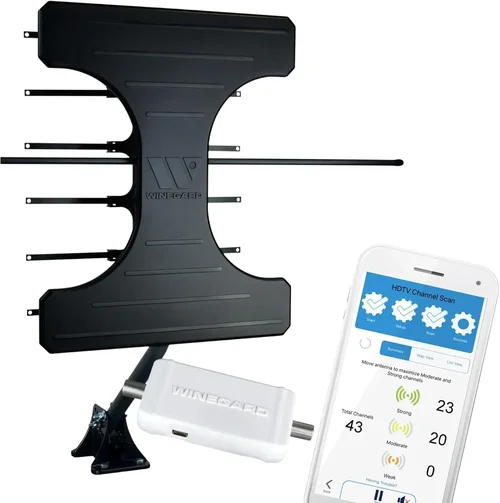
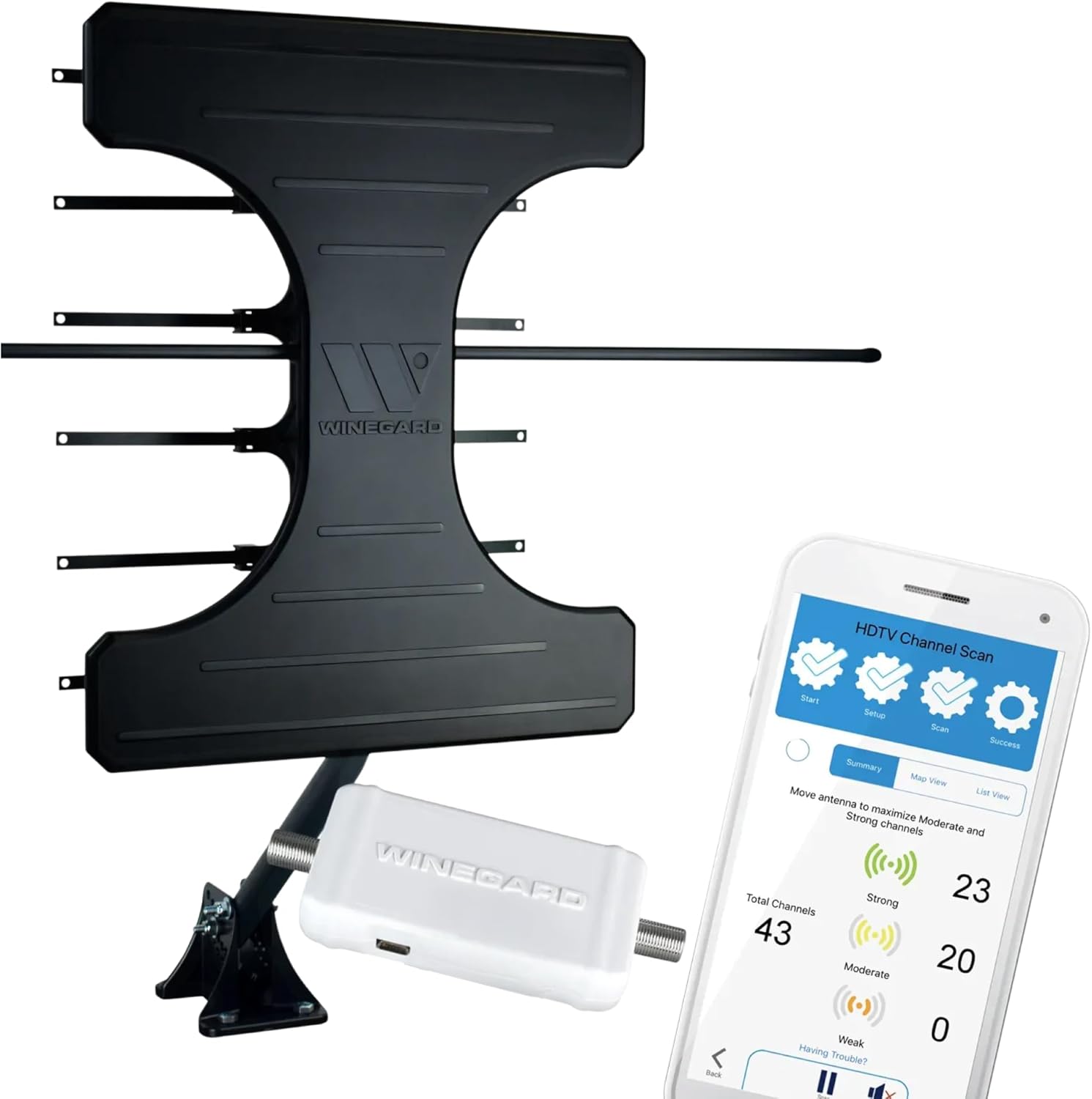
A: Not necessarily. Most outdoor TVs support standard over-the-air antennas, but for best signal, use an amplified outdoor antenna mounted away from the TV to reduce interference.
Q: Are outdoor TVs compatible with streaming sticks like Roku or Fire Stick?
A: Yes, as long as there’s an available HDMI port. However, ensure the stick is protected from moisture—use a weatherproof HDMI extender or enclosure.
Q: How long do outdoor TVs last?
A: With proper care, 7–10 years is typical. Premium models with robust build quality may last longer. Avoid leaving them on 24/7 unless designed for continuous operation.
Q: Can I paint or modify an outdoor TV?
A: No. Painting or drilling voids the warranty and compromises weather sealing. Always follow manufacturer guidelines for installation and maintenance.
Q: What’s the difference between “outdoor” and “weatherproof” TVs?
A: “Outdoor” implies full environmental resilience (sun, rain, dust). “Weatherproof” often refers to resistance against rain and splashes but may not include UV protection or extreme temperature tolerance. Always check specs.
Q: Do outdoor TVs come with stands?
A: Rarely. Most are designed for wall or ceiling mounting. If you want a stand, choose a weatherproof model specifically made for outdoor use.
Our Final Recommendations
- Best for Budget-Conscious Buyers: Samsung The Terrace Partial Shade – Offers excellent brightness (1,500 nits), webOS smart platform, and solid build quality under $2,500. Ideal for covered patios.
- Best Overall Value: SunBriteTV Veranda Series – Combines 2,000-nit brightness, IP55 rating, and reliable performance at a competitive price. Trusted by professionals for residential installations.
- Best Premium Option: Seura Outdoor 4K Ultra Bright – Features 2,500+ nits, anti-reflective glass, and elegant design. Perfect for full-sun luxury gardens with integrated mounting.
- Best for Beginners: LG Outdoor Smart TV (Partial Shade) – User-friendly webOS interface, good app selection, and straightforward setup. Great entry point for first-time outdoor TV owners.
- Best for Advanced Users: Peerless-AV Xtreme Outdoor Display – Commercial-grade durability, customizable configurations, and support for professional AV integration. Ideal for tech-savvy homeowners or custom installers.
Conclusion: Making the Right Choice
Choosing the perfect garden TV for your outdoor bar is about more than just screen size or brand name—it’s about aligning your investment with your lifestyle, environment, and long-term goals. From weather resistance and brightness to smart features and audio quality, every detail matters when you’re creating a space where memories are made under open skies. By prioritizing durability, visibility, and usability, you’ll ensure your outdoor entertainment zone remains a joyful retreat for years to come.
Remember, the best TV isn’t necessarily the most expensive—it’s the one that fits your space, meets your needs, and delivers consistent performance no matter the weather. Take your time, compare options using the criteria in this guide, and don’t hesitate to consult a professional installer for complex setups. With the right preparation and knowledge, your garden TV will become the heartbeat of your outdoor oasis—a place where laughter echoes, stories unfold, and every sunset feels like a premiere night. Now go enjoy the show.

