
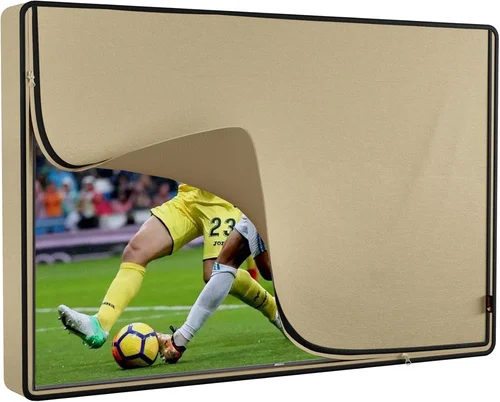
If you’ve ever tried watching your favorite show or streaming a movie outdoors only to squint at a washed-out screen under the midday sun, you already know why a proper garden TV matters. A standard indoor television simply isn’t built for the elements—bright sunlight, humidity, temperature swings, and even light rain can ruin both visibility and longevity. That’s where purpose-built outdoor or garden TVs come in: they’re engineered from the ground up to deliver crisp, vibrant visuals in open-air environments while standing up to the rigors of year-round patio life.
This comprehensive buying guide is designed to cut through the noise and help you make a confident, informed decision when selecting the perfect garden TV for your large patio. Whether you’re hosting summer barbecues, enjoying quiet evenings under string lights, or transforming your outdoor space into a full-fledged entertainment zone, we’ll walk you through every critical factor—from screen brightness and weather resistance to smart features and installation logistics. By the end, you’ll not only understand what separates a good outdoor TV from a great one, but also how to match it perfectly to your lifestyle, space, and budget.
The market for outdoor TVs has evolved dramatically in recent years. Once dominated by bulky, expensive commercial-grade displays, it now offers a range of options—from sleek, consumer-friendly models to ruggedized professional units—that cater to diverse needs and price points. Major brands like Samsung, LG, Sony, and specialized players like SunBriteTV and Seura have entered the fray, bringing advanced technologies such as anti-glare coatings, weatherproof housings, and high-brightness panels directly to homeowners. With so many choices available, it’s easier than ever to find a garden TV that delivers stunning picture quality without compromising on durability or design.

What to Look for When Buying a Garden TV
1. Screen Brightness and Anti-Glare Performance
When it comes to outdoor viewing, brightness isn’t just a nice-to-have—it’s essential. Indoor TVs typically range from 300 to 500 nits (a unit measuring luminance), but even on a cloudy day, ambient light on a patio can exceed 10,000 nits. Without sufficient brightness, your image will look dim, colors will appear muted, and details will vanish in glare. For a large patio—especially one with direct southern or western exposure—you’ll want a garden TV with a minimum brightness of 700 nits, though 1,000 nits or higher is ideal for sunny conditions.
But brightness alone isn’t enough. Look for models with advanced anti-reflective coatings and optically bonded glass. These features minimize glare from sunlight reflecting off the screen surface, ensuring consistent visibility from multiple angles. Some premium outdoor TVs also use direct-lit LED backlighting with local dimming, which enhances contrast and black levels even in bright environments. For example, the SunBriteTV Veranda series uses a proprietary anti-glare layer that reduces reflections by up to 90% compared to standard glass.
2. Weather Resistance and IP Rating
Outdoor electronics must withstand more than just occasional drizzle. Humidity, dust, pollen, temperature extremes (from freezing winters to scorching summers), and even salt air near coastal areas can degrade performance over time. That’s why weather resistance is non-negotiable.
Look for TVs with an official Ingress Protection (IP) rating. The IP code consists of two digits: the first indicates protection against solid particles (like dust), and the second against liquids. For garden TVs, an IP55 rating is the bare minimum—this means the unit is dust-protected and resistant to water jets from any direction. However, for full four-season reliability, especially in regions with heavy rain or snow, aim for IP65 or higher. IP65 offers complete dust-tight protection and resistance to low-pressure water jets, making it suitable for permanent outdoor installation.
Additionally, check the operating temperature range. Most quality outdoor TVs function reliably between -22°F and 122°F (-30°C to 50°C). Cheaper models may claim “weather-resistant” housing but lack sealed ports, ventilated internal components, or corrosion-resistant materials—red flags that could lead to premature failure.
3. Display Technology and Panel Type
Not all outdoor TVs use the same underlying display technology, and this choice significantly impacts picture quality, viewing angles, and energy efficiency. The two dominant types are LED-LCD and OLED, each with distinct pros and cons for outdoor use.
LED-LCD panels are the most common in garden TVs due to their high brightness capabilities, affordability, and durability. They use a backlight to illuminate liquid crystal pixels, allowing for excellent peak brightness—critical for sunny patios. Modern LED-LCDs often feature quantum dot enhancement (QLED) for richer colors and wider color gamuts. However, they can struggle with deep blacks in bright environments unless equipped with full-array local dimming.
OLED TVs, while offering perfect blacks and infinite contrast, are generally not recommended for primary outdoor use. Their organic compounds degrade faster under UV exposure and high heat, and they’re more susceptible to burn-in from static images (like news tickers or sports scores). That said, some manufacturers now offer OLED models with enhanced brightness and protective coatings—but these come at a significant premium and are best reserved for covered patios or shaded areas.
For most large patio setups, a high-quality QLED or advanced LED-LCD panel with local dimming strikes the best balance of performance, longevity, and value.
4. Size and Viewing Distance
Choosing the right screen size isn’t just about aesthetics—it’s about ensuring everyone on your patio can enjoy a comfortable, immersive experience. A TV that’s too small will force viewers to squint, while one that’s too large may overwhelm the space or require excessive brightness.
As a general rule, measure the distance from your primary seating area to the intended TV location. For outdoor viewing, multiply that distance (in inches) by 0.85 to estimate the ideal screen diagonal. For example, if your main seating is 12 feet (144 inches) away, a 55- to 65-inch TV would be appropriate. On a large patio with multiple seating zones—say, a lounge area 15 feet back and a dining table 8 feet away—consider a 75-inch model or larger to ensure clarity across all zones.
Also consider the TV’s bezel width and overall footprint. Slim bezels create a more modern look and maximize screen real estate, but ensure the mounting solution accounts for the TV’s depth, especially if it includes built-in cooling fans or ventilation.
5. Smart Features and Connectivity
Today’s garden TVs aren’t just dumb screens—they’re full-fledged smart platforms. Look for models running established operating systems like Google TV, webOS (LG), or Tizen (Samsung), which offer seamless access to Netflix, YouTube, Disney+, and other streaming services. Built-in Wi-Fi (preferably dual-band 2.4GHz/5GHz) ensures smooth streaming even at a distance from your router.
Connectivity is equally important. Ensure the TV has enough HDMI ports (at least three, ideally HDMI 2.1 for future-proofing), USB inputs for media playback, and audio outputs (optical or RCA) if you plan to connect external speakers or a soundbar. Some outdoor TVs include weatherproof cable entry points or built-in cable management systems—a small but valuable detail that keeps connections secure and tidy.
Voice control via Alexa, Google Assistant, or Siri is increasingly common and highly convenient for hands-free operation outdoors. Just remember: microphones on the TV should be shielded from wind noise, or consider using a compatible smart remote or hub.
6. Installation and Mounting Requirements
A garden TV is only as good as its installation. Unlike indoor TVs, outdoor models often require specialized mounting hardware and careful planning to ensure safety, stability, and optimal viewing angles.
First, assess your patio structure. Can your wall or ceiling support the weight of a large TV plus a robust mount? Most outdoor TVs weigh 20–40% more than their indoor counterparts due to reinforced casings and cooling systems. Use a full-motion or tilt mount rated for outdoor use—these allow you to adjust the screen angle to reduce glare and accommodate different seating positions.
If you’re mounting on a pergola, gazebo, or freestanding pole, ensure the structure is securely anchored and rated for dynamic loads (including wind). Many homeowners opt for in-ground concrete footings or heavy-duty wall brackets. Always follow the manufacturer’s installation guidelines and consider hiring a certified professional, especially for larger screens or complex setups.
Power supply is another consideration. Outdoor TVs need a dedicated, GFCI-protected electrical outlet within reach of the mount. Avoid daisy-chaining extension cords, which can pose fire and tripping hazards.
7. Audio Quality and Sound Solutions
While picture quality grabs headlines, sound is equally vital for an engaging outdoor experience. Unfortunately, most garden TVs prioritize slim profiles and weather sealing over audio performance, resulting in thin, tinny built-in speakers that struggle to fill a large patio.
Don’t rely solely on the TV’s internal audio. Instead, plan for an external sound system. Options include:
– Weather-resistant soundbars (e.g., Polk Audio Atrium, Sonos Arc with outdoor enclosure)
– Outdoor speaker pairs mounted on posts or walls
– Wireless multi-room systems that sync with your indoor audio
Look for TVs with optical audio out or HDMI ARC/eARC support to easily connect external amplifiers or receivers. Some high-end models even include built-in subwoofer outputs or preamp-level audio signals for custom setups.
8. Brand Reputation and Long-Term Support
Not all outdoor TV brands are created equal. Established names like Samsung, LG, and Sony bring decades of display expertise and global service networks, but specialized outdoor manufacturers like SunBriteTV, Seura, and Avid Power offer purpose-built designs with deeper weatherization knowledge.
Research warranty terms carefully. A standard 1-year warranty is common, but premium outdoor TVs often include 2–3 years of coverage, sometimes with on-site service. Check whether the warranty covers both parts and labor, and whether it applies to outdoor use (some indoor TV warranties void if used outside).
Customer support responsiveness matters too. Can you easily reach a technician if your TV develops a fault after two years? Are replacement parts readily available? Reading long-term user reviews on forums like AVS Forum or Reddit can reveal patterns in reliability and post-purchase support.
Different Types of Garden TVs
Common Buying Mistakes to Avoid
❌ Mistake: Buying an Indoor TV for Outdoor Use
Why it’s bad: Indoor TVs lack weatherproofing, have insufficient brightness for daylight viewing, and often fail within months when exposed to moisture or temperature swings. Their warranties typically void if used outdoors.
What to do instead: Invest in a TV specifically designed for outdoor conditions—even if it costs more upfront, it will save you money and frustration in the long run.
❌ Mistake: Ignoring Viewing Angles and Glare
Why it’s bad: On a large patio, guests sit at various angles. A TV with poor off-axis performance will look washed out or distorted for side viewers, ruining the group experience.
What to do instead: Choose a model with wide viewing angles (178° horizontal/vertical) and anti-glare coating. Test the TV in person if possible, or read reviews that mention real-world patio performance.
❌ Mistake: Underestimating Audio Needs
Why it’s bad: Built-in TV speakers can’t compete with outdoor ambient noise—wind, traffic, or chatter. Poor audio breaks immersion and forces viewers to strain to hear dialogue.
What to do instead: Budget for a weather-resistant sound system from day one. Even a modest outdoor soundbar dramatically improves clarity and volume.
❌ Mistake: Overlooking Power and Connectivity Logistics
Why it’s bad: Running extension cords across a patio creates tripping hazards and electrical risks. Inadequate cable management leads to water ingress and signal degradation.
What to do instead: Plan your power source and cable routing before purchasing. Use in-wall rated cables, weatherproof conduits, and GFCI outlets installed by a licensed electrician.
❌ Mistake: Choosing Based Solely on Price
Why it’s bad: The cheapest “outdoor” TVs often cut corners on critical components like cooling systems, seals, or panel quality, leading to early failure.
What to do instead: Prioritize value over price. A mid-range model with proven durability and brightness often outperforms a budget unit that requires replacement in two years.
❌ Mistake: Neglecting Future-Proofing
Why it’s bad: Technology evolves quickly. A TV without HDMI 2.1, Wi-Fi 6, or modern smart OS may become obsolete in just a few years.
What to do instead: Choose a model with current-gen connectivity and software support. Look for brands that offer firmware updates and long-term OS compatibility.
❌ Mistake: Skipping Professional Installation
Why it’s bad: Improper mounting can cause the TV to fall, damage your structure, or void the warranty. DIY mistakes are common and dangerous.
What to do instead: Hire a certified installer experienced with outdoor AV setups. They’ll ensure secure mounting, proper grounding, and code-compliant wiring.
Budget Guidelines: How Much Should You Spend?
Entry-Level ($800–$1,800): This tier includes indoor TVs in third-party outdoor enclosures or basic partial-shade models. Expect modest brightness (500–700 nits), limited weather resistance (IP54), and fewer smart features. Best for covered patios in mild climates or temporary use. Example: 55-inch indoor QLED TV + $300 outdoor case.
Mid-Range ($1,800–$3,500): The sweet spot for most homeowners. These TVs offer 700–1,200 nits brightness, IP55+ ratings, robust smart platforms, and reliable build quality. Ideal for large patios with mixed sun/shade exposure. Examples: Samsung The Terrace Partial Shade, LG 65″ OLED GX Outdoor.
Premium ($3,500–$6,000): Designed for full sun and four-season durability. Features include 1,500+ nits brightness, fan-assisted cooling, IP65 sealing, and premium materials. Perfect for expansive, sun-drenched patios or high-end outdoor living spaces. Examples: SunBriteTV Veranda 3 Series, Seura Shadow 4K.
Luxury ($6,000+): Top-tier commercial-grade or custom solutions. These deliver extreme brightness (2,500+ nits), modular designs, 24/7 operation capability, and concierge-level support. Reserved for luxury estates, hospitality venues, or tech enthusiasts who demand perfection. Examples: LG Ultra-Slim Outdoor Commercial Display, custom SunBriteTV Pro installations.

Expert Tips for Getting the Best Deal
– Buy during off-season sales: Late fall and winter (October–February) offer the deepest discounts as retailers clear inventory before spring. Many brands run “outdoor living” promotions in January.
– Compare bundled packages: Some retailers include free installation, mounts, or soundbars with TV purchases—factor these into total value.
– Check manufacturer refurbished programs: SunBriteTV and Seura offer certified refurbished units with full warranties at 20–30% off retail.
– Negotiate with local AV integrators: Independent installers often have access to dealer pricing and may bundle services at a discount.
– Verify return and exchange policies: Outdoor TVs are hard to resell. Ensure you have at least 30 days to test the unit in your actual environment.
– Inspect before finalizing installation: Once mounted, returns become nearly impossible. Unbox and test the TV indoors first to confirm functionality.
– Consider extended warranties: Given the harsh environment, a 3-year extended plan can be worthwhile for premium models.
– Join owner communities: Forums like AVS Forum have dedicated outdoor TV sections where users share deals, firmware updates, and troubleshooting tips.

Frequently Asked Questions
Q: Can I use a regular TV outside if I cover it with a tarp?
A: No—tarps trap moisture and heat, creating a greenhouse effect that accelerates component failure. Even brief rain exposure can cause internal corrosion. Always use a purpose-built outdoor TV or certified enclosure.
Q: Do outdoor TVs consume more power?
A: Yes, due to higher brightness and active cooling. Expect 20–40% higher energy use than comparable indoor models. Look for ENERGY STAR-certified outdoor TVs to minimize impact.
Q: How do I clean my garden TV screen?
A: Use a microfiber cloth lightly dampened with distilled water. Avoid ammonia-based cleaners or abrasive materials. Never spray liquid directly on the screen—apply to the cloth first.
Q: Will my Wi-Fi reach the patio?
A: Possibly not. For reliable streaming, consider a mesh Wi-Fi system with an outdoor node (e.g., Google Nest Outdoor, Eero Outdoor) or a wired Ethernet connection via buried conduit.
Q: Can I leave my outdoor TV on all the time?
A: Most consumer-grade outdoor TVs aren’t rated for 24/7 operation. Continuous use may shorten lifespan. Commercial models are built for constant use but cost significantly more.
Q: Are outdoor TVs safe in lightning storms?
A: While the TV itself is grounded, it’s wise to unplug it during severe electrical storms. Surge protectors help but don’t guarantee safety against direct strikes.
Q: Do I need a permit to install an outdoor TV?
A: In most residential areas, no—but if you’re modifying structures (e.g., adding electrical circuits or heavy mounts), local codes may require inspection. Consult your municipality.
Q: Can I mount an outdoor TV on a brick or stucco wall?
A: Yes, but use appropriate anchors (e.g., wedge anchors for brick, Tapcon screws for concrete). Avoid mounting directly into mortar joints.
Q: What’s the lifespan of an outdoor TV?
A: With proper care, 7–10 years is typical. Harsh climates or constant sun exposure may reduce this to 5–7 years. Regular maintenance (cleaning vents, checking seals) extends longevity.
Q: Are there solar-powered outdoor TV options?
A: Not yet for full-size models, but portable solar-charged TVs exist for camping. For patios, solar panels can offset energy use if connected to your home’s electrical system.
Our Final Recommendations
Best for Budget-Conscious Buyers: Samsung The Terrace Partial Shade (55″–75″) – Offers excellent smart features, 1,000 nits brightness, and IP55 rating at a competitive price. Ideal for covered or shaded patios.
Best Overall Value: SunBriteTV Veranda 3 Series (65″–86″) – Combines military-grade durability, 1,500 nits brightness, and fan cooling with a user-friendly interface. Perfect for large, sunny patios.
Best Premium Option: Seura Shadow 4K (75″–86″) – Ultra-slim design with IP65 rating, 2,000 nits brightness, and whisper-quiet operation. A statement piece for luxury outdoor spaces.
Best for Beginners: LG 65″ OLED GX Outdoor – Familiar webOS interface, stunning picture quality in shade, and reliable performance. Great for those new to outdoor entertainment.
Best for Advanced Users: LG Ultra-Slim Outdoor Commercial Display (75″+) – Modular, 24/7 capable, and compatible with professional control systems. For tech-savvy homeowners building a full outdoor AV ecosystem.
Conclusion: Making the Right Choice
Choosing the right garden TV for your large patio is about more than just picking the biggest or brightest screen—it’s about aligning technology with your environment, lifestyle, and long-term goals. From battling glare under midday sun to ensuring your investment lasts through seasons of use, every decision matters. By prioritizing brightness, weather resistance, smart functionality, and proper installation, you’ll create an outdoor entertainment hub that enhances every gathering, from quiet mornings with coffee to lively weekend parties.
Remember: the best garden TV isn’t necessarily the most expensive—it’s the one that fits your space, meets your needs, and delivers consistent performance year after year. Take your time, compare options using the criteria in this guide, and don’t hesitate to consult professionals for installation and setup. Your perfect outdoor viewing experience is within reach—now go enjoy it under the open sky.

