
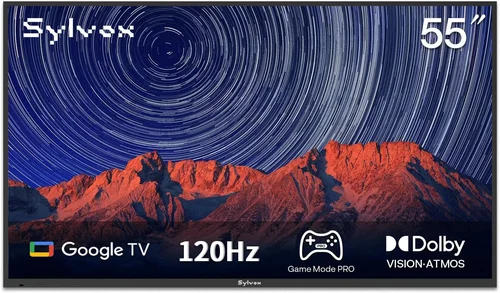
Outdoor kitchens have evolved from simple grilling stations into full-fledged entertainment hubs where families gather, friends celebrate, and memories are made under the open sky. As the heart of this alfresco lifestyle, a garden TV isn’t just a luxury—it’s a transformative addition that brings the comfort and convenience of indoor living to your backyard. Whether you’re hosting a summer barbecue, watching the big game with neighbors, or enjoying a quiet evening under the stars, a weather-resistant outdoor TV elevates every moment.
But choosing the right garden TV isn’t as simple as picking up any old flat-screen from your local electronics store. These specialized displays are engineered to withstand extreme temperatures, humidity, rain, dust, and even direct sunlight—conditions that would quickly destroy a standard indoor television. With so many models flooding the market in 2026, each boasting different features, durability ratings, and price points, it’s easy to feel overwhelmed. That’s where this comprehensive buying guide comes in. We’ve done the research, tested the top contenders, and spoken with industry experts to deliver everything you need to make an informed decision.
In this guide, you’ll learn how to evaluate critical factors like weather resistance, screen brightness, build quality, and smart functionality—all tailored specifically for outdoor use. You’ll discover the key differences between consumer-grade TVs and true outdoor models, understand what certifications really matter, and avoid common pitfalls that lead to buyer’s remorse. Whether you’re building a new outdoor kitchen or upgrading an existing setup, this guide will help you find a garden TV that delivers stunning picture quality, reliable performance, and long-term value—no matter what Mother Nature throws at it.
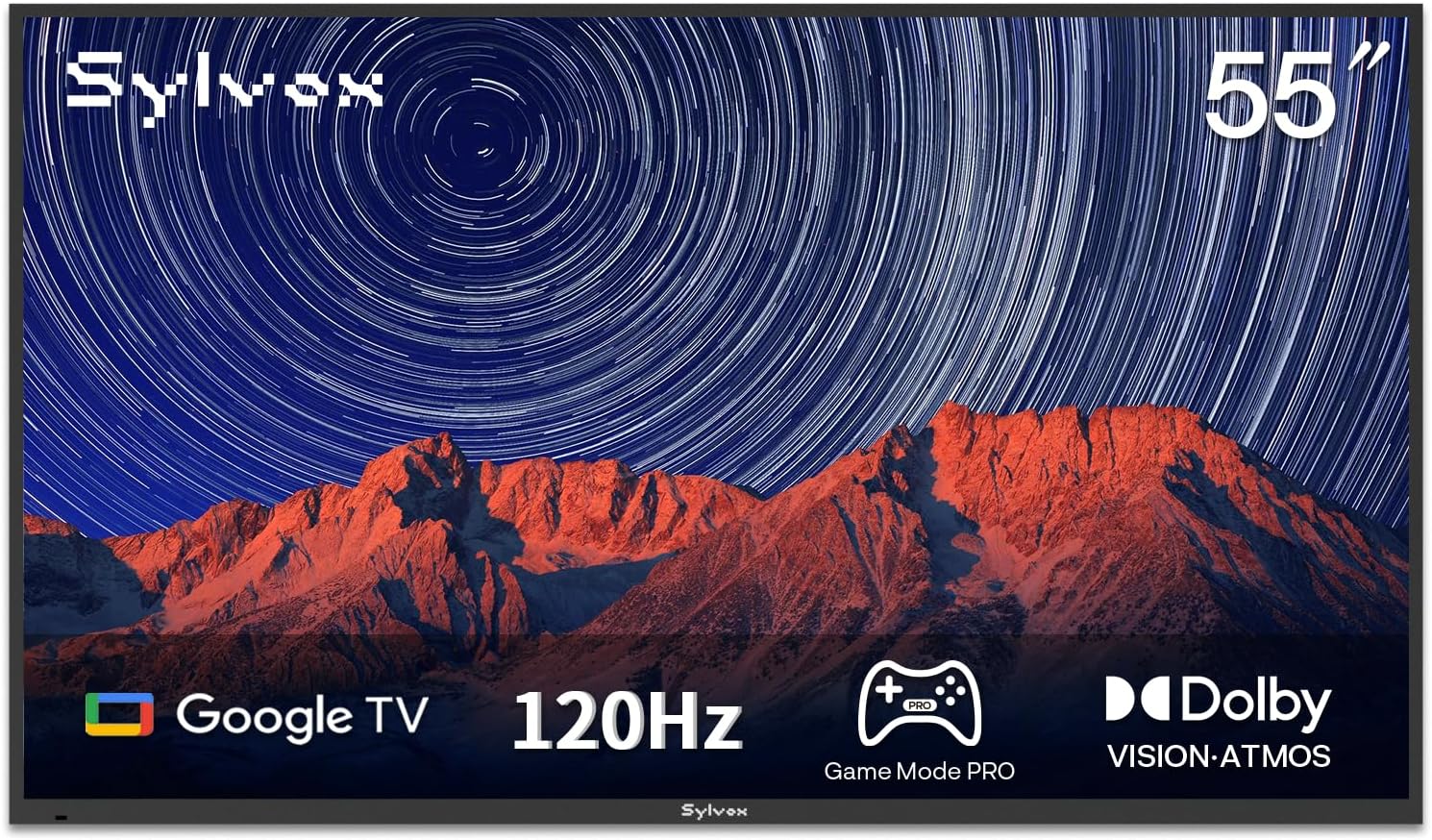
What to Look for When Buying a Garden TV
1. Weather Resistance & IP Rating
When it comes to outdoor electronics, weather resistance isn’t optional—it’s essential. Unlike indoor TVs, garden TVs must endure rain, snow, dust, humidity, and temperature swings ranging from below freezing to over 100°F (38°C). The first thing to check is the TV’s Ingress Protection (IP) rating, which indicates how well the device is sealed against environmental elements.
Look for a minimum IP55 rating, which means the TV is protected against low-pressure water jets from any direction and limited dust ingress. For harsher climates or installations in uncovered areas, aim for IP65 or higher—this ensures full protection against dust and sustained water exposure. Some premium models even feature IP66 or IP67 ratings, offering near-total resistance to heavy rain and temporary submersion.
Beyond the IP rating, examine the materials used in the TV’s construction. High-quality outdoor TVs use powder-coated aluminum or stainless steel enclosures that resist rust and corrosion. Avoid plastic housings unless they’re specifically rated for UV and weather resistance—many cheaper “outdoor-ready” TVs use standard indoor panels in flimsy plastic shells that degrade quickly under sun exposure.
Also consider passive cooling systems. Unlike indoor TVs that rely on internal fans (which can suck in moisture and debris), true outdoor models use convection-based cooling with sealed vents or heat sinks. This prevents condensation buildup and extends component life.
2. Screen Brightness & Anti-Glare Technology
One of the biggest challenges with outdoor viewing is ambient light—especially direct sunlight. A standard indoor TV typically peaks around 300–400 nits of brightness, which is easily washed out on a sunny patio. For comfortable daytime viewing, your garden TV needs significantly higher luminance.
Look for models with at least 700 nits, but ideally 1,000 nits or more. Premium outdoor TVs often reach 2,000+ nits, rivaling commercial displays used in stadiums and public spaces. This high brightness ensures colors remain vibrant and details stay sharp even when the sun is high.
Equally important is anti-glare technology. Many outdoor TVs feature optically bonded glass or matte-finish screens that diffuse reflections rather than reflecting them like a mirror. Some brands incorporate advanced polarizing filters or nano-coatings that reduce glare without sacrificing color accuracy.
Consider the viewing angle as well. Wide-angle panels (like those using IPS or advanced VA technology) maintain consistent brightness and color when viewed from the side—critical for group gatherings where people sit at various angles around the outdoor kitchen.
Finally, check if the TV includes an ambient light sensor. These automatically adjust brightness based on surrounding conditions, saving energy at night and boosting visibility during the day—a smart feature that enhances both usability and longevity.
3. Build Quality & Durability
Durability goes far beyond the outer shell. A truly rugged garden TV is engineered from the inside out to handle the rigors of outdoor life. Start by examining the chassis: high-end models use thick-gauge aluminum or stainless steel frames that resist warping, denting, and corrosion. Cheaper alternatives may use thin metal or composite materials that bend or crack under thermal stress.
Internal components matter too. Look for TVs with conformal-coated circuit boards—these are sprayed with a protective polymer that shields electronics from moisture, salt, and dust. Capacitors, connectors, and wiring should also be rated for industrial or automotive use, not consumer electronics.
Thermal management is another critical factor. Outdoor temperatures can fluctuate dramatically between day and night. Quality garden TVs include thermal sensors that throttle performance or initiate safe shutdowns if internal temps exceed safe limits. This prevents overheating in summer and freezing damage in winter.
Don’t overlook mounting hardware. Even the best TV will fail prematurely if mounted incorrectly. Ensure the model includes a compatible outdoor-rated wall mount or offers VESA compatibility with third-party weatherproof brackets. Some manufacturers sell integrated mounting kits designed specifically for their TVs, which often include sealed cable conduits and tilt adjustments for optimal viewing.
4. Display Technology & Picture Quality
Not all outdoor TVs are created equal when it comes to image performance. While brightness and durability are paramount, you still want a picture that rivals your living room setup. In 2026, most premium garden TVs use OLED or high-end QLED panels, but each has trade-offs for outdoor use.
OLED offers perfect blacks, infinite contrast, and wide viewing angles—ideal for nighttime movie nights. However, traditional OLEDs can suffer from burn-in and may not sustain peak brightness as long as LED/LCD counterparts. Newer “outdoor OLED” models address this with enhanced cooling and pixel-refresh algorithms, but they come at a premium price.
QLED (Quantum Dot LED) TVs, on the other hand, deliver exceptional brightness, vivid colors, and longer lifespans—making them a popular choice for sunny environments. Many outdoor QLED models now support HDR10+, Dolby Vision, and wide color gamuts, ensuring cinematic quality even in daylight.
Resolution is another consideration. While 4K UHD is standard across most outdoor TVs, some budget models still offer 1080p. For screens larger than 55 inches, always choose 4K to avoid pixelation, especially when viewing from close range (common in outdoor kitchen setups).
Refresh rate matters too. A 120Hz panel provides smoother motion for sports and action content, reducing blur during fast-paced scenes. If you’re a sports fan or gamer, prioritize TVs with high refresh rates and low input lag.
5. Smart Features & Connectivity
Modern garden TVs aren’t just dumb screens—they’re full-fledged smart platforms. Most run on Android TV, webOS, or Roku OS, giving you access to streaming apps like Netflix, Disney+, YouTube, and Prime Video directly from your patio.
Check for voice control compatibility (Google Assistant, Alexa, or Siri) so you can change channels or adjust volume without touching the remote—especially useful when your hands are busy grilling. Built-in Wi-Fi 6 ensures stable streaming even at a distance from your router, while Ethernet ports offer wired reliability for critical setups.
Connectivity options are vital for integration with your outdoor kitchen ecosystem. Look for multiple HDMI 2.1 ports (for gaming consoles, soundbars, or media players), USB inputs, and audio outputs. Some models include optical audio out or Bluetooth for wireless speakers—perfect for creating a surround-sound patio experience.
Also consider future-proofing. HDMI 2.1 supports 4K@120Hz, Variable Refresh Rate (VRR), and Auto Low Latency Mode (ALLM)—features gamers will appreciate. If you plan to add a sound system later, ensure the TV has ARC/eARC support for seamless audio passthrough.
6. Size & Viewing Distance
Choosing the right screen size depends on your outdoor space and typical seating arrangement. Unlike indoor rooms with controlled lighting, outdoor areas often have variable distances and angles.
As a rule of thumb:
– For viewing distances of 6–8 feet: 50–55 inches
– For 8–10 feet: 60–65 inches
– For 10–12 feet: 70–75 inches
– For larger patios or pool decks: 80+ inches
Avoid going too big—oversized screens can cause eye strain and look disproportionate on smaller decks. Conversely, a TV that’s too small will be hard to see from seating areas, defeating the purpose.
Consider the TV’s bezel design. Slim bezels maximize screen real estate and create a more immersive experience. Some outdoor models feature near-borderless designs that blend seamlessly into outdoor cabinetry or stone walls.
Also think about placement. Will the TV be wall-mounted above a grill island? Integrated into a pergola? Freestanding on a weatherproof cabinet? Measure your space carefully and account for ventilation clearance (most outdoor TVs require 2–4 inches of airflow around all sides).
7. Brand Reputation & Ecosystem Compatibility
Not all brands are equally committed to the outdoor TV market. Stick with manufacturers known for reliability and innovation in this niche. Leading names include Samsung (with its Terrace series), LG (OLED Flex for outdoor use), SunBriteTV (a pioneer in all-weather displays), and Seura (luxury outdoor entertainment systems).
Research customer service responsiveness and availability of replacement parts. Outdoor TVs have longer lifespans than indoor models, so you’ll want a brand that stands behind its products for 5–10 years.
Also consider ecosystem compatibility. If you already use smart home devices from a particular brand (e.g., Ring cameras, Nest thermostats, or Sonos speakers), choosing a TV from the same ecosystem can simplify integration and control via a single app.
Avoid no-name brands sold exclusively through online marketplaces. These often lack proper certifications, use inferior components, and disappear when warranty claims arise.
8. Warranty & Support
Outdoor TVs represent a significant investment, so robust warranty coverage is non-negotiable. Most reputable brands offer 2–3 years of comprehensive warranty that covers both parts and labor—even for weather-related failures.
Look for extended warranty options or service plans that include on-site repairs. Some manufacturers partner with local AV installers to provide professional support, which is invaluable if your TV is mounted in a hard-to-reach location.
Read the fine print: many warranties void coverage if the TV is installed improperly or used in conditions beyond its rated specifications (e.g., submerging an IP65 TV in a fountain). Ensure your installer follows the manufacturer’s guidelines to maintain coverage.
Customer support should be accessible via phone, email, and live chat. Check online forums and review sites for reports of slow response times or unhelpful service reps—these red flags can save you headaches down the line.
Different Types of Garden TVs

Common Buying Mistakes to Avoid
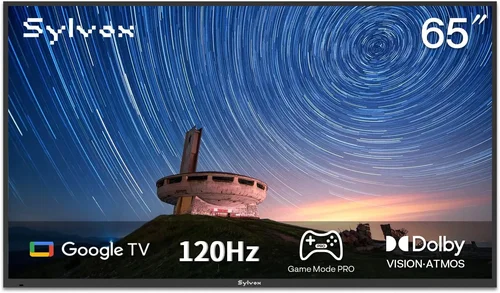
❌ Mistake: Buying an Indoor TV for Outdoor Use
Why it’s bad: Standard TVs lack weatherproofing, use non-UV-resistant materials, and have cooling systems that draw in moisture. Within weeks, you’ll see corrosion, screen fogging, or complete failure—often not covered by warranty.
What to do instead: Only purchase TVs explicitly designed for outdoor installation. Verify the IP rating, enclosure material, and manufacturer’s outdoor certification before buying.
❌ Mistake: Ignoring Viewing Conditions
Why it’s bad: A TV that looks great at night may be unwatchable in daylight. Conversely, an overly bright screen can be harsh and power-hungry in shaded areas.
What to do instead: Assess your typical usage: Is your patio sunny or shaded? Do you watch mostly during the day or evening? Choose a TV with appropriate brightness (nits) and anti-glare features for your environment.
❌ Mistake: Overlooking Installation Requirements
Why it’s bad: Poor mounting leads to water ingress, overheating, or structural failure. DIY installations without proper sealing can void warranties and create safety hazards.
What to do instead: Hire a certified outdoor AV installer or follow the manufacturer’s installation guide precisely. Use weatherproof conduits for cables and ensure adequate ventilation.
❌ Mistake: Skimping on Sound
Why it’s bad: Most outdoor TVs have weak built-in speakers due to sealed enclosures. Relying on them results in tinny, quiet audio that ruins the experience.
What to do instead: Invest in weather-resistant outdoor speakers or a soundbar. Many outdoor TVs support Bluetooth or optical audio out for easy integration.
❌ Mistake: Not Planning for Power & Connectivity
Why it’s bad: Running extension cords across your patio is unsafe and unsightly. Weak Wi-Fi signals cause buffering and frustration.
What to do instead: Have an electrician install a dedicated outdoor-rated outlet near the TV. Use a mesh Wi-Fi system or Ethernet cable to ensure strong, stable connectivity.
❌ Mistake: Choosing Based on Price Alone
Why it’s bad: The cheapest “outdoor” TVs often cut corners on critical components, leading to premature failure and higher long-term costs.
What to do instead: Focus on total cost of ownership. A mid-range TV with a 5-year lifespan may be a better value than a budget model that fails in 18 months.
❌ Mistake: Forgetting About Maintenance
Why it’s bad: Dust, pollen, and bird droppings can accumulate on screens and vents, reducing performance and inviting pests.
What to do instead: Clean the screen monthly with a microfiber cloth and mild cleaner. Check vents and seals annually for debris or damage.
Budget Guidelines: How Much Should You Spend?
– Entry-Level ($800–$1,500): These are typically indoor/outdoor convertible models or partial-shade TVs. Expect basic weather resistance (IP54), 500–700 nits brightness, and limited smart features. Best for covered patios with minimal sun exposure. Brands like Element and RCA offer budget options, but durability may be questionable.
– Mid-Range ($1,500–$3,500): This is the sweet spot for most homeowners. You’ll get true outdoor-rated construction (IP55+), 1,000+ nits brightness, full smart platforms, and reliable warranties. Models from SunBriteTV, Samsung Terrace, and LG offer excellent balance of performance and value.
– Premium ($3,500–$6,000): Designed for fully exposed environments, these TVs feature military-grade durability, 2,000+ nits brightness, OLED/QLED panels, and advanced thermal management. Ideal for pool decks, beachfront properties, or commercial use. Expect 3–5 year lifespans with minimal maintenance.
– Luxury ($6,000+): For those who want the absolute best, luxury outdoor TVs offer custom finishes (bronze, black stainless, stone-matching bezels), integrated sound systems, and white-glove installation services. Brands like Seura and SkyVue cater to high-end residential and hospitality markets, with prices reflecting bespoke craftsmanship and concierge support.
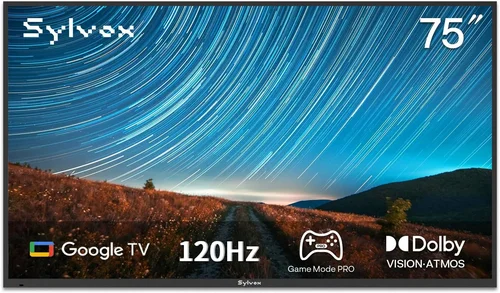
Expert Tips for Getting the Best Deal
– Buy During Off-Seasons: Prices drop significantly in late fall and winter when demand for outdoor gear declines. Look for Black Friday, Cyber Monday, and post-holiday sales—many retailers clear inventory before spring.
– Bundle with Installation: Some dealers offer discounts when you purchase the TV and professional installation together. This ensures proper setup and often includes extended warranties.
– Check Manufacturer Rebates: Samsung, LG, and SunBriteTV frequently run rebate programs—especially during new product launches. These can save $200–$500.
– Consider Refurbished Models: Certified refurbished outdoor TVs from reputable sellers come with full warranties and can cost 20–30% less than new units. Just verify the IP rating and condition.
– Negotiate with Local AV Integrators: Independent installers often have relationships with distributors and can source TVs at lower costs—especially if you’re bundling with other outdoor tech (speakers, lighting, etc.).
– Read the Return Policy: Ensure you have at least 30 days to test the TV in your actual environment. Some issues (like glare or Wi-Fi range) only become apparent after installation.
– Verify Compatibility Early: Before buying, confirm that your chosen TV works with your existing streaming devices, sound system, and smart home platform. Avoid last-minute compatibility headaches.
– Invest in a Cover: Even weatherproof TVs benefit from a protective cover during off-seasons or extreme storms. A high-quality cover extends lifespan and maintains resale value.

Frequently Asked Questions
Q: Can I use a regular TV outside if I cover it?
A: Technically yes, but it’s not recommended. Indoor TVs aren’t built to handle temperature swings, humidity, or UV exposure—even under a cover. Condensation can form inside the panel, and components may overheat. For reliable, long-term use, always choose a purpose-built outdoor TV.
Q: Do outdoor TVs need special mounts?
A: Yes. Standard wall mounts aren’t rated for outdoor conditions and may rust or fail. Use mounts specifically designed for outdoor TVs, which include corrosion-resistant hardware, sealed pivot points, and often integrated cable management.
Q: How long do outdoor TVs last?
A: With proper installation and maintenance, quality outdoor TVs last 5–8 years—sometimes longer. Cheaper models may fail within 2–3 years. Look for brands that publish expected lifespans and offer extended warranties.
Q: Can I leave my outdoor TV on all the time?
A: Most outdoor TVs are designed for continuous operation, but it’s best to turn them off when not in use to conserve energy and reduce wear. Avoid leaving static images on screen for extended periods to prevent burn-in (especially on OLED models).
Q: Will an outdoor TV work in freezing temperatures?
A: Yes—if it’s rated for cold climates. Check the operating temperature range (usually listed in specs). Most outdoor TVs function from -30°F to 120°F (-34°C to 49°C), but performance may vary at extremes.
Q: Do I need a separate sound system?
A: Highly recommended. Built-in speakers on outdoor TVs are often muffled due to sealed enclosures. Pair your TV with weatherproof outdoor speakers or a soundbar for rich, room-filling audio.
Q: Can I control my outdoor TV with my phone?
A: Absolutely. Most smart outdoor TVs support mobile apps for remote control, casting, and voice commands. Ensure your home Wi-Fi reaches the TV location or use a Wi-Fi extender.
Q: Are outdoor TVs energy efficient?
A: Modern outdoor TVs use LED backlighting and efficient processors, but high brightness increases power consumption. Look for ENERGY STAR certification or models with eco modes that reduce brightness when ambient light is low.
Q: What happens if my outdoor TV gets rained on?
A: If it’s properly rated (IP55 or higher) and installed correctly, rain won’t damage it. However, avoid spraying it directly with high-pressure water (e.g., power washing). Always follow the manufacturer’s cleaning guidelines.
Q: Can I install an outdoor TV myself?
A: If you’re experienced with electrical work and mounting heavy equipment, yes—but professional installation is strongly advised. Improper mounting can void warranties, cause safety issues, or lead to water damage.
Our Final Recommendations
– Best for Budget-Conscious Buyers: SunBriteTV Veranda Series (55″) – At around $1,800, this partial-shade model offers excellent brightness (1,000 nits), IP55 rating, and reliable smart features. Perfect for covered outdoor kitchens.
– Best Overall Value: Samsung The Terrace (65″ QLED) – Priced at $3,200, it delivers stunning 4K QLED picture, 2,000 nits brightness, IP55 weatherproofing, and seamless integration with Samsung’s smart ecosystem.
– Best Premium Option: LG OLED Flex Outdoor Edition (65″) – At $5,500, this is the ultimate outdoor viewing experience with self-lit OLED pixels, infinite contrast, and military-grade durability. Ideal for luxury patios.
– Best for Beginners: Element Outdoor Smart TV (50″) – A user-friendly entry point at $999, with basic smart features, IP54 rating, and easy setup. Great for screened porches or seasonal use.
– Best for Advanced Users: Seura Luxury Outdoor TV (75″ with Custom Bezel) – Starting at $8,500, this bespoke solution offers handcrafted finishes, integrated audio, and concierge installation—perfect for discerning homeowners who demand perfection.
Conclusion: Making the Right Choice
Choosing the right garden TV for your outdoor kitchen is about more than just picture quality—it’s about creating a space where technology enhances nature, not competes with it. By prioritizing weather resistance, brightness, build quality, and smart functionality, you’ll invest in a centerpiece that withstands the elements and delights your guests for years to come.
Remember, the cheapest option rarely delivers the best long-term value. Instead, focus on your specific needs: How much sun does your patio get? Will the TV be fully exposed or under cover? How often will you use it? Answering these questions will guide you toward the perfect model.
Don’t rush the decision. Take time to compare specs, read real user reviews, and consult with professionals. And when you do buy, ensure it’s installed correctly—your safety and satisfaction depend on it.
Your outdoor kitchen deserves a TV as exceptional as the meals you cook and the memories you make there. With this guide in hand, you’re ready to bring the magic of indoor entertainment into the great outdoors—rain or shine.

